
The Norwegian Forest Cat, affectionately known as a 'Wegie,' is a truly remarkable breed, captivating not only with their stunning appearance but also with their engaging personalities. These substantial, muscular cats, distinguished by their luxurious semi-longhaired coats and impressive bushy tails, are far more than just visually striking. Their temperament makes them exceptionally well-suited as beloved family companions. If you're contemplating bringing a Wegie into your home, a thorough understanding of their unique personality, typical behaviors, and specific care requirements is paramount. Let's delve into what makes the Norwegian Forest Cat so special, viewed through the lens of behavior and well-being.
Understanding the Norwegian Forest Cat Personality
Norwegian Forest Cats are often characterized as friendly explorers with a wonderfully balanced temperament that harmoniously blends independence with genuine affection. They possess a curious, intelligent, and adaptable nature, traits that are fundamental to their success as domestic companions.
One of their most endearing qualities is their innate sociability. While they may not be the type to demand constant lap time, they deeply enjoy simply being in the company of their human family. You'll frequently find a Wegie observing household happenings from a favored high vantage point or trailing you quietly from room to room. They are perfectly content to exist in your presence, which makes them ideal companions for individuals and families alike.
Their intelligence means they are quick to learn and engage with their environment. This can manifest as figuring out how to open cabinets, mastering puzzle feeders, or even learning simple, fun tricks. This blend of playful intelligence and natural athleticism makes them endlessly entertaining pets. They retain a youthful, playful spirit well into adulthood, relishing games and interactive toys.
Social Interaction and Family Life
Norwegian Forest Cats typically form strong, loyal bonds with their families. They are generally good with children and other pets, provided they are introduced and socialized gradually and positively from a young age. Their patient disposition often allows them to tolerate the sometimes exuberant energy of young children. However, it remains crucial to educate children on how to interact with cats respectfully. Close supervision, especially with very young children, is always recommended to ensure positive and safe interactions for everyone involved.
When introducing a new Norwegian Forest Cat to a home already occupied by other pets, patience is key. Allow ample time for them to acclimate to each other's scents before direct introductions. Towards other cats, they are usually quite sociable. With dogs, their tolerance can vary, but many Wegies coexist peacefully with well-adjusted canine companions. Their playful nature often means they can readily engage in games with other friendly household pets.
Independence and Affection Balance
Unlike some breeds that might experience significant separation anxiety, Norwegian Forest Cats tend to be more independent. They can happily entertain themselves for periods, which is a considerable advantage for busy households. However, this independence should not be mistaken for a lack of need for interaction. They will actively seek out affection on their own terms, often initiating a cuddle session or expressing it with a gentle rub against your legs.
This harmonious balance makes them an excellent choice for those who desire an affectionate companion without the need for constant supervision or reassurance. They are content to share your space and engage when you have the time, but they also readily understand and respect your need for personal space.
Norwegian Forest Cat Behavior and Activity Needs
Norwegian Forest Cats are active felines that thrive on both mental and physical stimulation. Their inherent instincts include climbing, hunting (even if it's just a favorite toy mouse), and exploring their surroundings. Providing an environment that caters to these natural inclinations is vital for their overall well-being and for preventing behavioral issues that can arise from boredom.
Enrichment and Play
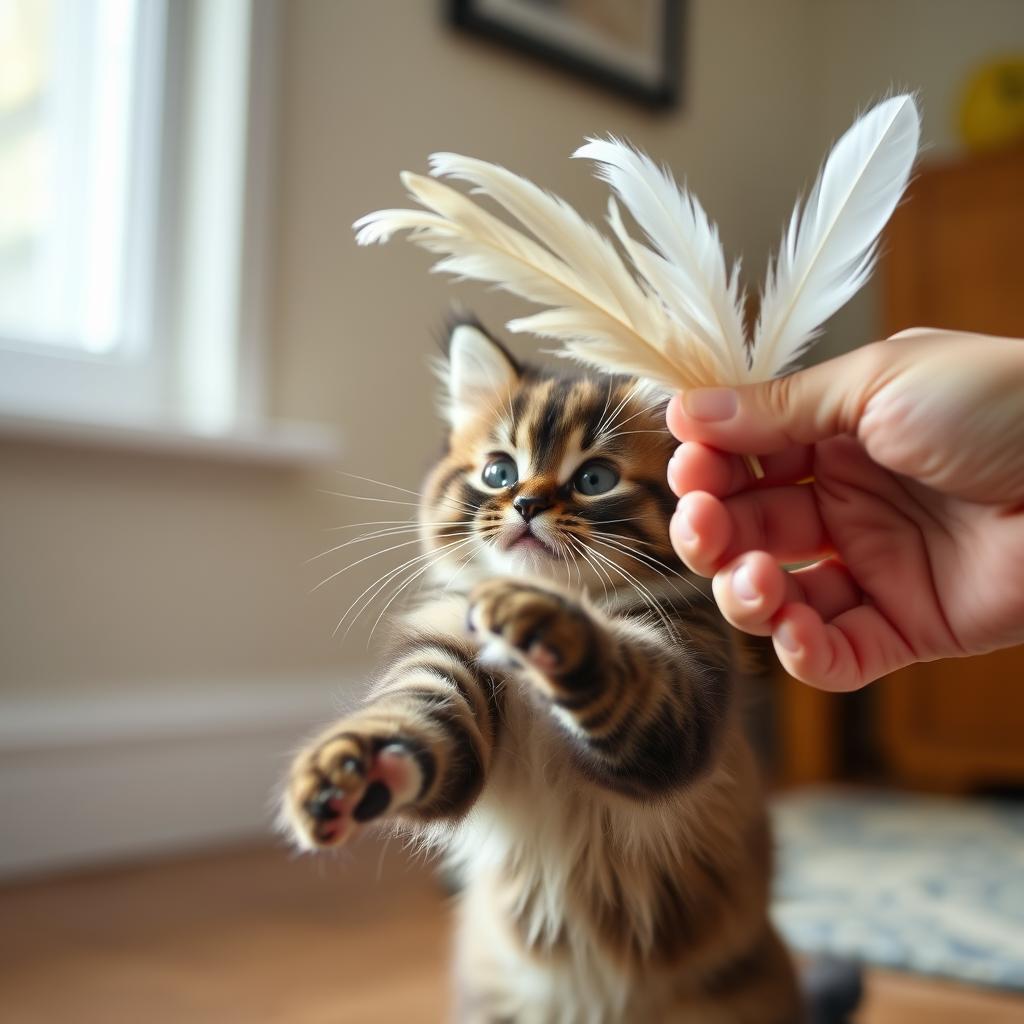
To ensure your Wegie remains happy and healthy, incorporate ample opportunities for play and exploration into their daily routine. Tall cat trees are a must, as these cats naturally love to survey their territory from elevated vantage points. Consider installing wall-mounted shelves or creating a secure catio for safe outdoor access and extensive climbing opportunities. Engaging in interactive play sessions using wand toys or laser pointers (used responsibly, always ending with a tangible toy reward) are excellent ways to satisfy their hunting drive and provide essential exercise.
Puzzle feeders are also an incredibly effective tool for engaging their intelligent minds. These toys dispense treats or kibble when manipulated correctly, promoting problem-solving skills and encouraging slower eating. This type of enrichment is crucial for preventing boredom and potential weight gain, especially for indoor cats. Exploring resources on cat behavior and enrichment techniques can significantly elevate your cat's quality of life.
Vocalization
Norwegian Forest Cats are not typically known for being overly vocal. They communicate using a pleasant range of soft trills, chirps, and gentle meows. While they will certainly vocalize when they want something, such as mealtime or attention, they are not prone to constant, loud meowing. This relatively quiet nature can be a significant appeal for owners who prefer a less vocally active feline companion.
Grooming and Coat Care
The Norwegian Forest Cat's magnificent double coat is expertly designed to withstand harsh climates. It consists of a dense undercoat and long, water-repellent guard hairs. While this coat is undeniably beautiful, it does require regular grooming to prevent mats and tangles, particularly during warmer months when shedding may increase. Aim for brushing sessions 2-3 times per week. During periods of heavy seasonal shedding, you may need to increase this to daily brushing.
Regularly inspect your cat's coat for any signs of matting or skin irritation. If you notice excessive shedding, bald patches, or any skin concerns, it's always wise to consult with your veterinarian. Proper nutrition and a balanced diet also play a significant role in coat health. You can find more information on this topic in our cat health care section.
Training and Socialization for Your Wegie
While cats are not trained in the same way as dogs, Norwegian Forest Cats are intelligent enough to learn basic commands and desirable behaviors. Positive reinforcement methods are the most effective approach. Utilizing treats, verbal praise, and play as rewards can effectively encourage desired actions.
Litter Box Habits
Most Norwegian Forest Cats are naturally meticulous about their hygiene and readily take to litter box training. It is important to provide a sufficiently large litter box, as these are substantial cats. Position the box in a quiet, easily accessible location, ensuring it is kept separate from their food and water bowls. Consistent and regular cleaning of the litter box is essential for preventing accidents outside the designated area. If you observe any changes in your cat's litter box habits, it can sometimes signal stress or an underlying health issue, in which case a veterinary check-up is recommended.
Harness Training
Many owners enjoy the experience of taking their Norwegian Forest Cats on supervised outdoor excursions. Harness training can be a rewarding endeavor. It is best to begin this process early with kittens, using a comfortable, properly fitting harness. Allow them to wear it for short durations indoors, associating the experience with positive reinforcement like treats or engaging playtime. Gradually increase the time they wear the harness and then introduce the leash. Always supervise outdoor excursions and ensure the environment is safe from potential hazards and predators. This offers them a secure way to explore the world beyond their home, directly engaging their curious nature.
Recognizing Behavioral Changes
From a behaviorist's standpoint, I always stress the importance of observing your cat's normal behavior patterns to effectively identify deviations. Changes in a Norwegian Forest Cat's typical routine, such as increased hiding, reluctance to jump, alterations in appetite, or changes in vocalization, can be indicators of discomfort or illness. For example, a cat that suddenly avoids jumping onto its favorite high perch might be experiencing joint pain, a condition that can become more prevalent as cats age. In such instances, environmental modifications, such as adding ramps or steps, can be highly beneficial. Always consult your veterinarian if you notice significant changes in your cat's behavior, as these can often be early warning signs of health concerns.
Health Considerations for Norwegian Forest Cats
Norwegian Forest Cats are generally considered a robust and healthy breed, largely due to their natural origins and hardy development. However, like all breeds, they can be predisposed to certain genetic conditions. Responsible breeders diligently screen their cats for these potential issues.
Some common health considerations to be aware of include hip dysplasia and hypertrophic cardiomyopathy (HCM). Hip dysplasia is a condition that affects the hip joint, and while it can occur in any large breed, it is something to monitor, particularly as your cat ages. HCM is a cardiac condition that can affect numerous cat breeds. Regular veterinary check-ups are vital for the early detection and effective management of any potential health problems.
While specific breed predispositions exist, a significant portion of your cat's overall health hinges on excellent daily care. This encompasses providing a high-quality diet, ensuring adequate hydration, maintaining a healthy weight through consistent exercise and mindful portion control, and attending regular veterinary check-ups. Focusing on proactive health care is undeniably the most effective strategy for ensuring a long and fulfilling life for your Norwegian Forest Cat.
Aging Gracefully
As your Norwegian Forest Cat enters their senior years, you may notice changes in their behavior. They might sleep more, become less active, or require more assistance with their grooming routine. Providing a comfortable, easily accessible resting place and ensuring their litter box is simple to enter are important environmental adjustments. Senior cats can also benefit from a specialized diet formulated for older felines. If your senior Wegie exhibits a loss of appetite, lethargy, or signs of discomfort, a prompt veterinary consultation is essential.
Conclusion
The Norwegian Forest Cat is a breed that truly offers a delightful combination of playful curiosity, affectionate companionship, and striking physical beauty. Their wonderfully balanced temperament makes them a joy to live with, whether you have a bustling family or a more serene household. By understanding their behavioral needs, providing ample enrichment, and adhering to sound health practices, you can ensure your Wegie thrives for many years to come. These magnificent cats stand as a testament to the enduring appeal of feline companionship, solidifying their position as a beloved choice for cat enthusiasts everywhere.
Frequently Asked Questions
Are Norwegian Forest Cats good with children?
Yes, Norwegian Forest Cats generally have a patient and gentle temperament, making them excellent companions for families with children. They can adapt well to the playful nature of kids, provided the children are taught to interact respectfully with the cat.
Do Norwegian Forest Cats need a lot of grooming?
While their beautiful double coat requires regular grooming, it is not excessively high-maintenance. Brushing a few times a week helps prevent mats and keeps their coat healthy. They do shed seasonally, so more frequent brushing might be needed during those times.
Are Norwegian Forest Cats vocal?
Norwegian Forest Cats are not typically known for being excessively vocal. They tend to communicate with softer chirps and trills rather than loud meows. They will vocalize when they want something, but it's usually not constant.
How much exercise do Norwegian Forest Cats need?
These cats are moderately active. They enjoy climbing, exploring, and playing interactive games. Providing vertical spaces like cat trees and engaging toys will satisfy their need for mental and physical stimulation.