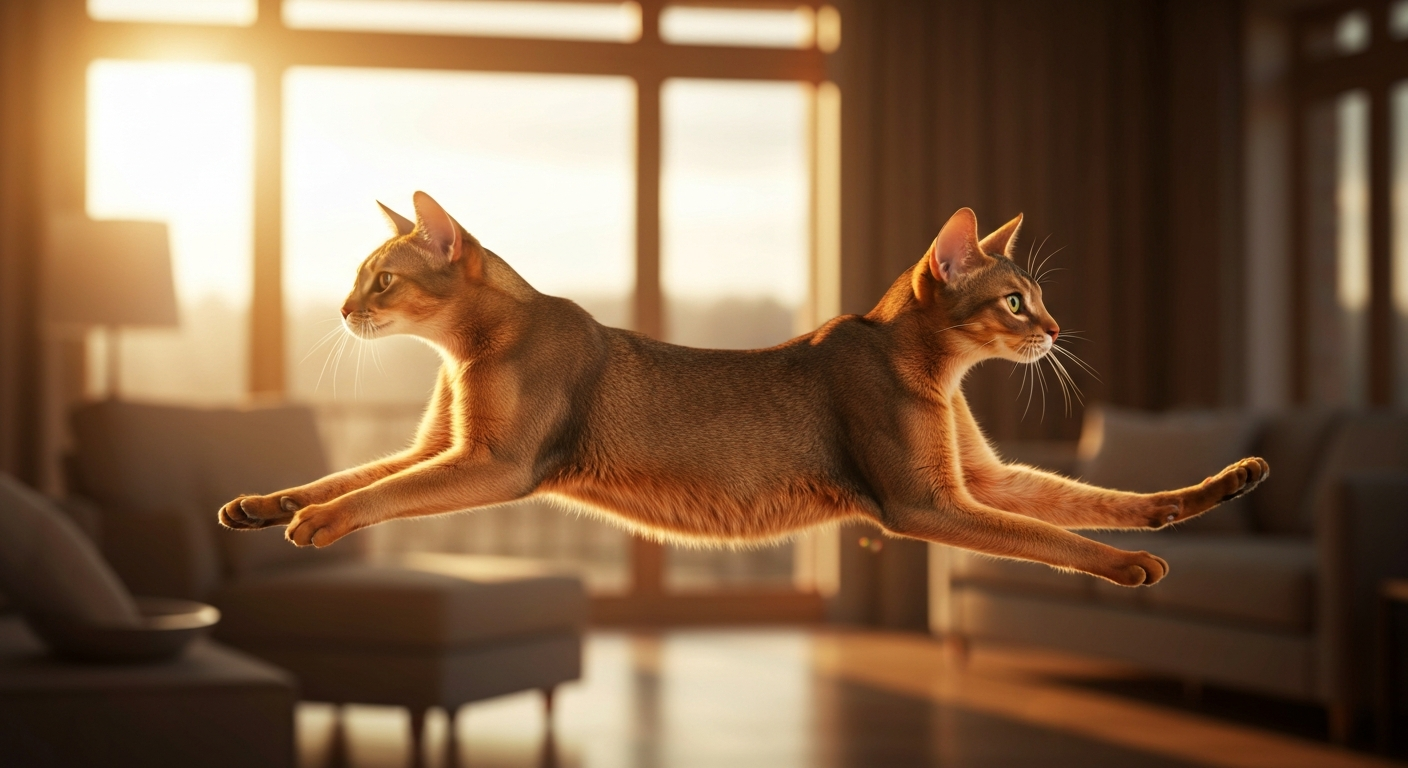
If you dream of a quiet, sedentary cat who spends the entire day napping on the sofa, the Abyssinian is probably not the breed for you. These athletic, elegant cats combine a striking, wild appearance with an affectionate, deeply playful nature. They are highly active, intensely curious, and exceptionally smart.
Throughout my career as a feline behaviorist, I have worked with almost every type of cat personality, but Abyssinians always stand out. They do not just live in your home; they actively participate in your life. In this guide, we will explore their unique behaviors, environmental needs, and training strategies to help you decide if this active, highly engaging breed is the perfect match for your household.
Abyssinian breed overview
Before diving into training and enrichment, it helps to understand this breed's fascinating background. While they closely resemble the sacred cats painted in ancient Egyptian tombs, genetic evidence suggests modern Abyssinians actually originated along the coast of the Indian Ocean. Today, they are beloved as one of the most athletic and visually stunning cat breeds in the world.
- Average weight:
- 6 to 10 pounds, with females generally being smaller than males
- Coat type:
- Short and dense with distinct ticked bands on each hair
- Lifespan:
- 12 to 15 years
- Energy level:
- Extremely high, requiring daily physical play and mental stimulation
- Social needs:
- High; they prefer being involved in family life and do not do well with long periods of isolation
Abyssinian behavior and temperament
From a behaviorist's perspective, living with an Abyssinian is incredibly rewarding. Their intense curiosity drives everything they do. Open a kitchen cabinet, and they will immediately try to investigate the top shelf. Bring home groceries, and they must personally inspect every single bag. This hands-on curiosity is not mischief; it is simply how they navigate their world.
Unlike more laid-back breeds that prefer to watch from afar, Abyssinians want to be direct partners in your daily routine. They form exceptionally close bonds with their families, but they rarely sit still on a lap for long. Instead, they show affection in motion: rubbing against your hands, giving enthusiastic head-butts, or perching on your shoulder like a parrot while you type on your laptop.
Because they are so brilliant, they require a lot of mental engagement. In high-energy breeds, unmet mental needs quickly turn into unwanted behaviors. If they do not have a positive outlet, they will find their own entertainment, which often means scratching the furniture, opening cabinets, or knocking loose items off countertops. Understanding this aspect of cat behavior is the key to keeping your home peaceful and your cat happy.
If you share your home with other animals, the Abyssinian's social nature makes integration relatively straightforward. They typically get along well with other energetic cats and cat-friendly dogs. However, their intense play drive can easily overwhelm a quiet, senior pet who just wants a calm environment. Using slow, positive introductions and ensuring your resident pets have dedicated safe zones will help keep the peace.
Training and mental enrichment
Abyssinians respond incredibly well to positive reinforcement training. Teaching them new behaviors is not just a fun trick; it is a vital part of their daily care that keeps their minds sharp and focused.
Clicker training is an exceptionally powerful tool for this breed. By pairing a distinct sound with high-value rewards, you can teach your cat to sit, target a wand, or even play fetch. This structured play channels their excess energy and strengthens your bond.
Keep your sessions short and engaging, ideally lasting just three to five minutes. They learn rapidly and will lose interest if a task becomes too repetitive. Focus on one simple behavior at a time, like sitting before meals, before moving on to advanced challenges like home agility courses.
Harness training is another fantastic option. Many Abyssinians love exploring the great outdoors safely. With a secure harness and patient, step-by-step practice indoors first, you can eventually enjoy walks in a quiet yard or park, providing rich sensory stimulation.
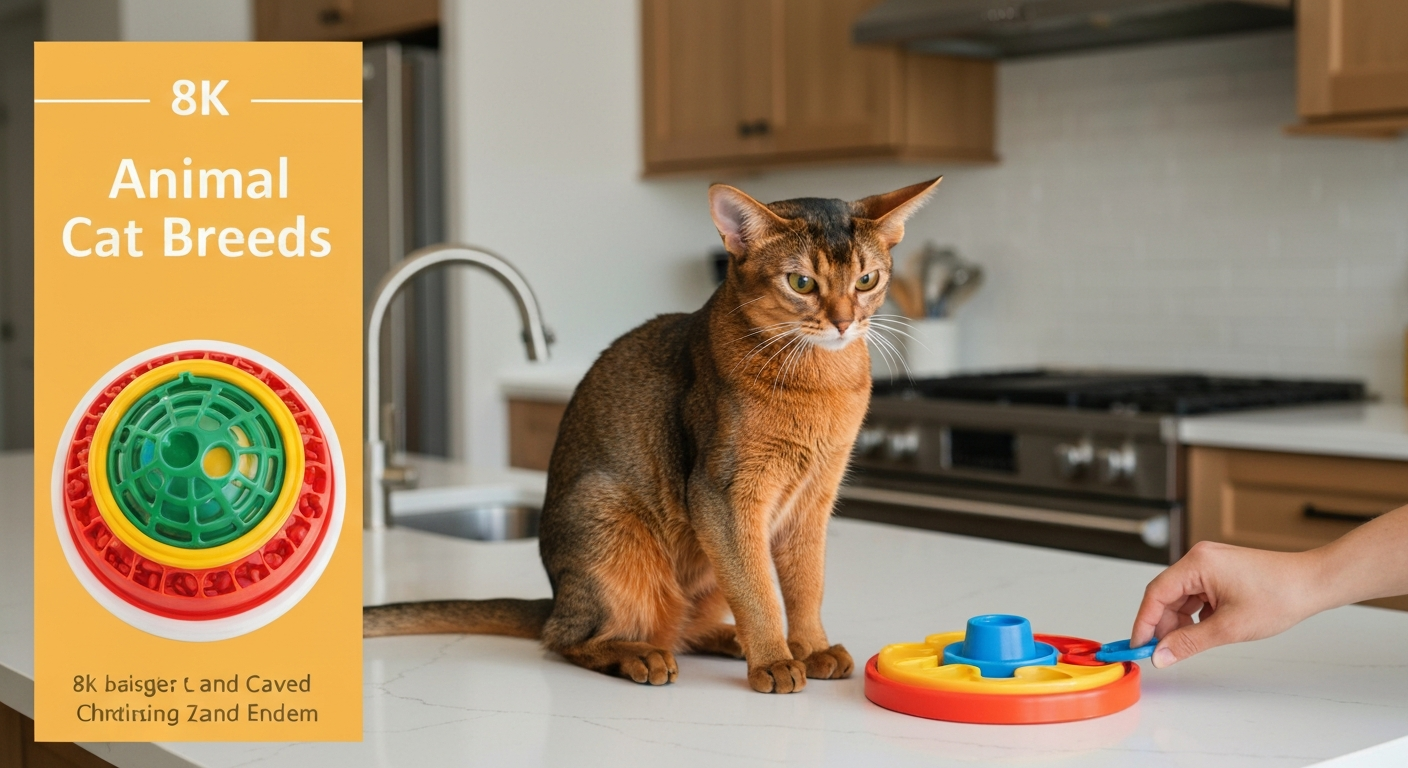
Puzzle feeders are also highly recommended. Instead of using a standard food bowl, let your cat hunt for their meals. Rolling food dispensers, stationary mazes, and hidden treat puzzles mimic their natural hunting instincts and prevent them from eating too quickly.
Creating a cat-friendly home environment
Your home's layout has a direct impact on your cat's emotional well-being. Abyssinians are natural climbers who feel most secure when they can monitor their territory from a high vantage point. If you do not provide designated vertical spaces, they will find their own, leading them to scale your refrigerator, kitchen cabinets, or tallest bookshelves.
To satisfy this instinct safely, incorporate these vertical elements into your living space:
- Sturdy, ceiling-high cat trees wrapped in thick sisal rope to offer a dedicated outlet for climbing and scratching.
- Wall-mounted cat shelves and runways that let them navigate a room without touching the floor.
- Secure window perches facing a bird feeder or garden to provide endless entertainment while you are away.
- A mix of vertical and horizontal scratching posts placed near their favorite sleeping areas.
Providing vertical territory is a fundamental part of responsible pet ownership. By offering safe climbing alternatives, you respect their biological need to climb while keeping your countertops and fragile decorations safe.
Health, aging, and behavioral clues
While my focus is on behavior rather than clinical medicine, a cat's physical health and daily actions are deeply intertwined. Abyssinians are generally robust, long-lived cats, but they can experience physical discomfort or age-related joint issues over time. For any medical concerns, always work closely with your veterinarian.
As their guardian, your role is to watch for subtle changes in their everyday routines. Because cats instinctively hide physical vulnerability, behavioral shifts are almost always the first indicators of discomfort. Watch closely for these subtle signs:
- Hesitating before jumping onto high surfaces, or using intermediate furniture like chairs as a stepping stool, which often indicates joint stiffness.
- A sudden drop-off in grooming, leading to a dull, unkempt, or matted coat.
- Avoiding the litter box, which is frequently caused by joint discomfort when stepping over high sides, rather than a behavioral issue.
- Increased vocalization, especially overnight, or seeking out unusual hiding spots.
To keep your companion happy and mobile, focus on proactive home care. Feed a high-quality diet, keep them at a healthy weight to protect their joints, and maintain daily, low-impact play sessions. Regular dental care, such as brushing with cat-safe toothpaste, is also incredibly important for their overall health.
The cost of Abyssinian ownership
Providing excellent cat health care, high-quality nutrition, and behavioral enrichment requires a realistic budget. Below is an honest breakdown of the typical expenses associated with this active breed.
| Expense category | Initial setup (one-time) | Estimated annual cost |
|---|---|---|
| Premium cat food | $50 - $100 | $400 - $800 |
| Routine veterinary care and vaccinations | $150 - $300 | $200 - $500 |
| Mental enrichment and climbing gear | $200 - $500 | $100 - $200 |
| Litter, grooming items, and basic supplies | $100 - $150 | $250 - $400 |
| Pet insurance (recommended) | N/A | $300 - $600 |
Is the Abyssinian right for you?
Living with an Abyssinian is an incredibly rewarding, joyful experience, but they are not the ideal fit for every home. They thrive with active owners who can dedicate time to daily play, positive reinforcement training, and high-quality interaction. If you work long hours away from home and do not have other pets to keep them company, an Abyssinian can easily become lonely, stressed, and frustrated.
On the other hand, if you want an affectionate, deeply curious companion who greets you at the door, eagerly learns tricks, follows you from room to room, and fills your days with playful energy, they are an unmatched choice. With patient training, plenty of vertical space, and consistent daily care, your Abyssinian will be a beloved, active member of your family for many years to come.
Frequently Asked Questions
Are Abyssinian cats good lap cats?
Generally, no. Abyssinians are highly active, curious, and energetic. While they are incredibly affectionate and love being close to their owners, they prefer to show their love by participating in your activities, perching on your shoulder, or playing rather than sitting still on your lap.
Do Abyssinian cats get along with dogs?
Yes, Abyssinians typically get along very well with dog-friendly dogs due to their bold, playful, and energetic nature. They often enjoy having a playmate who can keep up with their active lifestyle.
How do I know if my Abyssinian cat is bored?
Boredom in Abyssinians often manifests as unwanted behavior, such as knocking objects off shelves, opening cabinets, scratching furniture, or vocalizing excessively. Providing puzzle feeders, vertical spaces, and daily clicker training can prevent these behaviors.