
The Manx is easily recognized by its friendly personality, rounded hips, and signature tailless look. These cats have a sturdy, compact build that carries a surprising amount of muscle. Because of this heavy-set frame, managing their daily diet and weight is incredibly important. Even a small amount of extra weight can quickly impact their physical comfort and behavior.
As a pet behaviorist, I always look at the deep connection between physical health and behavior. What a cat eats directly impacts their energy levels, mobility, and social interactions. In this guide, let us explore how to choose the right diet to support their specific body type, protect their joints, and keep them happy and active.
Nutritional Needs of Manx Cats
Like all domestic cats, Manx cats are obligate carnivores. They require high-quality animal proteins and healthy fats, rather than plant-based carbohydrates, to thrive. Given their stocky build, they need nutrient-dense food that supports lean muscle mass without leading to unwanted weight gain. Look for recipes where named animal proteins like chicken, turkey, or salmon are listed as the first ingredient.
Hydration is equally critical. Because cats have a naturally low thirst drive, they rely heavily on their food for moisture. Introducing wet food or high-quality canned meals into their daily routine is an excellent way to support kidney function and urinary tract health, which are vital components of preventive cat health care.
How Diet Affects Behavior and Joint Comfort
The skeletal structure of a Manx is entirely unique. A shorter spine and the absence of a tail mean their lower back and hindquarters are more vulnerable to pressure and strain. When a Manx carries even a small amount of extra weight, joint stress increases rapidly. Rather than showing an obvious limp, they may express discomfort through subtle behavioral changes.
Because cats are experts at hiding pain, behavioral shifts are often your first clue. Watch for these common signs of physical discomfort:
- Hesitating or refusing to jump onto favorite elevated spots, like windowsills or couches
- Hiding in quiet, ground-level spaces rather than socializing with family members
- Using the restroom outside the litter box, which often happens when stepping over a high entry becomes painful
- Showing irritability or pulling away when petted near their lower back or hips
- Neglecting their self-grooming, leading to matting or a messy coat around their hindquarters
Maintaining an ideal body weight is one of the most effective ways to protect your cat's long-term mobility. If you notice any of these behavioral shifts, consult your veterinarian for a gentle physical evaluation and a tailored weight-management plan. To understand more about what your companion's actions are telling you, explore our guide to cat behavior.
Selecting the Right Food for Your Manx
Balancing dry kibble with high-quality wet food can make a significant difference in your cat's daily energy levels and long-term health. While kibble offers convenience, wet food provides the high moisture content and protein density that these cats require. When evaluating pet food labels, look for ingredients that offer targeted support.
First, prioritize premium animal protein. Ensure named meats like chicken, turkey, or salmon are the primary ingredients, and avoid formulas that rely on corn gluten or soy to artificially boost their protein percentages.
Second, check for essential omega fatty acids. Healthy fats derived from fish oil help soothe joint inflammation while keeping their thick double coat soft and glossy.
Third, avoid unnecessary starches and fillers. Because the Manx has a natural tendency to gain weight, avoiding foods loaded with grains, potatoes, or cheap carbohydrate fillers is crucial to keeping them lean.
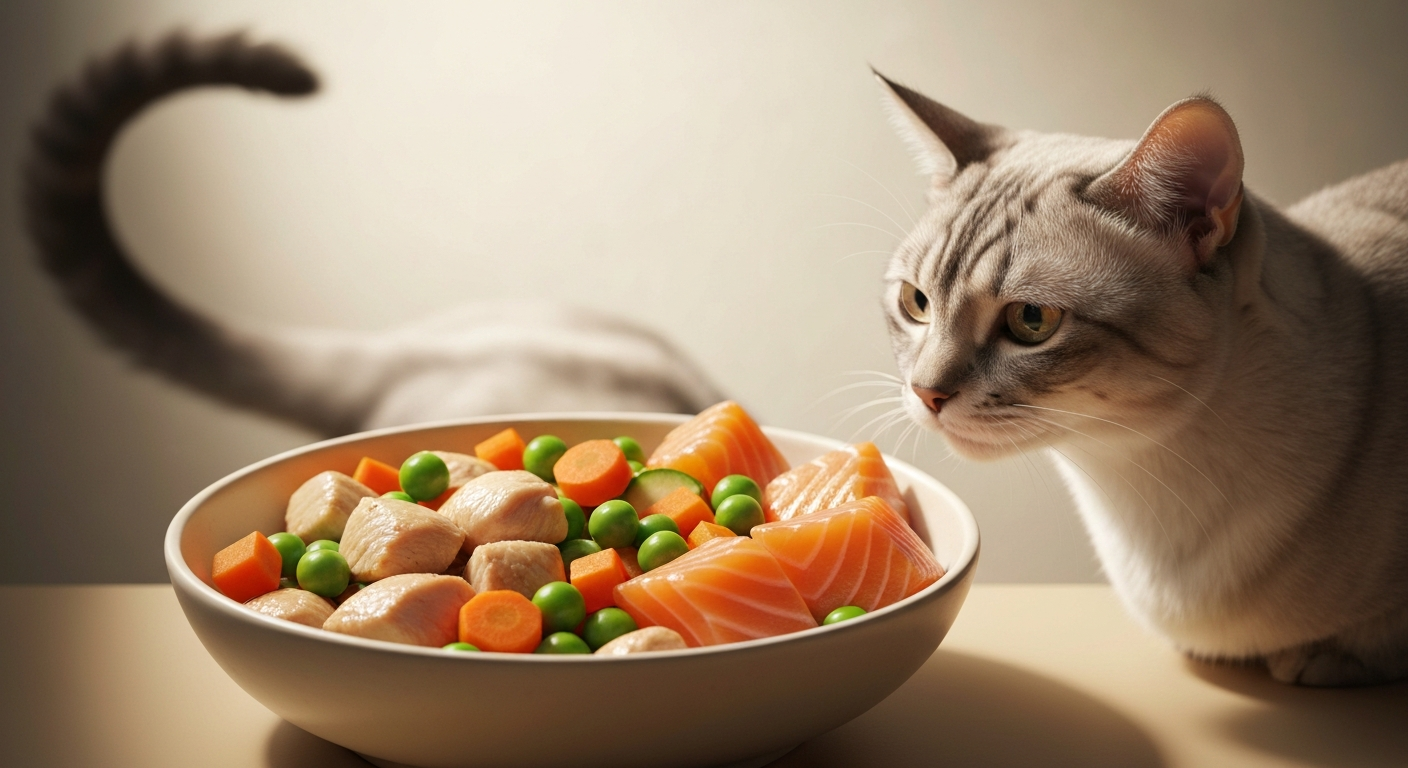
Lastly, look for natural joint protectants. Ingredients like glucosamine and chondroitin offer outstanding preventative support for their unique lower back and hips as they age.
Managing Portions and Feeding Schedules
Due to their naturally stocky, rounded build, it can be challenging to distinguish between healthy muscle and excess weight. Free-feeding, or leaving a bowl of dry kibble out all day, often leads to overeating. Implementing structured, portion-controlled meals allows you to track exactly how much fuel your cat receives daily.
You can also introduce interactive feeders to slow down their eating and provide mental stimulation. Food puzzles, lick mats, and slow-feed bowls encourage your cat to hunt for their food, satisfying their predatory instincts while burning excess energy.
| Life Stage | Daily Caloric Needs | Primary Nutritional Focus | Recommended Feeding Routine |
|---|---|---|---|
| Kittens (under 1 year) | 200 to 350 kcal depending on size | Nutrient-dense proteins and healthy fats to support active growth | Three or four small meals of mixed wet and dry food daily |
| Adults (1 to 10 years) | 180 to 240 kcal for an average 10-pound cat | Balanced nutrition to protect joints and maintain lean muscle | Two portion-controlled meals, emphasizing wet food |
| Seniors (10 years and older) | 160 to 200 kcal depending on their activity level | Easy-to-digest proteins with added joint support | Two or three small, slightly warmed wet meals to encourage eating |
Simple Ways to Support Digestion and Comfort
Some tailless cats experience unique digestive sensitivities or irregular bowel movements due to their conformation. Adding a touch of natural fiber is a wonderful, gentle way to keep their digestion moving smoothly. A spoonful of plain canned pumpkin puree mixed into their wet food is an easy, highly effective solution.
Beyond nutrition, minor environmental adjustments can dramatically improve their physical comfort. Consider placing pet ramps next to their favorite couches or beds, switching to a low-sided litter box for easier access, and raising their food and water dishes slightly off the floor to reduce spinal strain. For more practical tips on setting up a supportive home environment, explore our extensive library of cat guides.
Focusing on nutrient-rich ingredients, controlled portion sizes, and gentle daily play helps these extraordinary cats maintain their strength and agility. Taking these simple, proactive steps is the best way to keep your tailless companion comfortable, happy, and thriving by your side.
Frequently Asked Questions
Should a Manx cat eat dry or wet food?
A combination of both is ideal, but wet food should be the priority. Wet food provides crucial hydration that supports urinary health and helps prevent weight gain, which is essential for protecting a Manx's sensitive spine.
How can I tell if my Manx cat is overweight?
You should be able to feel your cat's ribs easily under their fur without a thick layer of fat. A healthy Manx should also have a visible waistline when viewed from above, though their natural round shape can make this slightly harder to see than in other breeds.
Why does my Manx cat struggle with jumping?
Due to their unique short spine and lack of a tail, Manx cats can experience spinal discomfort or joint strain if they carry extra weight. If your cat is reluctant to jump, it is a behavioral sign of pain, and you should consult your veterinarian.