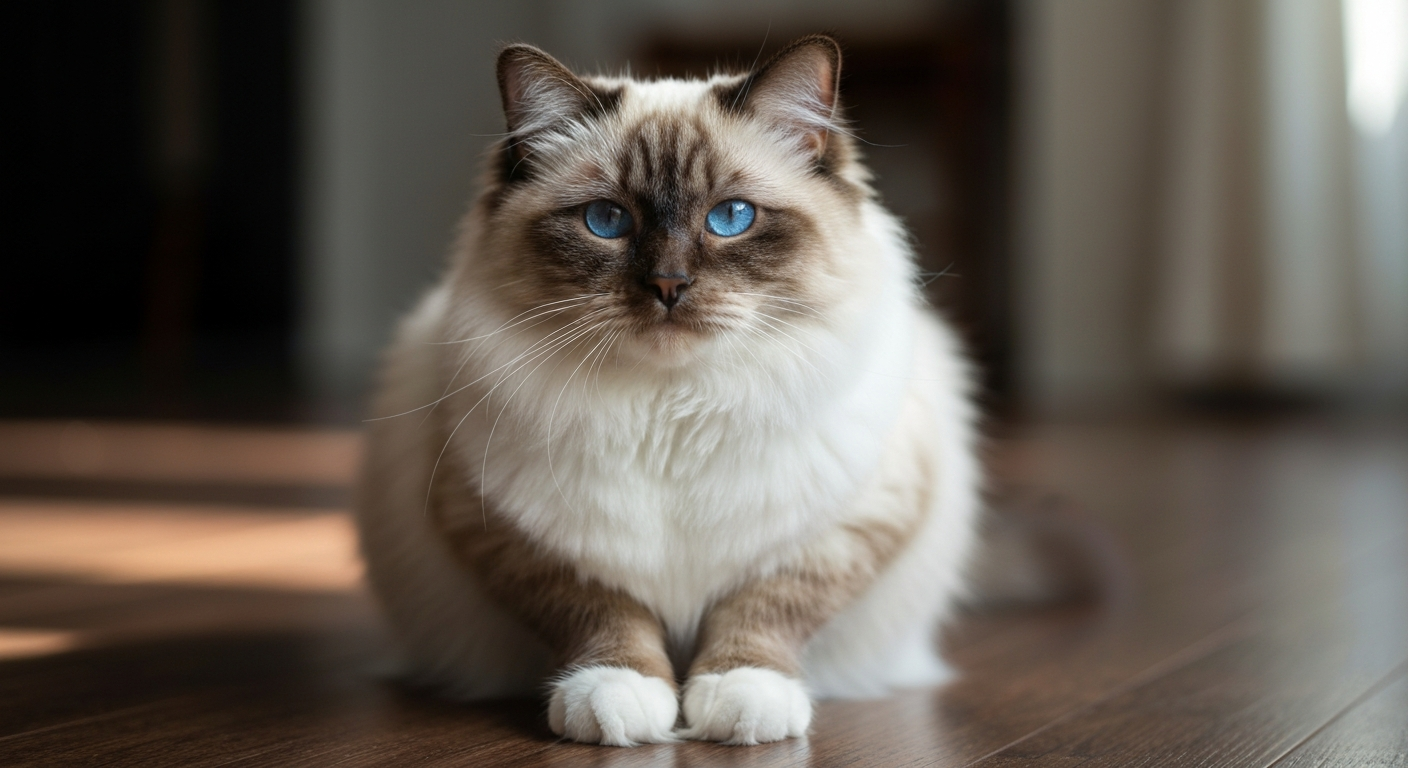
Welcome to the enchanting world of the Birman cat, a breed steeped in legend and adorned with breathtaking beauty. With their piercing sapphire eyes, luxurious colorpoint coat, and signature white-gloved paws, it's no wonder they're often called the "Sacred Cat of Burma." But beneath that regal exterior lies a soul of pure gold—a gentle, affectionate, and intelligent companion. If you're looking for a cat that combines the elegance of a Siamese with the placid nature of a Persian, you've come to the right place. This complete Birman cat breed profile will guide you through everything you need to know about these captivating felines.
History and legend of the sacred cat
The Birman's history is as magical as the cat itself. Legend tells of the Kittah priests in ancient Burma (modern-day Myanmar) who worshipped a golden-eyed, white goddess named Tsun-Kyan-Kse. In the Temple of Lao-Tsun, a head priest named Mun-Ha had a beloved white cat companion named Sinh. During a raid on the temple, Mun-Ha was killed. As he lay dying, Sinh placed his paws on his master's head and faced the goddess's statue. Miraculously, the cat's body turned a golden color, his eyes turned a deep sapphire blue like the goddess's, and his legs turned brown. His paws, where they touched the priest's sacred white hair, remained a pure, snowy white—a symbol of purity. All the other temple cats underwent the same transformation, becoming the first Birmans.
While a beautiful story, the Birman's modern history begins with their arrival in France around 1919. The breed was nearly wiped out during World War II, but dedicated breeders worked tirelessly to preserve these stunning cats, and today they are beloved across the globe.
The unmistakable Birman appearance
The Birman is a masterpiece of feline genetics, a perfect balance of substance and elegance. They are a medium-to-large cat with a stocky, powerful body, but their features are soft and rounded. Here's what makes them stand out:
- The Coat:
- Birmans have a single, silky, semi-longhaired coat that feels incredible to the touch. It's renowned for being less prone to matting than double-coated breeds like Persians. They have a beautiful ruff around the neck and a fluffy, plumed tail.
- Coloration:
- Like Siamese cats, Birmans are a pointed breed. This means their body is a lighter color (typically a pale cream or eggshell) while their "points"—the face, ears, legs, and tail—are a darker, contrasting color. Common point colors include seal, blue, chocolate, lilac, red, and cream.
- Sapphire Eyes:
- One of their most captivating features is their deep, almost round, sapphire-blue eyes. This is a breed standard, and the deeper the blue, the better.
- White 'Gloves' and 'Laces':
- The true hallmark of a purebred Birman is their four pure white paws, known as "gloves." The gloves must be symmetrical. On the back paws, these gloves extend up the back of the leg in a point, called "laces." This distinct feature sets them apart from other colorpoint breeds like the Ragdoll.
Temperament: A gentle, intelligent companion
If you're looking for a feline friend who is both a loving lap cat and a curious playmate, the Birman is an excellent choice. They are known for their docile, sweet-tempered nature. They form strong bonds with their families but are not overly demanding or loud like some other breeds.
- Affectionate but not clingy: A Birman will happily follow you from room to room, offering quiet companionship. They love a good cuddle but are also content to simply be in your presence.
- Intelligent and curious: These are smart cats. They enjoy puzzle toys and interactive games that challenge their minds. Their curiosity means they'll want to be involved in whatever you're doing, whether it's "helping" you type or supervising the groceries being put away.
- Family-friendly: Their patient and gentle demeanor makes them fantastic pets for families with children and other animals, including cat-friendly dogs. As with any animal, introductions should be slow and supervised. Understanding typical feline social structures is key; you can learn more about decoding cat behavior to ensure a smooth transition.
- Quietly playful: Birmans have a playful side, but they aren't going to be swinging from the curtains. They enjoy a good session with a feather wand or chasing a toy mouse before settling down for a long nap.
Birman care and grooming needs
Despite their glamorous coat, Birmans are surprisingly low-maintenance. Their single-layer fur doesn't mat easily, but it still benefits from regular care to keep it looking its best.

Grooming and nutrition
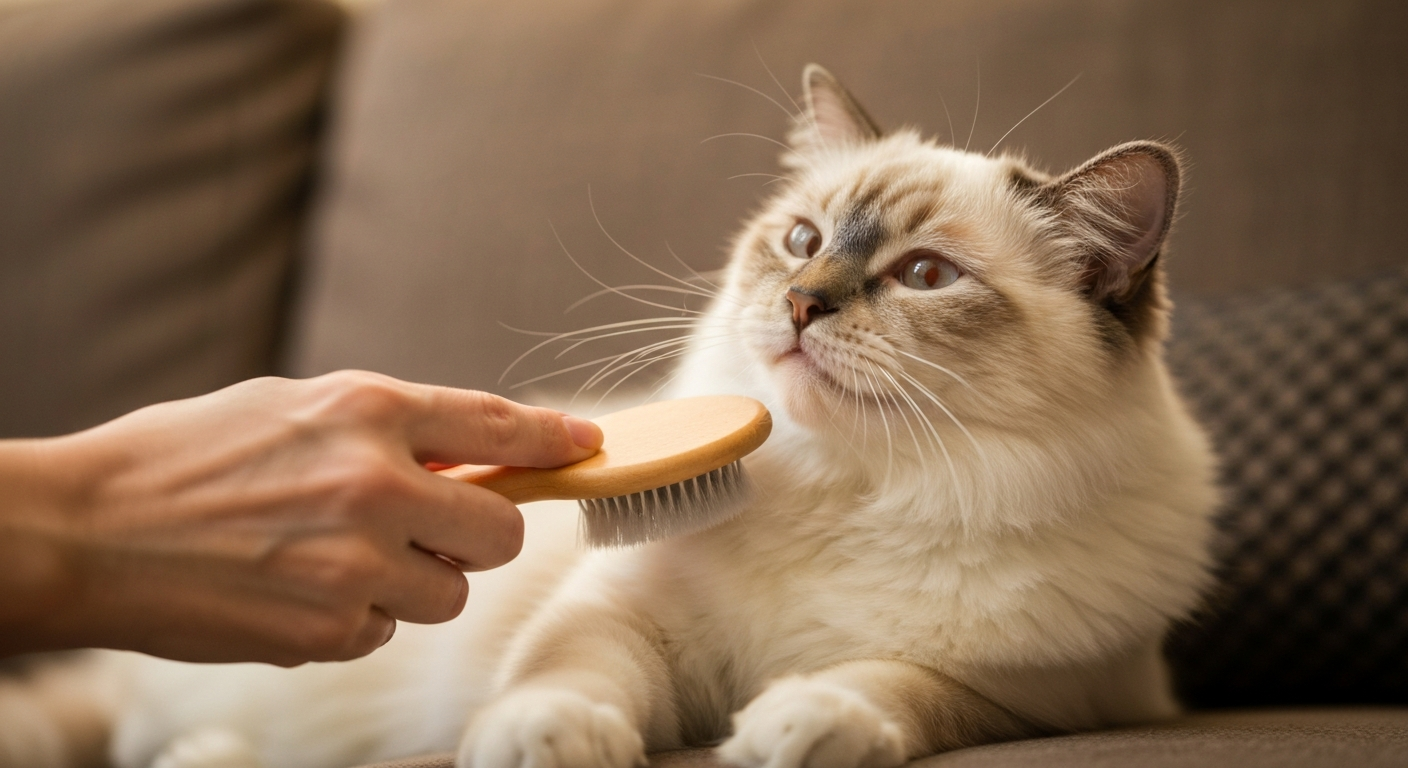
A good combing once or twice a week is usually sufficient to remove loose hair and prevent any tangles. This also becomes a lovely bonding ritual. Like all cats, they require regular nail trims and dental care.
When it comes to diet, a high-quality cat food rich in protein is essential. This supports their strong, muscular build and keeps their silky coat healthy. Always ensure fresh water is available. Proper nutrition is the cornerstone of a long, healthy life, and understanding your cat's dietary needs is a huge part of responsible feline health care.
Health and lifespan
Birmans are generally a robust and healthy breed with an average lifespan of 12 to 16 years, with many living even longer. However, like all purebreds, they can be predisposed to certain genetic conditions. Reputable breeders will screen their breeding stock for common issues, which can include:
- Hypertrophic Cardiomyopathy (HCM): A common heart condition in many cat breeds where the heart muscle thickens.
- Kidney Disease: Polycystic Kidney Disease (PKD) has been noted in the breed, though responsible breeders are working to eliminate it.
Regular veterinary check-ups are crucial for catching any potential issues early and keeping your Birman happy and healthy for years to come.
The cost of a Birman cat in 2026
Bringing a Birman into your life is a significant investment in both time and money. It's important to budget not just for the initial purchase price but also for a lifetime of care. Here’s a breakdown of potential costs in 2026:
| Cost Category | Estimated Cost (USD) | Notes |
|---|---|---|
| Kitten Price (from a Breeder) | $1,000 - $2,500+ | Varies based on breeder reputation, lineage, color, and location. Includes initial vaccinations and health checks. |
| Initial Setup Costs | $300 - $600 | Includes litter box, food/water bowls, scratching posts, toys, carrier, and initial vet visit. |
| Annual Food & Litter | $600 - $1,200 | Depends on the quality of food and type of litter you choose. |
| Annual Vet Care & Insurance | $500 - $900 | Includes routine check-ups, vaccinations, flea/tick prevention, and pet insurance premiums. |
| Total First-Year Estimate | $2,400 - $5,200 | This is an estimate; costs can vary significantly. |
Is a Birman the right cat for you?
The Birman is an exceptional companion, but they aren't for everyone. This breed thrives in a stable, loving environment where they can be part of the family. They are perfect for individuals, couples, or families who are home often and can provide the affection and gentle playtime they crave. If you are seeking a quiet, devoted, and beautiful feline friend who will greet you at the door and warm your lap, the Birman might just be your perfect match.
Ultimately, choosing a pet is a long-term commitment. For more guidance on what to consider before bringing a new animal home, explore our guides on responsible pet ownership. The Sacred Cat of Burma is a true gem, offering endless love and serene companionship to the right home.
No, their single coat requires only weekly brushing, and their temperament is generally easy-going. They are less demanding than some other long-haired breeds. Yes, with proper introductions, Birmans are known for their gentle and patient nature, often forming strong bonds with family dogs, other pets, and respectful children. From a reputable breeder, a Birman kitten typically costs between $1,000 and $2,500, depending on lineage, color, and location. This does not include ongoing annual care costs.Frequently Asked Questions
Are Birman cats high maintenance?
Do Birman cats get along with dogs and children?
How much does a Birman cat cost in 2026?