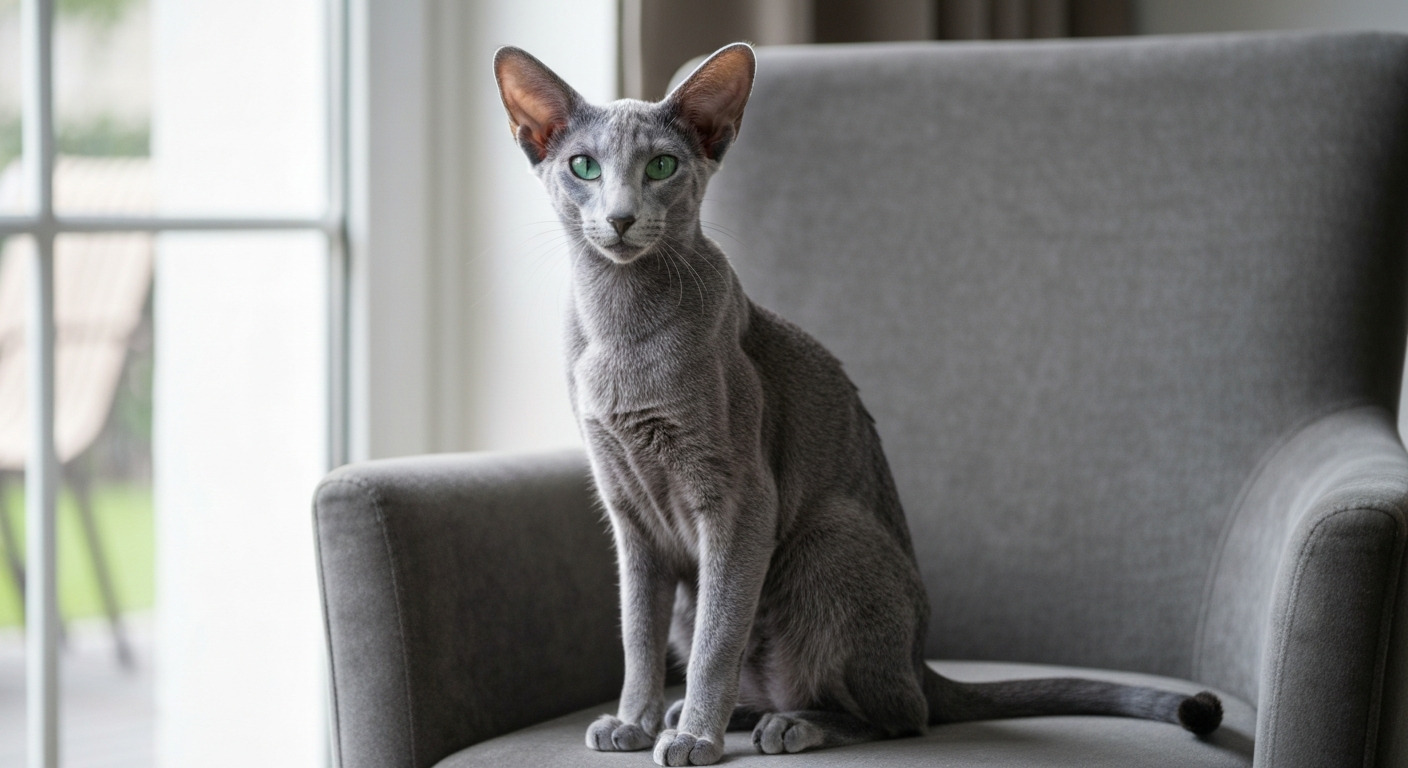
Dreaming of a cat with the elegant intelligence of a Siamese, but in every color imaginable? If that sounds like your perfect feline friend, let me introduce you to the captivating Oriental Shorthair. This breed is more than just a pet; it's a vibrant personality wrapped in a slender, graceful form. With their distinctive large ears, sculpted face, and a coat that comes in hundreds of color and pattern combinations, the Oriental Shorthair is truly a living work of art. Just be ready for a constant companion, a confidante, and an endlessly entertaining furry friend.
The history and origin of this colorful cat
The Oriental Shorthair's story is closely tied to its well-known cousin, the Siamese. After World War II, cat breeders in the United Kingdom aimed to broaden the gene pool and introduce new coat colors. They began mating Siamese cats with other breeds like Russian Blues, Abyssinians, and British Shorthairs. The goal was to keep the Siamese's elegant build and temperament while introducing a wide array of colors, without the characteristic 'pointed' pattern seen in Siamese cats.
These early crossbreedings produced cats without the pointed markings. These cats were then bred back to Siamese. Through this careful and selective breeding, the Oriental Shorthair emerged, a cat with the Siamese body structure and personality, but with a dazzling variety of coat colors and patterns. The breed was officially recognized as distinct in the 1970s and has been charming its way into homes ever since.
Appearance: More than just a colorful Siamese
While their genetic link to the Siamese is clear, the Oriental Shorthair has its own unique appeal. They embody feline grace and athleticism.
- Body:
- Long, slender, and tubular, with fine bones and firm muscles. They feel surprisingly substantial despite their delicate appearance.
- Head:
- A perfectly wedge-shaped head that tapers to a fine muzzle. When viewed from the side, a smooth, straight line extends from the top of the head to the nose tip.
- Ears:
- Remarkably large and splayed, often likened to bat wings. They are broad at the base and extend the lines of the head's wedge shape.
- Eyes:
- Almond-shaped and slanted toward the nose. Most have bright green eyes, though white Orientals may have blue eyes, and some can be 'odd-eyed' (one blue, one green).
- Coat and Colors:
- This is where they truly stand out! Their coat is short, fine, glossy, and lies close to the body. They are recognized in over 300 color and pattern combinations, including solid colors (black, blue, lilac, cinnamon), shaded, smoke, tabby, and bi-color patterns.
The quintessential Oriental Shorthair personality: Intense and interactive
If you're looking for a quiet cat that prefers to keep to itself, the Oriental Shorthair isn't the breed for you. These cats are the extroverts of the feline world. They are exceptionally social, intelligent, and form deep bonds with their human families. An Oriental Shorthair doesn’t just live in your home; they actively participate in every aspect of your life.
A friend who loves to chat
Much like their Siamese ancestors, Oriental cats are very vocal. They have a wide range of sounds and aren't hesitant to use them to tell you about their day, seek your attention, or share their opinions on your activities. They need an owner who appreciates this talkative nature. Understanding how your cat communicates is important. You can learn more about deciphering your cat's behavior to strengthen your connection.
Curious, clever, and constantly in motion
This is a highly intelligent breed that needs constant mental stimulation. They can get bored easily, which might lead to mischievous behavior if their minds aren't kept occupied. Puzzle feeders, interactive toys, and even clicker training are excellent ways to engage their sharp intellect. Many owners report their Orientals learn to play fetch, open doors, and solve complex problems. Their high energy means they're always ready for a game and will often initiate play sessions themselves.
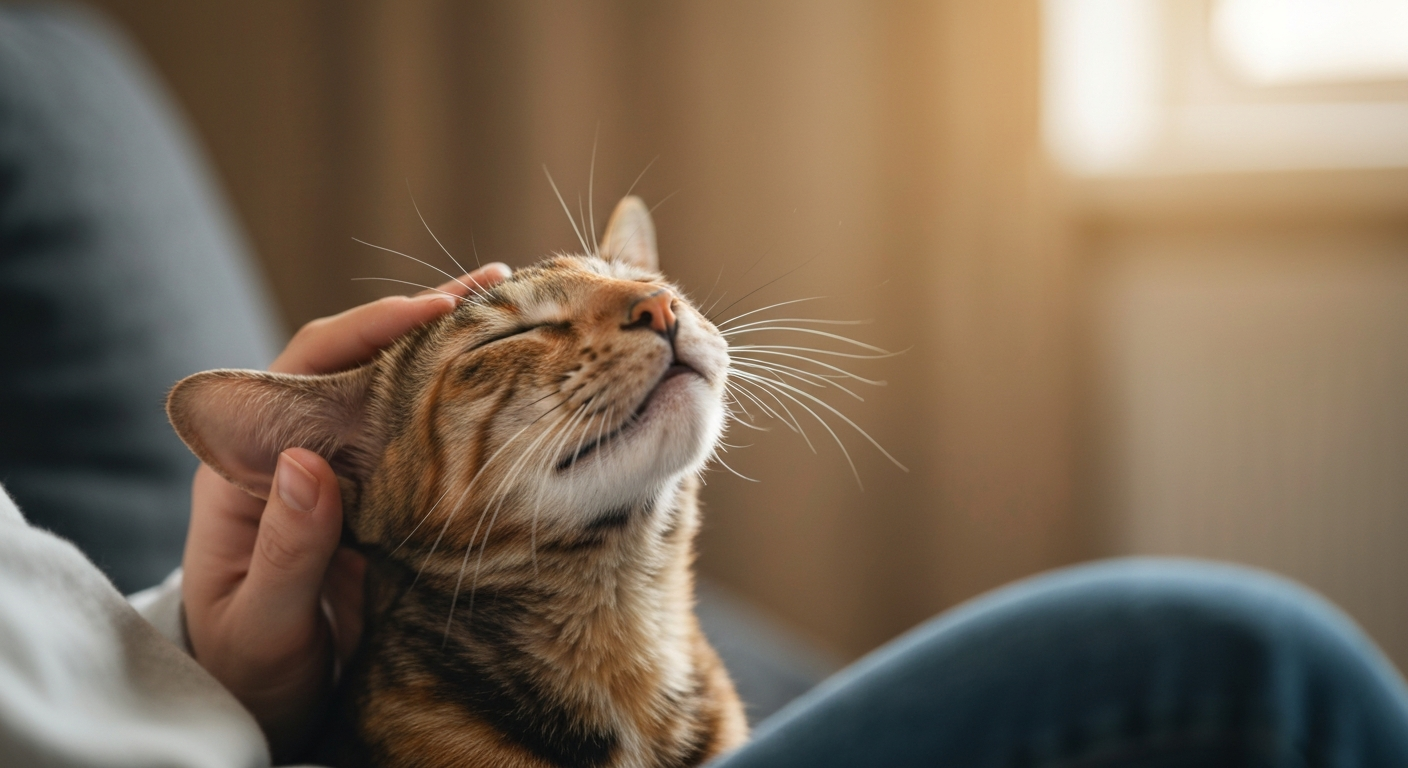
Living with and caring for an Oriental Shorthair
Welcoming an Oriental Shorthair into your home means committing to an active and involved lifestyle. They don't do well when left alone for long periods and can experience separation anxiety. If your household is typically empty for most of the day, consider getting two cats to keep each other company.
Grooming, diet, and exercise
Fortunately, their short, fine coat requires very little maintenance. A weekly wipe with a soft cloth or a quick brush is all that's needed to remove loose fur and maintain their coat's shine. Like all cats, they need a high-quality, protein-rich diet to support their active bodies. Because of their high energy, they need ample space to run and play. Vertical spaces, such as cat trees and shelves, are essential for satisfying their need to climb and perch.
Health and lifespan: What to expect
Oriental Shorthairs are generally a healthy breed with a good lifespan of 12 to 15 years or more. However, due to their close genetic relationship with the Siamese, they can be prone to certain hereditary health issues. Responsible breeders will screen for these conditions, but it's important to be aware of them.
- Progressive Retinal Atrophy (PRA): A genetic eye condition that can lead to vision loss.
- Amyloidosis: A condition where a specific protein deposits in organs, most commonly the liver or kidneys.
- Asthma and Bronchial Disease: Some individuals may be more susceptible to respiratory problems.
- Dental Issues: As with many pedigreed cats, they can be prone to gum inflammation.
Regular veterinary check-ups are vital for identifying and managing any potential health concerns early. Investing in a comprehensive feline health care plan with your veterinarian will help ensure your companion enjoys a long and happy life.
How much does an Oriental Shorthair cost in 2026?
Planning your budget for a new pet is a crucial part of responsible pet ownership. The initial cost of a kitten is just the beginning. Here's an estimate of potential expenses.
| Expense Category | Estimated Cost (USD) |
|---|---|
| Kitten Price (from a reputable breeder) | $1,000 - $2,500+ |
| Initial Vet Visit & Vaccinations | $200 - $400 |
| Spay/Neuter Procedure | $200 - $500 |
| Initial Supplies (litter box, bed, toys, etc.) | $250 - $500 |
| Total Initial Cost | $1,650 - $3,900+ |
| Annual Food Costs | $500 - $800 |
| Annual Vet Check-ups | $150 - $300 |
| Litter | $200 - $400 |
| Pet Insurance (optional but recommended) | $300 - $600 |
| Toys & Enrichment | $50 - $150 |
| Estimated Annual Ongoing Cost | $1,200 - $2,250+ |
Is the Oriental Shorthair the right breed for you?
This breed makes a wonderful, affectionate companion, but they are not suited for everyone. Their need for attention requires a specific type of owner. You might be an ideal match if you want a cat that is deeply involved in your life, offers endless entertainment, and acts more like a family member than just a pet. If you're looking for a more independent, hands-off feline, you might want to explore other cat breeds.
Ultimately, the Oriental Shorthair offers a unique kind of relationship. They give their whole heart to their people, filling the home with conversation, joy, and abundant affection. If you have the time and energy to dedicate to this remarkable breed, you will be rewarded generously with a loyal, loving, and unforgettable friend.
Frequently Asked Questions
Are Oriental Shorthair cats high maintenance?
Physically, they are low maintenance due to their short coat, which requires minimal grooming. However, they are emotionally high maintenance, demanding significant attention, interaction, and playtime from their owners to stay happy.
Do Oriental Shorthair cats get along with dogs?
Yes, their social and confident nature often makes them great companions for cat-friendly dogs, especially when introduced properly and at a young age. They often enjoy having a canine playmate.
How vocal are Oriental Shorthair cats?
Extremely vocal! Like their Siamese relatives, Oriental Shorthairs are known for being chatty cats. They will follow you around, 'talking' about their day, what they want, and everything in between in a variety of chirps, meows, and trills.
What is the price of an Oriental Shorthair kitten?
A pet-quality kitten from a reputable breeder typically costs between $1,000 and $2,500 in 2026. Show-quality cats or those with rare color patterns can be significantly more expensive.