
When you look at a Norwegian Forest Cat, or 'Wegie' as they're affectionately known, you're looking at a piece of living history. With their majestic mane, tufted ears, and large, muscular body, they look like they’ve just stepped out of a Viking saga. This semi-wild heritage isn’t just for show; it dictates everything about them, especially their dietary needs. Feeding these gentle giants isn't about just filling a bowl—it's about fueling a magnificent natural hunter. This guide will walk you through everything you need to create the perfect Norwegian Forest Cat diet for a long and vibrant life.
Understanding the ancestral diet of a forest hunter
To truly understand what your Wegie needs, we have to travel back in time to the harsh, cold forests of Scandinavia. These cats are not a modern, man-made breed. They evolved naturally, surviving by being expert hunters of rodents, birds, and anything else they could catch. This history is baked into their DNA. They are obligate carnivores, meaning their bodies are designed to thrive on a diet of almost exclusively meat.
What does this mean for your fluffy companion napping on the sofa?
- They Crave Protein: Their wild diet was packed with animal protein, the essential building block for their powerful muscles.
- They Need Healthy Fats: Animal fats provided sustained energy and the essential fatty acids needed to maintain their incredibly dense, water-repellent double coat.
- Carbs are a No-Go: A mouse or a bird contains very few carbohydrates. A cat's digestive system is short and not equipped to efficiently process grains or starches.
Understanding these core principles is the first step. Their instincts as hunters are a key part of their personality, influencing everything from their play style to their dietary needs. To learn more about their unique character, exploring general cat behavior can provide fascinating insights into why they act the way they do.
Core nutritional needs of your Wegie
Let's break down the ideal meal for a Norwegian Forest Cat into its key components. When you're scanning the pet food aisle, this is what you should be looking for. Think of it as your Wegie's nutritional checklist.
- High-Quality Animal Protein:
- This should be the star of the show and the #1 ingredient on the label. Look for named sources like deboned chicken, turkey, salmon, or lamb. Protein supports muscle maintenance, which is critical for this large and active breed. Avoid vague terms like “meat by-products.”
- Healthy Animal-Based Fats:
- Fat is not the enemy! It's a vital source of energy. More importantly, Omega-3 and Omega-6 fatty acids (found in fish oil, for example) are crucial for skin health and maintaining that glorious, lustrous coat. A dull, flaky coat is often one of the first signs of a dietary deficiency.
- Minimal Carbohydrates:
- This is where many commercial foods fall short. Cats have no biological need for carbohydrates. Diets high in corn, wheat, soy, and potatoes can lead to weight gain, digestive issues, and even increase the risk of feline diabetes. Opt for grain-free or limited-ingredient formulas.
- Essential Vitamins, Minerals, and Amino Acids:
- Taurine is a non-negotiable amino acid for cats. A deficiency can lead to serious heart conditions and blindness. Commercially prepared foods should always contain it, but it's another reason why a meat-rich diet is so important.
- Moisture Content:
- Cats have a low thirst drive, a holdover from getting most of their water from prey. A diet rich in moisture is essential for supporting urinary tract and kidney health, a cornerstone of overall preventative health care for any feline.
Wet food vs. dry food: the great debate for your Norwegian Forest Cat
The choice between wet and dry food can feel overwhelming, but it's one of the most impactful decisions you'll make for your Wegie's health. Both have their pros and cons, and the best solution is often a combination of the two.
The powerful case for wet food
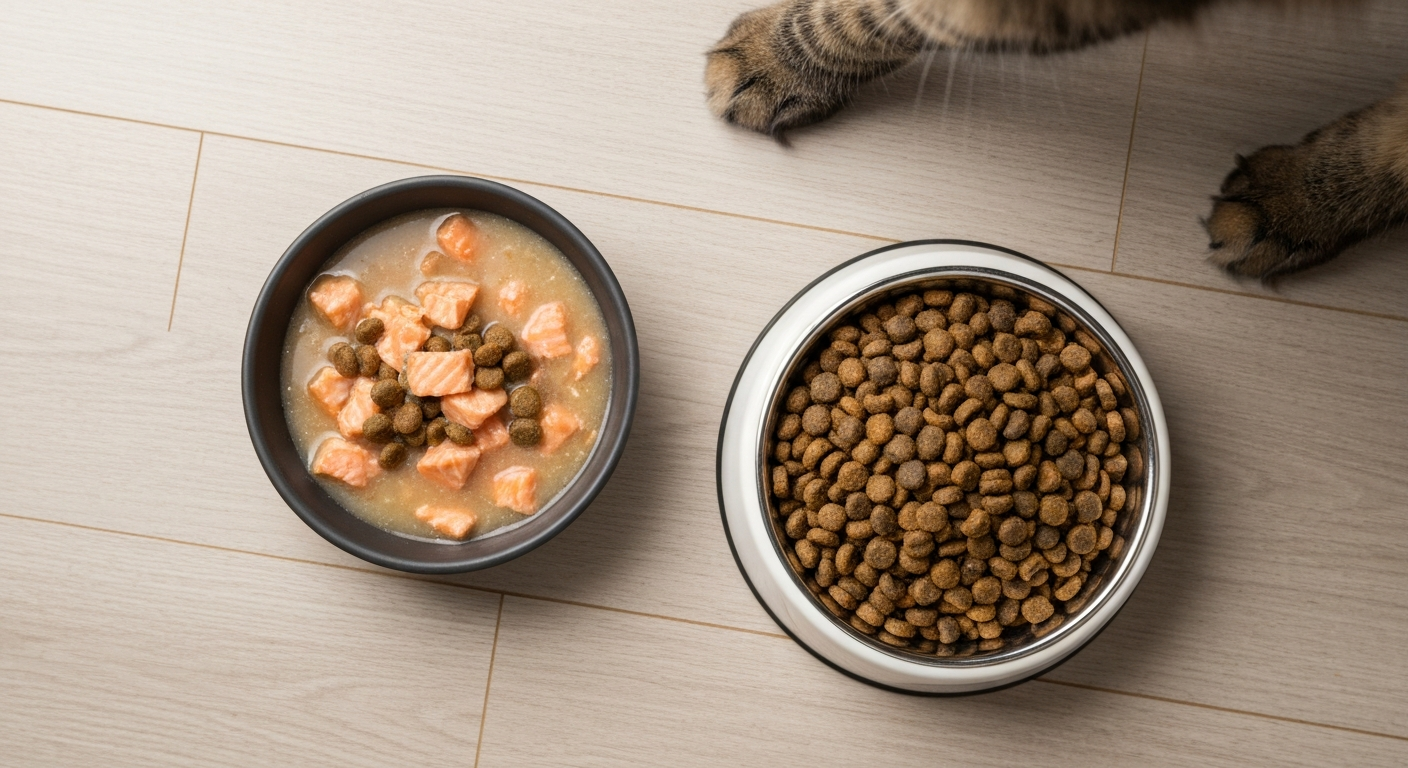
For an obligate carnivore, wet food is almost always nutritionally superior. Its high moisture content (often 75% or more) is fantastic for hydration and kidney function. Furthermore, canned and pouched foods are typically higher in protein and lower in carbohydrates than their dry kibble counterparts, more closely mimicking that ancestral diet we talked about.
The convenience of dry food (kibble)
There's no denying the convenience of dry food. It's easier to store, less messy, and more budget-friendly. Some proponents also claim the crunchy texture helps scrape tartar from teeth, though this benefit is often overstated—it’s like saying eating crackers cleans our teeth. If you do feed kibble, choose a high-protein, grain-free formula and never free-feed. Leaving a bowl of high-calorie food out all day is a fast track to obesity for a large cat breed like the NFC.
The verdict: a mixed approach
For most Wegie owners, the ideal solution is a mixed-feeding strategy. Offer scheduled meals of high-quality wet food once or twice a day, and supplement with a small amount of premium dry kibble, perhaps in a puzzle feeder to provide mental stimulation. This gives them the hydration and protein benefits of wet food with the convenience and dental action of dry.
Choosing the best commercial cat food in 2026
Reading a pet food label can feel like deciphering a secret code. Cut through the marketing fluff by focusing on the ingredient list and the guaranteed analysis. A high price tag doesn't always equal high quality!
What to look for on the label:
- A Named Meat First: The first ingredient should be something specific, like “Chicken,” “Turkey,” or “Salmon.”
- “Complete and Balanced”: Look for an AAFCO (Association of American Feed Control Officials) statement confirming the food is formulated to meet the nutritional levels for your cat's life stage (kitten, adult, or senior).
- High Protein Percentage: On the guaranteed analysis, look for a crude protein level of 30% or higher for dry food and around 8-10% for wet food (remember to account for the moisture difference).
- Omega Fatty Acids: The label should mention sources like fish oil or flaxseed.
What to avoid:
- Fillers in the Top 5: If you see corn, wheat, or soy in the first few ingredients, put the bag back. These are cheap fillers that offer little nutritional value.
- Vague Ingredients: “Meat and bone meal” or “animal digest” are red flags for low-quality, mystery ingredients.
- Artificial Additives: Avoid artificial colors, flavors, and preservatives like BHA, BHT, and ethoxyquin.
How much should you feed your Norwegian Forest Cat?
Norwegian Forest Cats are slow to mature, often not reaching their full size until they are four or five years old. Their feeding needs will change dramatically during this time.
The guidelines on the food packaging are just a starting point. Your cat's ideal portion size will depend on their age, weight, and activity level. An active, young cat will need more calories than a sedentary senior. Always monitor your cat's body condition. You should be able to feel their ribs easily under a thin layer of fat, and they should have a visible waist when viewed from above.
| Life Stage | Recommended Meals Per Day | Key Nutritional Focus |
|---|---|---|
| Kitten (up to 1 year) | 3-4 small meals | High calorie, high protein, DHA for brain development. Stick to kitten-specific formulas. |
| Adult (1-7 years) | 2 meals | Maintenance formula focused on high protein to support lean muscle mass. Adjust for activity level. |
| Senior (8+ years) | 2 smaller meals | Highly digestible protein, lower calories to prevent weight gain, joint support (glucosamine). |
Common dietary issues and sensitivities
While generally a robust breed, Wegies can be prone to a few dietary-related issues. Being aware of these can help you keep your companion healthy.
- Obesity: Their large frame can hide weight gain. Obesity puts stress on their joints and can lead to serious health problems. Strict portion control is essential.
- Hairballs: That magnificent coat comes at a price! Regular grooming helps, but a diet with good fiber content can also help pass ingested fur through their digestive system. You can explore more tips in our general cat guides.
- Food Allergies: While not overly common, some cats can develop allergies to common proteins like chicken or fish. Symptoms can include itchy skin, over-grooming, or digestive upset. If you suspect an allergy, work with your vet to try a novel protein or hydrolyzed protein diet.
Ultimately, providing the right nutrition is one of the greatest expressions of love for your Norwegian Forest Cat. By feeding them a species-appropriate, high-protein diet that honors their wild ancestry, you are setting the foundation for a lifetime of health, happiness, and companionship with your breathtakingly beautiful feline friend.
Frequently Asked Questions
What is the best type of diet for a Norwegian Forest Cat?
The best diet for a Norwegian Forest Cat is high in animal-based protein, moderate in healthy fats, and very low in carbohydrates. This mimics their natural, ancestral diet as hunters and supports their large, muscular build and dense coat.
Are Norwegian Forest Cats prone to getting overweight?
Yes, due to their large size and often relaxed indoor lifestyles, they can be prone to obesity. It's crucial to monitor their food intake, avoid free-feeding high-calorie kibble, and ensure they get enough exercise to maintain a healthy weight.
Should I feed my Norwegian Forest Cat wet or dry food?
A mixed diet of both wet and dry food is often ideal. Wet food is excellent for hydration, which is vital for kidney health, and is typically higher in protein. Dry food can be convenient and beneficial for dental health. Prioritizing wet food is generally recommended.
How often should I feed my Norwegian Forest Cat kitten?
Norwegian Forest Cat kittens are growing rapidly and need more calories. They should be fed three to four small, high-quality kitten-formulated meals per day until they are about six months old, after which you can transition to two larger meals daily.