
When you welcome a Tonkinese cat into your home, you're not just getting a pet; you're gaining a clever, mischievous, and deeply affectionate family member. With their stunning pointed coats and captivating aqua eyes, they have a way of stealing hearts instantly. But as you fall in love with their playful antics, a crucial question arises: How long can I expect to have this wonderful companion by my side? Understanding the Tonkinese cat lifespan is key to providing a long, happy, and healthy life for your furry friend.
So, let's dive in. These cats are known for their vitality and robust health, but their longevity isn't just a matter of luck. It’s a combination of fantastic genetics, dedicated care, and a whole lot of love.
What is the average Tonkinese cat lifespan?
You'll be happy to hear that Tonkinese cats are one of the longer-living breeds. On average, a well-cared-for Tonkinese cat has a lifespan of 15 to 20 years. It's not at all unusual to hear of Tonks reaching their early twenties, still full of personality and charm!
This impressive longevity is partly due to "hybrid vigor." As a cross between the Siamese and Burmese breeds, the Tonkinese often inherits the best traits from both sides, including a resilient constitution. They tend to be more robust than many other purebred cat breeds, which can sometimes be plagued by a smaller gene pool.
- Average Lifespan:
- 15-20 years
- Genetic Heritage:
- Siamese and Burmese Cross
- Key Characteristic:
- Often exhibits 'hybrid vigor', contributing to robust health.
The key factors influencing how long Tonkinese cats live
While genetics provide a fantastic starting point, your role as an owner has the most significant impact on your Tonkinese's lifespan. Think of their genetic potential as the maximum possible age, and your care as the factor that helps them reach it. Let's break down the most critical elements.
Genetics and responsible breeding
A long life starts before your kitten is even born. Reputable breeders are meticulous about the health of their cats. They screen for known genetic conditions that can be passed down from the Siamese and Burmese lines, such as certain heart conditions or amyloidosis. A kitten from a responsible breeder is more likely to have a healthy foundation for a long life.
Diet and nutrition: you are what you eat
This saying is just as true for cats as it is for us. A high-quality diet is non-negotiable for longevity. Tonkinese are active, muscular cats that thrive on a diet rich in animal-based protein. Look for foods where a named meat source (like chicken, turkey, or fish) is the first ingredient.
- Protein Power: Ensure the food has high protein content to support their lean muscle mass.
- Avoid Fillers: Steer clear of foods packed with corn, wheat, and soy, which offer little nutritional value for cats.
- Hydration is Key: Incorporating wet food into their diet is an excellent way to increase their water intake, which supports kidney health—a crucial aspect of feline longevity.
Obesity is a major threat to a cat's lifespan, putting a strain on their heart, joints, and organs. Monitor your Tonk's body condition and adjust their food portions accordingly. A commitment to proper nutrition is a cornerstone of holistic cat health care and one of the best gifts you can give your pet.
Exercise and mental stimulation
A bored Tonkinese is an unhappy Tonkinese. These are not couch potato cats! Their intelligence and curiosity are legendary. They need daily interactive play to keep their minds sharp and their bodies in shape.
Invest in wand toys, puzzle feeders, and cat trees. A simple game of fetch (yes, many Tonks love to fetch!) for 15 minutes a day can do wonders. This mental and physical engagement prevents boredom-related stress and behavior issues, contributing to a healthier, happier cat. A deep dive into understanding cat behavior will give you countless ideas for keeping your clever Tonk engaged.
Preventative healthcare and veterinary visits
Your veterinarian is your partner in your cat's health journey. Annual (or semi-annual for seniors) wellness checks are vital. These visits allow your vet to catch potential problems early, often before you even notice symptoms. Key preventative measures include:
- Vaccinations: Protecting against common and serious feline diseases.
- Parasite Control: Regular prevention for fleas, ticks, and internal parasites.
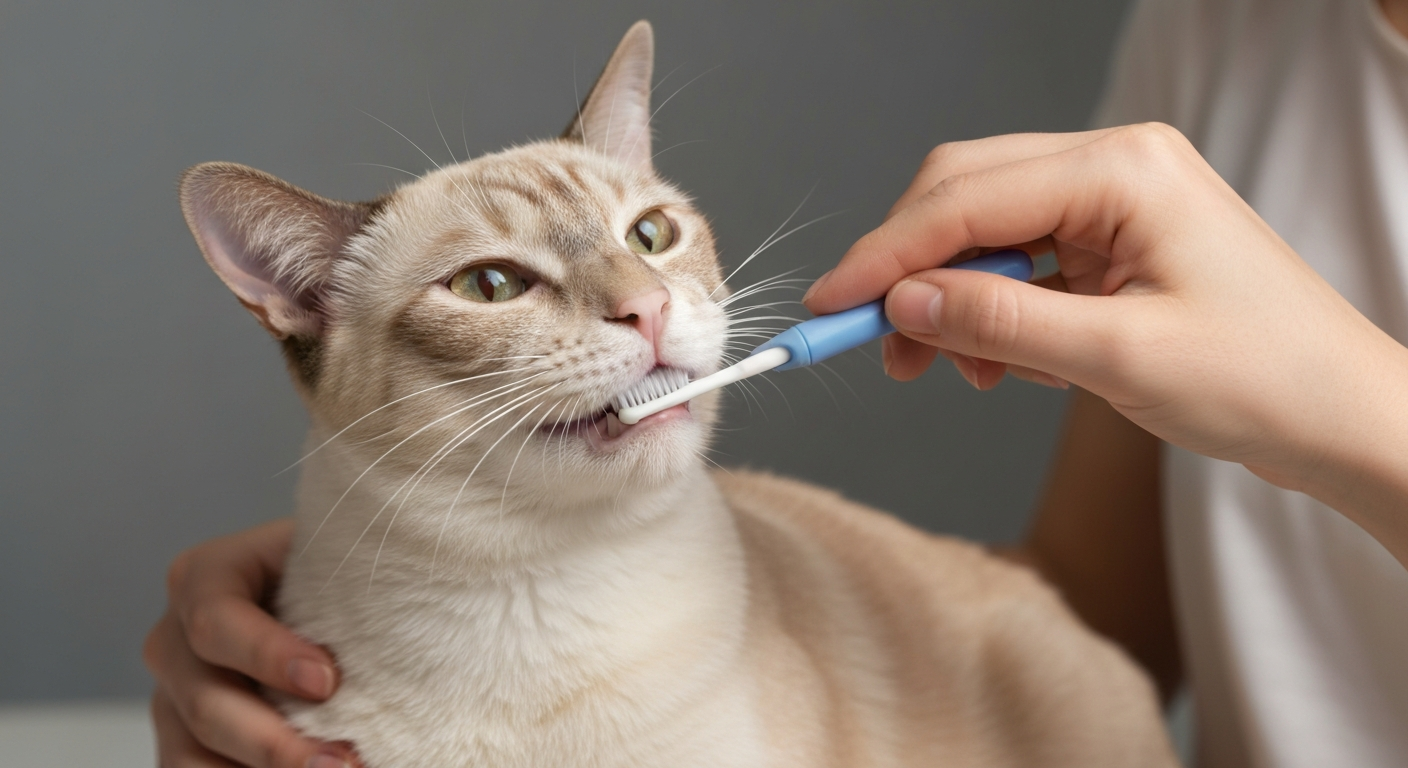
- Dental Health: This is a big one! Periodontal disease is incredibly common and can lead to systemic health issues.
Indoor vs. outdoor living
The single greatest decision you can make to extend your Tonkinese's life is to keep them strictly indoors. The dangers for an outdoor cat are numerous and severe: traffic, predators, poisons, diseases from other animals, and getting lost or stolen. An indoor cat's life is significantly safer, directly translating to a much longer lifespan.
Common health problems in Tonkinese cats
While generally healthy, the Tonkinese can be predisposed to a few conditions, primarily inherited from their parent breeds. Being aware of these allows you to be a more proactive owner.
- Dental Disease: Like their Siamese relatives, they can be prone to gingivitis and periodontal disease. Regular teeth brushing and professional cleanings are essential.
- Anesthesia Sensitivity: Some cats with Siamese ancestry can be more sensitive to certain types of anesthesia. Always ensure your vet is aware of your cat's breed before any procedure.
- Amyloidosis: A condition where a type of protein is deposited in organs, particularly the liver in Siamese-related breeds, which can lead to organ failure. It is a serious but relatively rare concern.
- Heart Disease: While not as prevalent as in some other breeds, conditions like Hypertrophic Cardiomyopathy (HCM) can occur. Regular vet checks can help monitor heart health.
How to extend your Tonkinese cat's life: a practical guide for 2026
Feeling empowered? You should be! Here is a summary of actionable steps you can take to give your Tonkinese the best chance at a long and vibrant life.
| Area of Care | Actionable Steps | Impact on Lifespan |
|---|---|---|
| Nutrition | Feed a high-protein, meat-based diet. Incorporate wet food for hydration. Avoid obesity. | High |
| Veterinary Care | Schedule annual/semi-annual wellness exams. Stay current on vaccinations and parasite control. | High |
| Dental Hygiene | Brush teeth several times a week. Schedule professional cleanings as recommended by your vet. | Medium to High |
| Environment | Keep your cat indoors-only. Provide a safe, stimulating environment with toys and climbing spaces. | Very High |
| Enrichment | Engage in 15-20 minutes of daily interactive play. Use puzzle feeders to stimulate their mind. | Medium |
| Affection | Provide plenty of social interaction and affection. A happy, low-stress cat is a healthier cat. | Medium |
The stages of a Tonkinese cat's life
Your care routine will evolve as your cat ages. Understanding their life stages helps you adapt to their changing needs.
The Kitten Stage (0-1 year)
This is a time of rapid growth and endless energy. Focus on proper nutrition for development, socialization, and establishing foundational habits like litter box training and getting them used to handling and teeth brushing.
The Adult Stage (1-10 years)
Your Tonk is in their prime! The focus here is on maintenance. Maintain a healthy weight, provide plenty of play and stimulation, and keep up with annual vet visits to ensure they stay in peak condition.
The Senior Stage (11+ years)
As your Tonkinese enters their golden years, they may slow down a bit. It’s time to switch to a senior-formulated diet, which often has adjusted calorie and nutrient levels. Increase vet visits to twice a year to monitor for age-related issues like arthritis, kidney disease, or hyperthyroidism. You can find more tips for this life stage in our comprehensive cat guides.
A lifetime of love and laughter
The Tonkinese cat lifespan of 15 to 20 years is a wonderful gift. It’s a testament to their strong genetic heritage and, more importantly, a reflection of the love and care you provide. By focusing on a high-quality diet, a safe indoor environment, preventative healthcare, and plenty of mental and physical stimulation, you are not just a pet owner—you are the guardian of their health and the architect of their longevity. The years you invest in their well-being will be returned to you tenfold in purrs, head-butts, and unforgettable companionship.
Yes, Tonkinese cats are generally considered a robust and healthy breed, often benefiting from 'hybrid vigor' due to their Siamese and Burmese ancestry. However, they can be prone to certain genetic conditions like dental issues and, less commonly, heart disease, so responsible breeding and regular vet check-ups are essential. There is no significant, documented difference in lifespan between male and female Tonkinese cats. Factors like diet, genetics, preventative care, and whether the cat is kept indoors have a much greater impact on their longevity than gender. While official records for specific breeds are hard to verify universally, many Tonkinese cats live well into their late teens and early twenties. It's not uncommon for dedicated owners to report their Tonks living for 20 years or more with excellent care. The Tonkinese lifespan of 15-20 years is very comparable to its parent breeds. Both Siamese and Burmese cats are known for their longevity, often living 15+ years. The Tonkinese inherits this potential for a long and healthy life.Frequently Asked Questions
Are Tonkinese cats generally a healthy breed?
Do male or female Tonkinese cats live longer?
What is the oldest recorded Tonkinese cat?
How does the Tonkinese lifespan compare to Siamese and Burmese cats?