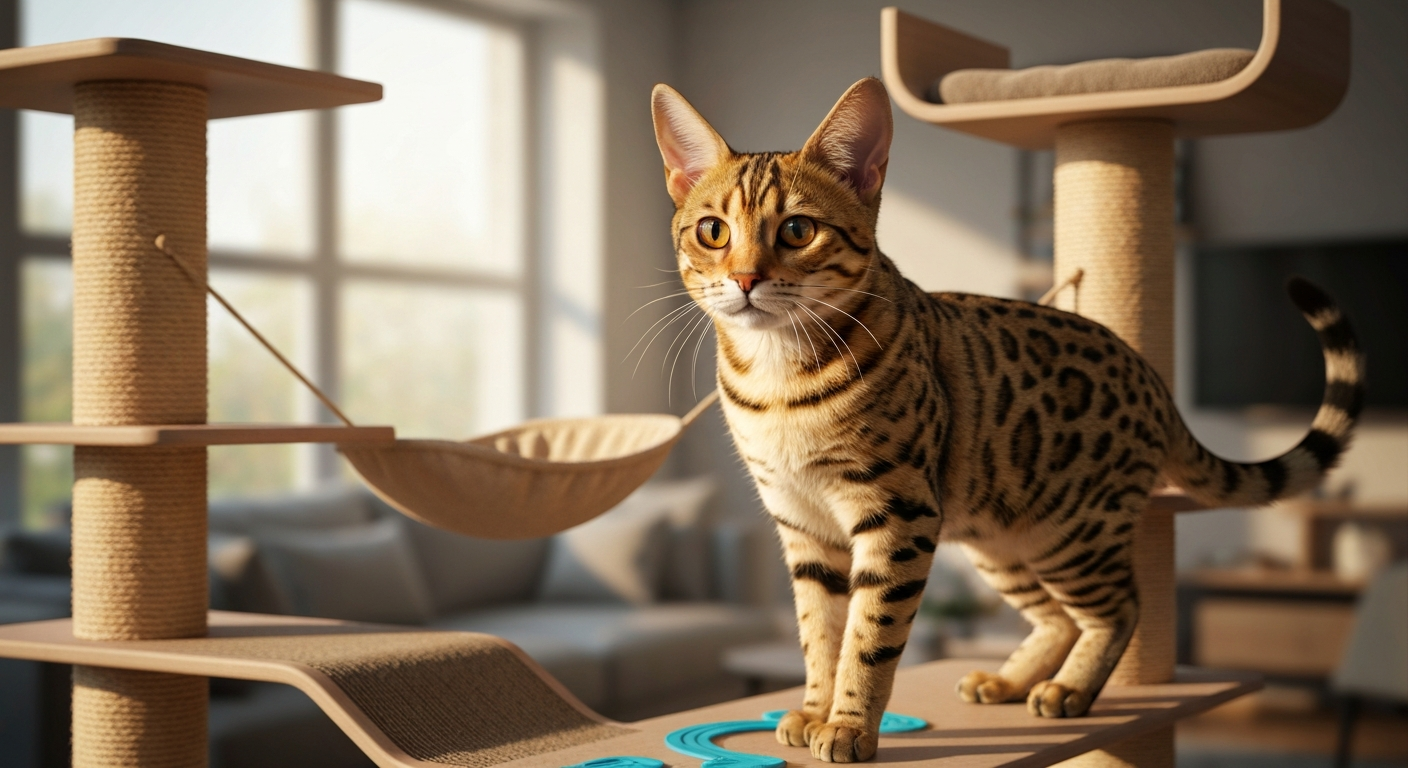
The moment you see a Savannah cat, their striking appearance is unforgettable. With their tall build, spotted coat, and large ears, they truly resemble their African Serval ancestors. But beyond their wild looks, they are intelligent, curious, and often very devoted companions. For anyone considering or already owning a Savannah, a key question is: how long do Savannah cats typically live? How many years can you expect to share with these unique animals?
The good news is that Savannahs are generally healthy cats with a long lifespan. However, there isn't one single number that applies to every cat. Their longevity is influenced by several factors, including their genetics, generation, and the quality of care you provide. Let's explore what you need to know to help your Savannah live a long and happy life.
What is the average lifespan of a Savannah cat?
The typical Savannah cat lifespan falls between 12 and 20 years. This is a considerable range, placing them among breeds that tend to live longer. Many Savannahs who receive excellent care live into their late teens in good health, a reflection of their strong genetic makeup.
This wide range is due to several factors, with one of the most significant for this breed being the 'F' generation. This designation indicates how many generations removed a cat is from its wild African Serval ancestor.
How generation affects lifespan
Understanding filial (F) generations is essential when discussing Savannah cats, including their lifespan. The closer a cat is to its Serval ancestor, the more its size, temperament, and health needs might reflect its wild heritage.
- F1 Generation:
- These cats are the result of a direct cross between a Serval and a domestic cat (like a Bengal or Ocicat). They are the largest and have the most specialized needs. Their lifespan can be more variable, and they require an owner with significant experience.
- F2 Generation:
- An F2 cat has a Serval grandparent. They are still quite large and retain a wild appearance, but their temperament is generally more predictable and domestic.
- F3, F4, F5 and beyond:
- As the generations progress (an F3 has a Serval great-grandparent, and so on), the cats typically become more suitable for average pet owners. Their size becomes more moderate, and their lifespan and health profiles become more similar to domestic cats. Later generations, often called SBT Savannahs, are the most common and are usually very robust, often living towards the higher end of the 20-year lifespan.
Generally, later generations tend to have lifespans comparable to healthy domestic cats, often with the added benefit of hybrid vigor.
Key factors influencing your Savannah's lifespan
Genetics are the starting point, but your daily actions significantly impact your cat's health and longevity. Think of it as a partnership: the breeder provides the genetic potential, and you create the environment for that potential to thrive.
1. Superior nutrition for an active athlete
Savannah cats are highly active and have lean, muscular bodies. Their diet must support this. High-quality, high-protein food is essential. Look for foods where real meat is the primary ingredient. Many owners successfully feed a combination of premium kibble, wet food for hydration, and sometimes a raw or home-cooked diet (always consult your veterinarian for guidance). Good nutrition supports a strong immune system and overall health. For more detailed information, explore our feline health and care guides.
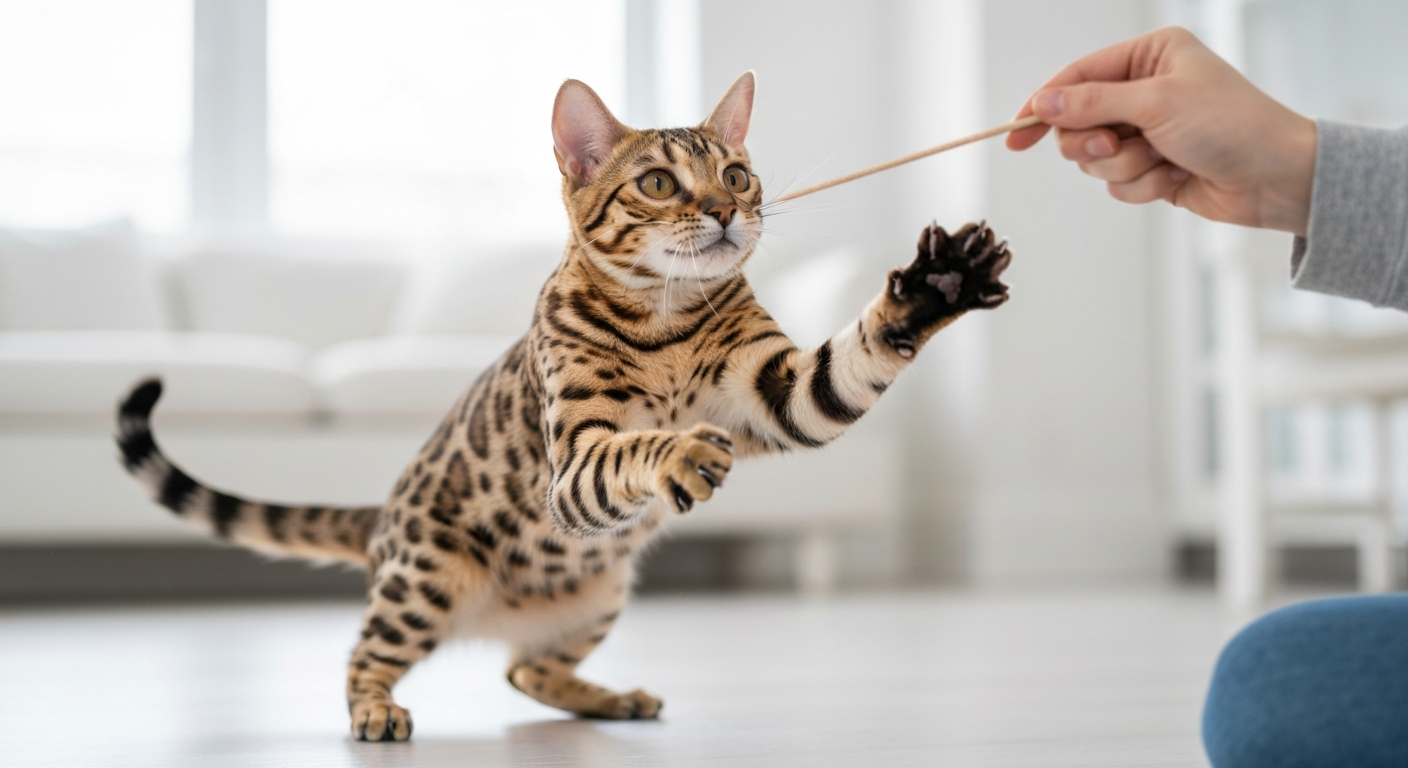
2. A safe and enriching environment
It is crucial to keep Savannah cats indoors exclusively. Their curiosity and adventurous nature can lead them into dangerous situations outdoors, including traffic, predators, diseases, and theft. Their distinctive appearance can sadly make them a target.
However, "indoor-only" should not mean "boring." A bored Savannah can become destructive. To ensure their happiness and reduce stress, provide plenty of enrichment. Think vertically with tall cat trees, shelves, and window perches. Their intelligence also requires mental stimulation, so use puzzle feeders and interactive toys. A secure outdoor enclosure, like a 'catio,' offers safe access to fresh air.
3. Proactive veterinary care
Regular veterinary check-ups are your best defense against early detection of health issues. Annual visits are recommended for younger cats, with bi-annual visits for seniors (over 11 years old). Stay current with vaccinations, parasite control, and dental care.
It's also important to note that some Savannah cats, especially earlier generations, may have a sensitivity to ketamine, a common anesthetic. Always inform your veterinarian if they have experience with the breed or are aware of this potential sensitivity before any procedure.
4. Mental and emotional well-being
These cats form strong bonds with their families. They are highly social and crave interaction, often showing loyalty similar to dogs. Spending quality time with your cat through play and understanding their communication cues is vital. A stressed or lonely cat can develop behavioral problems and even physical health issues. Learning more about cat behavior can help you strengthen your bond with your pet.
Common health issues in Savannah cats
While generally healthy, Savannahs can be prone to certain genetic conditions. A responsible breeder will screen their cats to reduce the risk of passing these on. Being informed is your first step in prevention.
| Health Condition | Description | Symptoms & Management |
|---|---|---|
| Hypertrophic Cardiomyopathy (HCM) | A condition where the heart muscle thickens, making it harder for the heart to pump blood effectively. This is the most common heart disease in cats. | Symptoms can be subtle, including lethargy, rapid breathing, or collapse. Management may involve medication to regulate heart rate and reduce fluid. Regular cardiac screenings are advised. |
| Pyruvate Kinase Deficiency (PK Def) | An inherited disorder affecting red blood cells, leading to anemia. | Signs include lethargy, weakness, and pale gums. There is no cure, but supportive care can manage anemia. Genetic testing can identify carriers. |
| Progressive Retinal Atrophy (PRA) | A genetic eye disease causing gradual deterioration of the retina, eventually leading to blindness. | Initial signs can include night blindness, progressing to complete vision loss. While there is no cure, cats adapt well to blindness in a familiar, safe indoor environment. |
Maximizing your Savannah's lifespan and happiness
Want to give your unique companion the best chance at a long life? Here's a guide to ensure your Savannah thrives:
- Choose a Reputable Breeder: This is the most crucial initial step. A good breeder provides health guarantees and ensures kittens are well-socialized from birth.
- Feed a Premium, Protein-Rich Diet: Do not compromise on nutrition. Your cat's diet directly impacts their health.
- Create a Stimulating Indoor World: Think from your cat's perspective! Provide ample opportunities for climbing, hiding, scratching, and playing. Rotate toys to maintain their interest.
- Schedule Regular Vet Visits: Preventive care is always more effective than treating illness. Establish a good relationship with a veterinarian knowledgeable about the breed.
- Maintain a Healthy Weight: Obesity is a significant health risk for any cat, contributing to conditions like diabetes, arthritis, and heart problems. Use interactive play to keep them fit.
- Provide Love and Attention: The bond you share is vital for their emotional well-being. A happy cat is a healthier cat.
Owning a Savannah is a rewarding experience. They bring a unique energy and intelligence into a home that sets them apart from other breeds. By understanding the factors that influence the Savannah cat lifespan, from their F-generation to their daily care, you are well-equipped to be the best pet parent possible. Providing a safe, stimulating environment and proactive healthcare offers your magnificent cat the greatest gift: the promise of many happy, healthy years by your side.
Frequently Asked Questions
How long do F1 Savannah cats live?
F1 Savannah cats have a more varied lifespan, often ranging from 12 to 18 years. While they can benefit from hybrid vigor, their specialized care needs due to their close Serval ancestry mean their longevity can be impacted if these requirements are not fully met.
Are Savannah cats a healthy breed?
Yes, Savannah cats are generally quite healthy, partly due to hybrid vigor which can reduce the incidence of some inherited conditions. However, they can still be susceptible to issues like HCM and PK Deficiency, making careful breeding practices and consistent veterinary care essential.
What do Savannah cats usually die from?
As they age, Savannah cats, like other domestic felines, often succumb to common ailments such as kidney disease, cancer, or heart conditions. Accidents pose a significant risk, particularly for cats with outdoor access, which is why an indoor-only environment is strongly advised.
Do Savannah cats live longer than regular domestic cats?
They often do. The average domestic cat lives 12-15 years, while many Savannahs reach their late teens, with some living to 20. Their hybrid vigor can contribute to a longer, healthier life when combined with excellent care.