
The Savannah cat is a breathtaking animal. With its long legs, huge ears, and striking spotted coat, it's like having a small piece of the wild roaming your home. They are intelligent, curious, and form incredibly strong bonds with their families. But as a prospective or current owner, it's vital to look beyond that exotic beauty and understand the unique health profile of this hybrid breed. While often robust, their Serval ancestry and domestic outcrosses bring a specific set of health considerations you need to be aware of.
Welcome to your complete 2026 guide to Savannah cat health issues. We'll explore everything from genetic predispositions to daily care that will help your spotted friend live a long, happy, and healthy life.
The myth of perfect hybrid vigor
You’ve probably heard the term "hybrid vigor." It’s the idea that crossbreeding different genetic lines can result in healthier, more robust offspring. And in many cases, it’s true! Savannahs can certainly benefit from this, often being more resilient than some highly pedigreed purebreds. However, this does not grant them a golden ticket to perfect health.
The reality is that a hybrid cat can inherit health problems from both sides of its family tree. This means a Savannah could potentially inherit issues common in the African Serval as well as genetic conditions present in the domestic breeds used in their creation, such as the Bengal, Oriental Shorthair, or Siamese. That's why understanding their full health landscape is so critical.
Major genetic and inherited health concerns
Reputable breeders work tirelessly to screen for these conditions, but as an owner, you should be knowledgeable. These are the most significant genetic issues seen in the Savannah breed.
Hypertrophic Cardiomyopathy (HCM)
This is the most common heart disease found in cats, and Savannahs are not immune. HCM causes the muscular walls of the heart to thicken, reducing its efficiency and leading to potential heart failure. It's an insidious disease that often shows no symptoms until it's advanced.
- Cause: It's a genetic condition inherited from the domestic side of their lineage.
- Prevention & Management: There is no cure, but early detection is key. Responsible breeders should be screening their breeding cats via echocardiograms performed by a veterinary cardiologist. As an owner, regular vet check-ups are essential. If a heart murmur is detected, an echocardiogram can confirm an HCM diagnosis. Medication can help manage the condition and improve your cat's quality of life. For more information on feline preventative medicine, our extensive cat health care guides offer a wealth of knowledge.
Pyruvate Kinase Deficiency (PK-Def)
PK-Def is a hereditary condition that causes a deficiency in an enzyme crucial for the health of red blood cells. Without this enzyme, red blood cells have a shorter lifespan, leading to regenerative anemia. Symptoms can range from mild lethargy to more severe crises.
- Cause: This is another inherited disease from domestic outcrosses like the Abyssinian and Bengal.
- Prevention & Management: A simple DNA test can identify if a cat is clear, a carrier, or affected. There is absolutely no reason a reputable breeder should produce an affected kitten in 2026. Always ask to see the PK-Def test results for the kitten's parents.
Progressive Retinal Atrophy (PRA)
PRA is a group of genetic diseases that cause the retina of the eye to degenerate over time, eventually leading to blindness. It's painless but progressive. It has been identified in some breeds used to create the Savannah, making it a potential concern.
- Cause: It's an inherited condition. A specific form known as PRA-b has been noted in Bengals and other related breeds.
- Prevention & Management: Like PK-Def, a DNA test is available. Responsible breeders must test their stock to avoid passing on this devastating condition.
Considerations from their Serval ancestry
The wild Serval genetics bring more than just stunning looks; they introduce a few unique physiological traits that you and your veterinarian must understand for safe and effective care.
Anesthesia Sensitivity
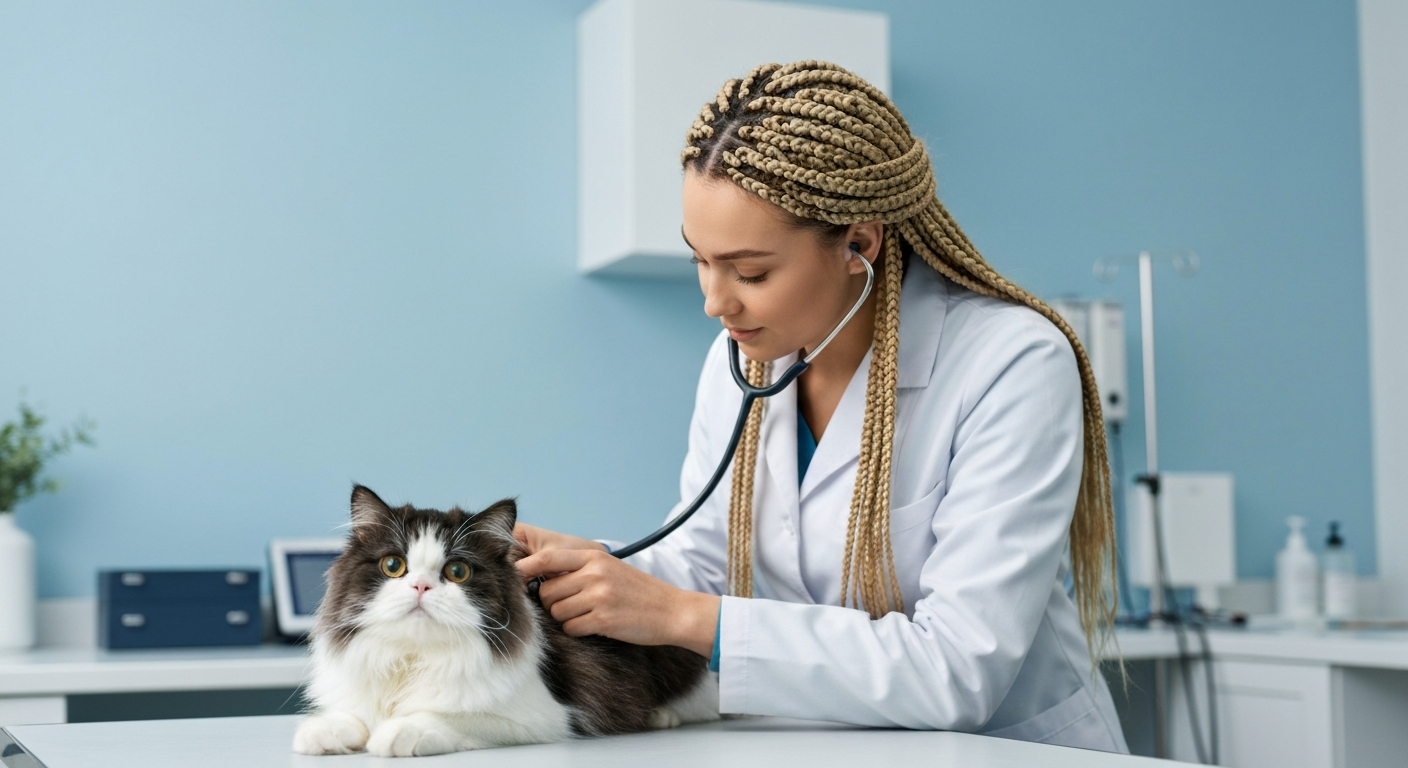
This is arguably the most critical health consideration unique to Savannahs, especially early generations (F1-F3). Many are highly sensitive to certain types of anesthetics, particularly injectable ones like Ketamine. Using the wrong anesthetic can have fatal consequences.
It is non-negotiable: you must find a veterinarian experienced with hybrid or exotic cats. Before any procedure requiring sedation, have a direct conversation about their anesthetic protocol. Many vets experienced with Savannahs prefer to use reversible gas anesthetics like Isoflurane or Sevoflurane, which are generally much safer.
- Safer Options (Discuss with Vet):
- Isoflurane, Sevoflurane (inhalant gases)
- Potentially Risky (Discuss with Vet):
- Ketamine, Medetomidine (injectables). Some vets may use them in specific, carefully calculated cocktails, but it requires expertise.
Dietary and Digestive Needs
With a wild cat's digestive system in their recent ancestry, Savannahs thrive on a high-quality, high-protein, meat-based diet. They can be sensitive to foods with a high grain content or cheap fillers, which can lead to gastrointestinal upset or diarrhea. Many owners opt for high-quality commercial raw food or a carefully balanced homemade raw diet, but premium grain-free kibble or wet food can also be excellent choices. The key is high-quality animal protein. If you want to dive deeper into feline nutrition, check out our helpful cat guides section.
Smaller Liver Size
Compared to their overall body size, Savannahs (and Servals) tend to have a proportionally smaller liver than a typical domestic cat. This is important because the liver is responsible for metabolizing drugs and filtering toxins. It means that standard medication dosages may need to be adjusted by a knowledgeable vet to prevent overdose or liver strain.
General health and preventative care
Beyond the special cases, Savannahs need the same proactive care as any other cat. Their high energy and intelligence, however, do put a special emphasis on certain areas.
| Care Item | Frequency | Notes |
|---|---|---|
| Veterinary Wellness Exam | Annually (or semi-annually for seniors) | Includes physical check, dental exam, and discussion of any concerns. |
| Core Vaccinations | As kittens, then every 1-3 years | Follow your veterinarian's recommended schedule for FVRCP and Rabies. |
| Flea, Tick & Heartworm Prevention | Monthly | Crucial, especially if they have any outdoor access (even a 'catios'). |
| Dental Care | Daily brushing & annual professional cleaning | Start brushing early to prevent periodontal disease. |
| Behavioral Enrichment | Daily | Interactive play, puzzle feeders, and vertical spaces are non-negotiable. |
A bored Savannah is a recipe for trouble. Their powerful minds need constant stimulation. Without it, they can develop stress-related behaviors like over-grooming, aggression, or destructive habits. This isn't just a training issue; it's a health issue. A stressed cat is more susceptible to illness. For tips on keeping your clever cat engaged, exploring articles on cat behavior can provide excellent ideas for environmental enrichment.
Your role in a healthy future
Ultimately, the journey to a healthy Savannah cat starts long before you bring them home. It begins with choosing an ethical, reputable breeder who prioritizes health above all else. A great breeder is your partner. They will provide proof of genetic testing, introduce you to well-socialized and robust kittens, and offer a lifetime of support.
Once your Savannah is home, your partnership with a hybrid-savvy veterinarian is your most powerful tool. Combined with a premium diet, a stimulating environment, and your watchful eye, you can provide the foundation for a vibrant life. While the list of potential Savannah cat health problems might seem daunting, remember that knowledge is power. By understanding these unique cats, you are perfectly equipped to be the amazing guardian they deserve.
Frequently Asked Questions
What is the average lifespan of a Savannah cat?
Savannah cats have a relatively long lifespan, typically ranging from 12 to 20 years. Early generation (F1, F2) cats may trend towards the higher end of this range with proper care, while later generations are more in line with typical domestic cats.
Are Savannah cats prone to heart problems?
Yes, they can be genetically predisposed to Hypertrophic Cardiomyopathy (HCM), a condition where the heart muscle thickens. Responsible breeders screen their breeding cats for HCM to reduce the risk in kittens.
Do Savannah cats need a special diet?
While not 'special' in a medical sense, Savannah cats thrive on a high-quality, high-protein diet that reflects their carnivorous ancestry. They can have sensitive stomachs, so grain-free or low-grain foods are often recommended. Avoid low-quality foods with fillers.
Are Savannah cats hard to care for?
They require more engagement and environmental enrichment than a typical lap cat due to their high intelligence and energy levels. Their health care requires a veterinarian knowledgeable about hybrid breeds, but daily care is similar to other active cat breeds.