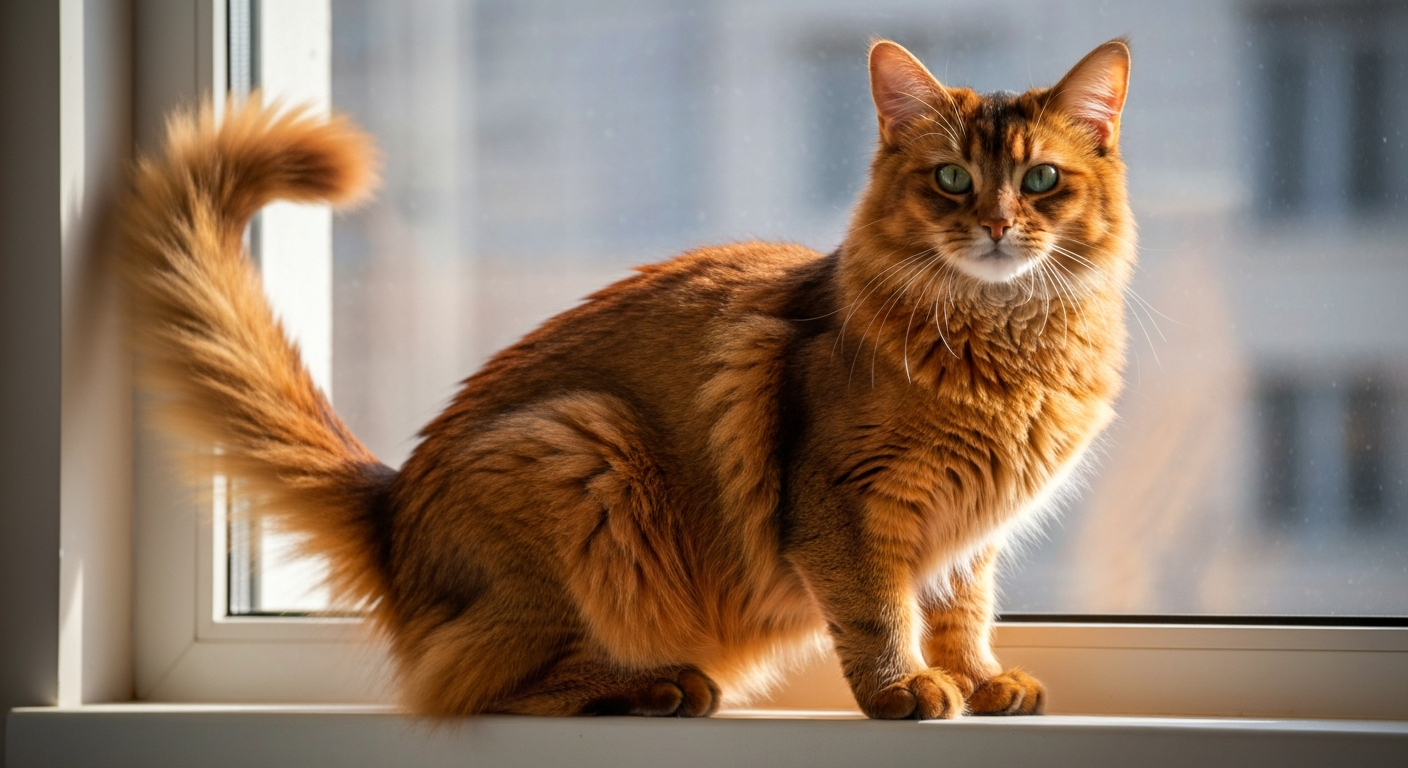
One look at a Somali cat, and you're instantly captivated. With their vibrant, ticked coat, bushy tail, and alert expression, they look like a tiny, elegant fox that has decided to grace your home. That stunning coat isn't just for show; it's their crowning glory. And you, as their devoted companion, are its keeper. Many prospective owners worry that such a luxurious coat means a high-maintenance grooming routine. But I'm here to let you in on a little secret: Somali cat grooming is far more manageable—and enjoyable—than you might think!
This comprehensive guide will walk you through everything you need to know to keep your Somali's coat healthy, lustrous, and mat-free. Let's turn grooming from a chore into a cherished bonding ritual.
Understanding the magnificent Somali coat
To groom a Somali effectively, you first need to appreciate what makes their coat so unique. It’s not your typical long-haired fur. The magic lies in its 'ticking,' a genetic trait inherited from their Abyssinian ancestors where each individual hair has multiple bands of color. This creates a shimmering, multi-tonal effect that seems to glow.
- Ticking:
- Each hair shaft has between four and twenty bands of color, alternating between a lighter base and a darker tip. This is what gives the coat its warmth and vibrancy.
- Texture:
- The fur is incredibly soft and fine to the touch. It’s dense but not woolly, which is why it’s less prone to severe matting compared to breeds like Persians.
- Length:
- It's considered a semi-longhaired coat. You’ll notice it’s slightly shorter on the shoulders and longer on the ruff (around the neck), 'breeches' (on the back of the hind legs), and of course, that famously full tail.
- Undercoat:
- They have a minimal undercoat. This is a key reason why their grooming needs are less intensive than many other long-haired cat breeds. However, this is also the hair that sheds and can cause tangles if not managed.
Your essential Somali grooming toolkit
You don't need a professional-grade salon to care for your Somali. A few high-quality tools are all it takes to maintain their coat in peak condition. Investing in the right gear from the start makes the process easier for both of you.
| Grooming Tool | Purpose | Recommended Frequency |
|---|---|---|
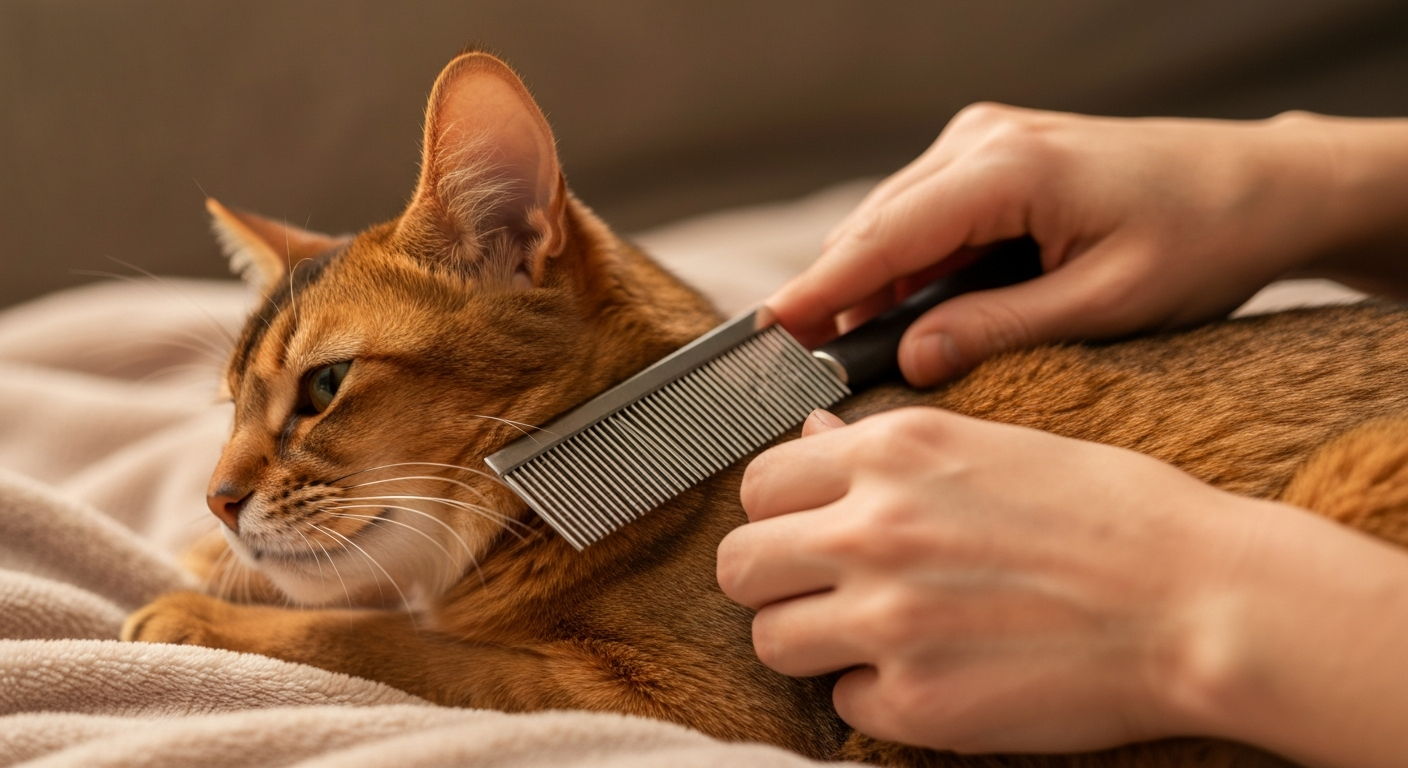
| Stainless Steel Comb | The number one tool. A comb with both fine and wide-set teeth is perfect for finding and gently working through small tangles before they become mats. | 2-3 times per week |
| Slicker Brush | Ideal for removing loose fur from the topcoat and the minimal undercoat, especially during shedding season. Use gently to avoid irritating the skin. | 1-2 times per week |
| Nail Clippers | Guillotine-style or scissor-style clippers designed specifically for cats are essential for keeping claws at a safe length. | Every 2-4 weeks |
| Cat-Safe Ear Cleaner | A vet-approved solution on a cotton ball (never a cotton swab!) to gently wipe the outer ear and prevent wax buildup. | As needed (check weekly) |
| Feline Dental Kit | A soft-bristled toothbrush and enzymatic toothpaste formulated for cats to maintain oral hygiene. | Ideally, daily |
The brushing ritual: Keeping your Somali mat-free and fabulous
Consistency is the heart of a successful Somali grooming routine. Short, frequent sessions are far more effective and less stressful than long, infrequent ones. This regular contact also allows you to check their skin for any lumps, bumps, or irritations.
Frequency is key
Aim to brush your Somali two to three times a week for about 5-10 minutes each time. This is usually enough to remove loose hair and prevent tangles from forming in their ruff and breeches, which are the most common trouble spots.

The step-by-step technique
Transform brushing into a calm and predictable routine. Here’s how:
- Choose a calm time: Pick a moment when your cat is relaxed and sleepy, perhaps after a meal or playtime.
- Start with the comb: Begin with the wider-toothed side of your steel comb. Gently work through their coat, always moving in the direction of hair growth. This helps locate any small snags.
- Focus on friction zones: Pay special attention to the areas behind the ears, under the 'armpits', on the tummy, and around the fluffy breeches and tail. These spots are prone to friction and tangling.
- Switch to the slicker brush: Once you've combed through and ensured there are no tangles, a few gentle strokes with the slicker brush will help lift out dead hair. Be careful not to press too hard.
- End on a high note: Always finish the session with praise, a favorite treat, or a bit of play. This reinforces a positive association with grooming.
Making it a positive experience
If your Somali is hesitant about being brushed, start slow. Let them sniff the tools. Try just a few strokes followed by a treat. The goal is to build trust. Understanding your cat's body language is crucial; if they show signs of stress, it's better to stop and try again later. Delving into the nuances of feline communication and behavior can turn grooming into a language of love.
Navigating bathtime with your little fox
Good news! Somalis are fastidious groomers and rarely need a full bath. Unless they've gotten into something particularly sticky or dirty, you can likely skip the water works altogether. If a bath is unavoidable, preparation is everything.
Gather all your supplies beforehand: cat-safe shampoo, towels, a non-slip mat for the tub, and a cup for rinsing. Use lukewarm water and work quickly but calmly, keeping water and soap away from their eyes and ears. Towel dry them thoroughly in a warm room, and offer lots of reassurance and a special treat afterward.
Beyond the coat: A head-to-tail grooming checklist
A truly well-groomed cat is healthy from the tips of their ears to the ends of their claws. Don't forget these essential tasks.
Pristine paws and perfect claws
Indoor cats need their nails trimmed every few weeks. Gently press on their paw pad to extend the claw. You'll see the pink part, called the 'quick'—this contains nerves and blood vessels. Only trim the white tip of the claw, avoiding the quick entirely. If you're nervous, ask your vet for a demonstration.
Essential ear checks
Once a week, take a peek inside your Somali's large, expressive ears. They should be clean and pale pink. If you see dark debris (which can look like coffee grounds and signal ear mites) or notice a foul odor, it’s time for a vet visit. For routine cleaning, wipe the visible parts of the outer ear with a vet-approved cleaner on a cotton ball.
Champion-level dental care
Dental health is a cornerstone of overall well-being. Brushing your cat's teeth is the gold standard for preventing plaque and tartar buildup. Start slowly by letting them lick feline toothpaste off your finger, then gradually introduce a small cat toothbrush. This simple habit is a massive investment in their long-term wellness, forming a critical part of preventative health care for your pet.
Managing seasonal shedding
You’ll likely notice an uptick in shedding during the spring and fall as your Somali blows their seasonal coat. During these periods, you may want to increase your brushing frequency to four or five times a week. This proactive approach will capture the loose hair on the brush before it ends up on your furniture and clothing.
Caring for a Somali's coat is a simple but profound act of love. It’s a quiet time for you to connect, to ensure their comfort, and to marvel at the sheer beauty of this remarkable breed. Embrace the ritual, and you'll be rewarded with a happy, healthy, and stunningly beautiful companion for years to come.
Frequently Asked Questions
How often should I groom my Somali cat?
A Somali cat should be brushed two to three times per week to prevent tangles and remove loose fur. More frequent brushing may be needed during seasonal shedding periods in the spring and fall.
Do Somali cats shed a lot?
Somalis have a relatively moderate shedding level. They are not considered a low-shedding breed. You will notice an increase in shedding seasonally, but regular grooming helps manage loose hair significantly.
Are Somali cats' coats hard to maintain?
Despite their luxurious, semi-longhaired appearance, Somali coats are surprisingly easy to maintain. Their fur is soft and fine, and not as prone to matting as some other longhaired breeds, provided you stick to a regular brushing schedule.