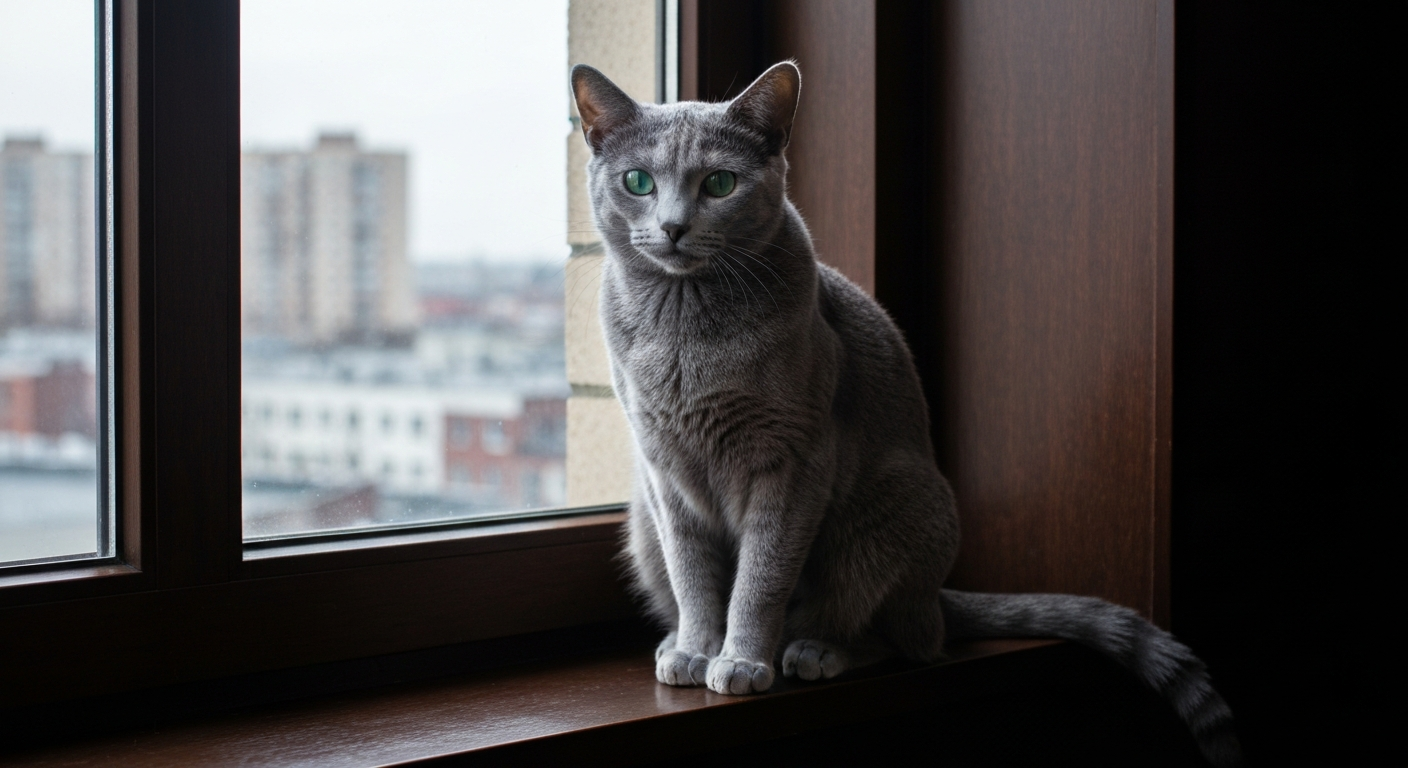
With their shimmering silver-blue coat, startling emerald eyes, and gracefully athletic build, the Russian Blue cat is a picture of feline elegance. But beyond their stunning looks lies a gentle, quiet soul that forms incredibly strong bonds with their chosen family. If you're lucky enough to share your life with one of these magnificent cats, one question undoubtedly comes to mind: What is the Russian Blue cat lifespan, and how can you ensure your companion stays with you for as long as possible?
You've come to the right place. As a breeding and behavior specialist, I've seen firsthand how the right care can extend the happy years you share with your pet. Let’s dive deep into the world of Russian Blue longevity and explore everything that contributes to their impressive lifespan.
What is the average lifespan of a Russian Blue?
Here’s the fantastic news: Russian Blues are one of the longer-living cat breeds. The typical Russian Blue lifespan is an impressive 15 to 20 years. It's not uncommon for a well-cared-for Russian Blue to reach their early twenties, remaining spry and affectionate well into their golden years. This remarkable longevity is a testament to their robust natural genetics and generally sound health.
However, this number comes with a major caveat: it primarily applies to indoor cats. An indoor-only Russian Blue is shielded from the significant dangers of the outside world—traffic, predators, poisons, and infectious diseases from other animals. An outdoor or indoor/outdoor cat's lifespan can be tragically cut short, often reduced to just 2 to 5 years. For the sake of your cat's health and safety, a strictly indoor lifestyle is non-negotiable for a long life.
The six key stages of a Russian Blue's life
Understanding your cat's life stage helps you provide age-appropriate care. A 16-year-old cat has very different needs than a 1-year-old! Here’s a breakdown of their journey.
- Kitten (0-1 year): A period of explosive growth, learning, and discovery. Socialization is critical now to nurture their confidence and temper their natural shyness.
- Junior (1-2 years): They've reached their full physical size but are still very much a teenager in mindset. Playfulness and high energy are the norms.
- Prime Adult (3-6 years): Your Russian Blue is in the prime of their life. They are at their physical peak—strong, sleek, and confident in their routines.
- Mature Adult (7-10 years): You may notice a slight slowing down. This is a crucial time to monitor their weight and switch to twice-yearly vet check-ups to catch any age-related issues early.
- Senior (11-14 years): Now officially a senior citizen! You’ll need to pay closer attention to mobility, dental health, and changes in appetite or litter box habits.
- Geriatric (15+ years): These are the golden years. Comfort is key. Your focus shifts to managing chronic conditions, making their environment easily accessible, and cherishing your time together.
Factors that influence Russian Blue longevity
While genetics provide a fantastic starting point, your actions as an owner have the most significant impact on how long your Russian Blue lives. Think of it as a partnership with your pet's health.
Genetics and responsible breeding
A healthy lineage is the foundation of a long life. Reputable breeders screen for any known health issues and prioritize robust genetics. This is why it's so important to avoid backyard breeders or kitten mills. A well-bred cat is less likely to suffer from hereditary conditions, giving them a huge head start. If you're just starting your journey, browsing different cat breeds and understanding their specific breeder standards is a great first step.

Diet and nutrition
You are what you eat, and the same is doubly true for cats. As obligate carnivores, Russian Blues thrive on a high-protein, low-carbohydrate diet. High-quality wet food is often superior as it provides essential hydration, which is vital for kidney and urinary tract health. Be vigilant about portion control. These cats can be prone to weight gain, and obesity is a gateway to serious issues like diabetes, arthritis, and heart problems. Proper nutrition is the cornerstone of preventative health care.
Environment and enrichment
As mentioned, a safe indoor environment is paramount. But safe doesn't have to mean boring! Russian Blues are highly intelligent and can become stressed or anxious without mental stimulation. Keep them engaged with:
- Interactive Toys: Feather wands, laser pointers (used safely), and puzzle feeders.
- Vertical Space: Cat trees and window perches allow them to survey their territory.
- Routine: These cats appreciate predictability. Consistent feeding times and play sessions help them feel secure.
A happy, stimulated cat is a healthier cat. Understanding and managing their unique personality traits is a key part of responsible pet ownership.
Healthcare and preventative measures
Regular veterinary care is your best tool for early detection of disease. Your vet can spot subtle changes you might miss. This includes:
- Annual/Bi-annual Exams: A yearly wellness check is standard, but for cats over 7, moving to twice a year is wise.
- Vaccinations: Core vaccines protect against common and deadly feline diseases.
- Parasite Control: Consistent flea, tick, and worm prevention is essential, even for indoor cats.
- Dental Care: Dental disease is incredibly common and can lead to systemic infections. Regular cleanings and at-home care are vital.
Common health issues in Russian Blues
While remarkably healthy, no breed is entirely free from potential health concerns. Being aware of these can help you act quickly if you spot symptoms.
- Obesity:
- Perhaps the most common and preventable issue. Their love of food and less demanding nature can lead to weight gain if not managed with a strict diet and exercise.
- Bladder Stones:
- Like many cat breeds, they can be susceptible to developing struvite or calcium oxalate stones. Symptoms include straining to urinate or blood in the urine. A diet that promotes a healthy urinary pH and good hydration can help prevent this.
- Dental Disease:
- Gingivitis and periodontal disease can cause pain and lead to bacteria entering the bloodstream. This is a common issue across almost all cat breeds and requires diligent care.
- Progressive Retinal Atrophy (PRA):
- While rare, a specific form of PRA has been identified in the breed. It causes a gradual decline in vision, eventually leading to blindness. Reputable breeders test for this genetic marker.
Your roadmap to a longer life for your Russian Blue in 2026
Feeling empowered? You should be! Your daily choices directly contribute to your cat's healthspan and lifespan. Here’s a quick-reference table to guide you.
| Care Aspect | Recommendation for a Long Life |
|---|---|
| Nutrition | Feed a high-quality, high-protein, low-carb diet. Prioritize wet food for hydration. Use precise portion control to prevent obesity. |
| Veterinary Care | Commit to at least one annual wellness exam (twice yearly for seniors). Stay current on all recommended vaccinations and parasite prevention. |
| Dental Health | Schedule professional dental cleanings as recommended by your vet and attempt at-home brushing or use dental treats/additives. |
| Environment | Maintain a strictly indoor-only home to eliminate external threats like cars, predators, and diseases. |
| Enrichment | Provide daily interactive play sessions (15-20 minutes). Offer puzzle feeders, cat trees, and window perches to keep their brilliant minds engaged. |
| Grooming | Brush their dense double coat weekly to reduce shedding, prevent mats, and distribute skin oils. This is also a great time to check for any lumps or bumps. |
The Russian Blue cat is more than just a beautiful pet; it's a devoted, loving companion that will enrich your life for many years. Their impressive lifespan is a gift, but it's a gift that requires our care and diligence to fully realize. By providing a safe environment, excellent nutrition, and proactive healthcare, you can be confident that you're doing everything possible to enjoy your feline friend's quiet companionship well into their golden years.
Frequently Asked Questions
What is the average lifespan of a Russian Blue cat?
The average lifespan for a Russian Blue cat is between 15 and 20 years. Some can even live into their early twenties with excellent care, nutrition, and a safe indoor environment.
Are Russian Blues a healthy cat breed?
Yes, Russian Blues are considered a naturally robust and healthy breed with very few known genetic predispositions. Their longevity is often attributed to their strong genetic background. However, they are still susceptible to common feline ailments like dental disease and obesity.
Do male or female Russian Blues live longer?
There is no significant difference in lifespan between male and female Russian Blues. The most important factor for longevity in both sexes is whether they are spayed or neutered, which dramatically reduces the risk of certain cancers and prevents behaviors that could lead to accidents.
What is the oldest known Russian Blue?
While official, verified records for the oldest Russian Blue are difficult to track, many owners and breeders report them living to 20-22 years old. The breed's potential for a long life is well-established within the feline community.