
Look at that face! With their round heads, squished noses, and big, expressive eyes, it's no wonder the Exotic Shorthair has been nicknamed the “lazy person’s Persian.” They have all the sweet, placid charm of their long-haired cousins but with a plush, low-maintenance coat. But beneath that teddy bear exterior lies a cat with very specific needs, especially when it comes to what you put in their food bowl. Crafting the perfect Exotic Shorthair diet is one of the most important things you can do to ensure a long, healthy, and happy life for your cuddly companion.
You've come to the right place. In this comprehensive guide, we'll dive deep into the unique nutritional requirements of the Exotic Shorthair, explore the wet vs. dry food debate, and provide our top recommendations for 2026 to help you make the best choice for your feline friend.
Understanding the Exotic Shorthair's unique nutritional needs
All cats are obligate carnivores, meaning their bodies are designed to thrive on a diet rich in animal-based protein. However, the Exotic Shorthair's unique physique and temperament introduce a few extra considerations. It's not just about filling their tummy; it's about targeted nutrition.
- Brachycephalic Anatomy:
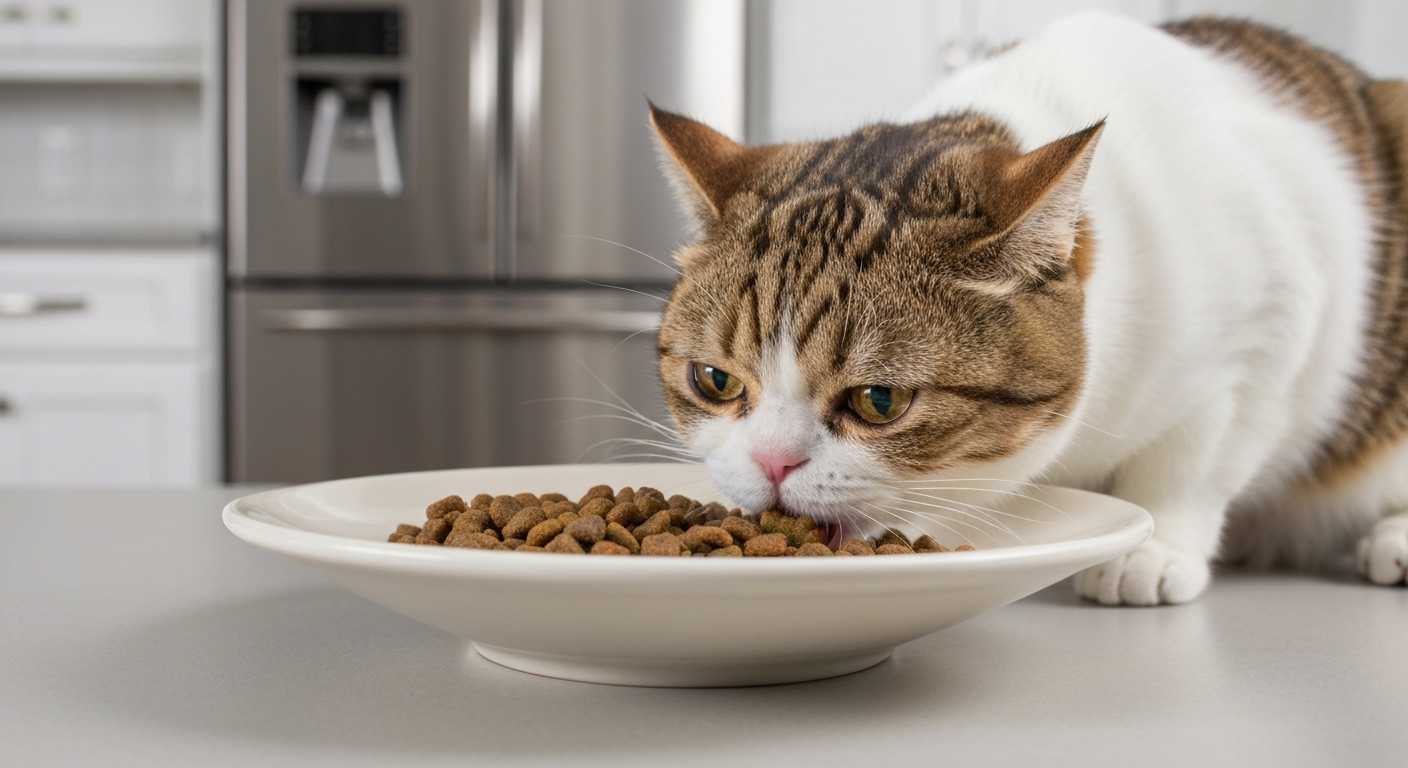
- This is the official term for their adorable flat face. Unfortunately, this structure can make it physically challenging for them to pick up food from a standard bowl. They often use their tongue more than their teeth to scoop up kibble, which can be messy and inefficient. The shape of their food matters immensely.
- Tendency Toward a Sedentary Lifestyle:
- Exotics are known for being calm, quiet, and affectionate lap cats rather than energetic acrobats. This laid-back nature means they are prone to weight gain and obesity if their diet isn't carefully managed. Excess weight puts a huge strain on their joints and overall health.
- Dense, Plush Coat:
- That beautiful, thick coat requires fuel to stay healthy and shiny. A diet rich in Omega-3 and Omega-6 fatty acids is essential for maintaining skin health and preventing excessive shedding.
- Genetic Health Predispositions:
- Like Persians, Exotics can be prone to certain health issues, most notably Polycystic Kidney Disease (PKD). While diet can't prevent genetic conditions, proper hydration is critical for supporting kidney function. This makes moisture-rich food a key part of their overall feline health care strategy.
Decoding cat food labels: what to look for
Walking down the pet food aisle can be overwhelming. Brightly colored bags all promise perfect health. Your job is to become a savvy label-reader. Ignore the flashy marketing on the front and turn the bag over to the ingredients list and guaranteed analysis.
The good stuff (look for these)
- Named Animal Protein First: The very first ingredient should be a high-quality, named meat source like “Deboned Chicken,” “Salmon,” or “Lamb.” Avoid vague terms like “meat by-products” or “poultry meal” in the top spot.
- Healthy Fats: Look for sources like chicken fat or salmon oil. These provide essential fatty acids (Omega-3s and 6s) that are vital for brain health, joint function, and that signature plush coat.
- Taurine: This amino acid is non-negotiable for cats. A deficiency can lead to serious heart problems and blindness. Any reputable commercial cat food will have it added.
- Limited Carbohydrates: Cats have no biological need for carbohydrates. Small amounts from sources like peas or sweet potatoes are acceptable, but avoid foods loaded with corn, wheat, and soy fillers.
The red flags (avoid these)
- Artificial Colors, Flavors, and Preservatives: Chemicals like BHA, BHT, and ethoxyquin are unnecessary and potentially harmful. Natural preservatives like mixed tocopherols (a source of Vitamin E) are a much better choice.
- Vague Ingredients: “Meat and bone meal” or “animal digest” are low-quality, mystery ingredients. You want to know exactly what your cat is eating.
- Excessive Fillers: If the top ingredients are corn gluten meal, wheat, or soy, the food is likely low in the animal protein your cat actually needs.
Wet vs. dry food: the great debate for your Exotic Shorthair
This is one of the biggest questions new owners have. The truth is, both have their merits, and a combination of the two is often the best approach for an Exotic Shorthair.
The case for wet food
We are huge advocates for incorporating wet food into your Exotic's diet. The primary benefit is hydration. Cats are notoriously poor drinkers, and wet food (which is typically 75% moisture) ensures they get the water they need to support their urinary tract and kidney health. It's also generally lower in carbohydrates and higher in protein than kibble, making it excellent for weight management.
The case for dry food (kibble)
Dry food is convenient, easy to store, and more budget-friendly. The crunchy texture can also provide some benefit in scraping tartar from teeth. For Exotics, the most important factor with kibble is its shape and size. Look for brands that specifically design smaller, disc-shaped, or uniquely shaped kibble that's easier for flat-faced breeds to pick up.
Our Recommendation: A mixed-feeding approach. Serve a portion of high-quality wet food once or twice a day and provide a measured amount of brachycephalic-friendly dry food for them to graze on or as another small meal. It's a fantastic way to combine the dental and convenience benefits of kibble with the crucial hydration of wet food. Understanding your cat's preferences is also part of observing their unique feline behavior and personality.
Best food recommendations for Exotic Shorthair cats in 2026
While we avoid recommending specific brands (as formulas can change), we can give you the blueprint for what to look for. Here’s a breakdown of ideal food types based on your Exotic's life stage and needs.
| Life Stage / Need | Key Nutritional Focus | Ideal Food Type | Why it Works for Exotics |
|---|---|---|---|
| Kitten (up to 12 months) | High Protein, DHA, Extra Calories | Kitten-specific formula (wet & dry) | Supports rapid growth, brain development (DHA), and their high-energy kitten antics. |
| Adult (1-7 years) | Weight Management, Protein, Omega Fatty Acids | High-protein, grain-free or limited-carb wet/dry combo | Maintains lean muscle mass without adding excess weight. Omegas keep their dense coat healthy. |
| Senior (7+ years) | Joint Support, Lower Phosphorus, High Digestibility | Senior formula with glucosamine & chondroitin | Protects aging joints and is gentler on the kidneys and digestive system. |
| Weight Control | High Protein, Low Fat, Low Calorie | “Healthy Weight” or “Indoor Cat” formula | Helps them feel full while consuming fewer calories, preventing obesity in these less active cats. |
| Sensitive Stomach | Novel Proteins, Limited Ingredients | Limited Ingredient Diet (LID) with protein like duck or rabbit | Reduces the chance of triggering food allergies or sensitivities, which can manifest as skin or digestive issues. |
How much and how often should you feed your Exotic?
Forget the idea of filling the bowl whenever it’s empty. Free-feeding is a direct path to an overweight Exotic Shorthair. Their placid nature simply doesn't burn enough calories to justify an all-day buffet.
Instead, stick to a schedule. Two to three measured meals per day is ideal. This creates routine, helps you monitor their intake, and prevents overeating. The feeding guidelines on the bag are just a starting point; you may need to adjust the amount based on your cat's specific age, weight, and activity level. When in doubt, your veterinarian is your best resource for calculating their daily caloric needs.
And don't forget fresh water! A pet water fountain can be a game-changer, as the moving water encourages cats to drink more, providing yet another layer of support for their kidney health. For more detailed advice, browse our extensive library of general cat care guides.
Common dietary problems and solutions
1. Obesity
It's the most common nutritional problem we see in the breed. If you can't easily feel your Exotic's ribs or they have no visible waistline, it's time to act. Switch to a weight-management food, measure every meal precisely, and increase their activity with interactive toys like feather wands or laser pointers. Just 15 minutes of play a day can make a huge difference.
2. Food Allergies
If your cat is constantly scratching, has skin irritations, or suffers from chronic vomiting or diarrhea, a food allergy could be the culprit. The most common allergens are protein sources like chicken, beef, and fish. An elimination diet, guided by your vet, or switching to a Limited Ingredient Diet (LID) with a novel protein can help identify and resolve the issue.
3. Dental Issues
The unique jaw structure of the Exotic Shorthair can lead to overcrowded teeth and a higher risk of dental disease. While diet helps, it's not a substitute for proper dental care. Specially formulated dental kibble can help reduce plaque, but regular vet check-ups are essential for their oral health. This is a critical aspect of overall responsible pet ownership.
Conclusion: your Exotic's health is on the menu
Choosing the right food for your Exotic Shorthair is about more than just taste. It’s about providing fuel that supports their unique anatomy, laid-back lifestyle, and genetic predispositions. By focusing on high-quality animal protein, ensuring adequate hydration with wet food, managing portions to prevent obesity, and choosing a kibble shape they can easily handle, you are setting them up for a lifetime of health and happiness. Your loving attention to their dinner bowl is one of the greatest gifts you can give your beautiful, flat-faced friend.
A combination of both is often ideal. Wet food provides crucial hydration, which is vital for kidney health, while dry food can help with dental hygiene and is more convenient. The key is choosing high-quality options for both and ensuring the kibble shape is suitable for their flat face. Preventing obesity involves three main steps: portion control (avoid free-feeding), choosing a low-carbohydrate, high-protein food, and encouraging regular, gentle play. Measure their food for each meal and consult your vet for the ideal daily caloric intake. Due to their brachycephalic (flat-faced) anatomy, the best bowls for Exotic Shorthairs are wide, shallow, and preferably tilted. This design allows them to access their food easily without squishing their face or straining their neck. While they don't require a 'special' diet in terms of exotic ingredients, their food should be chosen to accommodate their unique physical traits. This means a diet that supports a healthy weight, promotes a lush coat, and is physically easy for them to eat from a bowl.Frequently Asked Questions
Is wet or dry food better for an Exotic Shorthair?
How can I prevent my Exotic Shorthair from becoming overweight?
What kind of food bowl is best for an Exotic Shorthair?
Do Exotic Shorthairs need a special diet?