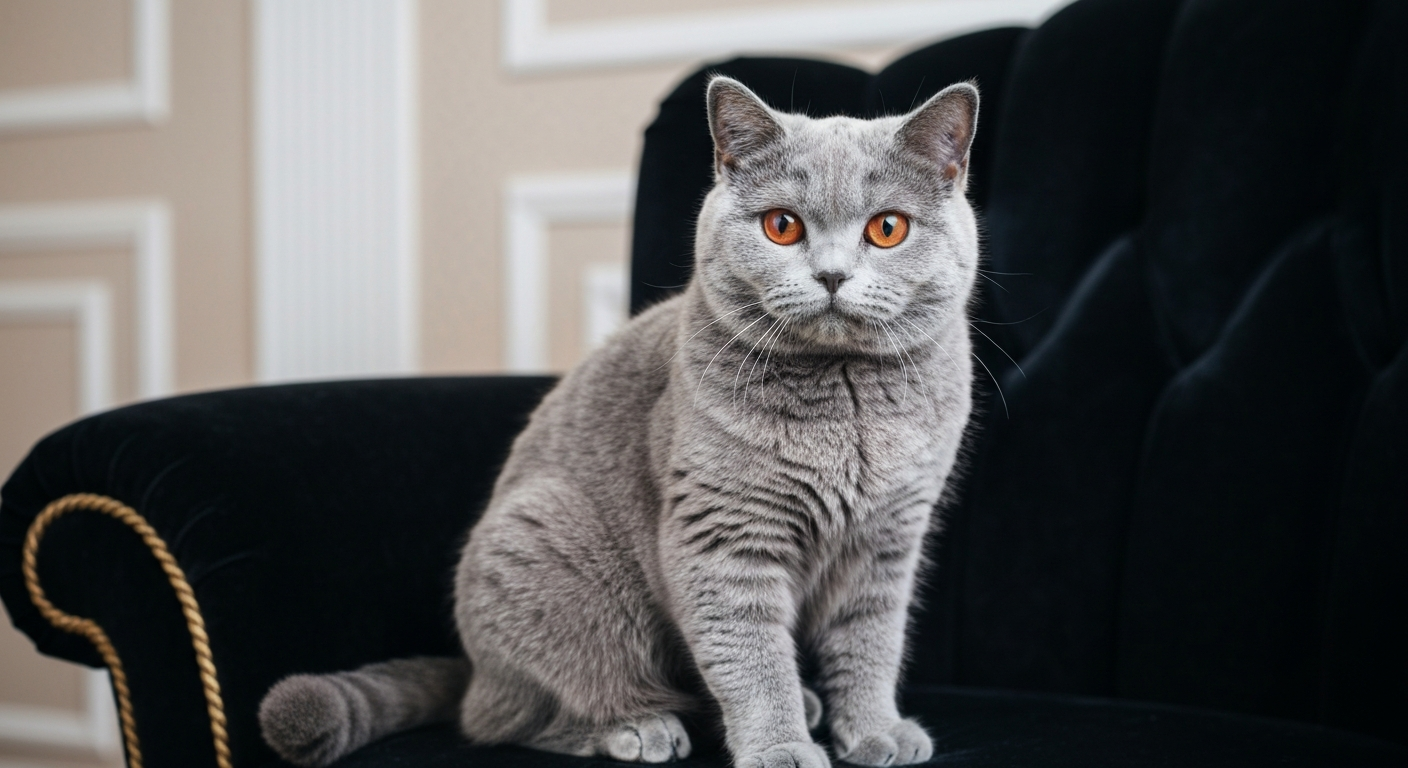
So, you’ve been captivated by those plush cheeks, dense coat, and soulful copper eyes. The British Shorthair, with its sturdy build and gentle demeanor, is the veritable teddy bear of the feline world. It’s no wonder you’re considering bringing one into your home. But before you dream of cuddles and quiet purrs, there’s a practical question to answer: What is the British Shorthair cat price? The answer, you'll find, is more than just a number—it's an investment in a healthy, happy companion for years to come.
In this comprehensive guide, we'll break down everything you need to know about the cost of a British Shorthair in 2026, from the initial purchase price to the long-term expenses you can expect. Let's dive in.
The upfront cost: How much is a British Shorthair kitten in 2026?
Let's get straight to the point. The initial price tag for a purebred British Shorthair kitten from a reputable, registered breeder can be surprising if you're not prepared. You are not just buying a cat; you are paying for health, temperament, and ethical breeding practices.
Generally, you can expect the price range to fall into these brackets:
| Quality / Type | Average Price Range (USD) | Description |
|---|---|---|
| Pet Quality | $1,500 - $3,500 | This is a healthy, purebred kitten intended as a companion pet. It will come with a spay/neuter contract and limited registration. |
| Show Quality | $3,500 - $5,000+ | This kitten meets the breed standard almost perfectly and has the potential to compete in cat shows. It may come with full registration. |
| Rare Color / Pattern | $2,500 - $6,000+ | Classic blue is most common. Rarer colors like cinnamon, fawn, or certain colorpoint patterns command a higher price due to complex genetics. |
| With Breeding Rights | $4,000 - $8,000+ | Sold only to registered, ethical breeders. This price is significantly higher and not applicable for the average pet owner. |
Adopting a British Shorthair from a rescue is another wonderful option. While less common, breed-specific rescues or shelters may have adults or mixes available for a much lower adoption fee, typically $150 - $400.
What factors influence the price of a British Shorthair?
You might be wondering why there's such a wide price range. Several key factors contribute to the final cost of a kitten. A good breeder invests an enormous amount of time, money, and love into their cats, and that is reflected in the price.
- Breeder's Reputation and Location:
- Established breeders registered with organizations like The International Cat Association (TICA) or the Cat Fanciers' Association (CFA) have higher standards and, therefore, higher costs. Prices also vary by country and even state due to demand and cost of living.
- Pedigree and Bloodline:
- Kittens from champion bloodlines with a long lineage of award-winning ancestors will always be more expensive. These cats are prized for their exceptional conformation to the breed standard and proven health.
- Coat Color and Eye Color:
- The classic blue-gray coat with copper eyes is iconic, but British Shorthairs come in a vast array of colors and patterns. Rarer and more difficult-to-produce colors like cinnamon, fawn, or odd-eyed (one blue, one copper eye) will fetch a premium price.
- Health Screenings and Vet Care:
- This is non-negotiable and a major part of the cost. Reputable breeders screen their breeding cats for genetic conditions like Polycystic Kidney Disease (PKD) and Hypertrophic Cardiomyopathy (HCM). The kitten will also have its first set of vaccinations, deworming, and a health check before going home.
- Inclusions:
- The price typically includes initial vaccinations, a veterinary health certificate, a health guarantee, registration papers (limited for pets), and often a kitten starter pack with food and toys.
The danger of the 'cheap' British Shorthair
If you see an advertisement for a British Shorthair kitten for a few hundred dollars, you should be extremely cautious. This is a massive red flag for a backyard breeder or a kitten mill. While the low price is tempting, it often leads to heartbreak and massive vet bills down the road.
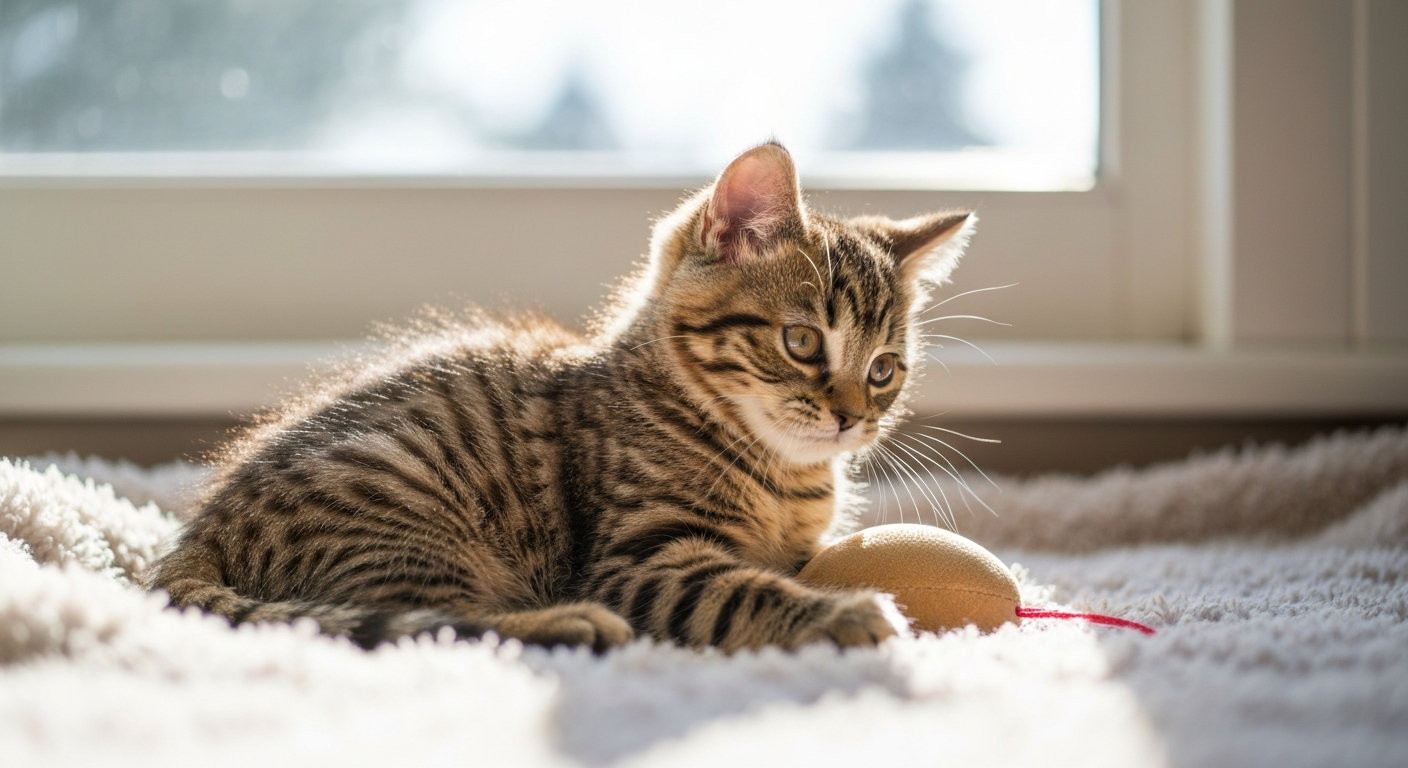
These operations cut corners by:
- Skipping essential genetic health screenings.
- Providing poor nutrition and unsanitary living conditions.
- Forgoing proper veterinary care and vaccinations.
- Creating poorly socialized, fearful kittens.
Investing in a kitten from a reputable breeder is the best way to ensure you get a healthy, well-adjusted companion. The long-term cost of dealing with genetic diseases or severe behavioral problems will far outweigh the initial savings from a cheap seller. Proper breeding is the first step in good preventative health care for your future pet.
Beyond the purchase price: The lifetime cost of owning a British Shorthair
The initial price is just the beginning. Responsible pet ownership involves budgeting for your cat's needs throughout its long life. Here’s a realistic breakdown of what you can expect to spend.
One-time setup costs
| Item | Estimated Cost (USD) |
|---|---|
| Litter Box & Scoop | $30 - $70 |
| Food and Water Bowls | $20 - $50 |
| High-Quality Carrier | $40 - $80 |
| Scratching Post / Cat Tree | $50 - $200 |
| Beds and Blankets | $30 - $60 |
| Grooming Tools (Brush, Nail Clippers) | $20 - $40 |
| Initial Supply of Toys | $20 - $50 |
| Total Estimated Setup Cost | $210 - $550 |
Annual recurring costs
These are the ongoing expenses you'll need to budget for each year. British Shorthairs are a medium-to-large breed, so their food consumption will be higher than that of a smaller cat.
| Expense Category | Estimated Annual Cost (USD) |
|---|---|
| High-Quality Cat Food (Wet & Dry) | $600 - $1,200 |
| Cat Litter | $200 - $400 |
| Annual Vet Check-up & Vaccinations | $150 - $300 |
| Flea, Tick, and Worm Prevention | $150 - $250 |
| Pet Insurance (Optional but Recommended) | $300 - $600 |
| Toys and Treats | $100 - $200 |
| Total Estimated Annual Cost | $1,500 - $2,950 |
Is a British Shorthair the right cat for you?
Beyond the cost, it's vital to ensure this breed's personality fits your lifestyle. British Shorthairs are known for being placid, quiet, and dignified. They are affectionate but not needy; they enjoy being near their people but aren't typically lap cats. They are independent and content to entertain themselves, making them a good fit for busy individuals or families.
They are moderately active and enjoy a good play session, but they are equally happy to snooze in a sunbeam. Their easygoing nature makes them great with children and other pets when introduced properly. If this temperament sounds perfect, then the investment is likely worthwhile. If you're looking for a more active or vocal companion, you might want to explore other amazing cat breeds to find your perfect match.
Ultimately, the price of a British Shorthair is a reflection of the care, health, and quality genetics that go into raising these wonderful cats. By choosing a reputable breeder or considering adoption, you're not just buying a pet—you're welcoming a loving, long-term family member into your life. The initial investment pays dividends in the form of a healthy, happy, and truly charming companion for up to 20 years.
Frequently Asked Questions
How much does a British Shorthair kitten cost in 2026?
From a reputable breeder, you can expect to pay between $1,500 and $3,500 for a pet-quality British Shorthair kitten in 2026. Prices can exceed $4,000 for kittens with show-quality potential or rare coat colors.
Why are British Shorthair cats so expensive?
Their high price is due to responsible breeding practices, which include extensive genetic health screening for parents, high-quality nutrition, veterinary care for the mother and kittens, vaccinations, microchipping, and the breeder's investment in maintaining champion bloodlines. You are paying for a healthy, well-socialized pet.
What is the average lifespan of a British Shorthair?
British Shorthairs are a generally healthy and robust breed. With proper care, nutrition, and regular veterinary check-ups, they typically live for 12 to 20 years, with many living well into their late teens.
Are British Shorthairs good for first-time cat owners?
Yes, they are an excellent choice for first-time owners. Their calm, independent, and affectionate nature makes them relatively low-maintenance and easy to care for. They are not overly demanding and adapt well to various home environments.