
The Somali cat is a striking breed, often described as a "wild-looking" domestic cat. With their distinctive ticked coat, large ears, and almond-shaped eyes, they immediately capture attention. Beyond their captivating appearance, many potential and current Somali owners wonder about their physical dimensions. How large do these energetic felines typically get? What constitutes a healthy weight for a Somali cat? Understanding your Somali's size and weight is essential for their overall health and well-being, directly influencing their care and daily needs. Let's explore what you can expect from these beautiful cats.
Understanding Somali Cat Size and Physique
Somali cats are often mistaken for Abyssinian cats, their short-haired relatives. They share a similar build: elegant, slender, and muscular, contributing to an athletic appearance. They are not stocky or cobby but possess a lithe, graceful frame. This build enhances their incredible agility and energy. When you picture a Somali, imagine a cat built for action – quick, nimble, and always ready for a game or an exploration.
- Characteristic:
- Somali cat
- Typical height (at shoulder):
- 9 to 11 inches (23 to 28 cm)
- Typical length (nose to tail tip):
- 15 to 20 inches (38 to 51 cm)
- Body type:
- Slender, muscular, lithe, athletic
- Coat type:
- Double coated, ticked, medium-long
Adult Weight Expectations
For adult Somali cats, a healthy weight range is generally between 7 to 10 pounds (approximately 3.2 to 4.5 kg). Males may fall on the higher end of this spectrum, while females often weigh a bit less. It's important to remember these are averages. A Somali cat's weight should be considered alongside their body condition. You should be able to feel their ribs easily under a thin layer of fat, and they should have a visible waist when viewed from above. A Somali that is significantly over or underweight may face health issues, so monitoring their weight is a key part of preventative cat health care.
| Gender | Average Weight Range (lbs) | Average Weight Range (kg) |
|---|---|---|
| Female | 7 - 9 | 3.2 - 4.1 |
| Male | 8 - 10 | 3.6 - 4.5 |
Growth and Development Stages
Like all kittens, Somali kittens are small and grow rapidly in their first few months. They typically reach sexual maturity around 5 to 8 months of age, but this does not signify the end of their growth. Their physical development continues throughout their first year and can extend into their second year, particularly in terms of muscle development and refining their elegant physique. Owners should provide age-appropriate nutrition to support healthy growth without encouraging obesity. Young Somalis will be full of boundless energy, often appearing skittish or darting due to their speed and developing coordination.
Kittenhood (0-6 Months)
During this stage, kittens experience rapid growth. Their weight increases steadily, and they become more coordinated, though still prone to occasional tumbles as they learn to control their bodies. Focus on high-quality kitten food formulated for growth. Playtime is essential for their development, encouraging muscle building and coordination.
Adolescence (6-18 Months)
This is a transitional period where your Somali kitten becomes a young adult. They will continue to fill out, gaining muscle and length. While they might appear lanky, their frame is developing adult musculature. Their playful antics will continue, and they require ongoing engagement to channel their energy positively. Ensure their diet still supports their growth needs, but begin transitioning towards adult formulas as they approach 12 months.
Adulthood (18+ Months)
By 18 months, most Somali cats have reached their full adult size and weight. Their body should be lean and athletic. Any weight gain after this point, if not for a specific veterinary reason, is likely excess and could lead to health issues. Regular monitoring of their body condition score is important.
Factors Influencing Somali Cat Size and Weight
Several factors can influence how large your Somali cat grows and their ultimate weight. Genetics play a significant role, of course. Some lines may naturally produce slightly larger or smaller cats. However, lifestyle and diet are critical for managing their condition.
Diet and Nutrition
A balanced diet is fundamental for healthy growth and maintaining an ideal weight. For kittens, high-quality kitten food is essential to provide the necessary nutrients for rapid development. As they mature, transitioning to an adult cat food appropriate for their activity level is important. High-protein, moderate-fat diets generally suit the athletic Somali. Avoid free-feeding, which can lead to overeating and obesity. Instead, feed measured meals twice a day. If you're unsure about the best diet, consult your veterinarian or a feline nutritionist. Understanding nutritional needs is part of responsible pet ownership.
Activity and Exercise
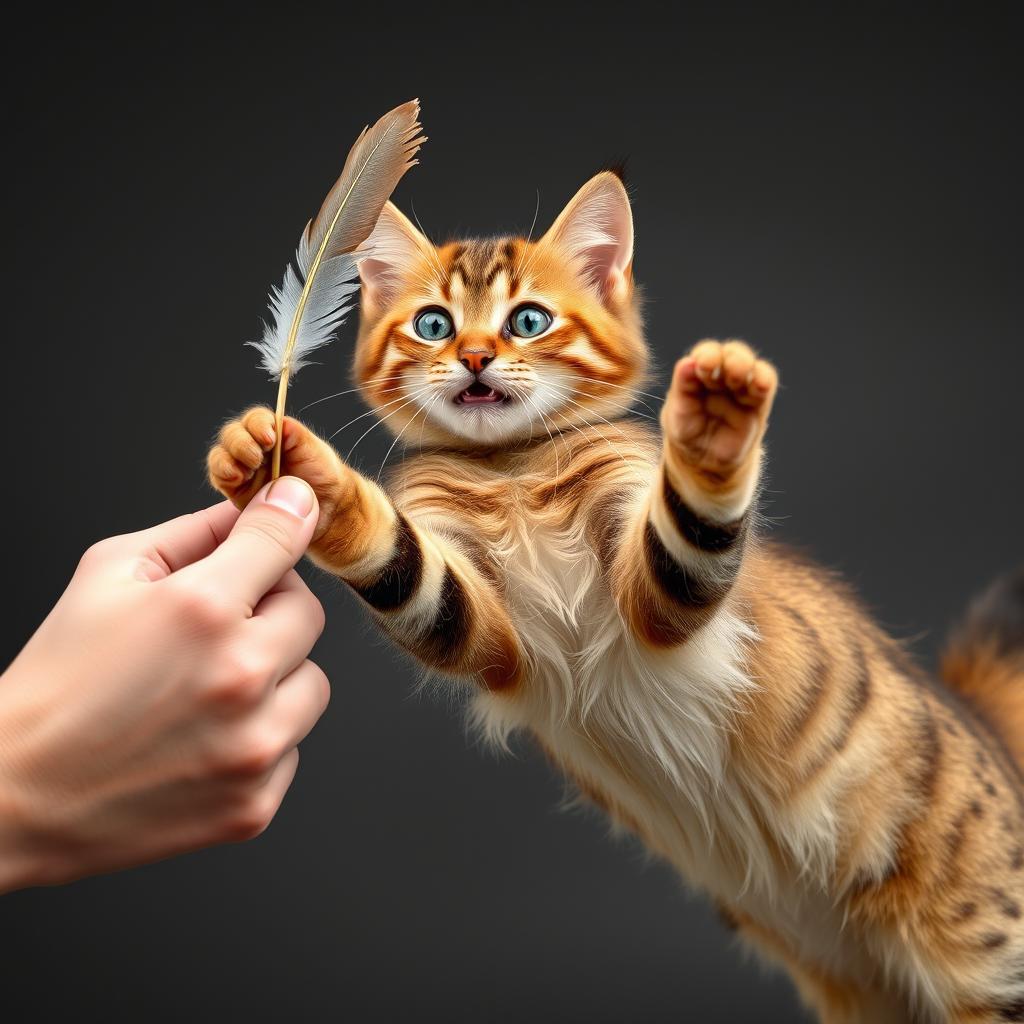
Somali cats are known for their energy. They need ample opportunities for play and mental stimulation. Without adequate exercise, even a breed predisposed to leanness can become overweight. Interactive play sessions with feather wands, laser pointers (used responsibly, ending with a tangible reward), or puzzle toys will help them burn calories and maintain muscle tone. Provide climbing opportunities through cat trees and shelves, as they love to observe their surroundings from high vantage points. A bored Somali is more likely to engage in destructive behaviors or overeat.
Health Considerations
While Somalis are generally a robust breed, underlying health conditions can affect their size and weight. Dental problems, for instance, can lead to a decreased appetite and weight loss. Other medical issues might cause lethargy, reducing their activity and potentially leading to weight gain. Behavioral changes like hiding or reduced vocalization could signal discomfort or illness. If you notice sudden or significant changes in your Somali's weight or eating habits, it's essential to consult your veterinarian promptly. They can rule out any medical conditions and provide appropriate guidance. For general health advice, check our cat health care section.
Maintaining a Healthy Weight for Your Somali Cat
Keeping your Somali cat at a healthy weight involves a combination of appropriate feeding, consistent exercise, and regular health checks. Here's how you can help your Somali thrive:
- Portion control: Measure your cat's food accurately for each meal. Consult your veterinarian for recommended daily caloric intake based on your cat's age, activity level, and metabolism.
- Quality food: Choose high-quality cat food that is rich in protein and appropriate for their life stage. Avoid foods with excessive fillers or artificial ingredients.
- Interactive play: Engage your Somali in at least 15-30 minutes of active play daily. Vary the toys to keep them stimulated.
- Environmental enrichment: Provide vertical space (cat trees, shelves) and puzzle feeders to encourage natural hunting and foraging behaviors, which also burn calories.
- Regular vet check-ups: Annual (or semi-annual for seniors) veterinary visits are crucial for monitoring weight, body condition, and overall health. Your vet can assess if your cat is at a healthy weight for their frame.
- Behavioral observation: Pay attention to your cat's energy levels and habits. A Somali that is less active or eating more than usual might need a dietary adjustment or a vet visit.
Conclusion
The Somali cat is a medium-sized, athletic breed, typically weighing between 7 to 10 pounds as adults. Their elegant build reflects their energetic and graceful nature. By understanding their growth stages, providing a balanced diet, ensuring sufficient exercise, and maintaining regular veterinary care, you can help your Somali cat maintain an ideal weight and live a long, healthy, and active life. Their playful spirit and engaging personalities are sure to bring joy for many years to come.
Frequently Asked Questions
What is the average adult Somali cat's weight?
Adult Somali cats typically weigh between 7 to 10 pounds (approximately 3.2 to 4.5 kg). Males may be slightly heavier than females. These figures represent a healthy range for their slender and athletic build.
How tall is a Somali cat?
Somali cats are medium-sized cats. They stand about 9 to 11 inches (23 to 28 cm) tall at the shoulder. Their length from nose to tail tip is usually around 15 to 20 inches (38 to 51 cm), but this can vary.
When do Somali cats reach their full size?
Somali cats generally reach their full adult size and weight by about 12 to 18 months of age. However, they may continue to mature in terms of muscle development and body fineness for a bit longer, up to around two years old.
What are the key behavioral signs to watch for regarding a Somali cat's health and size?
As a behaviorist, I emphasize observing changes. If your Somali cat shows unusual lethargy, hides more than usual, has a decreased appetite, or becomes reluctant to jump or play, these could be subtle signs of illness or discomfort related to their physical condition. Consult your veterinarian if you notice significant behavioral shifts. For more on typical feline behaviors, explore our <a href="https://breedexplorer.com/cat-behavior">cat behavior</a> section.