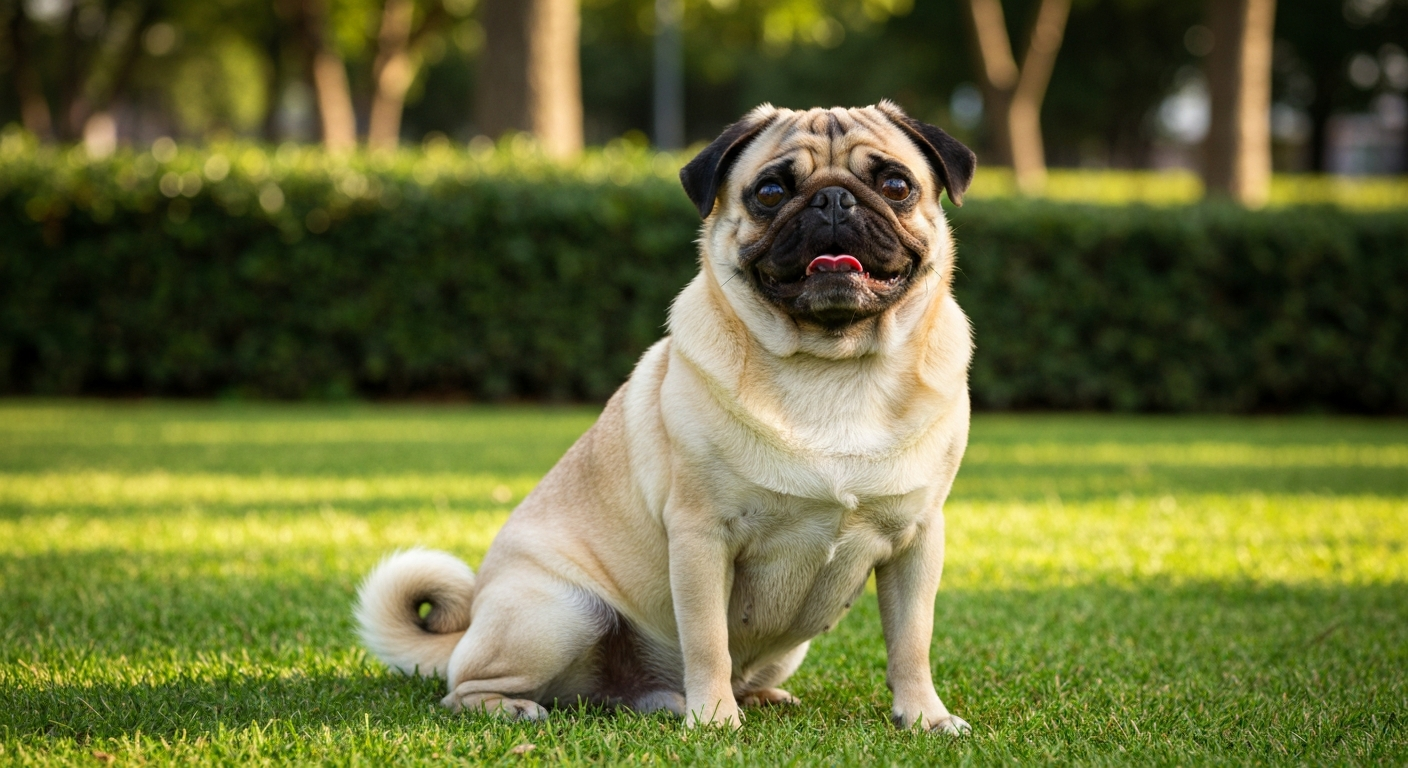
Welcoming a pug into your home is an exciting experience. These wrinkly-faced dogs quickly become cherished family members. While Pugs are known for their comical antics, they also possess a surprising determination. Many new owners expect a mellow lapdog, but they soon discover a spirited companion who loves to test boundaries.
As a pet behaviorist, I've spent years understanding canine behavior. Training a pug isn't about demanding strict obedience; it's about understanding their unique personality and working with their natural instincts. With patience, consistency, and positive reinforcement, you can help your pug learn essential manners and confidently navigate daily life.
Understanding the unique pug temperament
Effective training begins with understanding what truly motivates your pug. Historically bred as companion animals for royalty, pugs don't possess the strong working drive of herding breeds or the acute instincts of tracking hounds. Instead, their primary motivators are companionship, comfort, and, of course, food. This breed is also highly sensitive to human emotions, meaning they'll quickly pick up on your mood during training sessions.
If you become frustrated or raise your voice, your pug will likely withdraw. A stressed pug may avoid eye contact, turn away, or simply freeze. To get the best results, keep your training sessions light, fun, and rewarding. When they understand that cooperating with you brings praise and tasty treats, they'll become eager participants.
Essential pug training tips for beginners
Consistency is key when working with a young or newly adopted pug. Since they have short attention spans, long training sessions will frustrate both of you. Aim for three to five short sessions throughout the day rather than one long session. This makes training feel like a fun activity, not a duty.
Here are the main behavioral traits you will encounter and how to manage them during your daily routines:
- Food motivation
- Pugs are highly motivated by treats, making food an excellent training tool. Since they gain weight easily, always use tiny, low-calorie rewards.
- Short attention span
- They get bored quickly with repetitive tasks. Keep sessions under five minutes and vary activities to maintain their interest.
- Emotional sensitivity
- They pick up on your tone instantly. A cheerful, happy voice is very effective, while harsh corrections will only make them fearful or resistant.
- Distractibility
- A sudden noise or scent can easily pull their attention away. Start training in a quiet indoor space before moving to more active environments.
The importance of high-value, low-calorie rewards
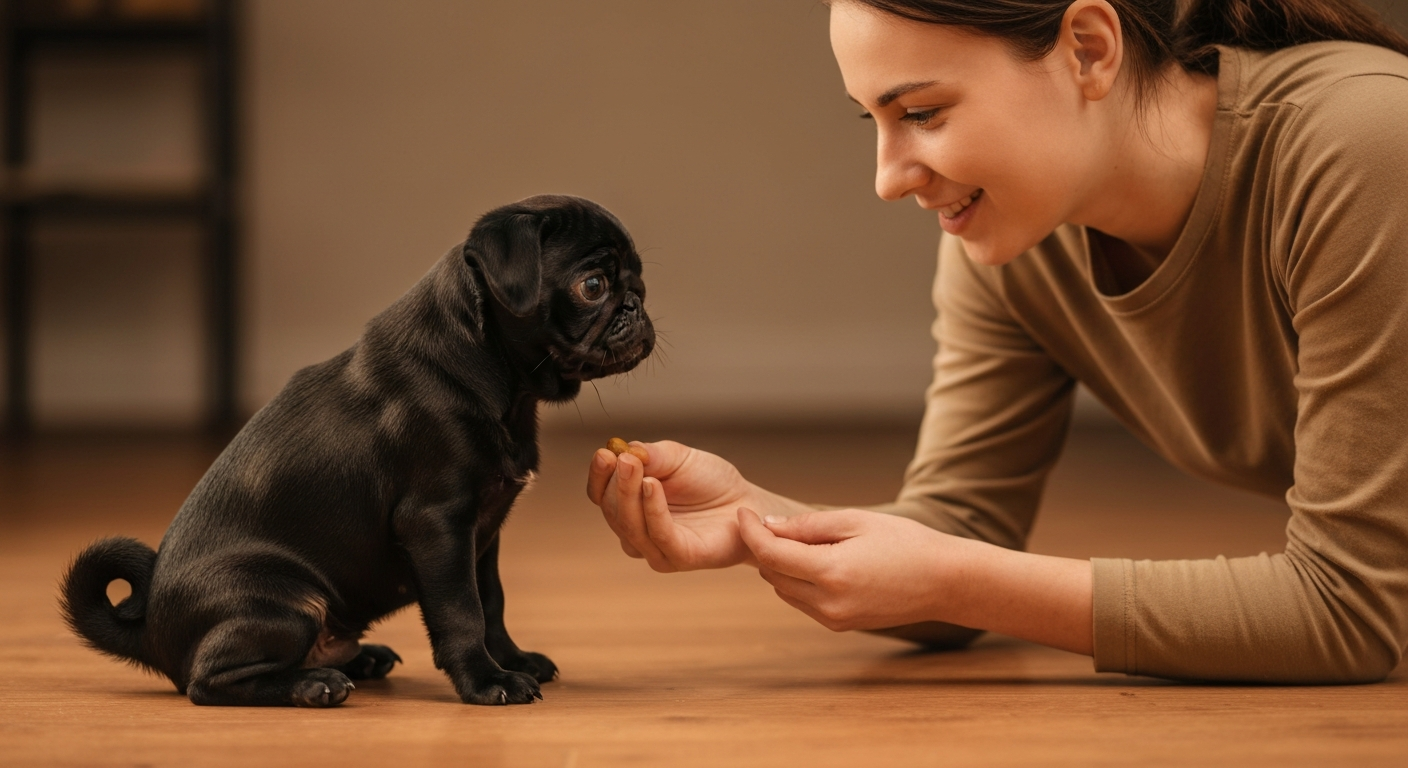
Because food is such a powerful motivator for pugs, treats are an invaluable tool for nearly every training step. However, excess weight can quickly lead to breathing difficulties and joint strain in this breed. Managing treats is crucial for their long-term health. Cut training treats into very small pieces, about the size of a split pea. Excellent choices include boiled chicken breast, small pieces of freeze-dried liver, or even green bean slices. Always adjust your pug's regular meal portions to account for training treats, which helps them maintain a healthy weight.
Housebreaking your pug puppy with a structured schedule
Housebreaking is often one of the more challenging parts of raising a pug. Their small bladder capacity means they cannot hold their urine for long, and they are known for disliking bad weather. If it is cold, wet, or windy outside, your pug might decide that the living room rug is a more appealing option than wet grass.
The most effective way to housebreak your puppy is to prevent accidents before they happen by keeping them on a consistent, predictable daily schedule. This structured routine can help you guide their progress:
| Time of Day | Activity Type | Training Focus and Actions |
|---|---|---|
| Early Morning | Immediate outdoor trip | Take your puppy out immediately upon waking. Wait for them to eliminate without playing first, then reward them instantly. |
| Mid-Morning | Post-meal outdoor trip | Dogs usually need to eliminate 15 to 30 minutes after eating. Take them to their designated spot and wait. |
| Afternoon | Supervised play and rest | Keep your puppy close to you or in a crate. Watch for signs like sniffing, circling, or sudden restlessness. |
| Evening | Post-dinner trip | Maintain a consistent feeding schedule to ensure their bowel movements remain highly predictable. |
| Late Night | Final outdoor trip | Take your dog out right before bedtime. Quietly reward them and put them directly to bed to establish sleep patterns. |
Praise your pug and give them a treat the moment they finish eliminating in the right spot. Reward them immediately outside, rather than waiting until you get back indoors, so they associate the treat with the successful potty break. If they have an accident indoors, clean the spot thoroughly with an enzymatic cleaner to remove the scent. Avoid scolding your dog, as punishment only teaches them to hide their accidents from you.
Leash training and safe exercise habits
Leash training a pug needs patience and the correct equipment. Because pugs are a brachycephalic breed, pressure on their necks can cause breathing difficulties or eye strain. Always avoid attaching a leash to a standard collar for walks.
Instead, use a supportive, Y-shaped harness that spreads pressure across the chest. For details on choosing gear and introducing your puppy to new environments, read our dog guides. Begin your leash training indoors without distractions. Let your dog wear the harness around the house for short periods while offering treats, helping them form a positive association with the harness.
When you go outside, stop walking immediately if your dog pulls. Stand still and wait for them to look back at you. As soon as they slacken the leash, praise them, offer a treat, and keep walking. This teaches them that pulling stops the fun, while a loose leash gets them where they want to go.
Common training challenges and how to solve them
You will likely face a few behavioral hurdles as your pug grows, but knowing how to handle these moments keeps training on track.
Managing demand barking
Pugs are expressive and will bark or whine to get attention, food, or play. Looking at, talking to, or comforting your dog when they do this only strengthens the behavior. Instead, respond to demand barking with complete silence. Turn your back and ignore them. The moment your dog is quiet for five seconds, reward them with attention or a toy. They will soon learn that quiet behavior earns rewards.
Overcoming crate training resistance
Because pugs are very social companion dogs, they might initially struggle with crate training. Never use the crate as punishment. Feed them their regular meals inside with the door open, and place a comfortable bed inside along with a durable toy stuffed with a safe, appealing treat, such as peanut butter. Slowly practice closing the door for short intervals while they eat, and gradually increase the time over several weeks.
To learn more about dog development and breed traits, visit our section on dog breeds.
Nurturing a lifelong partnership
Training is about establishing clear, compassionate communication rather than expecting blind obedience. When you set consistent boundaries with patience and empathy, you'll discover your pug is very eager to please. Keep your sessions light, stay patient, and celebrate every step of progress.
Frequently Asked Questions
Are Pugs hard to train?
Pugs are independent and can be stubborn, but they are highly food-motivated. When you use positive reinforcement, short sessions, and high-value rewards, they learn very quickly.
How long does it take to housebreak a Pug?
Because of their small bladders, housebreaking a Pug typically takes between four to eight months of consistent scheduling, frequent outdoor trips, and immediate rewards.
Why does my Pug ignore my commands?
Pugs often ignore commands if training sessions are too long, boring, or if they pick up on your frustration. Keep sessions under five minutes and always end on a positive, rewarding note.