Discover the perfect pet by exploring expert guides on traits, health, and temperament.
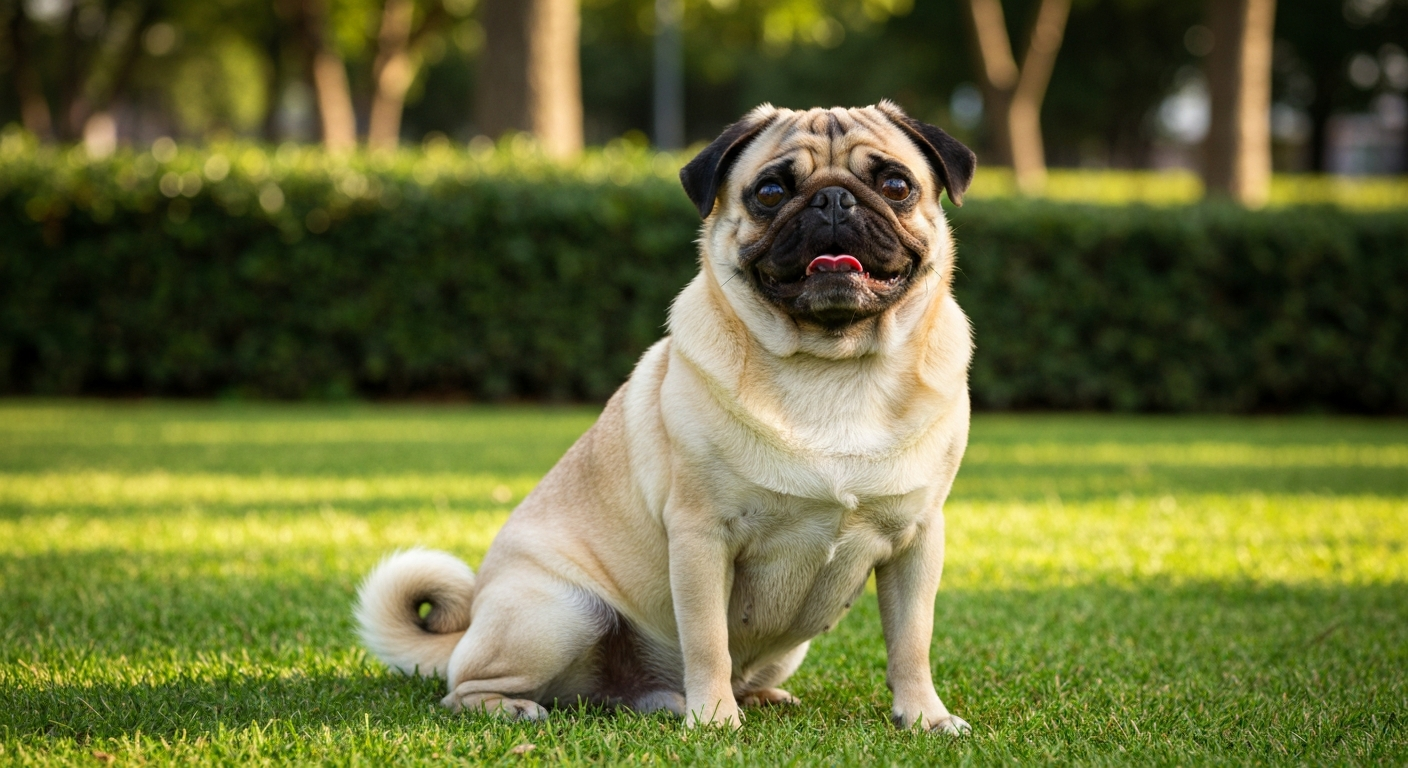
The Pug, an ancient breed renowned for its distinctive wrinkled face and charming personality, is a beloved companion dog celebrated worldwide. Originating in China, these small but sturdy canines possess a unique blend of dignified calm and mischievous playfulness. Pugs are excellent family pets, known for their affectionate nature and adaptability to various living environments, from urban apartments to larger homes, making them popular choices among pet ownership enthusiasts.
Train your pug with expert behaviorist advice. Learn positive housebreaking, leash manners, and common solutions to build a strong, happy bond with your unique companion.
Thinking of getting a Pug? Our 2026 expert guide covers all the Pug pros and cons, from their loving personality to serious health problems. Find out now.
Want to know what living with a Pug is really like? Discover their affectionate personality, training quirks, and family compatibility in our expert guide.
With their short snouts and brachycephalic structure, Pugs require specific considerations regarding their health and environment. Owners must be vigilant about temperature regulation, as Pugs are prone to overheating, especially in warm climates. Regular veterinary check-ups are essential to monitor for common breed-specific conditions, including respiratory issues, eye problems, and patellar luxation. Despite these considerations, a well-cared-for Pug can enjoy a long, happy life, bringing immense joy to its human companions. Their relatively low exercise needs make them suitable for individuals seeking a less demanding but equally devoted canine friend, though daily walks are still crucial for their overall well-being and to prevent obesity.
Pug Care: Temperament, Health & Commitment
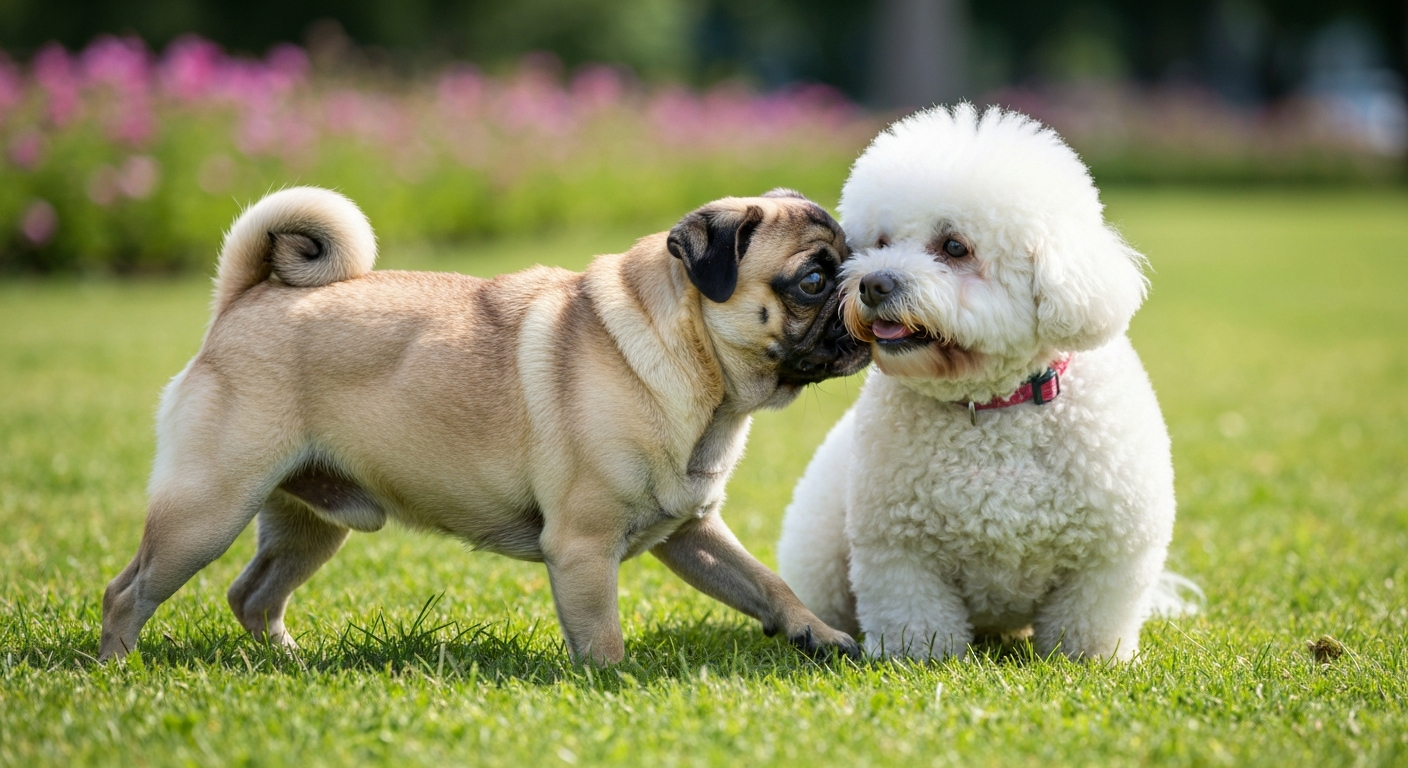
The Pug's temperament is a hallmark of the breed. They are typically even-tempered, sociable, and incredibly devoted to their families. Known for their desire to be close to their human companions, Pugs often follow their owners from room to room, earning them the nickname 'shadows.' While generally good with children and other pets, early socialization is vital to foster a well-adjusted adult. Their intelligence, combined with a touch of stubbornness, means that training requires consistency, positive reinforcement, and patience. Pugs thrive on interaction and can be surprisingly agile and playful when properly stimulated. For those interested in exploring various dog breeds, the Pug offers a distinctive blend of historical charm and modern companionship.