
You see those eyes—soulful, deep-set, and framed by magnificent, drooping ears. The Bloodhound is an undeniable icon, a picture of nobility and gentle charm. It's easy to fall in love with the look, but the real question is, can you live with the dog? Specifically, is a Bloodhound good for first-time owners? The answer isn't a simple yes or no. It's a journey into understanding one of the most unique and demanding breeds you could ever welcome into your home.
As a first-time owner, your initial experience sets the tone for a lifetime of pet ownership. Choosing the right breed is paramount. While Bloodhounds are loving and gentle, they come with a very specific set of challenges that can overwhelm the unprepared. Let's dig into the beautiful, messy, and rewarding reality of life with a Bloodhound.
Unpacking the Bloodhound temperament: more than a gentle giant
At their core, Bloodhounds are sweet-natured, affectionate souls. They often form powerful bonds with their families and are typically patient with children. They thrive on companionship and consider themselves part of the pack. However, this 'gentle giant' persona is only one side of the coin. The other side is a relentless, single-minded tracking machine.
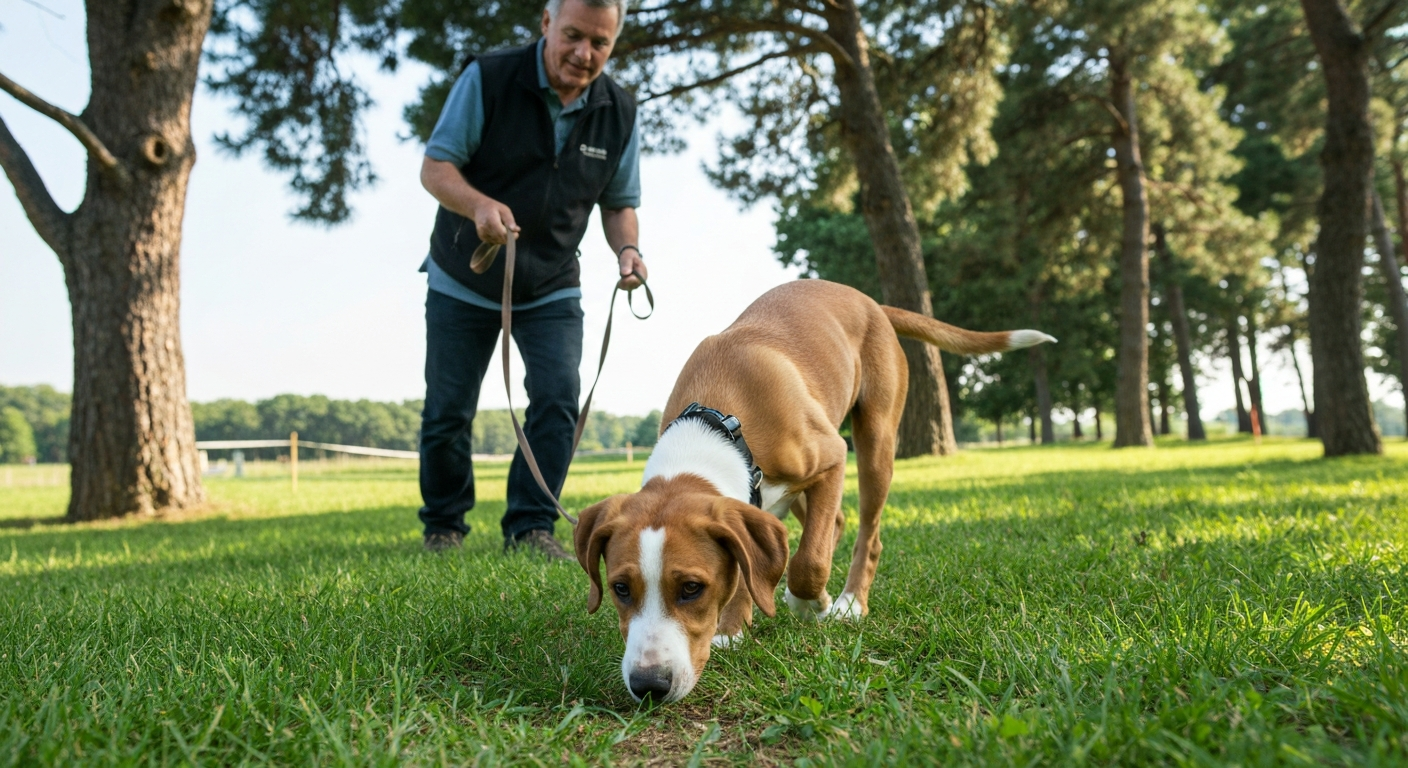
This breed was developed for one purpose: to follow a scent trail for miles, over any terrain, without distraction. This instinct isn't just a quirk; it's the very essence of who they are. When a Bloodhound catches an interesting smell, the rest of the world fades away. Your commands? They become background noise. This isn't disobedience in the traditional sense; it's what they were born to do. For a novice owner, this can be incredibly frustrating.
- Affection Level:
- Very high. They crave family time and can be prone to separation anxiety if left alone for too long.
- Independence:
- Extremely high when on a scent. Their nose is their master, and you are a distant second.
- Energy Level:
- Moderate to high. They have immense stamina rather than explosive, bouncy energy.
- Sensitivity:
- High. They are sensitive souls who shut down with harsh training methods. Patience is your greatest tool.
- Sociability:
- Generally good with other dogs, especially when socialized early. They have strong pack instincts.
The nose knows: training a scent-driven dog
If you're looking for a dog that will heel perfectly off-leash and hang on your every word at the dog park, the Bloodhound is probably not for you. Training this breed requires a complete shift in perspective, especially for a beginner. You aren't training a dog to obey you; you're building a partnership with a specialist who has a very important job to do (in their mind, at least).
Key training challenges for beginners:
- Recall is a Myth: The single most important thing a first-time owner must accept is that a Bloodhound can never be trusted off-leash in an unenclosed area. Their nose will inevitably lead them into danger—across roads, into dense woods, or miles away from home.
- Stubborn Streak: Their independence is often interpreted as stubbornness. They know the 'sit' command, but that squirrel scent from three houses down is far more interesting. You need immense patience and high-value rewards to keep their attention.
- Leash Manners: A Bloodhound's natural instinct is to pull on the leash with their nose to the ground. Teaching them to walk politely is a major, ongoing task that starts from day one. Investing in proper dog training techniques and equipment, like a front-clip harness, is essential.
The key to success is embracing their nature. Instead of fighting it, channel it! Scent work games, tracking classes, and long 'sniffy walks' where they are allowed to lead the way and explore with their nose are fantastic ways to bond and provide mental stimulation.
Energy and exercise: it's a marathon, not a sprint
Don't let their droopy, sleepy expression fool you into thinking they are lazy. While they are happy to lounge on the couch after their needs are met, a bored Bloodhound is a destructive Bloodhound. They possess incredible stamina designed for long-distance tracking.
Your Bloodhound will need at least 60-90 minutes of exercise every day. This shouldn't be high-impact running, but rather long, steady, leashed walks. A securely fenced yard is an absolute non-negotiable for this breed. An invisible fence will not work; the call of a compelling scent will easily overpower a momentary shock. They are also surprisingly adept climbers and diggers, so your fence needs to be tall and secure at the base. General advice on creating a safe environment can be found in our guides to responsible pet ownership.
Grooming, drool, and that signature scent
This is where many potential owners draw the line. The physical maintenance of a Bloodhound is a significant commitment that goes far beyond a simple brushing.
The three 'D's' of Bloodhound care:
1. Drool: We're not talking about a little bit of slobber. Bloodhounds produce epic amounts of thick, stringy drool. It will be on your floors, your walls, your furniture, your clothes, and sometimes even your ceiling. Seasoned owners simply keep 'drool rags' in every room and learn to live with it.
2. Dirt and Debris: Those long, velvety ears are masters at dragging through dirt, mud, and their own food and water bowls. This leads us to the most critical grooming task...
3. Deep Cleaning: The Bloodhound's wrinkles, skin folds, and deep ear canals are breeding grounds for bacteria and yeast. You must commit to a daily or every-other-day routine of cleaning their facial folds and weekly deep ear cleanings. Neglecting this leads to painful infections and costly vet visits. Understanding the basics of canine health and care is vital before bringing one home.
And yes, they have a distinct 'houndy' odor. It's a musky scent that clings to their skin and coat. While regular bathing can help, it's a part of the package that you must be willing to accept.
The financial commitment of a Bloodhound in 2026
Large breeds come with large expenses. Before you fall for a puppy, you need to budget for the reality of their needs. Bloodhounds are prone to certain expensive health conditions like bloat, elbow and hip dysplasia, and chronic ear infections.
| Expense Category | Estimated Annual Cost (USD) | Notes |
|---|---|---|
| High-Quality Food | $1,200 - $1,800 | Large breed formula is essential to support joint health. |
| Routine Vet Care | $500 - $800 | Includes check-ups, vaccines, flea/tick/heartworm prevention. |
| Grooming Supplies | $150 - $250 | Ear cleaner, medicated wipes, shampoo, nail clippers. |
| Training & Socialization | $300 - $600 | Puppy classes are a must, and ongoing training is recommended. |
| Emergency Fund / Insurance | $600 - $1,200 | Highly recommended for conditions like bloat, which can require surgery costing thousands. |
| Total Estimated Annual Cost | $2,750 - $5,650+ | Does not include initial puppy cost, toys, beds, crates, etc. |
So, should a first-time owner get a Bloodhound? The final verdict
A Bloodhound can be a wonderful dog for the *right* first-time owner. But that owner is a very specific person. They are not a good choice for someone who simply wants 'a dog'. They are a lifestyle.
A Bloodhound might be for you if:
- You are incredibly patient and have a great sense of humor.
- You are not a neat freak and don't mind drool, shedding, and a bit of a doggy smell.
- You lead an active lifestyle and love long walks or hikes (on a leash!).
- You have a large, securely fenced yard.
- You are home more often than not and can provide the companionship they need.
- You are committed to consistent, positive-reinforcement training for the dog's entire life.
You should probably consider another breed if:
- You live in an apartment with no immediate access to a secure yard.
- You want a dog you can trust off-leash.
- You are house-proud and cannot tolerate mess.
- You have a very busy schedule and the dog would be left alone for long hours.
- You are easily frustrated by a dog that doesn't obey commands instantly.
If you've read this and feel a bit intimidated, that's okay! It's better to be realistic now than to face a difficult situation later. There are many other wonderful dog breeds that may be a better fit for a true beginner. But if you've read about the drool, the stubbornness, and the endless sniffing and thought, 'Yes, that's the life for me,' then you might just have what it takes. A well-raised Bloodhound is a companion of unparalleled loyalty and affection—a true friend who will, quite literally, follow you to the ends of the earth.
Frequently Asked Questions
Are Bloodhounds lazy dogs?
Not at all. Despite their relaxed appearance indoors, Bloodhounds have incredible stamina built for tracking. They require at least an hour of daily exercise, primarily long, leashed walks that allow them to use their powerful nose.
Do Bloodhounds bark a lot?
Bloodhounds are not typically yappy, but they have a very loud, distinctive, and booming bay. They use this 'voice' when they are on a scent, excited, or sometimes to alert you. It's a sound your neighbors will definitely notice!
How much do Bloodhounds drool?
A significant amount. Bloodhound jowls are designed to trap scent particles, and they also trap saliva. Expect to find strings of drool on your clothes, furniture, and walls. Most owners carry a dedicated 'drool rag' with them at all times.