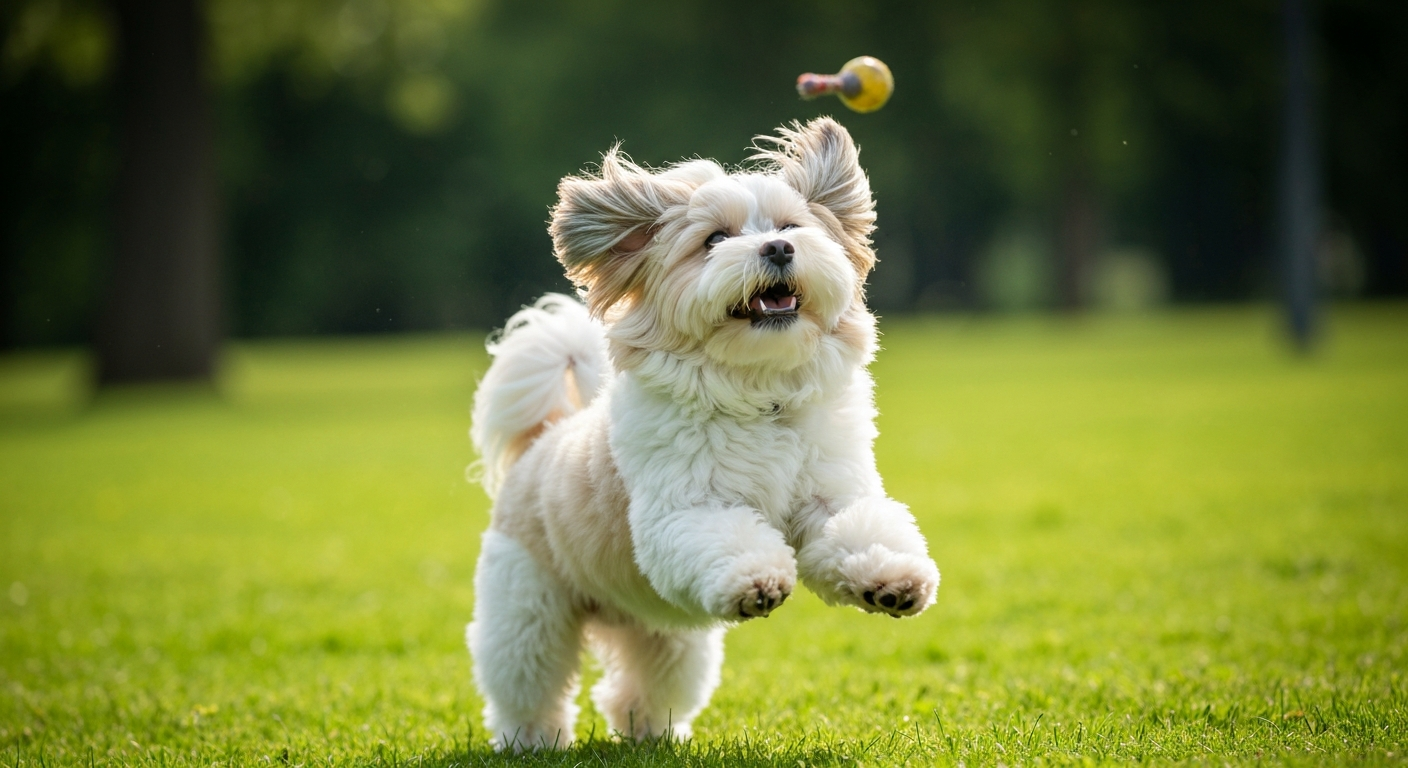
You've been captivated by the Havanese, and it's easy to see why. With their soft fur, bright eyes, and sunny disposition, these small dogs from Cuba have a talent for winning over people's hearts. They're often called "Velcro dogs" because they love to stay close to their owners, leading some to think they're content just lounging around. However, don't let their size fool you. Beneath that charming appearance is a lively spirit with a surprising amount of energy.
A common oversight among new owners is not realizing how much exercise a Havanese actually needs. Seeing a toy breed, they might assume a quick trip outside is sufficient. The reality is, a bored Havanese can quickly develop a knack for getting into mischief. Providing the right amount and type of activity is essential for their physical health and mental state. This guide will help you ensure your Havanese stays happy, healthy, and well-exercised.
The Havanese energy profile: More than just a lap dog
To understand their exercise needs, it helps to know their background. The Havanese wasn't bred for hunting or herding. Instead, they were developed as companions for the Cuban aristocracy. This means they are naturally inclined to be with their people and enjoy interactive play. They are smart, easy to train, and have a playful, clownish nature that enjoys attention. This history shapes their unique energy levels.
- Playful spirit:
- They often keep a puppy's love for games throughout adulthood. A game of fetch or tug is frequently more engaging for them than a repetitive walk.
- High intelligence:
- Their sharp minds need stimulation just as much as their bodies do. Mental tiredness can be as effective in settling them down as physical activity.
- Social nature:
- Havanese thrive on interaction. Exercise that involves you, their favorite person, is always the most rewarding for them.
- Moderate stamina:
- They are more suited for short bursts of energy than long endurance activities. They enjoy periods of activity followed by restful naps, ideally on your lap.
How much exercise does a Havanese really need?
The amount of exercise a Havanese needs changes considerably with age. A lively puppy has very different requirements from an older dog. Let's look at it by life stage.
Havanese puppies (8 weeks to 1 year)
Puppyhood is a period of rapid growth, and it's important to protect their developing joints. Too much exercise for a Havanese puppy can lead to skeletal issues later in life. The general guideline is the "5-minute rule": provide five minutes of structured exercise, such as a leash walk, for every month of the puppy's age, up to twice daily.
- 2 months old: 10 minutes of walking, twice a day.
- 4 months old: 20 minutes of walking, twice a day.
- 6 months old: 30 minutes of walking, twice a day.
The remainder of their active time should be spent in free play within a safe, supervised area. Short training sessions, puzzle toys, and gentle indoor games are excellent for expending that abundant puppy energy without stressing their developing bodies. Introducing structured activity early on is a key part of responsible pet ownership.
Adult Havanese (1 to 8 years)
Once your Havanese reaches full maturity, their exercise needs become more consistent. A healthy adult Havanese typically requires 30 to 45 minutes of moderate exercise daily. This is a general guideline and can be adjusted based on your dog's individual personality and health.
This daily total can be divided into two sessions. For instance, a brisk 20-minute walk in the morning and a 15-minute interactive play session in the evening creates a good routine. A walk offers more than just physical movement; it's a sensory exploration, allowing them to discover the world through smell, which is crucial for mental stimulation.
Senior Havanese (8+ years)
As your Havanese ages, you'll likely notice them becoming less active. They may sleep more and show less interest in extended outings. However, exercise remains important for maintaining muscle tone, keeping joints mobile, and preventing weight gain. The focus shifts from high intensity to consistent, gentle activity.
Opt for shorter, more frequent walks at a gentle pace. Pay close attention to their behavior. If they appear stiff, tired, or hesitant, it's time to end the activity. Swimming can be an excellent low-impact exercise for senior dogs if you have access to a safe aquatic environment. Always discuss an appropriate exercise plan for your aging dog with your veterinarian, as regular check-ups are fundamental to good dog health care.
| Age Group | Daily Exercise Guideline | Recommended Activities |
|---|---|---|
| Puppy (2-6 months) | 5 mins per month of age (twice daily) | Short leash walks, free play, puppy socialization |
| Adolescent (6-12 months) | Up to 30 mins (split sessions) | Longer walks, basic training, puzzle toys |
| Adult (1-8 years) | 30-45 mins | Brisk walks, fetch, agility, playdates |
| Senior (8+ years) | 20-30 mins (gentle pace) | Slow walks, gentle play, swimming |
Beyond the walk: Fun activities to keep your Havanese happy
Walking is beneficial, but variety keeps things interesting! The intelligent Havanese mind enjoys challenges. Introducing different activities helps prevent boredom and strengthens your connection.
Brain games and puzzle toys
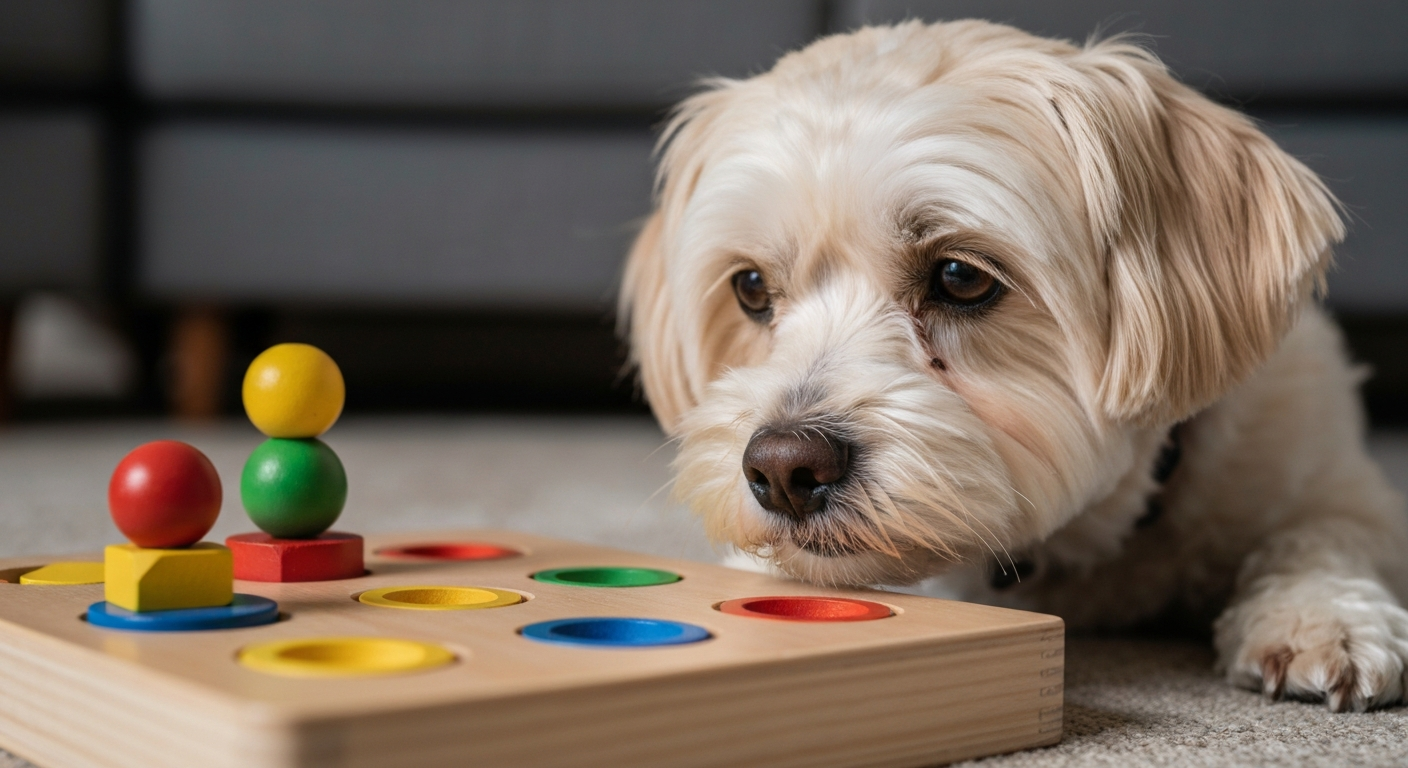
Don't underestimate the impact of mental exercise. Ten minutes of focused problem-solving can be as tiring as a 30-minute walk. Puzzle toys, snuffle mats, and games like hide-and-seek engage their critical thinking skills and natural instincts. This type of enrichment is a fundamental part of effective dog training and fostering a well-behaved companion.
Canine sports for the compact athlete
Their natural agility and desire to please make Havanese well-suited for many canine sports. You don't need to compete at a high level; simply learning the basics can be highly enjoyable for both of you.
- Agility: Setting up a small, low-impact agility course in your yard with tunnels and low jumps provides excellent exercise for both their body and mind.
- Rally Obedience: This sport involves navigating a course with signs that instruct you and your dog to perform various exercises. It's less formal than traditional obedience and emphasizes teamwork.
- Trick Training: Teaching your Havanese tricks such as 'roll over,' 'play dead,' or 'wave' is a wonderful bonding activity that offers significant mental stimulation.
Signs of too much or too little exercise
It's important to observe your dog for indicators that their activity level isn't quite right. While they can't express themselves verbally, their behavior offers clear clues.
Is your Havanese under-exercised?
A Havanese with excess energy will find their own ways to release it, which can sometimes be destructive. Look for these signs:
- Destructive behavior: Chewing on furniture, shoes, or baseboards.
- Excessive barking or vocalization: Barking at every sound or to get attention.
- Hyperactivity: Frequently getting the "zoomies" indoors or having trouble settling down.
- Weight gain: A visible physical sign that they are consuming more calories than they are expending.
Is your Havanese over-exercised?
While less common in this breed, it is possible to overdo it, especially with puppies or senior dogs. Signs include:
- Excessive panting or lameness: Limping or stiffness following exercise.
- Exhaustion: Sleeping more than usual or appearing lethargic.
- Reluctance to play: Losing interest in activities they typically enjoy.
- Irritability: Becoming grumpy or easily agitated.
Finding the right balance is key. Your aim is a dog who is pleasantly tired and content after exercise, not completely worn out.
Conclusion: A balanced approach for a happy companion
Your Havanese doesn't need to conquer mountains or run marathons to be content. What they do need is consistent, thoughtful, and engaging activity that exercises both their body and their sharp mind. A combination of daily walks, interactive play, and mental challenges will lead to a well-behaved, healthy, and closely bonded companion. By understanding and meeting their specific exercise needs, you are doing more than just taking them for a walk, you are nurturing the joyful, affectionate spirit that makes the Havanese so special.
Frequently Asked Questions
Are Havanese good for apartment living?
Yes, Havanese are excellent apartment dogs. Their small size and moderate energy levels make them well-suited for smaller living spaces, provided they receive their required daily walks and mental stimulation.
Can Havanese be good running partners?
Havanese are not built for long-distance running. While they might enjoy a short jog, their primary exercise should be brisk walks, play, and canine sports. Strenuous, high-impact activities can be hard on their joints.
How much exercise does a Havanese puppy need?
A Havanese puppy should follow the '5-minute rule' – five minutes of structured exercise for every month of age, twice a day. This prevents over-exercising and protects their developing joints.
Do Havanese get lazy as they get older?
Like all dogs, Havanese will naturally slow down with age. However, they don't typically become 'lazy.' They still require gentle, regular exercise like short walks to maintain muscle mass, joint mobility, and mental well-being.