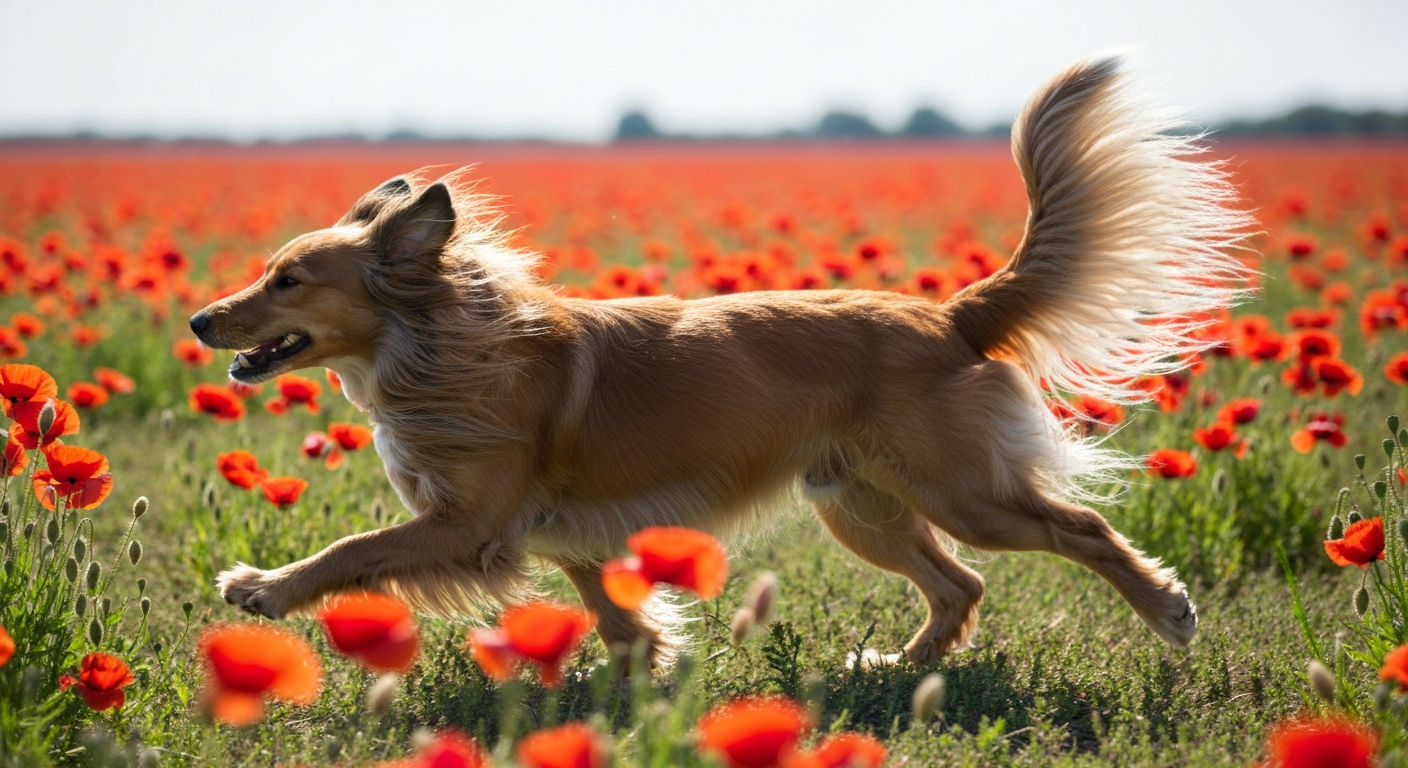
Welcome to the wonderful world of the Havanese! These cheerful, intelligent, and utterly charming dogs bring so much joy with their spirited personalities and silky coats. As a new or seasoned Havanese parent, you know that providing the best care is your top priority. And at the very core of that care is nutrition. The right Havanese diet supports their energy, their coat's luster, their immune system, and their overall longevity. But with so many options out there, how do you choose?
We're here to help. This comprehensive guide will walk you through everything you need to know about Havanese nutrition, from puppyhood to their senior years. Let’s build the perfect meal plan for your little Cuban companion.
Understanding what Havanese need nutritionally
Havanese are small dogs, typically weighing between 7 and 13 pounds, but don't let their size fool you. They are surprisingly energetic and playful. Their diet must provide enough fuel for their activity while being carefully balanced to prevent weight gain, a common issue in smaller breeds. Here are the key components their food must have:
- High-Quality Protein:
- This is essential. Protein supports muscle development, tissue repair, and overall body function. Look for foods with named meat sources like deboned chicken, lamb, fish, or beef listed as the first ingredient. Avoid generic terms like "meat meal."
- Healthy Fats:
- Fats are a concentrated energy source and are vital for a Havanese's famous silky coat. Omega-3 and Omega-6 fatty acids (from sources like fish oil and flaxseed) are particularly important for promoting healthy skin and reducing inflammation.
- Complex Carbohydrates:
- Carbs provide readily available energy. Opt for complex carbs like sweet potatoes, peas, and brown rice, which release energy gradually and provide essential fiber. Simple fillers like corn and wheat can sometimes cause sensitivities in this breed.
- Vitamins and Minerals:
- A balanced blend of vitamins (A, D, E) and minerals (calcium, phosphorus) supports everything from bone health to eyesight. A good commercial dog food will be fortified with these essential micronutrients.
Choosing the best dog food for your Havanese
The pet food aisle can feel overwhelming. Kibble, wet food, fresh-frozen... what's best? Each has its benefits, and the right choice often depends on your dog's preference, your budget, and their specific health needs.
Breaking down the food types
Dry Food (Kibble): This is a popular choice. It's convenient, cost-effective, and the crunchy texture can help reduce tartar buildup on their teeth. For a Havanese, it’s essential to choose a small-breed formula with a small kibble size that's easy for their little mouths to chew.
Wet Food: Canned or pouched food has a high moisture content, which is good for hydration. It's also very palatable, making it a great choice for picky eaters. The downside is that it's often more expensive and must be refrigerated after opening.
Fresh or Raw Diets: These diets are gaining popularity. They consist of fresh, human-grade ingredients, either cooked or raw. Proponents argue they are more natural and digestible. However, they require careful handling to avoid bacterial contamination and must be nutritionally complete. Consulting with a vet is crucial before starting a fresh or raw diet. Proper canine health care starts with a safe and balanced diet.
How much should you feed your Havanese? A portion guide
One of the biggest mistakes owners of small dogs make is overfeeding. Those big, soulful eyes are hard to resist! But obesity can lead to serious health problems like joint stress, diabetes, and heart disease. The feeding guidelines on the back of the dog food bag are a starting point, but you should adjust based on your dog's individual needs.
Here is a sample daily feeding chart. Remember to divide the total daily amount into two or more meals.
| Dog's Weight | Age | Typical Daily Amount (Standard Cup) |
|---|---|---|
| 3-5 lbs | Puppy (2-6 months) | 1/2 to 3/4 cup |
| 3-5 lbs | Adult (Less Active) | 1/3 to 1/2 cup |
| 6-9 lbs | Puppy (6-12 months) | 3/4 to 1 cup |
| 6-9 lbs | Adult (Active) | 1/2 to 2/3 cup |
| 10-13 lbs | Adult (Average Activity) | 2/3 to 1 cup |
| 10-13 lbs | Senior (Less Active) | 1/2 to 3/4 cup |
Pro Tip: Use an actual measuring cup, not just a scoop or a coffee mug. It's the most accurate way to control portions.
Feeding schedule: Havanese puppies vs. adults
A dog's dietary needs change dramatically throughout its life. What's right for a bouncy puppy isn't suitable for a dignified senior.
The puppy stage (Up to 12 months)
Havanese puppies are bundles of energy and are growing rapidly. They need more calories, protein, and specific nutrients like calcium than adult dogs. To prevent hypoglycemia (low blood sugar), which can affect small puppies, it's best to feed them 3-4 small meals spaced throughout the day.
The adult stage (1-8 years)
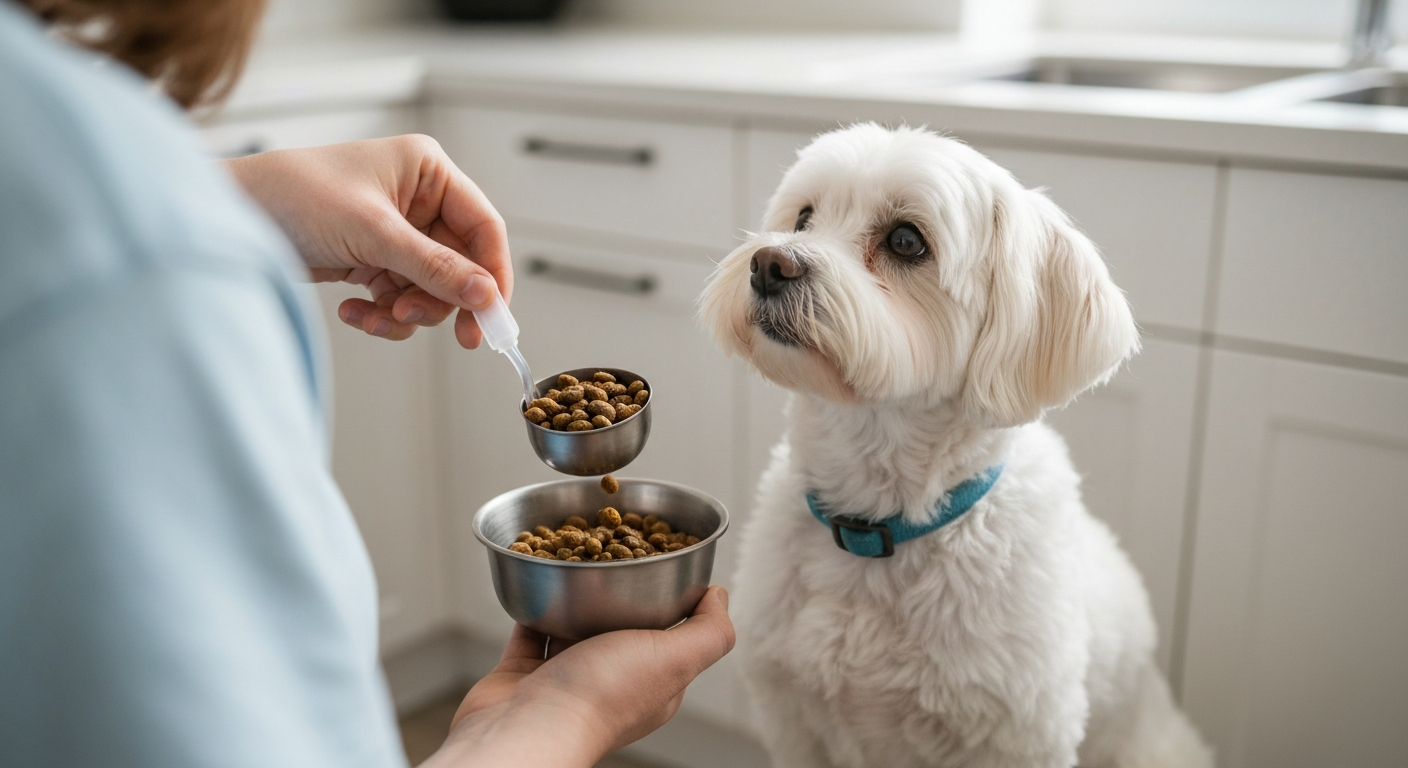
Once your Havanese reaches about one year old, you can transition to an adult formula and reduce feedings to twice a day. Maintain a consistent schedule to help with house training and digestion. This is a great time to explore our other general dog guides for tips on training and enrichment.
The senior stage (8+ years)
As your Havanese ages, their metabolism slows down. They may become less active and prone to weight gain. A senior-specific diet is often lower in calories but higher in fiber. It may also contain supplements like glucosamine and chondroitin to support aging joints.
Common dietary issues and food allergies in Havanese
While generally a healthy breed, Havanese can be prone to certain dietary issues. Being aware of the signs is a key part of responsible pet ownership.
Food allergies and sensitivities
If your Havanese is constantly scratching, has recurring ear infections, or suffers from digestive upset, a food allergy could be the culprit. Common triggers include:
- Chicken
- Beef
- Dairy
- Wheat
- Soy
If you suspect an allergy, work with your vet. They may recommend a food elimination trial, switching your dog to a novel protein (like duck or venison) or a hydrolyzed protein diet to identify the trigger.
Picky eaters
Their clever nature can sometimes extend to their food bowl! If your Havanese is a picky eater, resist the urge to constantly switch foods or add human food toppers. This can reinforce the behavior. Instead, try sticking to a high-quality food they seem to like, adding a splash of warm water to enhance the aroma, and removing the bowl after 15-20 minutes if they don't eat. A healthy dog will not starve itself.
Treats, human foods, and hydration
Treats are an important part of training and bonding, but they should be given in moderation. The golden rule is that treats should make up no more than 10% of your dog's daily caloric intake.
Safe & Healthy Treats:
- Small pieces of carrots or green beans
- Blueberries (rich in antioxidants)
- Single-ingredient jerky treats
- Small training treats designed for small breeds
Dangerous Human Foods to AVOID:
- Chocolate (toxic)
- Grapes and Raisins (can cause kidney failure)
- Onions, Garlic, and Chives
- Xylitol (an artificial sweetener found in many products)
- Alcohol and Caffeine
Finally, always ensure your Havanese has access to fresh, clean water. Hydration is essential for every single bodily function.
Conclusion: a recipe for a happy life
Crafting the perfect Havanese diet isn't about finding one "magic" brand of food. It's about understanding your individual dog's needs, reading labels carefully, and adjusting as they grow and change. By providing a balanced, high-quality diet and controlling their portions, you are giving your cheerful companion the best support for a long, healthy, and vibrant life by your side. You are their chef, their nutritionist, and their whole world, and they'll thank you for it with a lifetime of happy tail wags.
Frequently Asked Questions
What is the best type of food for a Havanese dog?
The best food for a Havanese is a high-quality commercial dog food formulated for small breeds. Look for products with a named meat source (like chicken, lamb, or fish) as the first ingredient and avoid those with excessive fillers like corn, wheat, or soy.
How many times a day should I feed my Havanese puppy?
Havanese puppies, especially those under six months old, should be fed three to four small meals per day to support their rapid growth and maintain stable energy levels. You can transition to two meals per day as they approach adulthood.
Are Havanese prone to developing food allergies?
Yes, some Havanese can be sensitive or prone to food allergies. Common triggers include proteins like chicken and beef, as well as dairy and grains. Symptoms often manifest as skin itchiness, ear infections, or digestive upset.
What human foods are safe for a Havanese?
While most of their diet should be dog food, some human foods are safe as occasional treats. These include small amounts of cooked chicken (unseasoned), carrots, green beans, and blueberries. Always avoid toxic foods like chocolate, grapes, onions, garlic, and anything containing the sweetener xylitol.