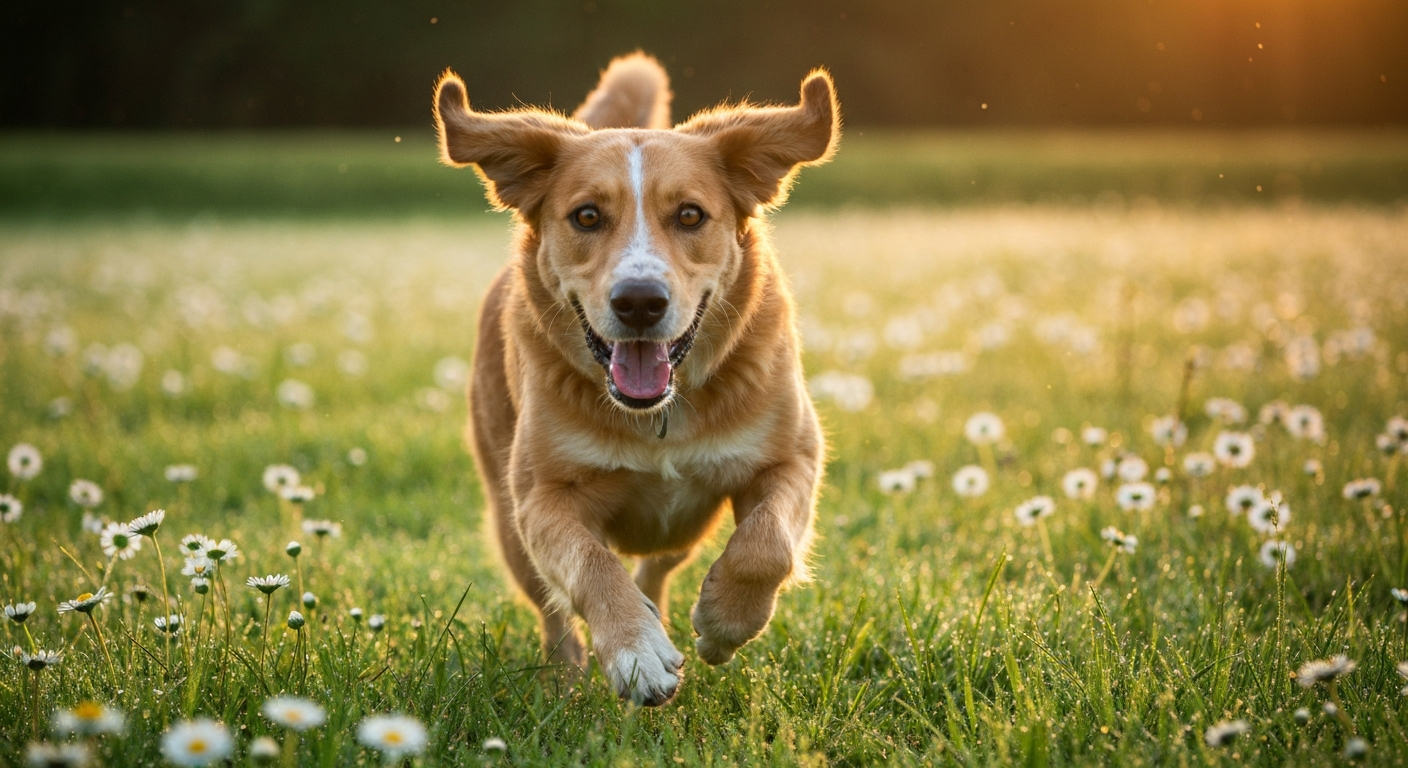
Congratulations! You've welcomed a bundle of boundless energy and unconditional love into your home: a Labrador Retriever. These magnificent dogs are famous for their friendly demeanor and sharp minds, making them fantastic companions. But that intelligence and energy needs direction. That's where you, the loving owner, come in. This is your ultimate beginner's guide to Labrador Retriever training, designed to help you build a lifelong bond based on trust and clear communication.
Forget everything you think you know about 'dog training' being a chore. With a Lab, it's a game, a partnership, and the most rewarding experience you'll have. Let's get started!
Understanding the Labrador mindset
Before you teach your first 'sit', you need to understand what makes your Labrador tick. These aren't just generic dogs; they were bred for specific purposes, which shaped their core personality. Getting inside their head is your secret weapon for effective training.
- Eager to Please:
- Labs live for your approval. A happy tone of voice or a gentle pat is often as rewarding as a treat. This intrinsic desire to make you happy is your greatest training asset.
- Highly Food Motivated:
- To put it mildly, Labradors love to eat. This is fantastic for training! Small, high-value treats will make them incredibly focused and willing to learn. Just be mindful of their diet to prevent obesity, a common issue that requires attention to both diet and canine health care.
- Boundless Energy:
- They were bred to be retrieving gun dogs, working for hours in cold water. That energy doesn't just disappear in a family home. A tired Lab is a well-behaved Lab. Daily exercise is non-negotiable.
- Incredibly Intelligent:
- Labs pick up on commands quickly, but this intelligence also means they get bored easily. Keep your training sessions short, fun, and varied to hold their attention.
The first few weeks: setting the foundation
The moment your puppy crosses the threshold, training begins. The first few weeks are all about establishing routines and building trust. Focus on these three key areas.
House training your Labrador puppy
Accidents will happen, but consistency is your best friend. The goal is to set your puppy up for success. Take them out first thing in the morning, last thing at night, and after every meal, nap, and play session. When they go potty outside, praise them enthusiastically and give them a treat immediately. If you catch them having an accident inside, don't scold them. Simply interrupt them with a firm clap and immediately take them outside. Clean up indoor messes with an enzymatic cleaner to eliminate odors that attract them back to the same spot.
Crate training: creating a safe haven
A crate should never be a punishment. It's your dog's personal den—a safe, quiet space where they can relax. Make it comfortable with a soft blanket. Feed them their meals in the crate and leave the door open initially. Toss treats inside for them to find. Gradually increase the time they spend in it with the door closed. A properly crate-trained dog is safer during travel and less likely to engage in destructive behavior when left alone. This is one of the most important pillars of our dog training philosophy.
Socialization: the golden window
From 3 to 16 weeks of age, your puppy is in a critical socialization period. Their brain is like a sponge, soaking up information about what's safe and what's scary. Your job is to provide them with positive experiences. Introduce them to:
- Different people (ages, appearances)
- Various sounds (vacuum cleaner, traffic)
- New environments (different rooms, the car, a pet-friendly store)
- Vaccinated, friendly adult dogs
Proper socialization prevents fear and aggression later in life. It teaches your puppy to be a confident, well-adjusted adult dog.
Mastering basic commands with your lab
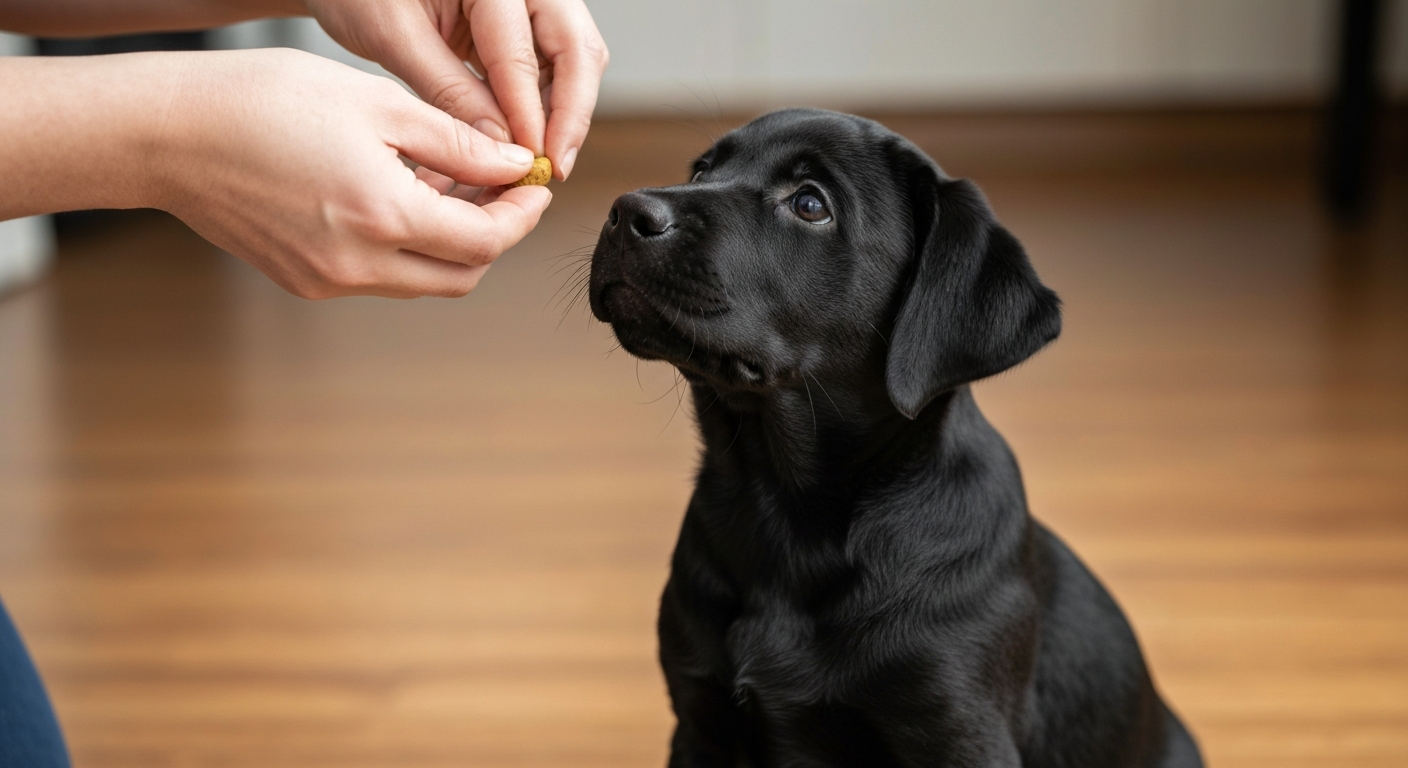
Ready for the fun part? Teaching commands is all about positive reinforcement. You reward the behavior you want to see, which makes your dog more likely to repeat it. Keep sessions short (5-10 minutes) to prevent burnout.
Sit: the foundation command
Hold a treat near your puppy's nose. Slowly move your hand upwards and back over their head. As their head follows the treat, their bottom will naturally go down into a sit. The moment it does, say "Yes!" and give them the treat. Repeat this a few times, and soon you can add the verbal cue "Sit" just as they are about to perform the action.
Come: the life-saving recall
Never, ever punish your dog for coming to you, no matter what they were doing before. Make 'Come!' the best word they've ever heard. Start in a quiet room. With a partner, take turns calling your puppy's name followed by a happy "Come!" When they run to you, shower them with praise and treats. Make it a fun game. A reliable recall is one of the most important safety commands your dog will ever learn.
Leash training: no more pulling!
Labs are strong, and an untrained Lab on a leash can feel like walking a small tractor. Start by letting them get used to a collar and leash indoors. The moment the leash goes tight during a walk, stop moving. Stand still and silent. The instant they release the tension—even by looking back at you—praise them and continue walking. They will quickly learn that a loose leash means the walk continues, and a tight leash means all the fun stops.
A sample Labrador puppy daily schedule
Routine helps puppies feel secure and makes training, especially house training, much easier. Here's a sample schedule to get you started.
| Time | Activity | Training Focus |
|---|---|---|
| 7:00 AM | Wake up & Potty Break | Reinforce going potty outside immediately. |
| 7:15 AM | Breakfast (in crate) | Positive crate association. |
| 7:45 AM | Potty Break | Post-meal routine. |
| 8:00 AM - 9:00 AM | Playtime & Short Training Session | Work on 'Sit' or name recognition (5 mins). |
| 9:00 AM - 12:00 PM | Naptime (in crate) | Enforced rest is crucial for puppies. |
| 12:00 PM | Potty Break & Lunch | Routine reinforcement. |
| 1:00 PM - 4:00 PM | Quiet Time / Nap | Supervised free time with chew toys. |
| 4:00 PM | Potty Break & Playtime | Energy release before the evening. |
| 5:30 PM | Dinner | Stick to the schedule. |
| 6:00 PM | Potty Break | Post-meal routine. |
| 7:00 PM - 9:00 PM | Family Time & Gentle Play | Work on 'Come' or leash manners indoors. |
| 9:30 PM | Final Potty Break | Last chance before bed. |
| 10:00 PM | Bedtime (in crate) | Establish a consistent bedtime. |
Beyond the basics: keeping your Lab engaged
Training never really ends. A smart dog like a Labrador needs ongoing mental stimulation to stay happy and out of trouble. As they master the basics, explore fun activities like puzzle feeders, scent work games (hiding treats around the house), or even formal dog sports like agility or dock diving. Learning about other highly intelligent dog breeds can give you even more ideas for advanced activities.
Training your Labrador Retriever is a journey, not a destination. There will be frustrating days and moments of pure pride. Embrace the process, stay consistent, and lead with kindness. In return, you'll get more than just a well-behaved dog; you'll gain a loyal, loving best friend for life.
Frequently Asked Questions
Are Labradors easy to train for first-time owners?
Yes, Labradors are generally considered one of the best breeds for first-time owners because of their intelligence, eagerness to please, and friendly nature. Their food motivation also makes them highly receptive to positive reinforcement training.
When should I start training my Labrador puppy?
You can start training your Labrador puppy the day you bring them home, usually around 8 weeks old. Begin with simple concepts like their name, house training, and crate training. Keep sessions short, fun, and positive.
How do I stop my Labrador from jumping on people?
To stop jumping, teach your Labrador an alternative behavior. When they jump, turn your back and ignore them. When all four of their paws are on the floor, reward them with praise and a treat. Consistency from everyone in the household is key.
How long does it take to house train a Labrador puppy?
House training a Labrador puppy can take anywhere from a few weeks to several months. Success depends on a consistent schedule, frequent potty breaks (especially after waking, eating, and playing), and positive reinforcement for going outside.