
The Turkish Angora captivates with its elegant appearance and graceful demeanor. Known for their long, silky coats, distinctive ear tufts, and striking eyes, these cats are truly beautiful. Beyond their looks, owners often wonder about their physical characteristics, particularly their size and weight. Understanding what to expect as a Turkish Angora grows is key to providing them with the best care and ensuring they lead a healthy, happy life. Let's explore the typical dimensions of this refined breed.
Understanding Turkish Angora Cat Size and Weight
When you picture a Turkish Angora, you likely imagine a slender, graceful feline. This image is accurate. Turkish Angoras are generally considered a medium-sized breed, but their long, lithe bodies can make them appear larger than they are. They have a fine-boned frame, unlike some stockier breeds.
- Average adult weight (male):
- 7 to 12 pounds (approximately 3.2 to 5.4 kg)
- Average adult weight (female):
- 5 to 9 pounds (approximately 2.3 to 4.1 kg)
- Body type:
- Long, slender, muscular, fine-boned
- Height:
- Typically 9 to 12 inches at the shoulder
- Full maturity age:
- 2 to 3 years
Remember, these are averages. Individual cats will vary based on genetics, diet, activity level, and overall health. Small differences are normal, but significant changes should prompt a conversation with your veterinarian.
Factors Influencing Turkish Angora Growth
Several factors contribute to a Turkish Angora's growth and final size. Understanding these can help you manage your cat's development and health more effectively.
Genetics
Just like in people, genetics play a significant role in determining a cat's potential size and build. If you got your Turkish Angora from a reputable breeder, they can often share information about the typical size of the cat's family line. However, even within a breed, natural variation exists. Some Turkish Angoras will simply be a bit smaller or larger than the average.
Nutrition
Proper nutrition is essential for healthy growth. Kittens need a diet formulated for their specific needs, rich in protein, essential fatty acids, and vitamins. Their dietary requirements change as they get older. Feeding a high-quality cat food appropriate for their life stage and preventing overeating are crucial. Too much food, especially when they are young, can lead to unhealthy weight gain, which stresses developing bones and joints.
For detailed advice on feline nutrition and dietary needs, check out the resources in our cat health care section.
Activity Level
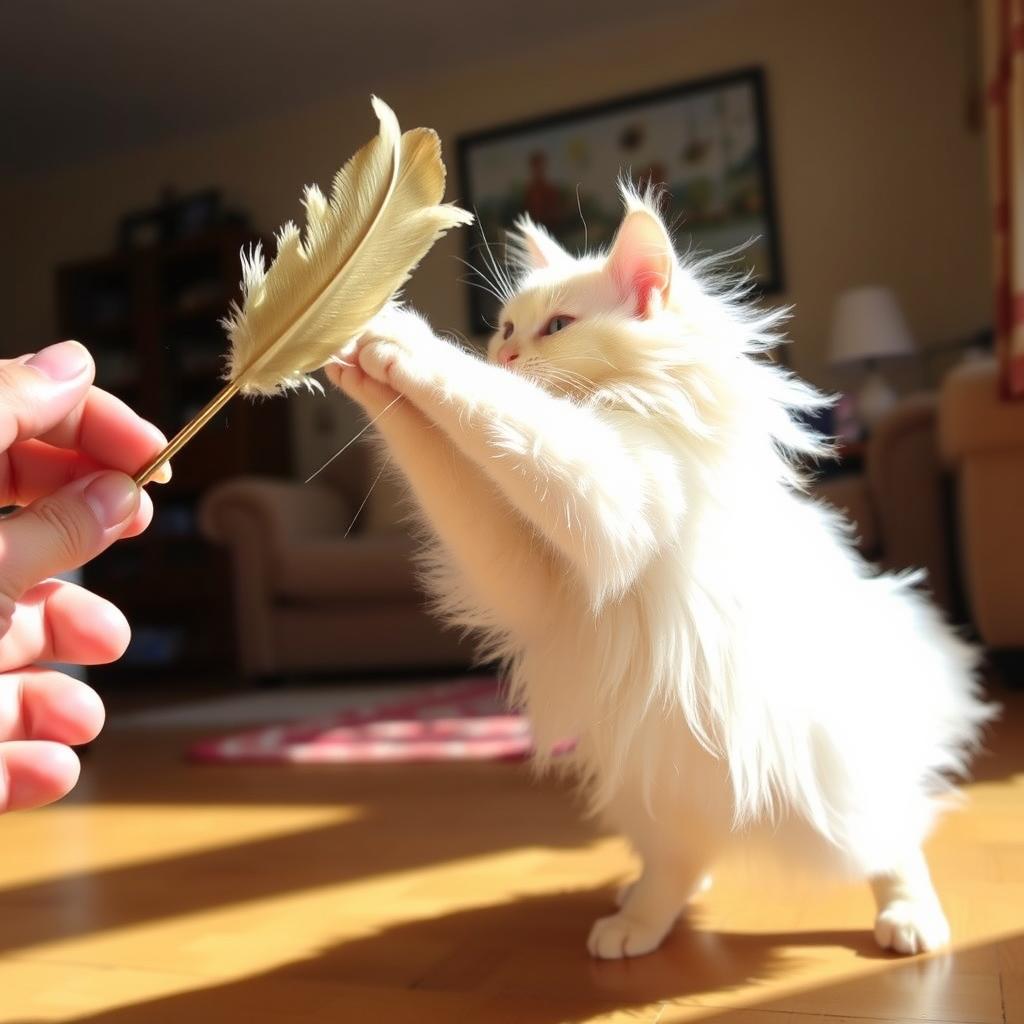
Turkish Angoras are known for being playful and energetic. They love to climb, jump, and engage in interactive play. A stimulating environment that encourages physical activity helps build strong muscles and maintain a healthy weight. Cats that don't move much, regardless of breed, are more likely to gain weight and face related health problems.
Veterinary Care
Regular veterinary check-ups are important for tracking your Turkish Angora's growth and overall health. Your vet can monitor their weight, assess their body condition score, and identify any potential health concerns that might affect their development. Catching issues early is always best.
Understanding Body Condition Score (BCS)
While weight is a useful measure, veterinarians often use a body condition score (BCS) for a more complete health assessment. BCS is a visual and physical check of body fat. A cat with an ideal BCS has a healthy amount of fat covering their bones and muscles. You should see a visible waist when looking from above and be able to feel their ribs easily without them being visible.
| Score | Description | Assessment |
|---|---|---|
| 1-3 (Underweight) | Ribs, spine, and hip bones are easily seen and felt with little or no fat covering. Not enough body fat. | Visible waist and abdominal tuck. |
| 4-5 (Ideal weight) | Ribs are easily felt with a slight fat cover. A noticeable waist tuck from above and an abdominal tuck from the side. | Optimal balance of muscle and fat. |
| 6-7 (Overweight) | Ribs are hard to feel, with moderate fat cover. Waist may be absent or barely visible. The abdomen might look rounded. | Excess body fat starting to build up. |
| 8-9 (Obese) | Ribs cannot be felt under a thick layer of fat. Spine and hip bones are not palpable. Waist is absent. The abdomen is very prominent. | Significant excess body fat, leading to health risks. |
Your veterinarian will help you determine your Turkish Angora's BCS during their check-ups. This score, along with their weight, gives a clearer picture of their health.
Potential Health Considerations Related to Size and Weight
While Turkish Angoras are generally a healthy breed, being either too thin or too heavy can contribute to health problems. As a behaviorist, I focus on how these physical states can affect their behavior.
Underweight: A cat that is consistently underweight might not be eating well due to stress, dental pain, or underlying medical issues. Behavioral signs can include being less active, hiding, and showing less interest in grooming. If your Turkish Angora is losing weight unexpectedly, it's important to see a veterinarian to rule out any medical causes.
Overweight: Extra weight can lead to behavioral changes like reduced activity, hesitation to jump or play, and even irritability. It also greatly increases the risk of serious health problems such as diabetes, arthritis, and heart disease. Managing your cat's diet and ensuring they get enough exercise are key preventive steps. Interactive play sessions are not only fun but also essential for physical fitness and can be a wonderful way to bond with your cat.
For thorough advice on managing your cat's health and well-being, please refer to our detailed cat health care guides.
Behavioral Implications of Size and Weight
A Turkish Angora's size and weight directly influence their physical abilities and, in turn, some of their behaviors. Their elegant, slender build makes them agile climbers and jumpers. They often enjoy high places, like the tops of cat trees or shelves.
A cat that is significantly overweight might show a reluctance to do these things. They may struggle to jump onto furniture they used to access easily or seem hesitant to play energetically. This decreased mobility can cause frustration or boredom, which might lead to behavioral changes, such as more meowing or destructive actions. Conversely, a Turkish Angora that is too thin might not be as robust in their play and could be more prone to injury if they misjudge a jump.
Maintaining a healthy weight ensures your Turkish Angora can fully express their natural behaviors, from playful pouncing to graceful leaps. This active lifestyle is also a fundamental aspect of their cat behavior profile.
Helping Your Turkish Angora Maintain a Healthy Weight
Ensuring your Turkish Angora stays within their healthy weight range requires ongoing attention to diet, exercise, and monitoring.
- Controlled portions: Feed your cat measured amounts of high-quality food twice a day instead of leaving food out all the time. Free-feeding can easily lead to eating too much.
- Interactive play: Set aside at least 15-20 minutes each day for active play. Use toys like feather wands, laser pointers (used carefully, always ending with a treat they can catch), or puzzle feeders to tap into their hunting instincts.
- Puzzle feeders: These toys dispense kibble as the cat plays with them, slowing down eating and providing mental stimulation. They can make mealtime more engaging and burn calories.
- Regular weigh-ins: Weigh your cat at home if possible, or have your vet do it at each visit. Keep a record to track trends.
- Treat management: Treats should be given in moderation and counted towards their daily calorie intake. Choose healthy, low-calorie treats made for cats.
Final Thoughts on Turkish Angora Size
The Turkish Angora is a breed that embodies elegance and athleticism. While their size and weight are within a medium range, their slender build is a key characteristic. By providing a balanced diet, encouraging regular exercise, and staying in close contact with your veterinarian, you can help your Turkish Angora grow into a healthy adult cat and maintain that ideal physique throughout their life. This attention to their physical well-being ensures they remain the graceful, engaging companions that make the Turkish Angora so cherished. For more information on managing your cat's needs, explore our comprehensive cat guides.
Frequently Asked Questions
How big do Turkish Angora cats get?
Turkish Angoras are considered a medium-sized cat breed. Adult males typically weigh between 7 to 12 pounds, while adult females usually weigh between 5 to 9 pounds. They are known for their elegant, slender build rather than sheer bulk.
Are Turkish Angoras overweight easily?
While not prone to obesity if fed appropriately and exercised, like any cat, a Turkish Angora can gain excess weight. Their elegant frame can make even a few extra pounds more noticeable. Maintaining a balanced diet and encouraging activity through play helps prevent this.
When do Turkish Angora cats reach full size?
Turkish Angoras continue to develop and mature until they are around 2 to 3 years old. While they might reach their adult height sooner, their body will continue to fill out and gain muscle mass during this period.
What is the ideal weight for a Turkish Angora?
The ideal weight is relative to the individual cat's frame and build. Generally, males should be between 7-12 pounds and females between 5-9 pounds. Your veterinarian can best assess if your Turkish Angora is at a healthy weight for their specific body type.