
The Egyptian Mau is a striking breed, instantly recognizable by its unique, naturally spotted coat. Beyond their beautiful appearance, understanding their physical characteristics, including size and weight, is crucial for providing them with the best possible care. As a behaviorist, I often see how a cat's physical well-being directly impacts their temperament and daily habits. Let's explore what you can expect regarding Egyptian Mau cat size and weight, and how this plays into their overall health and happiness.
Understanding the Egyptian Mau's Build
Egyptian Maus are not a giant breed, nor are they exceptionally tiny. They fit comfortably into the medium-sized category for domestic cats. Their build is often described as naturally athletic and slender, an echo of their ancient lineage. This elegance in their physique contributes to their incredible agility and speed.
A key characteristic is their 'natural' spotted pattern, which differs from that of other spotted breeds. The spots are not evenly distributed but rather vary in size and shape, often creating a marbled or random appearance. This unique pattern doesn't affect their size, but it's a significant part of their breed identity.
When you bring a kitten home, you'll notice their rapid growth. However, it's important to remember that they will continue to develop for a significant period. A well-fed, healthy Egyptian Mau kitten will grow into a lean, muscular adult cat.
- Body type:
- Athletic, muscular, slender
- Frame:
- Medium
- Overall impression:
- Elegant and agile
Typical Egyptian Mau Cat Size
The size of an Egyptian Mau can vary, but they generally fall within a predictable range. This is influenced by genetics, diet, and overall health.
Adult Male Egyptian Maus
Adult male Egyptian Maus are typically larger and more robust than their female counterparts. You can expect them to reach a weight between 10 to 15 pounds. Their body length, measured from the tip of their nose to the base of their tail, usually falls between 16 to 20 inches. Their tails can add another 10 to 12 inches to their overall length.
Adult Female Egyptian Maus
Female Egyptian Maus are generally smaller and more delicate in build. Their weight usually ranges from 6 to 10 pounds. Their body length is often comparable to the males, around 16 to 20 inches, with tails of similar length. Even at their smaller size, they possess the characteristic athleticism of the breed.
Growth Stages
It’s important to recognize that cats are not fully grown until they reach maturity, which can be anywhere from 12 to 18 months, and sometimes even longer for certain breeds. Kittens grow rapidly, but their skeletal and muscular development continues. Feeding them an appropriate diet formulated for growth and providing ample opportunities for play and exercise will support healthy development.
From a behaviorist's viewpoint, the early stages of growth are critical for socialization and learning. Providing a stimulating environment with opportunities for safe exploration and play helps build confidence. This foundation is vital for their adult temperament and can be influenced by their physical capabilities and how they learn to use their bodies.
Egyptian Mau Weight: What's Healthy?
Maintaining a healthy weight is paramount for any cat, and the Egyptian Mau is no exception. A cat that is significantly underweight or overweight can experience a range of health and behavioral issues.
The typical weight ranges mentioned above (10-15 lbs for males, 6-10 lbs for females) are general guidelines. The best indicator of a healthy weight is not just the number on the scale, but your cat's body condition. You should be able to feel their ribs easily under a thin layer of fat, see a visible waist when looking from above, and notice an abdominal tuck when looking from the side.
Consulting with your veterinarian is the best way to determine your individual cat's ideal weight and body condition score. They can provide personalized advice based on your cat's age, activity level, and overall health.
Preventing Weight Issues
Egyptian Maus are active cats. Their natural inclination is to run, jump, and play. To prevent them from becoming overweight, it's essential to manage their diet and ensure they receive adequate exercise.
- Portion Control: Measure your cat's food. Avoid free-feeding, especially with dry kibble, as it can lead to overconsumption. Follow the feeding guidelines on your chosen cat food, adjusting as necessary with your vet's guidance.
- High-Quality Diet: Feed a diet that is appropriate for your cat's life stage (kitten, adult, senior) and is high in protein. Look for foods where meat is the primary ingredient.
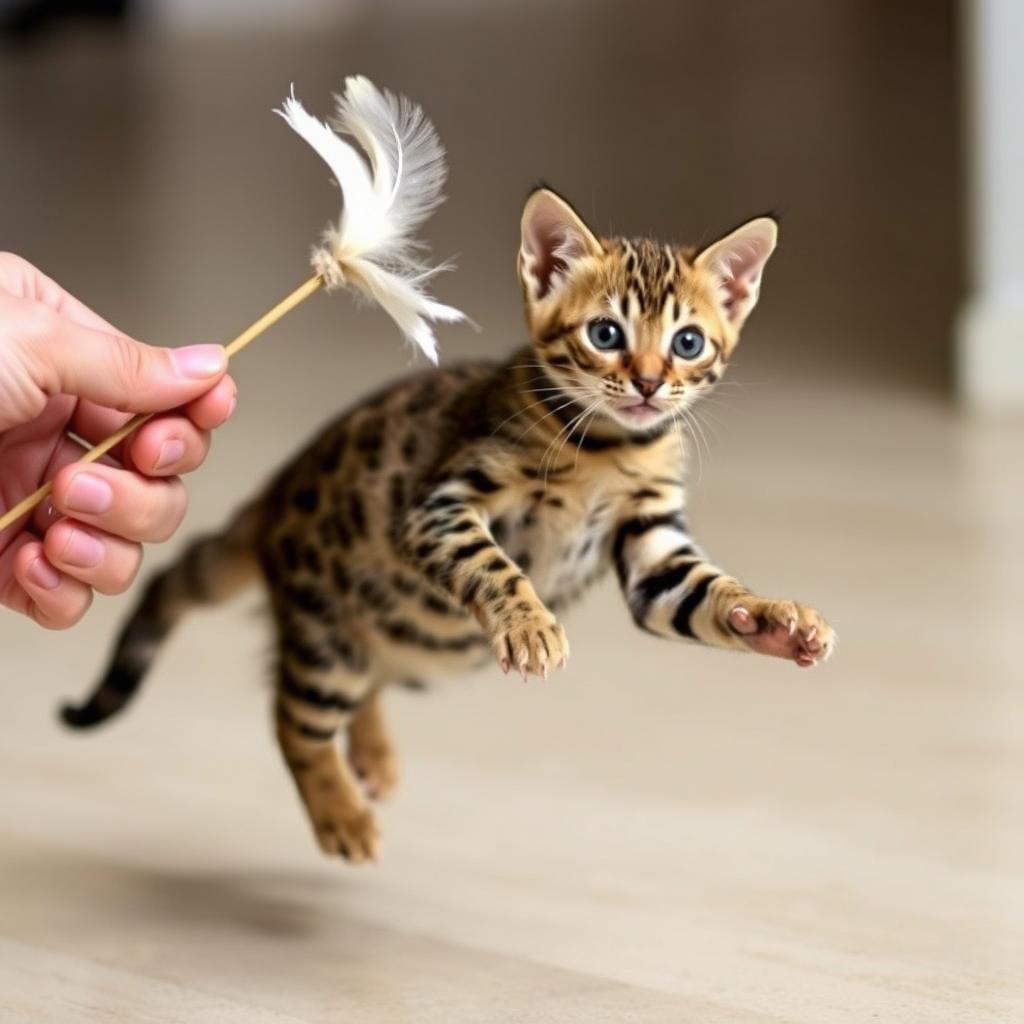
- Interactive Play: Engage your Egyptian Mau in daily play sessions. Toys like feather wands, laser pointers (used responsibly), and puzzle feeders can provide mental and physical stimulation. This is a fantastic way to burn calories and reinforce your bond. Consider exploring cat behavior modification techniques to make playtime even more engaging.
- Environmental Enrichment: Provide climbing structures, scratching posts, and safe spaces for them to explore. This encourages natural behaviors and keeps them active even when you're not directly playing with them.
- Regular Vet Check-ups: Your veterinarian can monitor your cat's weight and body condition during annual check-ups and provide advice on diet and exercise.
Behaviorally, an overweight cat may become more lethargic, less inclined to play, and potentially more prone to developing anxiety or aggression due to boredom or discomfort. A lean, active cat is typically a happier, more engaged companion.
Health Considerations Related to Size and Weight
While Egyptian Maus are generally a healthy breed, their physical characteristics can influence certain health considerations. These are not typically breed-specific ailments, but rather common issues that can affect any cat, especially those that are not kept at an ideal weight.
Dental Health
Dental hygiene is often overlooked but is incredibly important for all cats. The accumulation of plaque and tartar can lead to gum disease, tooth loss, and can even affect other organs. Providing dental treats, engaging in brushing sessions, or feeding a dental diet can help. Regular veterinary dental check-ups are also crucial.
Joint Health
While their athletic build is a plus, maintaining a healthy weight is essential for supporting their joints. Overweight cats can put excessive strain on their hips, knees, and spine, which can lead to conditions like arthritis or exacerbate existing joint issues. Ensuring they have a lean body mass helps protect their skeletal system.
Digestive Health
Diet plays a massive role in digestive health. Feeding a high-quality, easily digestible food formulated for cats can prevent issues like vomiting or diarrhea. Rapid weight gain or loss can also impact a cat's digestive system. If you notice persistent digestive upset, a consultation with your veterinarian is necessary.
It's crucial to remember that I am a behaviorist, not a veterinarian. For any specific medical concerns, diagnosis, or treatment plans, you must consult with a licensed veterinarian. They have the expertise to address any underlying health conditions that might be affecting your cat's size, weight, or overall well-being. Understanding preventative cat health care is a partnership between you, your vet, and proactive management at home.
Behavioral Implications of Size and Weight
A cat's physical condition profoundly influences its behavior. An Egyptian Mau that is at a healthy weight and enjoys regular activity will exhibit different behaviors than one that is overweight and sedentary.
Energy Levels and Playfulness
Egyptian Maus are known for their high energy and playful nature. A cat that is in good physical condition will readily engage in chase games, leaps, and climbs. They are intelligent and require mental stimulation, which interactive play provides. If your Mau seems unusually lethargic or uninterested in play, it could be a sign that they are not feeling well, are bored, or perhaps carrying too much weight, making movement more difficult.
Social Interaction
A happy, healthy cat is often more inclined to interact positively with their humans and other pets. While individual personalities vary, a cat that feels good physically is more inclined to seek out affection, participate in family activities, and be less prone to stress-related behaviors like hiding or aggression. For owners looking to understand their feline companions better, exploring cat behavior is an ongoing and rewarding process.
Adaptability
Well-conditioned cats tend to adapt better to changes in their environment. Their confidence, built partly through physical competence and the ability to engage in natural behaviors, helps them cope with new situations. A cat struggling with its physical health or weight may become more anxious or fearful.
By understanding and managing your Egyptian Mau's size and weight, you are directly contributing to their behavioral health and ensuring they can live a full, active, and happy life. It's a holistic approach to pet ownership that focuses on both the physical and mental well-being of our beloved felines. Choosing the right cat breed is just the beginning; ongoing care and attention ensure a wonderful life together.
Frequently Asked Questions
How big do Egyptian Mau cats get?
Egyptian Maus are considered a medium-sized cat breed. Adult males typically weigh between 10 to 15 pounds, while adult females usually range from 6 to 10 pounds. Their length, from nose to tail tip, can be around 16 to 20 inches, with a tail adding another 10 to 12 inches.
Are Egyptian Mau cats overweight easily?
While generally active and lean, Egyptian Maus, like all cats, can become overweight if their diet and exercise are not managed properly. Their natural build is slender and athletic, so maintaining a healthy weight is key to their overall health and preventing potential behavior issues related to inactivity.
What is the average lifespan of an Egyptian Mau?
With proper care, including a balanced diet, regular exercise, and routine veterinary check-ups, Egyptian Maus typically live for 12 to 15 years, and some can live even longer.