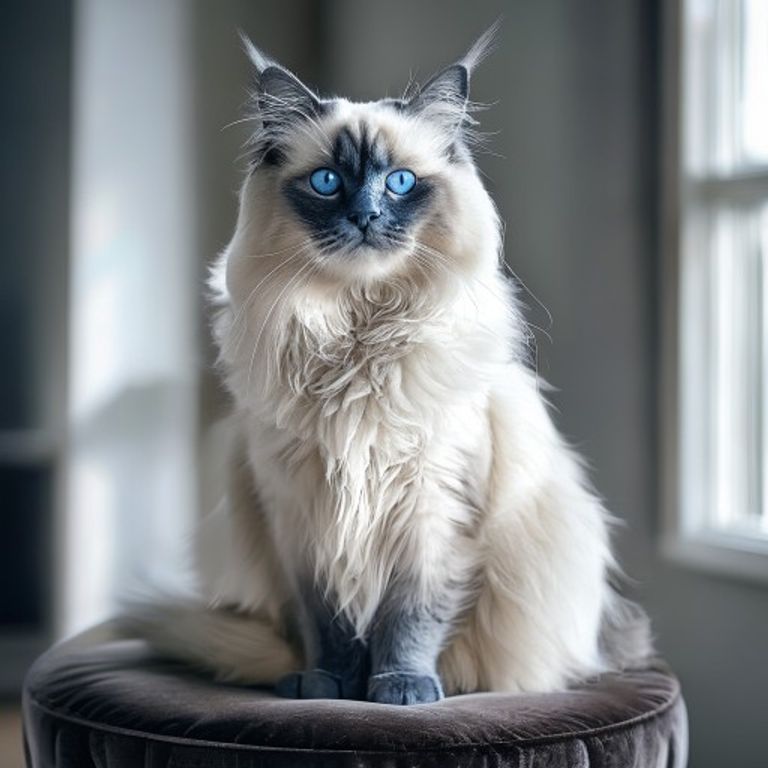
Himalayan cats are famous for their striking blue eyes, sweet expressions, and long, flowing coats. As a pet behaviorist, I have spent years observing how daily routines shape the physical and mental health of our feline companions. For a long-haired breed like the Himalayan, regular grooming is far more than a cosmetic choice. It is a fundamental part of keeping them comfortable, preventing physical pain, and supporting their emotional well-being.
Caring for long-haired cat breeds starts with understanding how their fur grows. Himalayans have a dense double coat, meaning they have a fine, downy undercoat beneath a longer top layer of guard hairs. Without regular brushing, this thick undercoat quickly knots and mats, which causes physical discomfort and sudden changes in behavior. Establishing a gentle, predictable grooming routine is the single best way to keep your cat relaxed and pain-free.
The psychology of grooming: building trust and cooperation
Cooperative care is an approach where we work with our cats instead of forcing them to submit. Brushing should never turn into a physical struggle. Dragging a stressed cat out from under a couch and pinning them down to pull out a knot only teaches them to fear the brush. This fear often leads to hiding, avoidance, or defensive behaviors like scratching and biting.
A better approach is to help your cat build a positive association with their grooming tools. Start by leaving your combs on the floor to let your cat inspect them at their own pace, offering a high-value treat whenever they walk over to explore. Next, try gently touching them with the smooth back of the brush before giving another treat. By moving slowly, you show your cat that grooming is a safe, rewarding experience. Understanding cat behavior can turn a stressful chore into a quiet, bonding routine for both of you.
Why coat care is vital for behavioral well-being
Severe matting is one of the most common reasons behind sudden behavioral shifts in long-haired cats. When the soft undercoat tangles, it pinches and pulls tightly against the skin whenever the cat walks, stretches, or grooms. This constant tension leads to sore spots, skin irritation, and persistent discomfort.
Cats naturally hide their physical pain, often showing only subtle signs of distress. If your cat suddenly starts hiding in the back of a closet, avoids being picked up, or growls when you touch their sides, they might be dealing with painful mats close to the skin. What looks like a sudden behavioral issue is often just a direct reaction to physical discomfort. Regular brushing prevents these mats from forming, keeping your companion happy and moving freely.
The essential coat care toolkit
Caring for a thick, double coat requires tools that can reach the skin without causing irritation. Standard pet brushes often glide right over the topcoat, leaving hidden tangles to build up underneath. A few specific tools will make your daily routine much easier.
Your most important tool is a metal comb, often referred to as a greyhound comb. This sturdy steel tool features both wide and narrow teeth. It is essential for a Himalayan because it glides deep into the undercoat to separate fine hairs without scratching the sensitive skin beneath.
A slicker brush is also highly useful. With its fine, angled wire bristles set on a flat pad, this brush is perfect for gathering loose surface hair and removing dander from the top layer of the coat after you have combed through it.
To make the process smoother, keep a gentle, pet-safe detangling spray on hand. A quick spray acts as a leave-in conditioner that lubricates individual fur strands, helping you work through minor knots without tugging at your cat's skin.
Finally, a pair of blunt-nosed safety scissors is invaluable for emergencies. These scissors are designed with rounded tips to protect against accidental nicks, allowing you to carefully clip away stubborn mats that simply cannot be combed out.
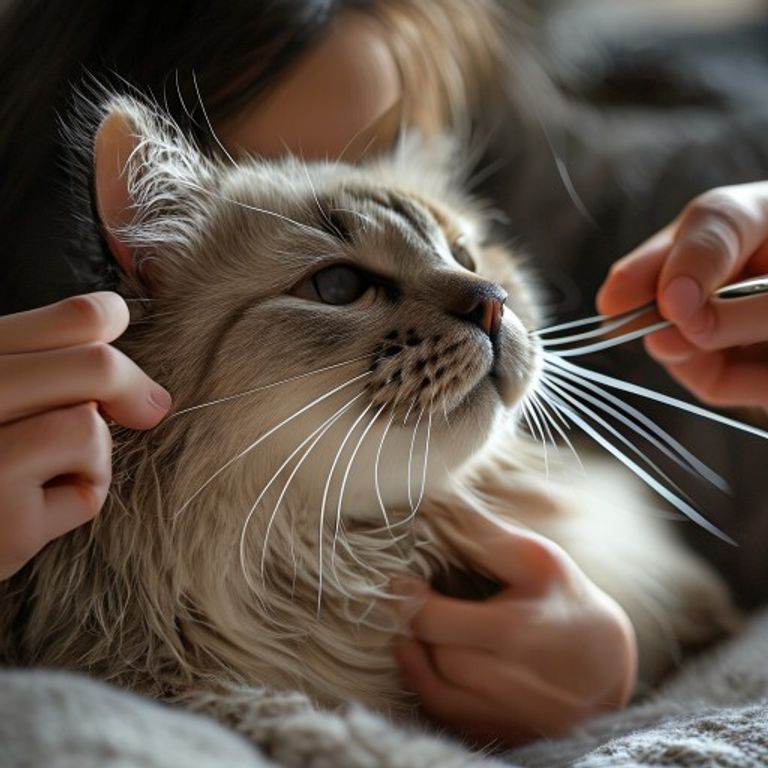
Step-by-step daily grooming routine
Setting aside five to ten minutes every day for a quick brush is much less stressful for your cat than a long, exhausting session on the weekend. A short, daily routine keeps the coat in excellent shape and prevents tiny knots from turning into tight, painful mats.
Begin when your cat is already calm and relaxed, perhaps after a meal when they are settling down to groom themselves. If they do not mind the sound, apply a light spritz of detangling spray to their coat. For cats easily startled by spray bottles, rub a little of the spray onto your own hands first, then gently stroke it through their fur.
Next, take the wide-toothed side of your metal comb and gently work through the fur, moving in the direction of hair growth. Pay close attention to high-friction areas where mats easily form: behind the ears, under the armpits, around the neck, and near the back legs.
Once the fur is clear of major tangles, use the fine-toothed side of the comb to pull out loose undercoat hair. If you hit a small knot, do not tug. Hold the base of the fur close to the skin with your fingers to prevent pulling on their sensitive skin, then use the teeth of the comb to gently tease the knot apart, working from the edges inward.
Finish the session with a few light strokes of the slicker brush to collect any remaining loose hairs and smooth the topcoat. Always end the routine with quiet praise, a favorite treat, or a quick play session to ensure your cat associates grooming with positive experiences.
The cost of regular coat care
While daily brushing at home is the foundation of good coat care, many owners choose to visit a professional groomer to help manage the coat, especially during heavy shedding seasons. Factoring in the costs of tools and professional visits is a helpful part of planning for a long-haired cat's lifestyle.
| Grooming service or tool | Estimated annual cost (2026) | Recommended frequency |
|---|---|---|
| High-quality metal comb | $15 to $25 | One-time purchase |
| Slicker brush and detangler | $20 to $35 | Replace as needed |
| Professional bath and blow-out | $80 to $120 per visit | Every 6 to 8 weeks |
| Sanitary trim (vet or groomer) | $30 to $50 per visit | Every 2 months |
Managing seasonal shedding and sanitary trims
Himalayan cats experience heavy shedding in the spring as they drop their thick winter coats. During these high-shedding months, you might need to increase your brushing sessions to twice a day. Keeping up with this seasonal shift prevents your cat from swallowing excessive amounts of loose hair while self-grooming, which helps minimize uncomfortable hairballs and supports their overall digestive health.
A sanitary trim is another highly practical step for long-haired cats. This simple trim keeps the fur around the hindquarters and rear legs short, preventing waste from catching in their coat. Keeping this area clean is a great way to avoid the stress of sudden baths, and a professional groomer or veterinary clinic can easily handle this quick trim during routine visits.
Recognizing behavioral signs of skin discomfort
Your daily grooming session is also an excellent opportunity to monitor your cat's physical health. As you brush, gently feel for any skin changes: dry patches, unusual bumps, or signs of irritation. Making this assessment part of your routine is a simple, effective way to stay on top of daily cat health care.
Watch your cat's body language closely. If they suddenly twitch, hiss, growl, or swipe when you brush a particular spot, they are communicating discomfort. In older Himalayans, a sudden dislike of being handled on their lower back or hips often points to joint stiffness or age-related mobility issues, rather than just a coat problem. You might also notice them becoming reluctant to jump onto their favorite window sill or vocalizing when they move. If you observe any lasting skin redness, hair loss, constant biting at a specific spot, or signs of physical stiffness, please consult your veterinarian for a professional evaluation.
A gentle, predictable grooming routine does far more than just keep a Himalayan looking beautiful. By listening to your cat, watching their body language, and moving at their pace, you build a deep layer of trust and help them enjoy a comfortable, relaxed life in your home.
Frequently Asked Questions
How often should I brush my Himalayan cat?
You should brush your Himalayan cat every day. Their long, fine undercoat tangles easily, so a quick five to ten-minute daily session is much more effective than a long weekly session.
What is the best brush for a Himalayan cat coat?
A sturdy metal greyhound comb is the most important tool for a Himalayan cat. You can also use a slicker brush for the topcoat and a soft pin brush for sensitive areas.
Why does my Himalayan cat bite me when I brush their belly?
The belly is a highly sensitive area for cats. If they bite, they might be experiencing pain from hidden mats, or they may feel defensive. Use slow, positive reinforcement training to make them comfortable.