
Traveling with your pet can be a wonderful way to share adventures and create lasting memories. However, the prospect of navigating airline rules and ensuring your furry friend is comfortable and safe can feel overwhelming. As a pet behaviorist, I know how important it is for pets to feel secure, especially in unfamiliar settings like an airplane. In 2026, several airlines offer excellent pet-friendly policies, making it easier to bring your dog or cat along. Choosing the right airline can greatly improve your pet's well-being and your overall travel experience.
When looking at airlines that welcome pets, consider more than just the basic allowance. Fee structures, carrier rules, onboard amenities, and any limitations based on breed or destination are all important details. Remember, a stressed pet may change their behavior, so planning ahead and understanding the airline's guidelines are key to a smooth trip.
Choosing the right airline for your pet in 2026
The first step in planning your trip is realizing that airlines differ in how they handle pets. While many allow small dogs and cats in the cabin, the exact rules vary. I always suggest my clients prioritize their pet's needs. A highly anxious pet might struggle in cargo, while a small, adaptable animal might be fine with proper preparation for in-cabin travel. Understanding your dog's training and your cat's behavior patterns is the best place to start.
Here's a look at some airlines that generally receive good reviews for their pet travel programs:
Top pet-friendly airlines to consider
Policies can change, but these carriers are known for accommodating pet owners. It is crucial to confirm the latest policies directly with the airline before booking, as restrictions and fees are subject to updates.
- Airline:
- JetBlue Airways
- In-cabin pets allowed:
- Yes, dogs and cats only.
- Fee:
- Starts at $125 each way.
- Carrier requirements:
- Must fit under the seat in front. Soft-sided carriers are preferred and must stay closed during the flight.
- Size/Weight limits:
- The pet and carrier together should not exceed 20 lbs (about 9 kg).
- Special notes:
- There's a limit on the number of pets per flight, so book early. Pets are not permitted in Mint class. JetBlue calls its in-cabin pet service "BlueBones".
- Airline:
- Southwest Airlines
- In-cabin pets allowed:
- Yes, dogs and cats only.
- Fee:
- Starts at $95 each way.
- Carrier requirements:
- Must fit under the seat in front. Both soft-sided and hard-sided carriers are allowed. Must remain closed during the flight.
- Size/Weight limits:
- The pet and carrier together should not exceed 20 lbs (about 9 kg).
- Special notes:
- A maximum of six pet carriers are allowed per flight. Service animals are not subject to fees or restrictions.
- Airline:
- American Airlines
- In-cabin pets allowed:
- Yes, dogs and cats only for domestic flights.
- Fee:
- Starts at $125 each way.
- Carrier requirements:
- Must fit under the seat in front. The carrier must be leak-proof and ventilated. Must remain closed during the flight.
- Size/Weight limits:
- The pet and carrier together should not exceed 20 lbs (about 9 kg).
- Special notes:
- The number of pets allowed per flight is limited. Check their website for specific destination rules.
- Airline:
- Delta Air Lines
- In-cabin pets allowed:
- Yes, dogs and cats only.
- Fee:
- Starts at $95 each way for domestic travel.
- Carrier requirements:
- Must fit under the seat in front. The carrier must be leak-proof and well-ventilated. Must remain closed during the flight.
- Size/Weight limits:
- The pet and carrier together should not exceed 20 lbs (about 9 kg).
- Special notes:
- Delta has specific rules for pets traveling to certain international destinations. They also have stricter guidelines for short-nosed breeds, sometimes not allowing them in cargo.
- Airline:
- United Airlines
- In-cabin pets allowed:
- Yes, dogs and cats only.
- Fee:
- Starts at $125 each way.
- Carrier requirements:
- Must fit under the seat in front. The carrier must be leak-proof and ventilated. Must remain closed during the flight.
- Size/Weight limits:
- The pet and carrier together should not exceed 20 lbs (about 9 kg).
- Special notes:
- Pets must be at least 8 weeks old for domestic travel. They also have a dedicated pet travel portal on their website with detailed information.
Preparing your pet for air travel
Beyond selecting the right airline, thorough preparation is essential for your pet's comfort and to minimize potential behavioral issues. From a behaviorist's perspective, reducing stress is the top priority. This includes getting your pet used to their travel carrier well before the trip.
Acclimating your pet to their carrier
The travel carrier should feel like a safe place, not something to fear. Begin by leaving the carrier door open in your home. Put comfortable bedding and favorite toys inside. Offer treats and meals within the carrier. Slowly increase the amount of time your pet spends inside. Once they seem comfortable, start closing the door for short periods, gradually extending the time as they tolerate it. This process might take several weeks. For cats, this step is very important for their sense of security. Remember, they rely on familiarity and a sense of control, and a carrier that feels safe supports both.
Health and documentation checks
Before you book your flight, speak with your veterinarian. They can assess your pet's overall health and suitability for travel. Some pets, especially those with existing health issues or older animals, might not be good candidates for air travel. Your vet will provide the necessary health certificate, which airlines usually require and is often dated within 10 days of travel. It's also wise to discuss ways to manage potential travel-related stress, though any medical advice should come directly from your veterinarian. Focus on ensuring your pet is up-to-date on vaccinations and has any required documents for your destination.
Feeding and hydration strategies
On travel day, avoid giving your pet a large meal a few hours before boarding. A light meal a few hours prior is usually enough to prevent nausea. Make sure they have access to water before you head to the airport, but consider limiting it just before and during the flight, especially for long trips, to reduce the need for bathroom breaks in the carrier. Some pets might feel more comfortable with familiar scents, like a piece of your clothing inside their carrier. For cats, sticking to their usual routine as much as possible can help reduce anxiety. If they have specific dietary needs, ensure you have their regular food. This aligns with general cat health care principles about consistent feeding routines.
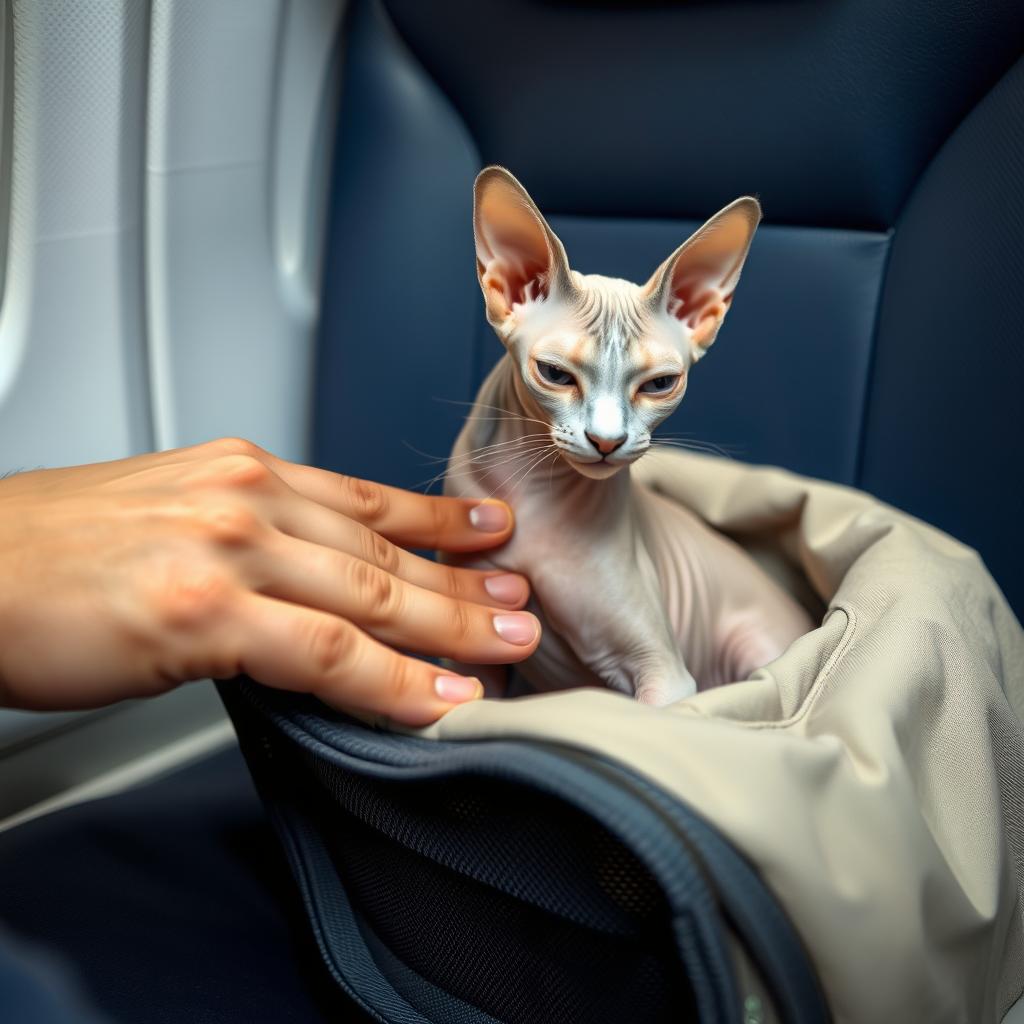
Understanding airline pet policies: What to look for
When comparing airlines, pay close attention to the specifics. These details can significantly affect your travel experience.
Cabin vs. cargo
Most smaller pets can travel in the cabin. This is generally the best option because your pet stays with you, which helps reduce separation anxiety and the risk of mishandling. Pets traveling in cargo are kept in a compartment with controlled temperature and pressure, but they are still separate from their owners. Some airlines have strict rules about which breeds can travel in cargo due to health risks linked to temperature changes and stress. Always confirm if your pet is eligible for cabin travel and if that is your preferred method.
Carrier size and type
Airlines have specific dimensions for under-seat carriers. Most require soft-sided carriers, which can be gently compressed to fit under the seat. However, some may allow hard-sided carriers if they meet the size requirements. The carrier must be well-ventilated and leak-proof. Your pet needs to be able to stand up, turn around, and lie down comfortably inside. This is not just a rule; it's important for their well-being. A carrier that's too small can cause discomfort and stress.
Fees and booking
Pet travel fees are typically non-refundable and paid at check-in or when booking. These fees can add up, especially if you are traveling with multiple pets or on a tight budget. Some airlines limit the number of pets allowed on each flight, so it's very important to book your pet's spot as early as possible. If you are traveling with a service animal, remember they usually have different regulations and are often exempt from pet fees and restrictions, although proper documentation is still required.
Destination and breed restrictions
Always check if the airline has specific rules for your destination. Some countries or even states have quarantine laws or require particular vaccinations. Additionally, short-nosed breeds (brachycephalic breeds) like Pugs, Bulldogs, Boston Terriers, and certain cat breeds like Persians and Himalayans often face additional restrictions or may not be allowed to fly, especially in cargo, because they are at higher risk for breathing problems and heatstroke. If you own one of these breeds, thorough research and discussion with your vet are essential.
Behavioral considerations for travel
From a behaviorist's perspective, a pet's temperament is a major factor in successful travel. Understanding how your pet reacts to new surroundings, noises, and confinement is crucial. For example, a very social dog might find being in a carrier for hours difficult, while a timid cat might become completely withdrawn.
If your pet shows extreme anxiety, talk to your veterinarian or a certified professional trainer about possible solutions. This might include desensitization exercises, calming aids, or, in some cases, mild sedatives prescribed by a vet. Remember, the goal is to make the experience as positive and stress-free as possible for your animal companion. Proper dog training and understanding breed-specific behaviors can be very helpful.
Tips for a smoother trip
- Book early: There are limited spaces for pets.
- Confirm policies: Always re-verify with the airline before you leave.
- Carrier comfort: Make sure it's a safe, familiar space.
- Vet check: Get health certificates and discuss if travel is suitable.
- Hydration: Offer water before the flight, but limit it during.
- Identification: Ensure your pet wears a collar with ID tags and is microchipped.
- Keep them calm during flight: Once settled, try to keep your pet relaxed. Avoid too much interaction, which could increase their excitement or anxiety.
Traveling with pets is more accessible now. By choosing carefully and preparing thoroughly, you can ensure a safe and enjoyable trip for both you and your furry family member in 2026. Always put your pet's well-being first and consult professionals when needed.
Frequently Asked Questions
What is the general policy for pets on airlines?
Most airlines allow small dogs and cats to travel in the cabin with their owners, provided they fit comfortably in a carrier under the seat in front of you. Larger pets are typically required to travel as cargo. Each airline has specific size and weight restrictions for in-cabin pets, as well as rules regarding carrier type and dimensions. Always check the airline's individual pet policy before booking.
How much does it cost to fly with a pet?
Airlines typically charge a pet fee for in-cabin travel, usually ranging from $95 to $125 each way within the United States and Canada, and often higher for international flights. This fee is separate from your own ticket price. Pets traveling as cargo may incur different fees based on size and destination.
What documentation do I need to fly with my pet?
You'll usually need a health certificate from your veterinarian, issued within a specific timeframe before your flight (often 10 days). Some destinations or airlines may require proof of rabies vaccination or other specific health records. It's crucial to confirm the exact documentation requirements with both the airline and your destination's local regulations well in advance.
Are there specific breed restrictions for flying?
Yes, some airlines have breed restrictions, particularly for brachycephalic (short-nosed) breeds like Pugs, Bulldogs, and Persian cats. These breeds can have increased respiratory risks during air travel due to their facial structure. Airlines may refuse to transport them, especially in cargo. Always verify if your pet's breed is subject to any restrictions.