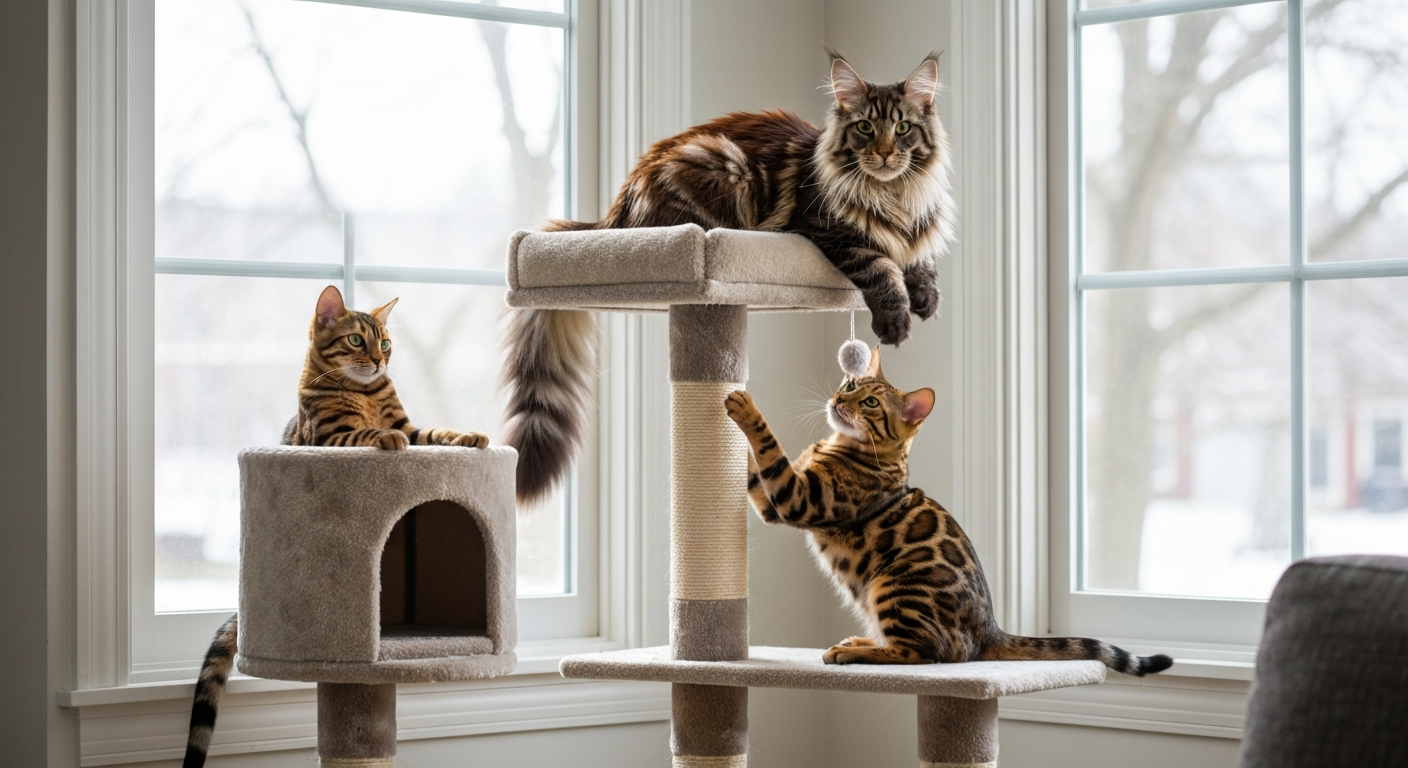
Welcome to your guide for selecting the best cat trees and scratching posts in 2026! As a cat owner, you know your feline friend is more than just a pet; they're an animal with natural instincts. It's easy for new owners to overlook the importance of providing enough vertical space or a suitable place for scratching. This isn't just about protecting your furniture, though that's a definite perk. It's about creating an environment where your cat can truly thrive, both mentally and physically.
Think of a cat tree as essential equipment for your cat: part gym, part observation point, part hiding spot, and part nail care station. It's a valuable addition to their life. Let's explore the options to find the ideal structure that will make your cat feel like the ruler of their domain.
Why cats need scratching posts and cat trees
To truly appreciate why these items are so important, consider the world from your cat's viewpoint. Their wild ancestors had to hunt and avoid being hunted, and these instincts remain strong in our domestic cats. A well-designed cat tree directly addresses these core needs.
- Scratching is a vital behavior, not a destructive one. Cats scratch to remove the old, outer layer of their claws, to stretch their bodies and work their leg and foot muscles, and to leave scent marks. Their paws have scent glands, so each scratch leaves both a visual and an olfactory sign that says, "I was here." Providing an appropriate place to scratch is essential for managing this natural behavior.
- In nature, being high up means being safe. A cat can watch their surroundings from a secure spot, identifying potential dangers or interesting activity. In homes with multiple pets, elevated spaces help manage social dynamics and allow cats to escape conflict. A tall cat tree offers a sense of security.
- Cats require a safe, den-like space where they can rest undisturbed. The enclosed spaces and hammocks found on many cat trees provide this needed sense of security, which is important for their well-being. Without these outlets, cats may experience stress, which can lead to behavioral issues. Understanding feline behavior is the first step toward a peaceful home.
Key features for the best cat trees in 2026
Not all cat trees are built with quality in mind. A wobbly, poorly constructed tree is a waste of money and can even be unsafe. Here's what to look for when you're shopping.
Stability is crucial
Imagine using a ladder that shakes with every move. You wouldn't feel secure, and your cat won't either. A cat tree must have a wide, heavy base to prevent it from tipping over, even when a cat makes a bold leap. For very tall trees, consider models that come with a wall anchor for added safety. A frightening experience with an unstable tree can make a cat hesitant to use them in the future.
Material matters for scratching
The texture of the scratching surfaces is very important. Cats have preferences, and the right material can steer them away from your furniture.
- Sisal Rope:
- This is a top choice. It's a sturdy, natural fiber that cats can easily shred, similar to tree bark. It's durable and provides good resistance for claw maintenance.
- Corrugated Cardboard:
- Affordable and very popular with cats, cardboard scratchers are a good option. They are often flat, allowing for a different kind of stretch. However, they can be messy and need frequent replacement.
- Carpet:
- While common, carpet isn't ideal for primary scratching surfaces. The looped fibers can catch a cat's claws, which can be uncomfortable or even cause injury. It's suitable for lounging areas, but for scratching, sisal is generally better.
- Natural Wood/Bark:
- Some higher-end cat trees use actual branches with bark intact. This is a natural and attractive option that many cats enjoy, but it often comes at a higher cost.
Size, height, and breed considerations
The best tree for you depends on your cat and your living space. A small kitten might be intimidated by a giant floor-to-ceiling structure, while a large, active cat will quickly get bored with a small, short tree. Pay attention to the size of the perches and enclosed spaces. A larger cat, like a Maine Coon or Ragdoll, needs platforms where they can comfortably stretch out. When making your choice, consider the specific needs of different cat breeds; a Bengal might benefit from more climbing opportunities than a Persian.
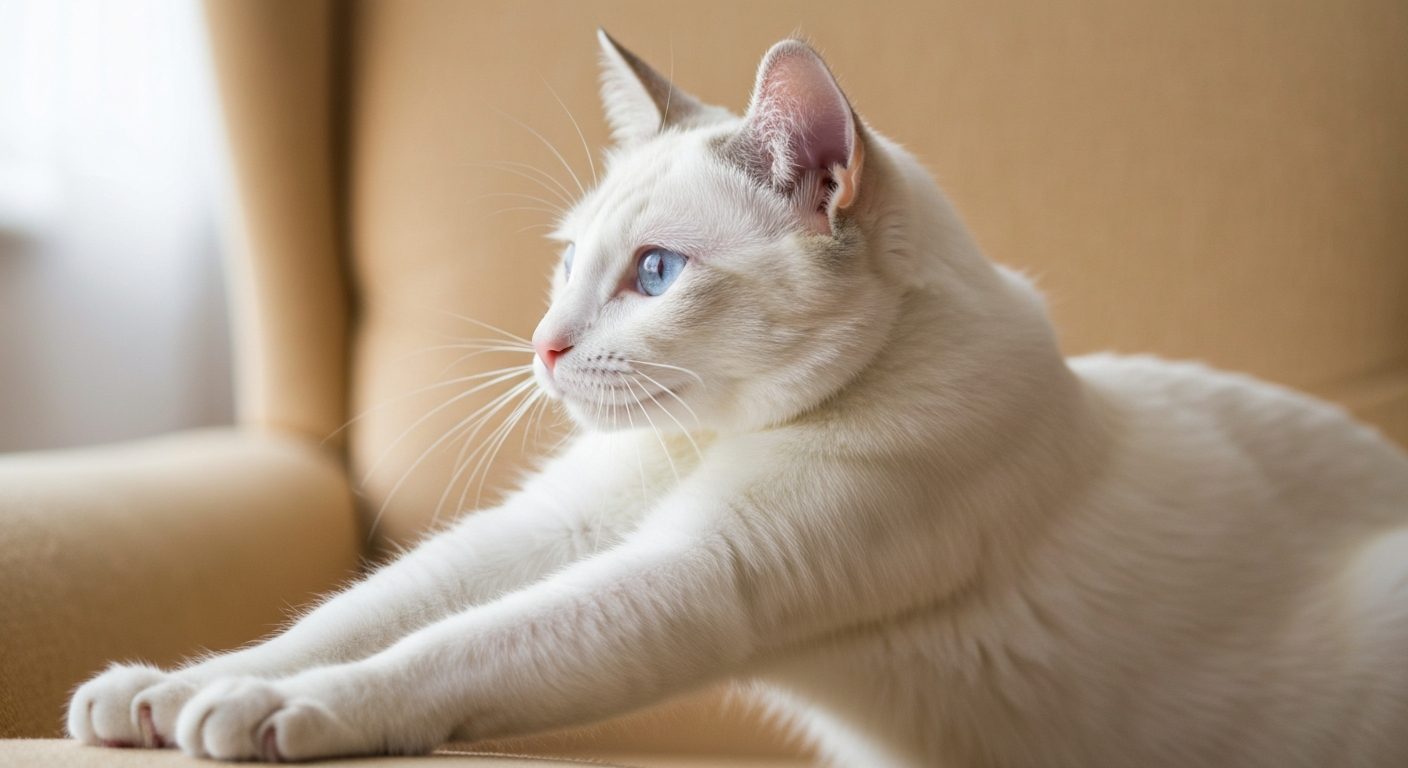
A quick comparison of cat furniture types
There are many options available, from simple posts to complex activity centers. Here's a breakdown to help you decide.
| Furniture Type | Best For | Typical Price Range (2026) |
|---|---|---|
| Basic Scratching Post | Small apartments, owners on a budget, supplementing a larger tree. | $20 - $50 |
| Multi-Level Cat Tree | Active cats, kittens, and homes with multiple cats. An all-in-one solution. | $70 - $250+ |
| Wall-Mounted System | Owners who value aesthetics, small spaces, creating elevated pathways. | $80 - $300+ |
| Scratcher Lounge | Horizontal scratching, cats who like to rest on their scratchers. | $15 - $40 |
| Window Perch | Cats who enjoy watching birds and sunbathing. | $25 - $60 |
Placement and training: helping your cat use their new furniture
You can have the most impressive cat tree, but if it's placed in an out-of-the-way corner, it might go unused. Where you put it is very important!
Location: Place the cat tree in a communal area of your home, like the living room. Cats usually want to be where their people are. A spot near a window is excellent, offering both comfort and entertainment. If your cat has already started scratching a particular piece of furniture, place the new post directly in front of it to redirect the behavior.
Make it appealing: Sprinkle some catnip on the perches and scratching surfaces. When you see your cat using the post, praise them, pet them, or offer a favorite treat. You can also use a wand toy to encourage them to explore and climb on the new structure. Positive reinforcement is key.
If your cat continues to scratch inappropriately, and you've tried redirection methods, it might be a good idea to consult your veterinarian. Sometimes, behavioral changes can be linked to underlying health concerns, making regular preventative health care important for your pet.
Our final thoughts
Choosing the right cat tree or scratching post is one of the most beneficial things you can do for your cat. It shows that you understand and cater to their needs in your shared home. By considering stability, materials, size, and placement, you're doing more than just buying an item; you're investing in your cat's happiness, health, and instinctual well-being. Observe your cat and understand their preferences, are they a climber, a lounger, a dedicated scratcher?, and select the piece of furniture that will bring them joy for years to come.
Frequently Asked Questions
How tall should a cat tree be?
The ideal height depends on your cat's age, energy level, and your available space. At a minimum, a scratching post should be tall enough for your cat to get a full vertical stretch, typically around 30-35 inches. For cat trees, taller is often better for confident climbers, but even a mid-sized tree of 4-5 feet offers significant enrichment.
What is the best material for a scratching post?
Sisal rope is widely considered the best choice. Its rough, durable texture is very satisfying for cats to shred and helps them maintain healthy claws. Corrugated cardboard is a great, affordable alternative, while wood and carpet-covered posts offer different textures that some cats prefer.
How do I clean a cat tree?
Regular cleaning is important. Vacuum the tree thoroughly at least once a week to remove fur and dander. For stains, use a pet-safe cleaner and blot the area. Periodically check all connections to ensure the tree is stable and tighten any loose hardware.
How many scratching posts does my cat need?
A good guideline for a peaceful home is one scratching post per cat, plus one extra. It's also beneficial to offer a variety of types (vertical post, horizontal cardboard scratcher) and place them in different key areas, such as near their favorite sleeping spot and near furniture you want to protect.