
Welcoming a new pet into your home is an exciting milestone. Whether you've chosen a playful kitten or an energetic puppy, your top priority is ensuring their safety and well-being. As a behaviorist, I understand that a secure environment not only protects your new companion but also allows them to express their natural behaviors without facing unnecessary risks. Pet-proofing your home is a fundamental part of responsible pet ownership, helping to prevent accidents and fostering a peaceful living space for everyone.
Consider your pet's perspective. What seems harmless to us can be an intriguing, chewable object or a tempting, high perch to them. Understanding their natural curiosity and instincts is essential for identifying potential dangers. This guide will walk you through the necessary steps to pet-proof your home, highlighting common hazards and offering practical solutions.
Creating a Safe Space for Your Pet
Pet-proofing isn't about limiting your pet; it's about establishing a secure environment where they can explore, play, and rest without encountering dangers that could have been prevented. This involves a thorough inspection of your home from floor to ceiling, thinking about what might capture your pet's attention and what could cause harm.
Electrical Cords and Outlets
Chewing on electrical cords can result in severe burns, electric shock, or even be fatal. Puppies and kittens, in particular, tend to explore with their mouths.
- Secure loose cords using cord covers, clips, or ties.
- Tuck cords behind furniture or thread them through protective sleeves.
- Consider using outlet covers, especially for those accessible to young or particularly curious pets.
- If your pet consistently chews on objects, explore resources on dog training or cat behavior for effective redirection techniques.
Toxic Plants and Household Items
Many common houseplants and household products are poisonous to pets. If ingested, they can cause a range of symptoms, from mild stomach upset to serious organ damage or death.
- Identify all plants in your home and research their toxicity to cats and dogs. Remove them or place toxic plants where your pet absolutely cannot reach them.
- Store all cleaning supplies, medications (including over-the-counter drugs and prescriptions), pesticides, and antifreeze in secure, elevated cabinets. Never leave these items where they could be accessed.
- Be aware of human foods that are harmful to pets, such as chocolate, grapes, onions, garlic, and xylitol. Keep these items stored away safely.
Small Objects and Choking Hazards
Curious pets, especially young ones, may attempt to eat small items they find around the house. This can lead to choking or internal blockages that require urgent veterinary attention.
- Keep floors and low surfaces clear of small items like coins, buttons, rubber bands, hair ties, jewelry, and small children's toys.
- Regularly check areas where your pet spends time for any new potential hazards.
- Ensure pet toys are appropriately sized for your pet and are not easily broken into small, swallowable pieces. Discard damaged toys immediately.
Windows and Balconies
Falls from windows or balconies are a common cause of serious injury to pets and can be fatal.
- Ensure all windows have secure screens that are properly fitted.
- For balconies, install sturdy fencing or netting to prevent your pet from falling or jumping over the edge.
- Always supervise pets when they are on balconies or near open windows.
Securing Specific Areas of Your Home
Certain rooms often present more pet-proofing challenges. Focusing on these areas can significantly improve your home's overall safety.
The Kitchen
The kitchen is frequently a center of activity and contains numerous potential hazards.
- Trash cans: Use trash cans with secure lids or place them inside cabinets to prevent your pet from rummaging and ingesting harmful materials.
- Appliances: Be aware of hot stoves, ovens, and washing machines. Ensure pets are not near them during use and that doors are closed when they are not in operation.
- Food storage: As mentioned earlier, keep all human food and pet food stored securely. Never leave food unattended on counters or tables where pets can reach it.
The Bathroom
The bathroom also requires careful attention.
- Toilet lids: Always keep toilet lids down. Many pets enjoy drinking from the toilet bowl, which can expose them to toilet bowl cleaners and other chemicals.
- Medications and toiletries: Store all medications, cosmetics, perfumes, and personal care products out of reach.
- Water: Ensure drain covers are in place in sinks and tubs when in use to prevent accidental drowning.
The Laundry Room
Laundry rooms can contain hidden dangers.
- Detergents and cleaning agents: Store all laundry detergents, fabric softeners, and other cleaning supplies in closed cabinets. These products are highly toxic if ingested.
- Washing machines and dryers: Always ensure the doors of washing machines and dryers are closed and that your pet isn't inside before starting a cycle. Pets may seek dark, cozy places to hide.
Beyond Physical Safety: Behavioral Considerations
Pet-proofing also involves creating an environment that supports your pet's behavioral needs and prevents stress or anxiety. This is crucial for their overall well-being.
Providing Safe Spaces
Every pet needs a den or a safe space where they can retreat and feel secure. This could be a crate, a comfortable bed in a quiet corner, or a designated spot on a cat tree. Ensure these spaces are free from excessive noise or constant foot traffic.
Enrichment and Stimulation
A bored pet is often a pet that will find ways to entertain themselves, sometimes destructively. Providing appropriate mental and physical stimulation can prevent them from seeking out 'forbidden' activities or items.
- For dogs: Engage them with puzzle toys, training sessions, and regular exercise. Understanding breed-specific needs is important; for instance, active breeds might require more intensive activity. Exploring dog breed profiles can offer insights into energy levels.
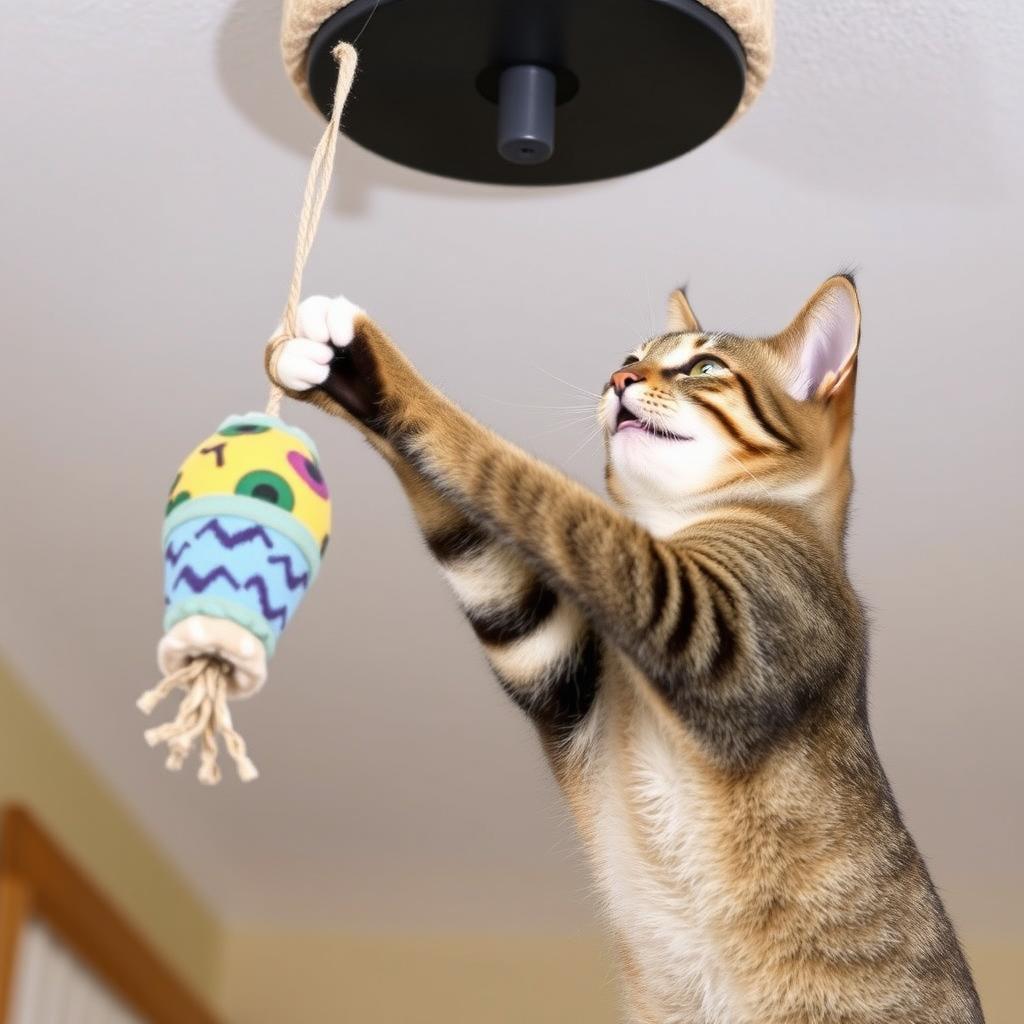
- For cats: Offer climbing opportunities with cat trees, scratching posts, and interactive toys. Consider the principles of cat behavior to provide an enriching environment that satisfies their natural hunting instincts.
Managing Noise and Stress
Loud noises, changes in routine, or unfamiliar visitors can cause stress for pets. Pet-proofing might include creating quiet zones, using calming pheromone diffusers, or practicing desensitization techniques for common stressors like thunderstorms or fireworks.
When to Seek Professional Help
While pet-proofing is largely about owner vigilance and modifying the environment, there are times when professional advice is extremely helpful. If your pet exhibits persistent destructive chewing, anxiety, or other concerning behaviors, it's a good idea to consult with a veterinarian or a certified animal behaviorist. They can help rule out any underlying medical issues and provide tailored behavioral modification plans. Similarly, for any health concerns, always remember to consult a licensed veterinarian. Issues like changes in appetite, lethargy, or difficulty moving should always be evaluated by a professional to ensure proper pet ownership and care.
By taking these steps, you can create a secure, loving, and enriching environment for your pet. A well-pet-proofed home is one where both you and your furry family members can relax and enjoy each other's company, fostering a stronger bond and a happier life together.
Frequently Asked Questions
Why is pet-proofing my home important?
Pet-proofing your home is essential to prevent accidental injuries to your pet and to protect your belongings. It involves identifying potential hazards in your living space and making adjustments to create a safe environment for your cat or dog, whether they are curious kittens, active puppies, or senior pets.
What are common household hazards for pets?
Common hazards include toxic plants, electrical cords, cleaning supplies, medications, small objects that can be swallowed, unsecured windows or balconies, and unstable furniture. Understanding what poses a risk is the first step in pet-proofing.
How can I pet-proof my kitchen and bathroom?
In the kitchen, secure trash cans, store cleaning supplies and medications in high, locked cabinets, and be mindful of hot surfaces. In the bathroom, keep toilet lids down, store toiletries and medications safely, and ensure drain covers are in place to prevent accidental drowning or ingestion.
What are some essential safety measures for pet owners?
Key safety measures include regular checks of your home for new hazards, ensuring all toxic substances are stored securely, providing safe toys, and supervising your pet, especially in new environments or when they are young. Regular veterinary check-ups are also vital for overall health and safety.