
That new puppy energy is infectious, isn't it? And that adorable Labrador retriever seems to know just how to melt your heart. But what happens when that boundless enthusiasm turns into destructive chewing? Suddenly, your favorite shoes are shredded, the sofa legs are gnawed, and your once-peaceful home feels like a chew toy battlefield. As a behaviorist, I see this challenge frequently, and I want you to know you're not alone. Destructive chewing is a common canine behavior, but it’s one we can absolutely manage and redirect. This isn't about punishment; it's about understanding why your dog is chewing and providing them with the right outlets and training. Let's explore how to stop your dog from chewing everything in sight!
Understanding the Canine Chewing Instinct
Chewing is not just a bad habit for dogs; it's a fundamental part of their nature. Puppies explore their world with their mouths. They are teething, which can be uncomfortable, and chewing helps them relieve that discomfort. For adult dogs, chewing serves multiple purposes. It helps keep their teeth clean, provides mental stimulation, and is a fantastic way for them to self-soothe and manage stress or boredom. Some breeds, especially those bred for working or retrieving, have a very strong natural drive to carry things in their mouths or to chew.
Understanding these underlying reasons is the first step. Is your dog a young puppy going through teething? Are they an adult who seems bored? Are they anxious when you leave? Or have they simply discovered that your expensive rug tastes fascinating? Pinpointing the 'why' will guide us to the 'how' of managing the chewing.
Puppy Teething: A Chewy Phase
Puppyhood is synonymous with chewing. From around 3 to 7 months of age, your puppy will be experiencing the discomfort of losing their baby teeth and growing adult ones. This is a critical time for redirection. Your puppy needs to learn what is acceptable to chew on and what isn't. Providing a variety of safe, appropriate chew toys designed for teething puppies is essential. These can include rubber toys that can be frozen for extra relief, Nylabones, and KONGs filled with healthy treats.
Boredom and Lack of Stimulation
One of the most common reasons adult dogs engage in destructive chewing is boredom. If a dog isn't getting enough physical exercise or mental stimulation, they'll find their own ways to entertain themselves, and unfortunately, your belongings often become the target. A tired dog is a good dog, and this applies heavily to their chewing habits. Long walks, fetch sessions, puzzle toys, and training games can significantly reduce chewing driven by boredom.
Anxiety and Stress
For some dogs, chewing is a coping mechanism for anxiety. This can manifest as separation anxiety (chewing when left alone), fear-based chewing (when exposed to loud noises like thunderstorms), or general stress. Destructive chewing related to anxiety often focuses on exits like doors and windows, as the dog is trying to escape the stressful situation. If you suspect anxiety is the root cause, it's crucial to address the underlying fear or anxiety, often with the help of a professional trainer or a veterinary professional.
Strategies to Redirect Chewing Behavior
Once we understand the 'why', we can implement effective strategies. The goal isn't to stop chewing entirely, but to redirect it to appropriate items.
Provide Appropriate Chew Toys
This is non-negotiable. Your dog needs a variety of safe, durable chew toys. Rotate them regularly to keep them interesting. Some dogs prefer soft plush toys, others hard rubber, and some enjoy edible chews like bully sticks or dental chews. Ensure the toys are size-appropriate and durable enough for your dog's chewing style. A Border Collie might need a different type of chew than a Bulldog.
Supervise and Redirect
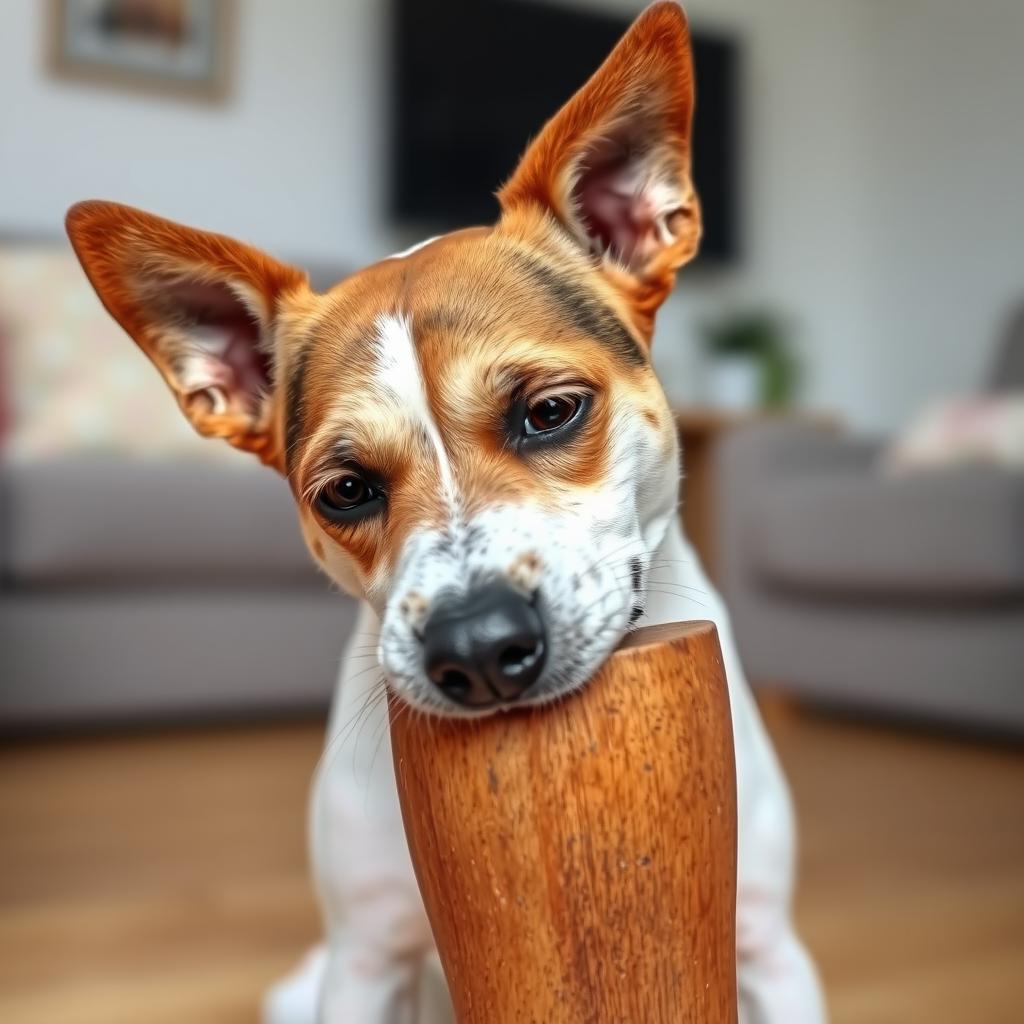
When you're home, especially with puppies and young dogs, constant supervision is key. If you see your dog chewing something they shouldn't, don't scold them harshly. Instead, calmly interrupt them with a sound (like a clap) or a gentle redirect. Take the forbidden item away and immediately offer them an appropriate chew toy. Praise them enthusiastically when they start chewing the right thing.
Establish a Routine and Provide Exercise
A predictable daily routine can help reduce anxiety and boredom. Ensure your dog gets adequate physical exercise daily. The amount will vary depending on breed, age, and energy level, but a good rule of thumb is at least 30-60 minutes of vigorous activity for most adult dogs. Mental exercise is just as important. Use puzzle feeders, play training games, or teach new tricks. This mental work tires them out and reduces the likelihood of them seeking out destructive chewing outlets.
Use Taste Deterrents (Carefully)
For persistent chewing on specific items like furniture legs or electrical cords (never leave electrical cords accessible!), you can use pet-safe bitter-tasting sprays. These are available at most pet supply stores. Apply them to the forbidden items. However, remember that these are deterrents, not solutions. They work best when combined with redirection and providing appropriate chew alternatives. Always test a small, inconspicuous area first to ensure it doesn't damage the material.
Crate Training and Containment
For times when you cannot supervise, a crate can be an invaluable tool. Crate training, when done correctly, provides your dog with a safe, den-like space. It prevents them from destroying things while you're out and helps with house training. Ensure the crate is appropriately sized and never used for punishment. For puppies or dogs who aren't fully crate-trained, confining them to a single, dog-proofed room with safe toys can also be effective.
Addressing Specific Chewing Scenarios
The Teething Puppy
As mentioned, teething is a major driver. Provide frozen KONGs, puppy-specific teething rings, and soft, puppy-safe chew toys. If they mouth your hand, yelp like a hurt puppy and withdraw attention. Then, offer a chew toy. Consistency is vital.
The Bored Adult Dog
Increase physical and mental exercise. Longer walks, more frequent play sessions, and introducing puzzle toys or scent games can make a huge difference. Consider doggy daycare a few times a week if your schedule allows and your dog enjoys it. Explore different types of dog training classes, which provide both mental stimulation and socialization.
The Anxious Dog
This requires a more nuanced approach. If separation anxiety is suspected, consult a professional trainer or veterinary behaviorist. They can help create a desensitization and counter-conditioning plan. Avoid leaving the dog alone for long periods initially. For general anxiety, work on building your dog's confidence through positive reinforcement training and ensuring their environment is as calm as possible.
When to Seek Professional Help
While many chewing issues can be managed with dedicated owners, some situations warrant professional guidance. If the chewing is:
- Sudden onset and severe.
- Accompanied by other signs of illness or distress (lethargy, loss of appetite, vomiting).
- Clearly linked to severe separation anxiety or aggression.
- Not improving despite consistent efforts.
In these cases, your first stop should be your veterinarian to rule out any medical causes. If health issues are ruled out, a certified professional dog trainer or a veterinary behaviorist can provide personalized strategies and help you address the root cause of the chewing behavior.
Managing a dog that chews everything can be frustrating, but with patience, understanding, and the right approach, you can guide your canine companion to chew appropriate items. Remember, chewing is natural; our job is to teach our dogs how to express this natural behavior in ways that work for both of you. Happy training!
Frequently Asked Questions
Why do dogs chew so much?
Chewing is a natural, instinctive behavior for dogs. Puppies explore the world with their mouths, and teething can be a major cause of chewing. Adult dogs may chew due to boredom, anxiety, lack of exercise, or simply because they haven't been taught appropriate chewing habits. It's also a way for them to entertain themselves or relieve stress.
How can I stop my dog from chewing furniture?
To stop a dog from chewing furniture, ensure they have plenty of appropriate chew toys. Redirect them immediately when you catch them chewing something they shouldn't. Provide sufficient mental and physical exercise. For puppies, regular training sessions on appropriate chew items are crucial. If the chewing is due to separation anxiety, you'll need to address that underlying issue with professional guidance.
What are the signs of separation anxiety in dogs?
Signs of separation anxiety can include excessive barking or howling when left alone, destructive chewing (often on exits like doors and windows), house soiling, pacing, and frantic attempts to escape. Some dogs may also become overly clingy when you are home. If you suspect separation anxiety, it's important to consult with a professional for a tailored plan.
When should I consult a vet about my dog's chewing?
You should consult a veterinarian if the chewing behavior started suddenly and is excessive, especially if it's accompanied by other concerning changes like lethargy, loss of appetite, or unusual vocalizations. Sometimes, persistent chewing can be linked to dental problems, gastrointestinal issues, or other underlying health concerns that require medical attention.