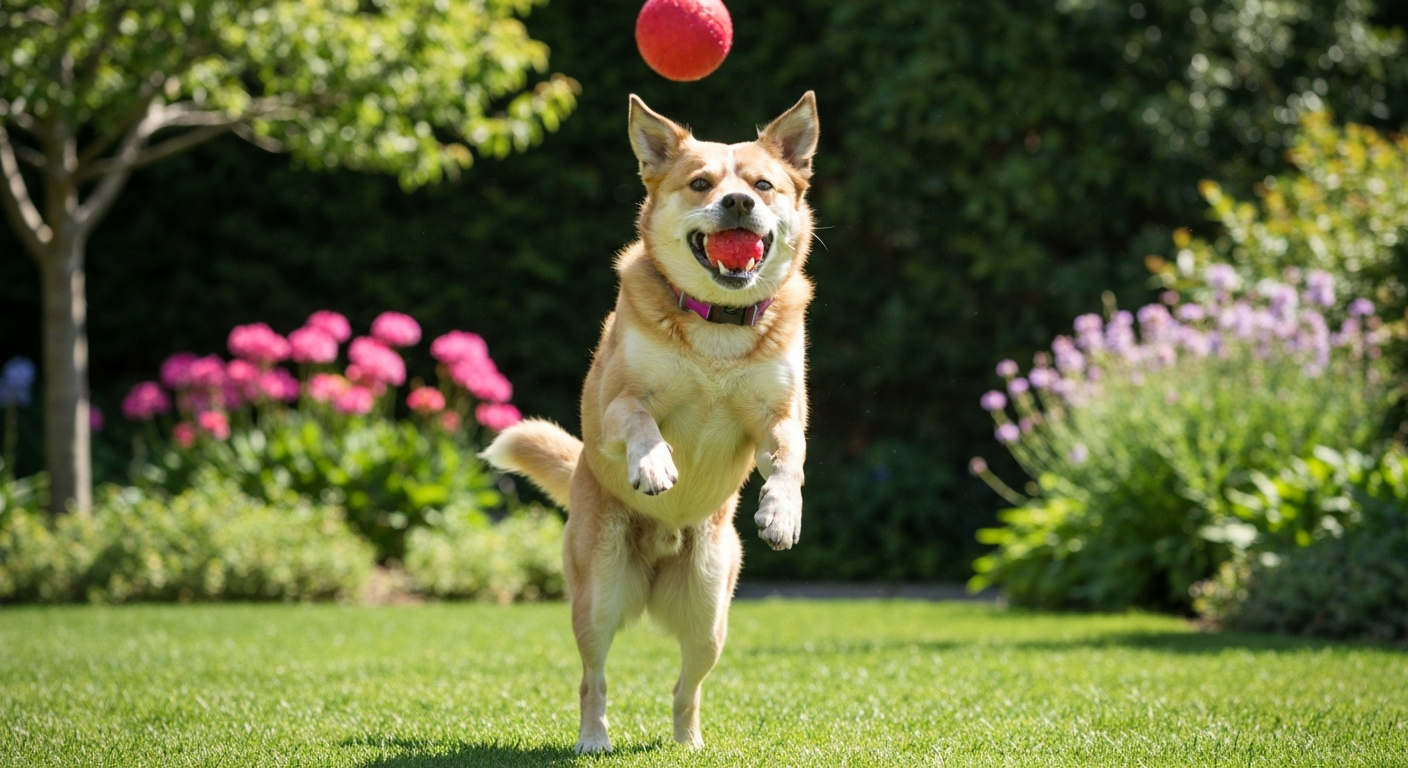
You step out into your backyard, coffee in hand, ready for a quiet morning. Instead of a neat lawn, you're faced with holes that look like an amateur archeological dig. If this sounds familiar, you're not alone. Dogs digging holes is a common and often frustrating behavior for pet parents. But before you get discouraged, remember that digging isn't a sign of a "bad dog"; it's simply a dog being a dog. It’s a behavior deeply ingrained in their nature. The solution isn't punishment, but understanding why your dog digs and channeling that energy positively. Let's explore!
Why do dogs dig? Exploring their natural instincts
Your dog's urge to dig is inherited. For thousands of years, their ancestors dug for survival. While your pet's life is very different from their wild relatives, those ancient instincts are still strong. Figuring out your dog's specific motivation is the first step toward finding a solution.
- Hunting instincts:
- Many breeds were developed to hunt animals that live underground. If your yard has moles, gophers, or even insects, your dog’s prey drive might be active. Certain dog breeds, like Terriers and Dachshunds, are naturally inclined toward this behavior.
- Creating shelter (Denning):
- In the wild, canines dig dens for safety, shelter, and to raise their young. Your dog might dig to create a cool place to rest on a warm day or a snug spot when it's cold. This is particularly common in Northern breeds like Huskies.
- Hiding food or toys (Caching):
- A prized bone or new chew toy is a treasure worth protecting! Dogs often dig to bury food, bones, and toys to save them for later. It’s their way of storing items.
- Simple boredom or excess energy:
- In today's world, this is a major reason. A dog lacking sufficient physical activity or mental engagement will find their own activities, and digging is an excellent way to release pent-up energy. It's a way for them to self-entertain.
- Anxiety or fear:
- Digging can be a way for a stressed or anxious dog to cope. Dogs with separation anxiety might dig at doors and windows, while those scared by loud noises like thunderstorms might dig to find a hiding place.
- The urge to explore:
- Some dogs are natural escape artists. They dig along fences to see what’s on the other side. This can stem from curiosity, boredom, or a desire to reach something or someone outside your yard.
Figuring out why your dog digs
To find the right solution, you need to observe closely. The location and type of holes can offer clues about your dog's reasons for digging. Watch your dog's behavior and look for patterns. This guide can help you determine the cause.
| Clue / Hole Location | Most Likely Reason |
|---|---|
| Shallow holes in a pattern, following roots or trails | Hunting Prey |
| Under shady trees, bushes, or near the house foundation | Denning / Temperature Control |
| Holes containing (or that once contained) toys or bones | Caching / Burying Treasure |
| Random, scattered holes in the middle of the yard | Boredom / Entertainment |
| Holes right next to fences, gates, or doors | Escape or Separation Anxiety |
Ways to help your dog stop digging holes
Once you have a good idea why your dog is digging, you can try a targeted approach. Remember that being consistent is key! Combining several of these methods usually works best.
1. Increase exercise and mental activities
A well-exercised dog is often a well-behaved dog. If boredom is the issue, more physical and mental exercise is your primary tool. Take longer walks or runs, play active games of fetch, or visit a dog park. Don't forget mental stimulation! Puzzle toys, snuffle mats, and scent games can tire your dog out mentally. Consistent enrichment is important for modern dog training and can help with many behavioral issues.
2. Establish a designated 'digging zone'
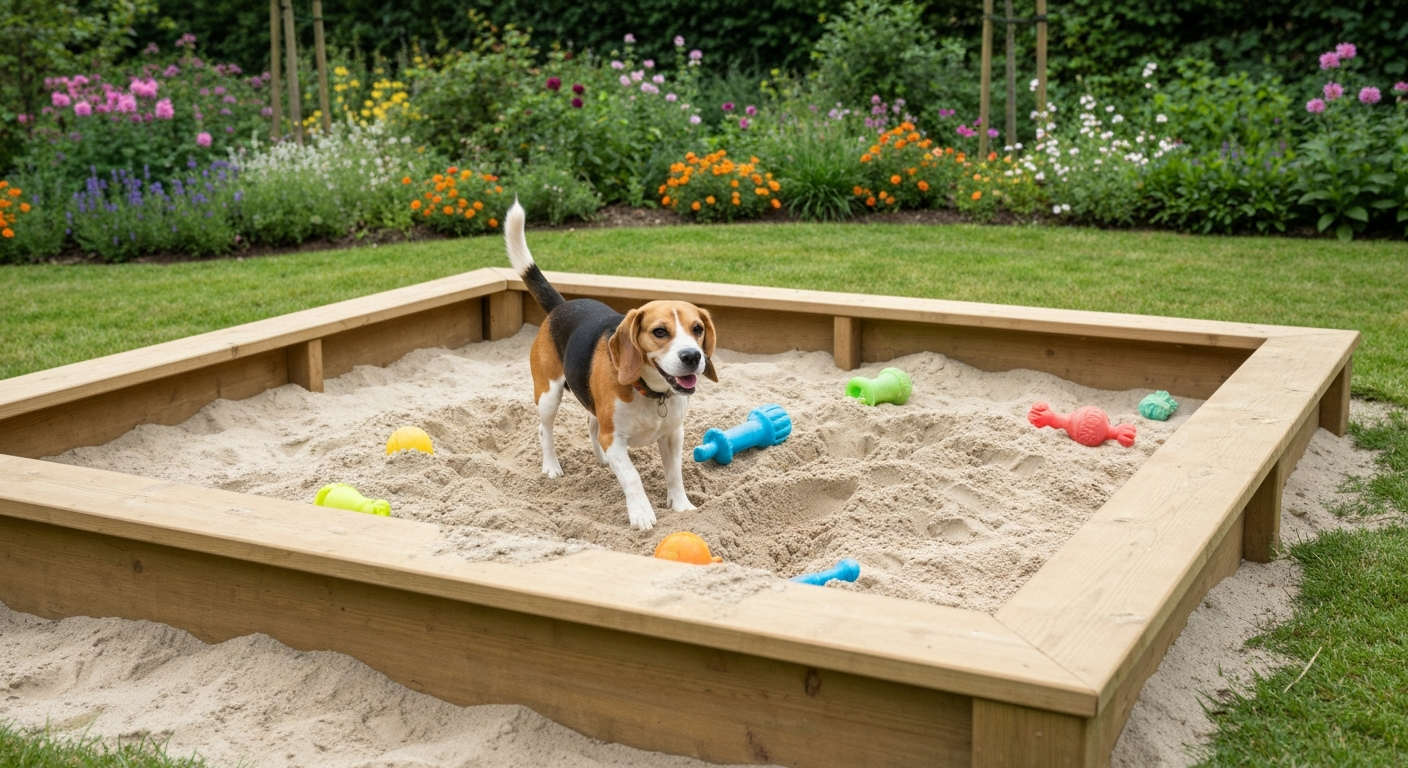
You can't eliminate an instinct, but you can redirect it. This is a great approach because everyone benefits. Create a special digging spot in your yard, like a sandbox or a corner with loose soil. Bury some of your dog's favorite toys or durable treats there to encourage use. When you see them digging in an unwanted area, calmly interrupt with a firm "No!" or a clap, then lead them to their designated spot and praise them enthusiastically when they dig there. This teaches them "not here, but here."
3. Make problem areas less appealing
For persistent diggers, you can make the areas they shouldn't dig less attractive. Try burying some of their own waste in the holes (dogs generally avoid digging where they eliminate). You can also place flat rocks or chicken wire just under the soil surface in specific spots. Some people have success sprinkling cayenne pepper or citrus peels around, as most dogs dislike the smell, but be aware this can irritate some dogs and needs reapplication after rain.
4. Address comfort and anxiety
If your dog is digging to cool down, make sure they have plenty of shade and fresh, cool water, or consider a cooling mat for indoor use. If they are seeking shelter, provide a comfortable dog house or crate. For anxious diggers, the solution is more involved. Digging can be a sign of deeper anxiety, a topic we discuss in our dog health care guides. Work on building their confidence and, if the anxiety is severe, consult a professional.
5. Supervise and manage the environment
A dog can't dig up the yard if they aren't left unsupervised. Initially, supervise your dog whenever they are outside. This allows you to interrupt and redirect the unwanted behavior immediately. While not a long-term fix, it’s a crucial management step while other training methods take effect.
Common training mistakes to avoid
How you respond is as important as the solutions you use. Steer clear of these common errors:
- Don't punish after the fact. Scolding your dog hours after they’ve dug a hole is ineffective. They cannot connect your frustration with an action they took long ago. This will only lead to fear and confusion.
- Don't fill the hole while they are watching. For many dogs, this looks like a fun game. You dig, they dig. You might be unintentionally reinforcing the behavior. Wait until your dog is inside before you do your yard repairs.
- Don't use harsh physical corrections. Yelling, hitting, or using a shock collar won't address the root cause. It's more likely to increase your dog's anxiety, which can worsen the digging.
When to seek professional help
While most digging issues can be resolved with patience and consistency, some situations require expert assistance. If the digging is constant, accompanied by other signs of distress like persistent barking or destructive behavior indoors, or if you suspect it's related to severe separation anxiety or obsessive-compulsive tendencies, it's time to get help. A certified professional dog trainer or a veterinary behaviorist can create a personalized plan for you and your pet. Being a responsible pet owner means knowing when to ask for professional guidance.
Ultimately, helping your dog stop digging holes involves being an observant detective and a patient teacher. By understanding their instincts and providing acceptable outlets, you can restore peace to your backyard and strengthen your bond with your furry family member.
Frequently Asked Questions
Is it cruel to stop a dog from digging?
No, it is not cruel to stop a dog from digging in inappropriate places, as long as you provide alternative outlets for their energy and instincts. Redirecting the behavior to a designated digging zone is a humane and effective training method.
What dog breeds are most prone to digging?
Breeds with a history of hunting vermin or burrowing animals tend to dig the most. This includes most Terriers (like the Jack Russell and Cairn Terrier), Dachshunds, Beagles, Siberian Huskies, and Alaskan Malamutes.
Do deterrent sprays really work to stop dogs from digging?
Commercial deterrent sprays, often with bitter or citrus scents, can be effective for some dogs but are not a universal solution. They work best as a temporary measure while you implement more permanent training and enrichment strategies. Always ensure any product you use is non-toxic and safe for pets.