
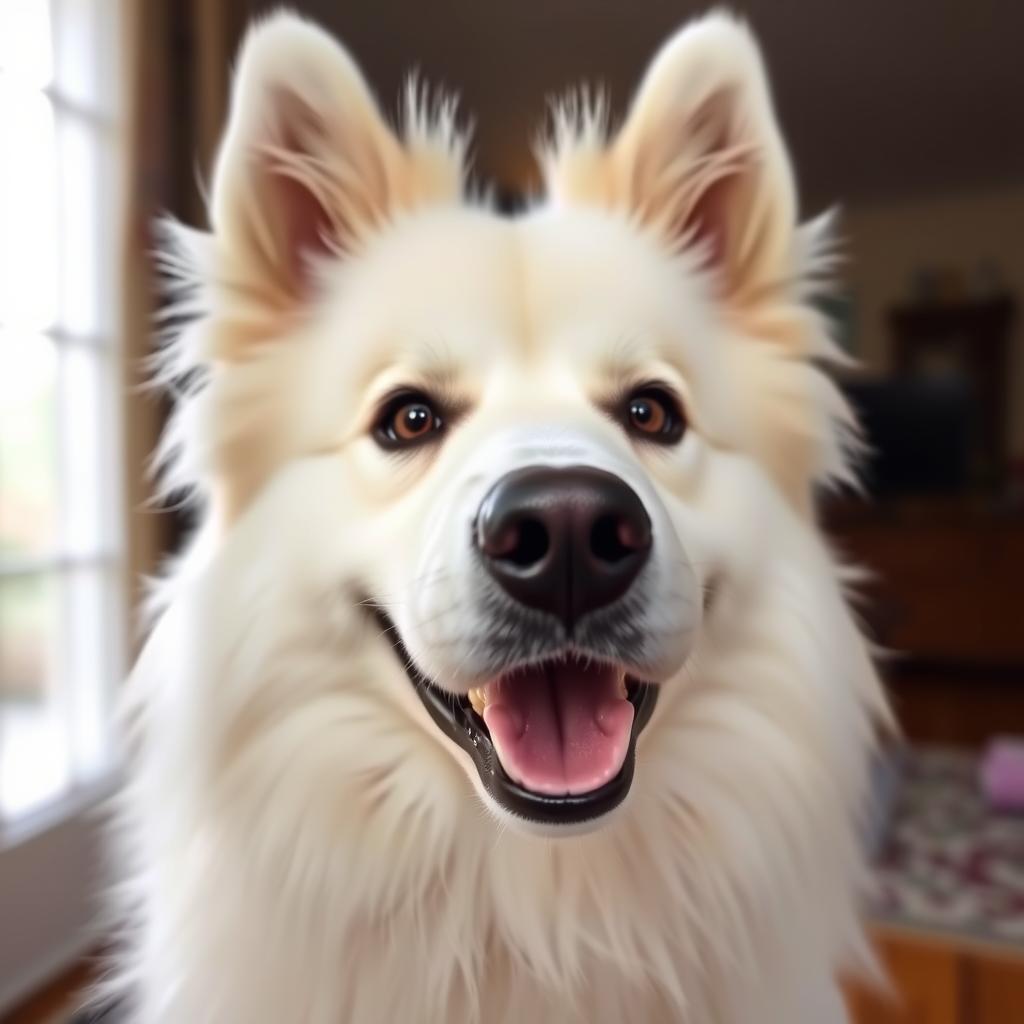
The Samoyed, with its distinctive snowy-white coat and ever-present "smile," is a truly enchanting breed. Known for their friendly nature and striking appearance, these dogs bring a special kind of happiness to many homes. However, like all purebred dogs, Samoyeds have certain health considerations that caring owners should be aware of. As a behaviorist and trainer, my focus is on how health affects a dog's well-being and behavior, and what owners can do proactively. Understanding these potential issues and implementing preventative care can help ensure your Samoyed lives a long, happy, and healthy life. Let's look at common Samoyed health concerns and how to manage them.
Understanding Samoyed Health and Well-being
While Samoyeds are generally robust dogs, certain genetic and lifestyle factors can contribute to health problems. From a behavioral perspective, any physical discomfort or illness can change a dog's usual temperament or daily routine. A dog in pain might become withdrawn, irritable, or less responsive to training. Conversely, a healthy, comfortable dog is more likely to engage, learn, and be a joyful companion.
Common Samoyed Health Concerns and Behavioral Indicators
It's important to discuss breed health in a way that focuses on what owners can observe and manage, rather than getting lost in complex medical terms. My role is to help you connect your dog's physical health with their behavior.
Orthopedic Issues: Dysplasia
Samoyeds can be prone to hip and elbow dysplasia. These conditions involve abnormal development of the hip or elbow joints, leading to pain, lameness, and arthritis as the dog ages.
Behavioral signs to watch for:
- Hesitation to jump onto furniture or into the car.
- Stiffness after resting, particularly noticeable in colder weather.
- Limping or favoring a leg, especially after exercise.
- Difficulty getting up from a lying position.
- Less enthusiasm for walks or play.
Preventative care and management:
- Maintain a lean body weight through appropriate feeding and portion control. This reduces stress on the joints.
- Ensure your Samoyed gets regular, moderate exercise rather than intense, high-impact activities, especially during their growth phases. Consider swimming as a low-impact option.
- Provide comfortable bedding, such as orthopedic dog beds, to cushion their joints.
- Discuss joint supplements with your veterinarian.
- For any signs of lameness or discomfort, consult your veterinarian promptly for diagnosis and treatment options. Early intervention is important.
Eye Conditions: Progressive Retinal Atrophy (PRA) and other issues
Certain eye conditions, such as Progressive Retinal Atrophy (PRA), can affect Samoyeds. PRA is a degenerative disease of the retina that can lead to vision loss over time.
Behavioral signs to watch for:
- Bumping into furniture or walls, especially in dim light.
- Hesitation in new environments or at dusk.
- Changes in eye appearance, such as cloudiness or a reflective sheen (though this can be subtle).
- Increased dependence on you or becoming more timid.
Preventative care and management:
- Responsible breeders screen their breeding stock for known hereditary eye conditions. Always ask about health clearances.
- If you notice any changes in your Samoyed's vision or eyes, seek immediate veterinary attention.
- While vision loss from PRA cannot be reversed, owners can help their dog adapt by maintaining a consistent environment, using nightlights, and avoiding rearranging furniture.
- Focus on reinforcing training with verbal cues and scent work, which can be very helpful for dogs with compromised vision.
Skin and Coat Health: Allergies and irritation
The Samoyed's beautiful thick coat can sometimes be a challenge, making them susceptible to skin issues, including allergies and hot spots.
Behavioral signs to watch for:
- Excessive scratching, licking, or chewing at their skin, especially paws and belly.
- Rubbing their face or ears.
- Restlessness and apparent discomfort.
- Redness or inflammation of the skin, particularly in folds or ears.
Preventative care and management:
- Regular grooming is essential. Daily brushing helps remove loose hair, prevent matting, and allows you to check for any skin abnormalities.
- Feed a high-quality diet. Some allergies are food-related, and a good diet supports overall skin health. Discuss diet with your veterinarian if you suspect allergies.
- Ensure your dog is not exposed to environmental irritants.
- Keep ear canals clean and dry to prevent infections.
- When bathing, use a gentle, veterinarian-approved shampoo.
- For persistent itching or skin issues, a veterinarian can perform allergy testing and recommend appropriate treatments, which may include medication or dietary changes. Proper nutrition is a cornerstone of dog health care.
Heart Health: Subvalvular Aortic Stenosis (SAS)
Samoyeds can be predisposed to certain heart conditions, like Subvalvular Aortic Stenosis (SAS), a congenital defect affecting blood flow from the heart.
Behavioral signs to watch for:
- Exercise intolerance or tiring easily on walks.
- Fainting or collapsing during or after exertion.
- Coughing, especially after activity.
- Lethargy or decreased energy levels.
Preventative care and management:
- Responsible breeders will screen their dogs for SAS. Inquire about health clearances for the parents.
- Annual veterinary check-ups are essential for listening to your dog's heart.
- If your vet detects a heart murmur, further diagnostic tests might be recommended.
- For dogs diagnosed with SAS, your veterinarian will advise on managing the condition, which may involve medication, dietary adjustments, and carefully managing exercise levels.
Bloat (Gastric Dilatation-Volvulus - GDV)
While not exclusive to Samoyeds, deep-chested breeds like them are at higher risk for bloat, a life-threatening condition where the stomach fills with gas and can twist.
Behavioral signs to watch for:
- Restlessness and pacing.
- Repeated unproductive retching or attempts to vomit.
- Distended or firm abdomen.
- Drooling excessively.
- Weakness and collapse.
Preventative care and management:
- Feed multiple small meals throughout the day rather than one large meal.
- Avoid strenuous exercise immediately before or after eating.
- Do not allow your dog to drink large amounts of water very quickly after eating.
- Consider a gastropexy surgery, especially for males, which can be performed during spay/neuter surgery to help secure the stomach. Discuss this preventative option with your vet.
- If you suspect bloat, this is a medical emergency; seek veterinary care immediately.
Beyond Genetics: Lifestyle and Behavioral Health
While genetic predispositions are important to understand, many health issues can be influenced or exacerbated by lifestyle choices. As a behaviorist, I often see how lifestyle impacts overall well-being. Proper training and mental stimulation are not just about good manners; they are integral to a dog's mental health.
The Importance of Diet and Portion Control
A balanced, high-quality diet is fundamental for every dog's health, and it plays an important role in preventing issues like obesity, which can worsen joint problems and increase the risk of bloat. Overfeeding is a common pitfall.
Actionable advice:
- Consult your veterinarian to determine the appropriate daily caloric intake for your Samoyed based on age, activity level, and health status.
- Measure food accurately. Don't just guess.
- Limit treats and table scraps. If you use treats for training, factor them into the total daily intake.
- Consider interactive feeders or puzzle toys, which can slow down eating and provide mental stimulation. This is an excellent way to enhance dog training and engagement.
Exercise and Mental Stimulation
Samoyeds are active dogs that require regular physical activity and mental engagement to stay healthy and happy. Insufficient exercise can lead to boredom, destructive behaviors, and weight gain.
Actionable advice:
- Aim for at least an hour of exercise daily, which can include brisk walks, playing fetch, or engaging in dog sports.
- Incorporate mental stimulation through training sessions, puzzle toys, scent games, and introducing new experiences.
- Short, frequent training sessions are more effective than long, infrequent ones for learning and preventing frustration.
Dental Hygiene
Dental disease is common in dogs and can lead to more serious health problems if left untreated. Poor dental hygiene can affect a dog's comfort, appetite, and even their overall systemic health.
Actionable advice:
- Brush your Samoyed's teeth daily or at least several times a week with a dog-specific toothbrush and toothpaste.
- Provide safe dental chews or toys.
- Schedule regular dental check-ups with your veterinarian.
Environmental Enrichment and Comfort
Ensuring your dog's environment is comfortable and engaging can prevent stress and improve their quality of life, especially as they age or if they have minor health issues.
- Provide raised food and water bowls if your dog has orthopedic issues.
- Use ramps or steps to help your Samoyed access elevated surfaces if they have joint pain.
- Ensure adequate ventilation and cooling, as their thick coat can make them susceptible to overheating.
Veterinary Partnership is Key
As a behaviorist, I cannot stress enough the importance of a strong partnership with your veterinarian. They are your primary resource for diagnosing, treating, and managing any health conditions your Samoyed may face. My advice focuses on observation, prevention, and behavioral management, but it complements, rather than replaces, professional veterinary care.
Remember that early detection through regular observation and veterinary check-ups is often the most important factor in managing Samoyed health issues effectively. By staying informed and proactive, you can help your beautiful, fluffy companion enjoy a long and vibrant life by your side.
For further guidance on understanding your dog's needs, explore our resources on dog ownership and training.
Frequently Asked Questions
What are the most common Samoyed health problems?
Common concerns for Samoyeds include hip and elbow dysplasia, certain eye conditions like progressive retinal atrophy, and potential heart issues. Skin allergies and bloat can also affect the breed. Regular veterinary check-ups are crucial for early detection.
How can I prevent health issues in my Samoyed?
Prevention involves a balanced diet, consistent exercise, proper grooming to maintain skin health, regular dental care, and avoiding overfeeding to prevent obesity and bloat. Always consult your veterinarian for tailored preventative advice.
What behavioral signs indicate a Samoyed might be unwell?
Changes in behavior can signal health problems. Look for increased lethargy, reluctance to play or exercise, changes in appetite or thirst, hiding more than usual, unusual vocalizations, or difficulty with mobility. Any significant change warrants a vet visit.
How often should I take my Samoyed to the vet?
For puppies and senior dogs, more frequent visits might be recommended. Generally, adult Samoyeds should have annual wellness exams. Your veterinarian will advise on a schedule based on your dog's age, health status, and lifestyle.