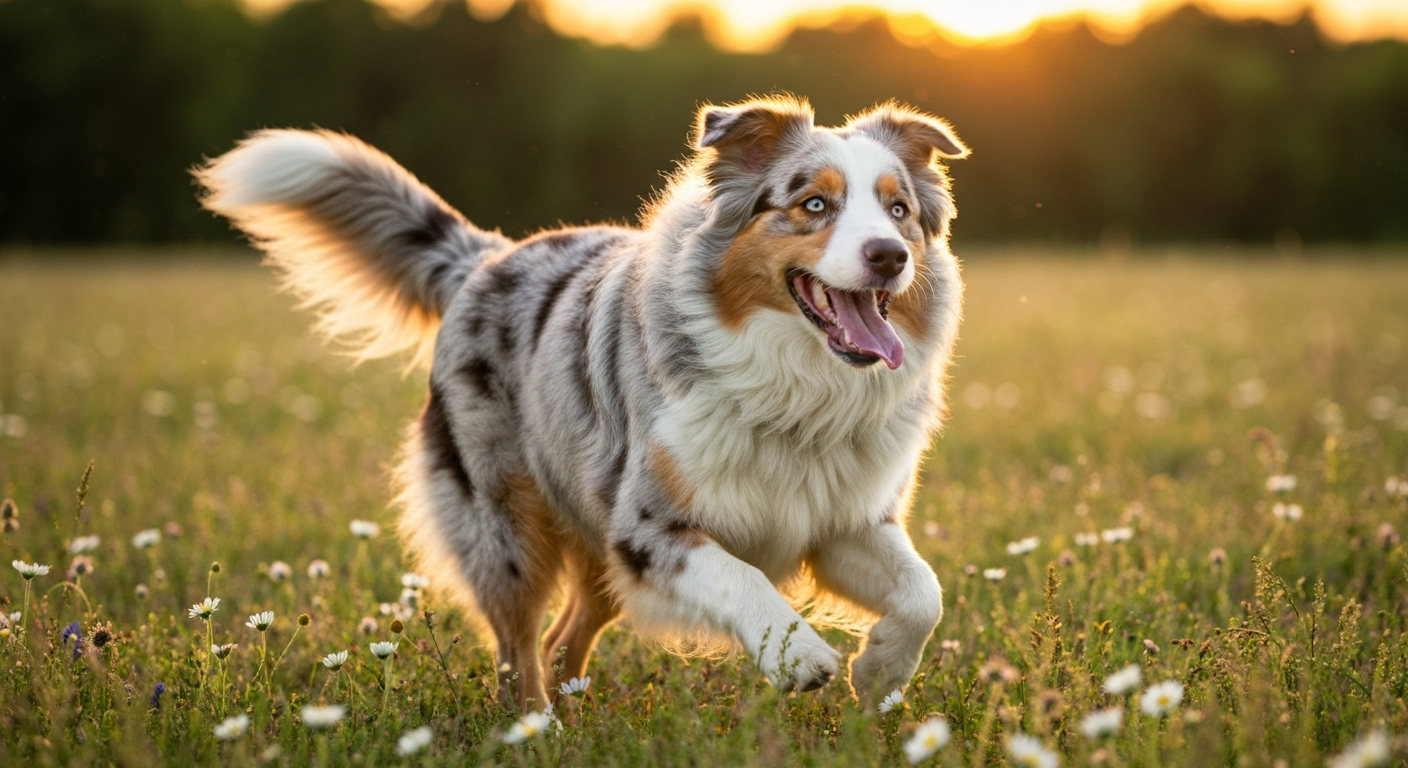
The Australian Shepherd is a whirlwind of intelligence, energy, and striking looks, all bundled in a fluffy coat that often sports a beautiful mix of colors. It's easy to see why these dogs win so many hearts. As a pet behaviorist who has worked extensively with this breed, I've witnessed the deep connections they form with their families. However, for anyone considering or currently owning an Aussie, it's important to look beyond their captivating eyes and understand the breed's common health considerations. Being informed is the best way to help your Australian Shepherd live a long and fulfilling life.
These dogs are generally strong and resilient, bred for active days. Like many purebred dogs, though, their specific genetic makeup can make them more susceptible to certain health issues. This list isn't meant to alarm you; think of it as a guide for proactive care. Let's look at what you should know.
Common hereditary health concerns in Australian Shepherds
Understanding potential hereditary conditions is key to managing them. A responsible breeder will screen their dogs for the most common genetic problems, giving you a healthier puppy from the start. Even so, it’s wise to be aware of what to watch for.
Eye health in Australian Shepherds
Aussies are known for their gorgeous eyes, which can be many colors, including a striking blue. Unfortunately, their eyes can also be affected by inherited conditions. Regular eye check-ups with a veterinary ophthalmologist are recommended for this breed.
- Collie eye anomaly (CEA):
- This inherited condition affects eye development. In mild cases, vision isn't impacted, but severe cases can lead to retinal detachment and blindness. DNA testing can identify affected dogs and carriers.
- Hereditary cataracts:
- Unlike those that appear with age, these can show up in Aussies as young as two years old. They cause clouding of the eye's lens, potentially leading to blindness. Surgery is an option, though it can be expensive.
- Progressive retinal atrophy (PRA):
- This is a degenerative disease of the retina that eventually causes blindness. Night blindness is often the first symptom. DNA tests are available to screen for this condition.
The MDR1 gene mutation
This is an important consideration for Aussies and other herding breeds. The MDR1 gene mutation affects how a dog's body processes certain medications. Dogs with this mutation can experience severe, even life-threatening, reactions to common drugs that are safe for other dogs.
Knowing your dog's MDR1 status is critical. A simple cheek swab DNA test can determine if your dog is clear, a carrier, or affected. Always share these results with your veterinarian. Some medications that can cause serious reactions include high doses of Ivermectin (often found in livestock dewormers), loperamide (Imodium), and certain chemotherapy drugs.
Hip and elbow dysplasia
As a medium to large, active breed, Australian Shepherds can be prone to hip and elbow dysplasia. These are conditions where the hip or elbow joints don't develop correctly, leading to painful arthritis, instability, and lameness. Genetics play a role, but environmental factors are also significant.
Signs of dysplasia can include:

- Hesitation to run, jump, or go up/down stairs
- A distinctive "bunny hop" hind gait
- Stiffness or limping, particularly after periods of rest
- Discomfort or sensitivity around the hip area
Managing these issues involves maintaining a healthy weight, ensuring appropriate exercise, and sometimes using joint supplements or pain relief. For more advice on keeping your active dog healthy, our dog health care section offers a lot of useful information.
Proactive care for a healthy Australian Shepherd
Being informed is helpful, but consistent action is what truly supports your dog's health. You play a significant role in your Aussie's well-being, starting from the moment they join your family.
Choosing a responsible breeder
This is perhaps the most crucial step you can take. A responsible breeder is dedicated to the breed's welfare. They will conduct thorough health screenings on their breeding dogs and be open about the results. Ask to see health clearances for the puppy's parents, including:
- Hip & Elbow Certifications: Look for results from the Orthopedic Foundation for Animals (OFA) or PennHIP.
- Eye Certification: A recent (within the past year) exam from a board-certified veterinary ophthalmologist.
- DNA Tests: For MDR1, PRA, CEA, and other specific breed conditions.
Learning about ethical breeding practices is fundamental to responsible pet ownership.
Following a preventative health screening plan
Even with a puppy from a reputable breeder, ongoing veterinary care is essential. Work with your vet to create a health plan tailored to your Australian Shepherd.
| Life Stage | Key Health Focus & Screenings | Estimated Annual Cost (USD) |
|---|---|---|
| Puppy (8 wks - 1 yr) | Core vaccinations, parasite prevention, initial vet exams, discussing MDR1 status, careful exercise to protect developing joints. | $300 - $600 |
| Adult (1 - 7 yrs) | Annual wellness exam, dental cleaning, booster shots, parasite control, baseline bloodwork, first eye exam with an ophthalmologist around age 2. | $400 - $800 |
| Senior (7+ yrs) | Bi-annual wellness exams, senior blood panels (including thyroid), regular eye and joint checks, monitoring for any lumps or growths. | $600 - $1200+ |
Prioritizing nutrition and exercise
Maintaining your Australian Shepherd at a lean, healthy weight is one of the most effective ways to support their joints and overall health. Excess weight can significantly worsen arthritis and dysplasia.
- Feed a high-quality diet: Select food appropriate for your dog's age, size, and activity level.
- Measure their food: Avoid leaving food out all day. Accurately measure portions to ensure they are eating the right amount.
- Exercise wisely: Aussies need plenty of exercise, but it must be suitable for their age and physical development. For puppies, avoid strenuous, repetitive activities like long runs on hard surfaces, as this can harm their developing growth plates. Focus on free play and short training sessions. As they grow, activities like hiking, swimming, and participating in dog sports are excellent outlets. Combining exercise with enjoyable challenges is a key part of dog training.
Stimulating their minds
An Australian Shepherd whose mind isn't sufficiently engaged can become stressed and potentially destructive. Stress can negatively impact physical health. Keep their minds active with puzzle toys, training games, and activities like agility or obedience. A dog that is mentally tired and content is often a healthier dog.
A lifetime of shared adventures
Owning an Australian Shepherd is a significant commitment, but one that brings immense rewards. By understanding their potential health considerations and adopting a proactive approach, you're not only preventing future issues but also investing in a long, happy, and action-packed life with your remarkable canine companion. They give us their absolute best; the least we can do is provide them with our best care. Learning about different dog breeds helps you appreciate the unique needs of each one, and the Australian Shepherd certainly merits dedicated effort.
Frequently Asked Questions
What are the most common genetic health issues in Australian Shepherds?
Australian Shepherds are prone to several genetic conditions, most notably eye diseases (like cataracts, PRA, and Collie Eye Anomaly), the MDR1 gene mutation causing drug sensitivity, hip and elbow dysplasia, and certain types of epilepsy and cancers.
Are merle Australian Shepherds less healthy?
The merle gene itself doesn't cause health issues. However, dogs that inherit two copies of the merle gene (a "double merle") from merle-to-merle breeding have a very high risk of being born deaf, blind, or with other severe eye defects. Responsible breeders never breed two merle dogs together.
How can I prevent hip dysplasia in my Aussie?
While there's a strong genetic component, you can reduce the risk and severity of hip dysplasia by choosing a puppy from parents with good hip scores (OFA or PennHIP certified), maintaining your dog at a lean and healthy weight, providing age-appropriate exercise (avoiding forced running on hard surfaces in puppyhood), and feeding a high-quality, balanced diet.