
The Akita is a breed celebrated for its striking beauty and dignified bearing. With their powerful build, thick double coat, and signature curled tail, they naturally capture attention. However, beneath that composed exterior lies a genetic predisposition that can make them susceptible to certain health concerns. As a devoted owner, or someone considering welcoming an Akita into your life, understanding these potential health issues is a crucial part of ensuring their well-being. It’s about being prepared, not worried, so you can provide them with the very best care.
This guide explores common Akita health challenges. We’ll delve into what makes this breed unique, the signs to watch for, and how you can be the most attentive guardian for your loyal companion.
The Akita's Genetic Background
Hailing from the mountainous regions of northern Japan, the Akita is an ancient breed belonging to the spitz family. Their historical roles as hunters of large game and guardians contributed to their robust and resilient nature. However, like many purebred dogs, their specific gene pool, which experienced a bottleneck, particularly after World War II, means they have a higher likelihood of developing certain health conditions. Recognizing this is not a fault of the breed but an essential aspect of responsible pet ownership. Awareness empowers you to work effectively with your veterinarian and breeder to minimize potential risks.
Key Health Considerations for Akitas
While Akitas are generally robust dogs, some health conditions appear more frequently in this breed compared to the general dog population. Let's look at the most notable ones.
Autoimmune Diseases: A Hidden Challenge
Autoimmune disorders represent a significant health concern for Akitas. These conditions occur when the dog's immune system mistakenly targets and attacks its own healthy tissues. In Akitas, this can lead to serious problems.
- Sebaceous Adenitis (SA):
- This disease affects the sebaceous glands in the skin, which are responsible for producing oil that keeps skin and hair follicles healthy. When the immune system attacks these glands, it can result in gradual hair loss, dry and flaky skin, a distinct odor, and secondary skin infections. Symptoms often begin on the head and neck and can sometimes be mistaken for severe allergies.
- Vogt-Koyanagi-Harada (VKH) Syndrome:
- Also known as Uveodermatologic Syndrome, this is a serious condition where the immune system attacks pigment-producing cells (melanocytes). This primarily affects the eyes and skin. It can cause sudden, painful inflammation of the eyes (uveitis), which can lead to glaucoma and blindness if not treated promptly. Pigmentation loss can also occur on the skin, nose, and paw pads, causing them to turn white.
Management: While there isn't a cure for these autoimmune conditions, they can be managed. Early detection is crucial. If you notice any unusual skin changes or eye redness, consult your veterinarian immediately. Management typically involves a combination of topical treatments, specialized shampoos, and medications to support the immune system.
Orthopedic Health: Supporting Their Structure
As a large and substantial breed, Akitas are prone to joint issues that can affect their movement and overall comfort.
- Hip & Elbow Dysplasia: This involves abnormal development of the hip or elbow joints. Over time, this can lead to painful friction, resulting in arthritis and difficulty walking. Genetics play a significant role, making it essential to choose a breeder who screens their breeding dogs for these conditions through recognized programs like OFA or PennHIP.
- Patellar Luxation: Although more common in smaller breeds, the kneecap (patella) can sometimes dislocate in Akitas, causing a noticeable limp or sudden unsteadiness.
Management: Beyond selecting a responsible breeder, maintaining your Akita at a lean, healthy weight is paramount for joint health. During their rapid growth phase as puppies, avoid intense, high-impact activities like jumping from significant heights. Refer to our dog guides for advice on appropriate exercise for large breeds.

Bloat (Gastric Dilatation-Volvulus - GDV)
This is a critical emergency. Bloat occurs when a dog's stomach fills with gas, food, or fluid and then twists, cutting off blood supply. This can quickly lead to shock. Deep-chested breeds, including the Akita, are at higher risk.
Signs of Bloat:
- Restlessness and apparent distress
- Repeated, unproductive attempts to vomit or belch
- A visibly swollen or hard abdomen
- Excessive drooling
- Pale gums
- Signs of collapse
If you suspect bloat, seek immediate veterinary attention at the nearest emergency clinic. Time is of the essence. Some owners of breeds at risk choose to have a preventative surgery called a prophylactic gastropexy, which attaches the stomach to the abdominal wall to prevent twisting. This can often be done during a spay or neuter procedure.
Hypothyroidism
An underactive thyroid gland (hypothyroidism) is another condition sometimes seen in Akitas. The thyroid plays a key role in regulating metabolism. Insufficient hormone production can lead to a variety of symptoms such as weight gain, reduced energy, skin issues, hair loss (sometimes noticeable on the tail, giving a 'rat tail' appearance), and increased sensitivity to cold. The good news is that with a simple blood test confirming the diagnosis, it is usually easily and affordably managed with a daily oral supplement.
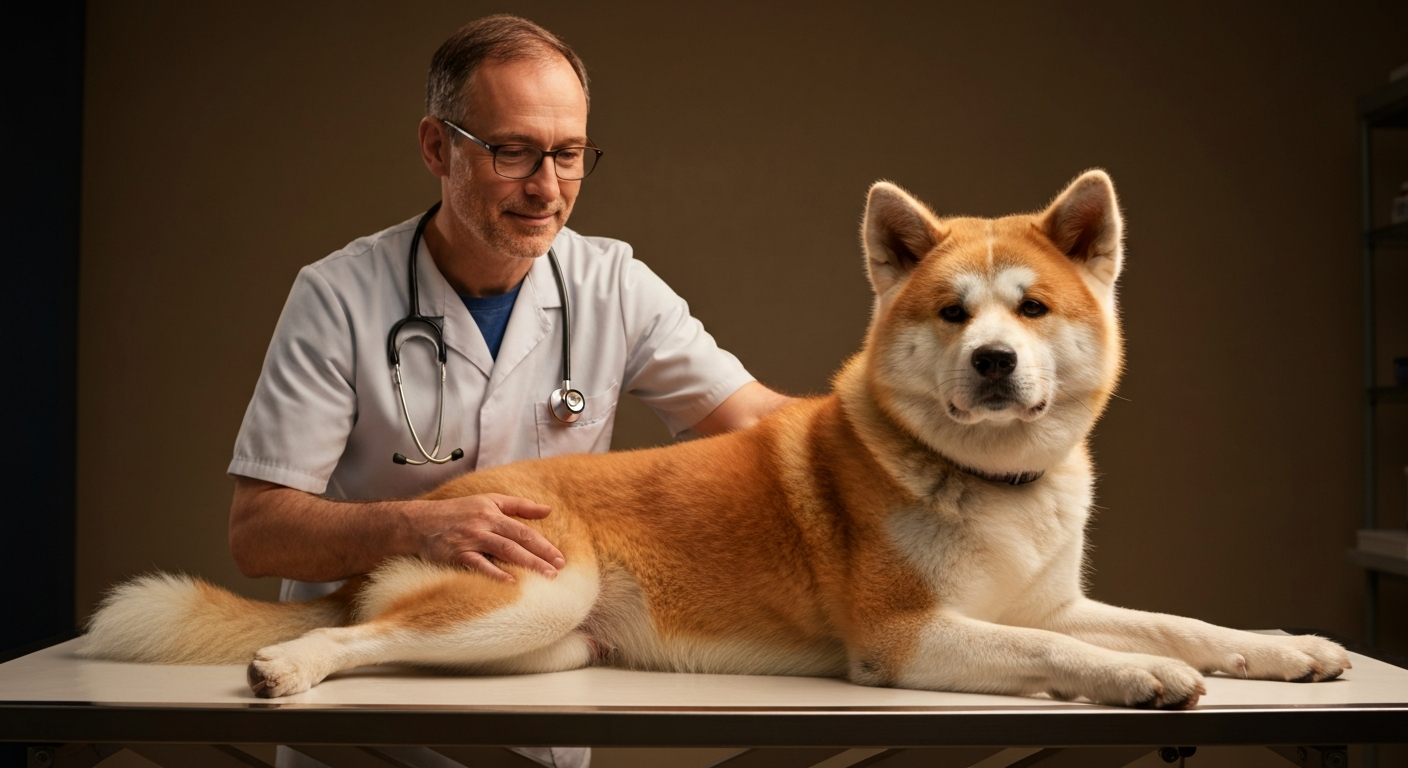
Taking Proactive Steps for Your Akita's Health
Understanding potential health issues is the first step. Now, you can implement concrete measures to support your Akita in living a long and healthy life. This preparation begins even before you welcome a puppy into your home.
1. Select a Responsible Breeder
A reputable breeder is your primary resource for a healthy start. They should be open about the breed's health considerations and conduct thorough health screenings on their breeding stock. Always ask for proof of health clearances for hips, elbows, eyes (CERF), and thyroid. A good breeder prioritizes the health and temperament of their dogs above all else.
2. Prioritize Nutrition and Weight Management
Feed a high-quality dog food formulated for large breeds, appropriate for your Akita's current life stage (puppy, adult, or senior). Crucially, keep them lean. Excess weight places significant stress on their joints, heart, and other internal systems. You should be able to feel their ribs easily without them being visibly apparent.
3. Ensure Appropriate Exercise
Akitas require regular, moderate physical activity. Long walks, hikes, and supervised play sessions are excellent. Avoid overexertion or excessive jumping, particularly for puppies under 18 months whose growth plates are still developing. Consistent exercise not only helps manage weight but also contributes to good mental well-being. Proper leash manners are also important, a skill often developed through basic dog training.
4. Maintain Regular Veterinary Care
Routine check-ups, either annually or semi-annually, are essential. These visits allow your veterinarian to identify subtle changes that might otherwise go unnoticed. Regular blood work can help detect conditions like hypothyroidism in their early stages. For a broader understanding of veterinary care, our dog health care resources offer comprehensive information on everything from vaccinations to senior wellness.
Anticipating Costs for Common Akita Health Issues
Being financially prepared for potential health concerns is an integral part of responsible dog ownership. Costs can vary significantly depending on your geographic location and the specific health issue.
| Health Condition | Estimated Diagnostic Cost | Estimated Treatment Cost |
|---|---|---|
| Hip Dysplasia | $300 - $800 (X-rays) | $2,000 - $7,000+ (Per hip, for procedures like FHO or Total Hip Replacement) |
| Bloat (GDV) | $500 - $1,500 (Emergency exam, X-rays, initial stabilization) | $3,000 - $8,000+ (Emergency surgery and hospitalization) |
| Hypothyroidism | $100 - $250 (Blood panel) | $30 - $60 per month (Lifelong medication) |
| Sebaceous Adenitis (SA) | $250 - $600 (Skin biopsy) | $50 - $150+ per month (Specialized shampoos, oils, medications) |
A Lifetime of Dedicated Companionship
The list of potential Akita health issues might seem concerning, but it's important to remember that not every Akita will encounter these problems. By making informed choices about your dog's origin, providing excellent preventative care, and staying observant of their daily health, you can greatly improve their chances of a long, healthy life. The bond you share with this noble and devoted breed is exceptionally rewarding, and ensuring their well-being is a fundamental aspect of that cherished partnership.
Frequently Asked Questions
What are the most common health problems in Akitas?
Akitas are particularly prone to autoimmune disorders like Sebaceous Adenitis (SA) and Vogt-Koyanagi-Harada (VKH) syndrome. They are also at risk for orthopedic issues like hip dysplasia and life-threatening bloat (GDV).
How can I reduce my Akita's risk of hip dysplasia?
The best prevention starts with choosing a reputable breeder who provides OFA or PennHIP certifications for the parents. After that, maintaining a healthy, lean weight, providing a high-quality diet for large breeds, and ensuring proper, low-impact exercise, especially during puppyhood, are crucial.
What is the average lifespan of an Akita?
A healthy Akita typically lives for 10 to 13 years. Responsible breeding, proactive veterinary care, proper nutrition, and quick attention to potential health issues can help them live a full and happy life within this range.