
You've likely seen them on social media, admired by celebrities, and recognized for their charmingly stout bodies and fluffy rears. But beneath that friendly expression and alert, foxy ears beats the heart of a clever and determined working dog. Understanding the true Pembroke Welsh Corgi temperament is essential before welcoming one of these captivating dogs into your home. They offer so much more than just a pretty face!
So, what is life like with a Corgi? Are they content to relax all day, or are they full of beans? Let's explore the personality packed into this small breed with a big spirit.
The spirit of a herder in a low-slung body
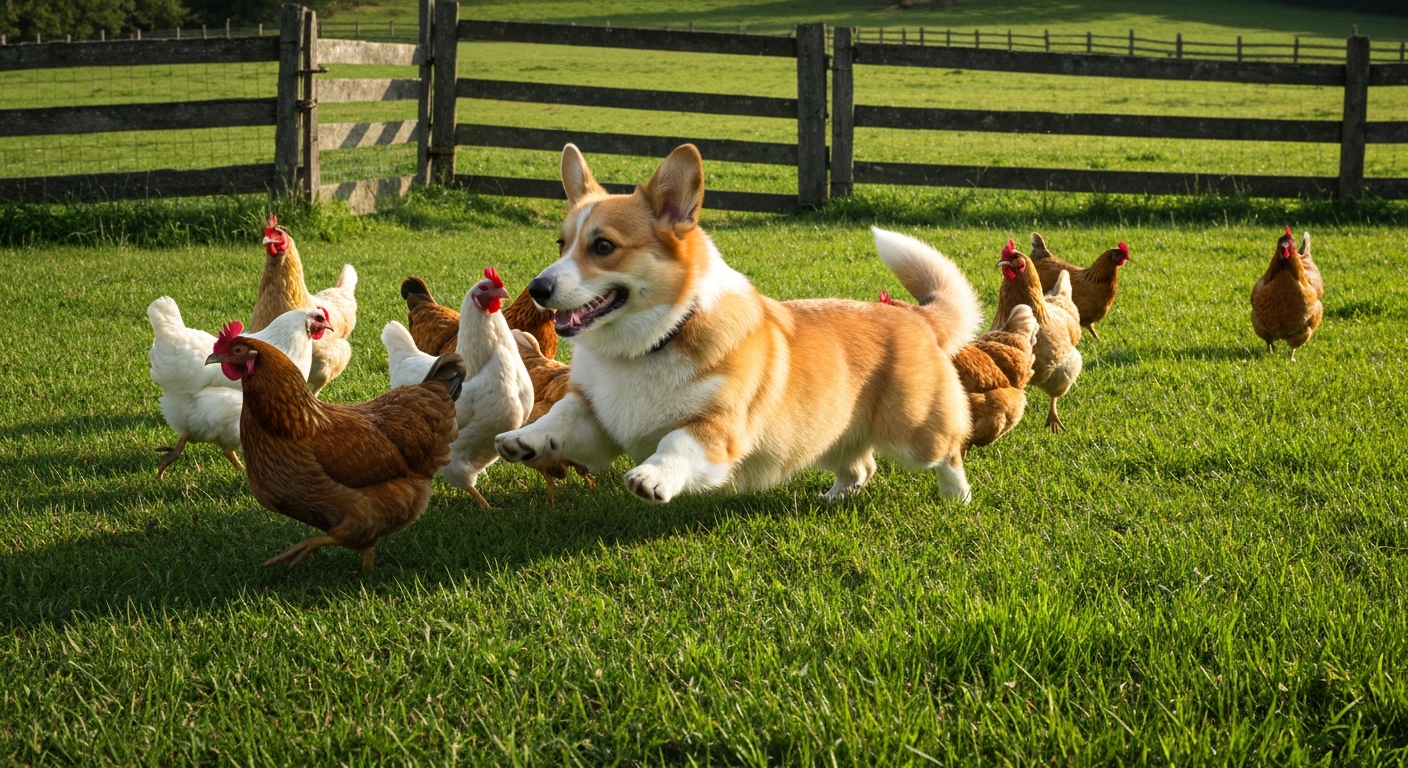
First and foremost, remember the Corgi's original purpose. These dogs weren't initially bred to be lap warmers. Hailing from Wales, the Pembroke Welsh Corgi was developed as a cattle herding dog. Consider this for a moment: this small dog, standing only 10 to 12 inches tall, possessed the bravery, intelligence, and resilience to nip at the heels of large cattle, guiding them across fields. Their short legs were a practical advantage, helping them dodge kicks!
This history is fundamental to understanding their personality. It explains their:
- Confidence: They often carry a "big dog" attitude and aren't easily intimidated.
- Sharpness: They needed to think quickly and cooperate with farmers.
- Communicativeness: A clear, loud bark was vital for managing livestock and signaling to their handlers.
- Herding Reflex: That occasional gentle nip at your heels? It’s not aggression, but a deeply ingrained herding behavior.
Understanding this background is the first step toward a harmonious life with your Corgi. You're not just getting a simple companion; you're getting a highly capable dog who might still want to manage your household.
Key characteristics of the Pembroke Welsh Corgi temperament
While each dog is unique, Pembrokes share several core personality traits. If these qualities align with your lifestyle, you might be a great match for a Corgi.
Intelligent and eager to learn (with their own ideas)
Corgis are exceptionally bright. They consistently rank high among intelligent dog breeds, and this intelligence is evident. They grasp commands quickly, excel in activities like obedience and agility, and thrive when given tasks. This intelligence can be a challenge if not channeled properly. An understimulated Corgi can become a mischievous one. If they aren't given mental challenges, they'll find their own ways to entertain themselves, which you might not appreciate!
Because they are so smart, consistent and engaging positive reinforcement training is crucial from the start. However, they can also be rather headstrong. They know they are smart, and occasionally they will decide their own methods are superior. Patience and creative approaches are your most valuable tools.
Sociable, outgoing, and naturally playful
A well-socialized Corgi generally welcomes everyone. They are typically not timid or reserved and will greet strangers, children, and other animals with enthusiasm. They enjoy being involved in family activities, whether it’s an outdoor adventure or simply relaxing at home. Their playful and often amusing antics provide constant entertainment. They seem to have a good sense of humor and will often perform actions specifically to get a reaction from you.
Vocal and watchful
If you prefer a quiet dog, a Corgi might not be the best fit. They possess a surprisingly loud bark and aren't hesitant to use it. They will bark at the mail carrier, a falling leaf, or a distant car door. While this makes them excellent watchdogs, it can become disruptive if not managed. Teaching a "quiet" command early is vital for maintaining harmony with your neighbors and for your own peace.
Affectionate, but not always seeking to be on your lap
Corgis form deep, loving connections with their families. They are incredibly loyal and will often follow you from room to room, content simply to be in your presence. While they enjoy a good cuddle, many are not naturally inclined to be lap dogs. They often prefer to rest near your feet or beside you on the sofa rather than on top of you. They express affection through their constant companionship and engaging playfulness.
Are Corgis a good fit for families in 2026?
This is a frequent question, and the answer is a definite 'yes,' with a few crucial considerations. Corgis can make wonderful family pets due to their sturdy build and playful nature. They often show great patience with children who have learned how to interact respectfully with dogs.
However, their herding instinct is something to be mindful of. A Corgi might try to "herd" young children by nipping at their feet and ankles. While not intended maliciously, this can be startling for a child. It is vital that all interactions are supervised and that the dog learns bite inhibition while children learn appropriate behavior around dogs. It requires effort from everyone involved!
When introducing them to other pets, early socialization is key. They generally get along well with other dogs and can even coexist peacefully with cats, especially if raised together. Their tendency to be a bit bossy might lead them to try and take charge of the household, a trait that some other pets might not tolerate! For families considering different options, exploring our comprehensive dog breeds category can offer valuable comparisons.
Potential behavioral issues to address
No breed is without its challenges, and the Corgi is no exception. Being prepared for these possibilities is part of responsible ownership.
- Bossiness:
- Their intelligence and herding background can lead to a desire to be in charge. They will test boundaries, so clear, consistent rules are essential.
- Barking for demands:
- Beyond their watchdog duties, a Corgi will bark to get food, attention, or playtime. It is important not to reward this behavior, as it will only encourage it.
- A hearty appetite:
- Corgis are highly motivated by food, which is beneficial for training but detrimental to their weight. They are prone to obesity, which places significant stress on their long backs. Managing their diet is a critical aspect of their care. Poor weight management can lead to serious spinal health problems, a topic every owner should research in our dog health care section.
The ideal Corgi owner
So, who would be the perfect owner for a Pembroke Welsh Corgi? The ideal owner is someone active and engaged in training. You should appreciate their intelligence and be willing to provide daily mental and physical activity. You need a good sense of humor for their unique, sometimes bossy behaviors and the patience to be a firm but fair leader. Whether you live in an apartment or a house with a yard, you must be committed to providing the activity they need to flourish. If you can offer this, you will be rewarded with a devoted, loving, and endlessly entertaining companion for years to come.
Frequently Asked Questions
Are Pembroke Welsh Corgis aggressive?
No, Pembroke Welsh Corgis are generally friendly and outgoing, not aggressive. However, their strong herding instinct can cause them to nip at heels, which can be mistaken for aggression if not properly managed through training.
Do Corgis bark a lot?
Yes, Corgis are famously vocal dogs. They were bred to be alert watchdogs and will bark to announce visitors, strange noises, or simply to express excitement or demand attention. Early training can help manage nuisance barking.
Are Corgis good for first-time owners?
They can be, but it requires commitment. Their intelligence makes them highly trainable, but their stubborn streak and surprising energy levels can be a challenge. A dedicated first-time owner who invests in consistent training and daily exercise will do wonderfully.