Bringing a new dog into your life is an exciting milestone. When the choice is between two distinctly different breeds like the Alaskan Malamute and the Bloodhound, the decision carries extra weight. One is a powerful Arctic dog built for endurance over long distances, while the other is a master scent tracker with an unparalleled nose. Both are large breeds, but their original roles, personalities, and daily care needs vary considerably. This guide will help you determine which of these impressive dogs might be the better fit for your home and lifestyle.
Understanding Their Origins and Purpose
Knowing a dog's original job is crucial to understanding the breed's inherent traits. The Alaskan Malamute and the Bloodhound hail from very different backgrounds.
The Alaskan Malamute: Arctic Powerhouse
Developed by the Mahlemiut Inuit people in Alaska, the Alaskan Malamute was bred for strength and endurance in harsh, frozen environments. Their primary purpose was to pull heavy sleds over vast distances. As one of the oldest Arctic sled dog breeds, they possess incredible power, a thick double coat for extreme cold, and an independent spirit that allowed them to make critical decisions autonomously. Their nature is characterized by a strong sense of pack cooperation and a tireless work ethic.
The Bloodhound: The Ultimate Scent Hound
The Bloodhound's lineage traces back to medieval Europe, where monks at the St. Hubert Monastery in Belgium refined the breed. The name "Bloodhound" refers to their pure, "blooded" lineage, not any aggressive traits. They were bred for an exceptional ability to follow scents, capable of tracking game and later humans for many miles and even days. This intense focus on scent is central to their being and deeply influences their behavior.
Appearance and Size: Distinctly Different
Although both are large breeds, their physical structures clearly reflect their different roles. You will easily be able to tell them apart!
- Weight:
- Alaskan Malamutes typically weigh between 75-85 pounds (34-38 kg) and have a powerful, muscular build. Bloodhounds are heavier, often weighing 80-110 pounds (36-50 kg), with a more substantial, looser frame.
- Height:
- Both breeds are tall. Malamutes stand about 23-25 inches at the shoulder, while Bloodhounds can reach up to 27 inches.
- Coat:
- The Malamute boasts a dense, weather-resistant double coat perfect for Arctic conditions, featuring a coarse outer layer and a thick undercoat. The Bloodhound has a short, dense, and somewhat coarse coat that provides protection in rugged terrain.
- Key Features:
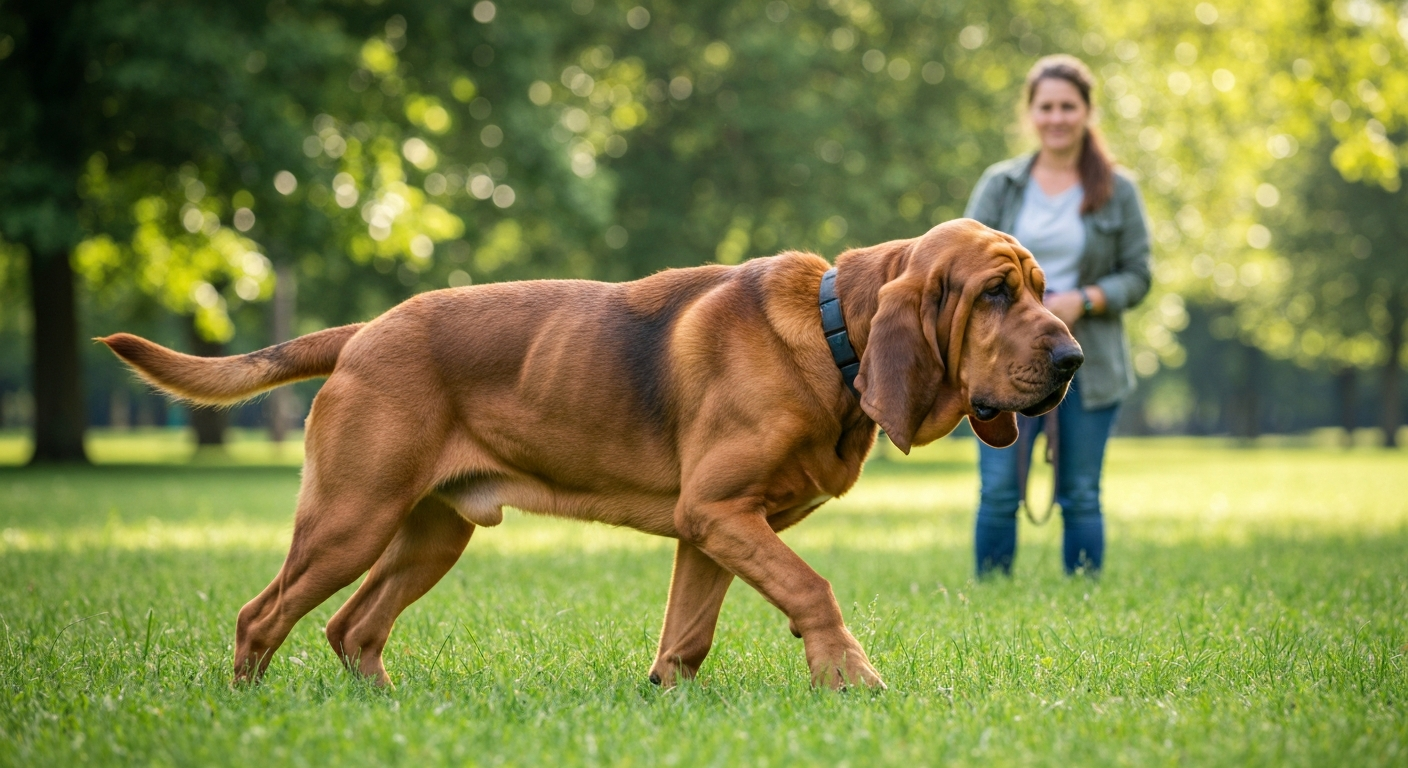
- Malamutes are recognized for their robust build, broad head, and a distinctive plumed tail carried over their back. Bloodhounds are easily identified by their long, drooping ears, wrinkled faces, and sad-looking, diamond-shaped eyes. These features aid their scenting ability; the ears help funnel scent towards their nose, and facial wrinkles can trap scent particles.
Temperament: Devoted Family Dog Versus Focused Tracker
How well a breed's personality aligns with your lifestyle is crucial, as their temperaments differ significantly.
The Alaskan Malamute is affectionate, playful, and deeply devoted to its family. As pack animals, they thrive when included in family activities. They are rarely a one-person dog. Malamutes are also intelligent and strong-willed, which can sometimes make them appear stubborn. Without clear, consistent leadership, a Malamute might attempt to take charge. They have a strong instinct to chase prey and can be prone to aggression towards other dogs, particularly of the same sex, if not properly socialized from an early age. Consistent, positive training from puppyhood is essential.
In the home, the Bloodhound is known for being gentle, patient, and good-natured, often excellent with children and other pets. However, when outdoors and a scent captures their attention, they transform. They become intensely focused trackers, shutting out everything else, including commands. This is not defiance but their deeply ingrained nature. Their singular focus can sometimes be perceived as stubbornness. Bloodhounds also possess a distinctive deep 'bay' or howl that can be quite loud.
Exercise and Energy Levels: A Significant Commitment
Both breeds require substantial exercise, but their specific needs differ.
- Alaskan Malamutes: These dogs need more than just a casual walk. They require 1-2 hours of vigorous daily exercise. Activities like hiking, running (in cooler weather), skijoring, and sledding are ideal. A Malamute lacking sufficient physical or mental stimulation can become destructive. They need an outlet for their considerable energy.
- Bloodhounds: Their exercise needs emphasize duration and mental engagement. They benefit from long, leashed walks (an hour or more daily) with ample opportunities for sniffing. A securely fenced yard is vital, as a Bloodhound on a scent will follow it relentlessly, disregarding potential dangers. Scent-based games are excellent for their well-being.

Health and Grooming: Essential Care
Caring for large breeds requires consistent attention to their health and grooming. Regular veterinary check-ups and awareness of common issues are important for a long, healthy life.
Grooming Needs
Malamutes are heavy shedders, especially when they "blow" their thick undercoat twice a year, which demands extensive brushing to prevent matting. Weekly brushing is recommended, increasing to daily during shedding seasons. Bloodhounds have low-maintenance coats that only need a quick weekly brush. Their primary grooming challenges involve their facial wrinkles and long ears. These areas can trap moisture and debris, requiring daily cleaning to prevent infections. Be prepared for significant drooling.
Common Health Concerns
Both breeds are generally robust but can be prone to certain genetic conditions. Selecting a responsible breeder and maintaining proactive health care are key. Malamutes may be susceptible to hip dysplasia, cataracts, and chondrodysplasia. Bloodhounds have a higher risk for bloat (GDV), a dangerous stomach condition, as well as hip and elbow dysplasia, and ear and skin infections. Understanding these potential issues is a vital part of responsible pet ownership.
Estimated Costs to Consider
Budgeting for a large dog is an important step. Costs can vary by location, but here’s a general overview for the first year.
| Cost Factor | Alaskan Malamute | Bloodhound |
|---|---|---|
| Average Puppy Price | $1,200 - $2,500 | $1,000 - $2,000 |
| Monthly Food Cost | $80 - $120 | $90 - $130 |
| Annual Grooming Needs | $100 - $300 (tools/occasional pro) | $200 - $400 (ear/skin supplies) |
| Annual Vet Care (Routine) | $500 - $800 | $600 - $900 |
| Est. First Year Total | ~$4,000 - $6,500+ | ~$4,200 - $7,000+ |
Choosing the Right Dog for Your Life
There isn't a single "better" dog; the optimal choice depends entirely on your capacity to meet a breed's specific needs.
Consider an Alaskan Malamute if:
- You lead an active lifestyle and want a sturdy companion for outdoor adventures like hiking.
- You live in a cooler climate.
- You have experience with large, independent dog breeds.
- You are prepared for significant shedding and committed to consistent training and socialization.
Consider a Bloodhound if:
- You have a large, securely fenced yard.
- You prefer long, relaxed walks over intense exercise.
- You possess the patience for a dog that prioritizes its nose above all else.
- You are diligent about daily ear and wrinkle cleaning and can manage considerable drooling.
Whether you choose the powerful Arctic worker or the dedicated scent hound, you will be welcoming a dog with a rich history and a great capacity for companionship. Thorough research, conversations with breeders and owners, and an honest assessment of what you can provide will lead you to the right furry friend.
Frequently Asked Questions
Is an Alaskan Malamute or a Bloodhound better for a first-time owner?
Neither breed is generally recommended for first-time owners. Both the Alaskan Malamute and the Bloodhound possess strong-willed, independent natures that require an experienced, patient, and consistent owner to manage effectively.
How much exercise do these breeds really need?
They both require significant exercise but of different types. An Alaskan Malamute needs 1-2 hours of vigorous physical activity daily, like running, hiking, or pulling. A Bloodhound needs 1-2 hours of long, steady walks or scent work that engages their mind and nose.
Are Bloodhounds lazy indoors?
Bloodhounds can be quite calm and are often considered 'couch potatoes' inside the home. However, this indoor tranquility belies their immense stamina and drive once they are outdoors on a scent trail.
Do Alaskan Malamutes howl a lot?
Yes, Malamutes are very vocal dogs. They are not known for barking but communicate through a wide range of 'woo-woos', yips, and classic, long howls. It's a key part of their charm, but something potential owners and their neighbors should be prepared for.