
The Alaskan Malamute is a breed that truly captures the imagination. With their striking appearance, powerful build, and wolf-like features, they evoke images of the Arctic wilderness and a spirit of adventure. But beneath that majestic exterior lies a dog with specific needs and a unique personality. If you're considering bringing one of these impressive dogs into your home, it's crucial to understand both the joys and the challenges that come with owning an Alaskan Malamute. As a behaviorist, I help families navigate the complexities of dog ownership, and the Malamute is a breed that requires commitment and understanding.
Understanding the Alaskan Malamute: More than just a pretty face
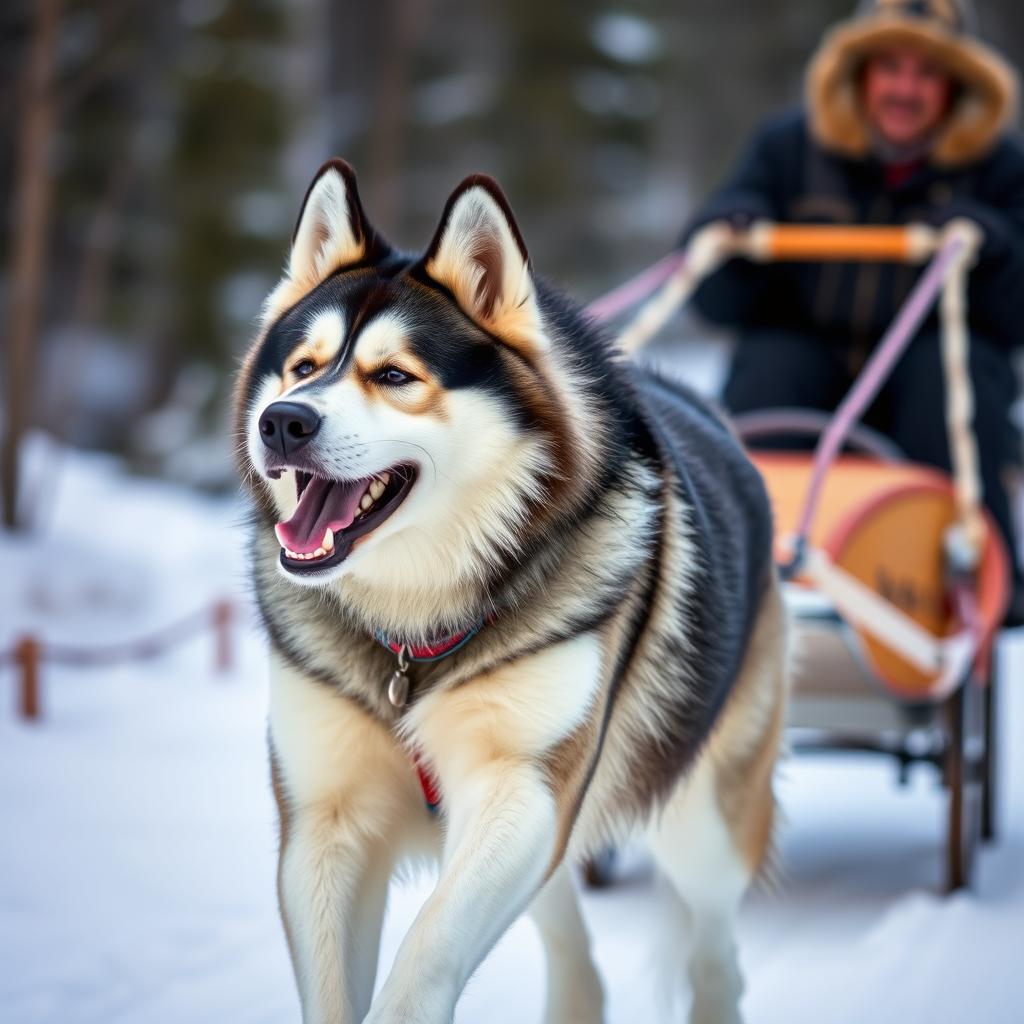
Bred for endurance and strength in the harsh Arctic climate, Alaskan Malamutes were developed by the Mahlemut people of Alaska to pull heavy sleds over vast distances. This heritage has shaped their temperament and physical capabilities. They are not a breed for the novice owner. Their intelligence, independence, and sheer power demand a leader who can provide consistent guidance, ample exercise, and a secure environment. Let's break down the pros and cons to help you decide if this northern breed is the right fit for your household.
The pros: What makes the Alaskan Malamute wonderful
Loyal and affectionate companions
When an Alaskan Malamute forms a bond, it's deep and lasting. They are incredibly devoted to their families and often display a playful, affectionate nature. They thrive on being part of the pack, which in most cases means your human family. They can be gentle with children when raised with them and properly socialized, often forming a protective instinct. Their presence can be incredibly comforting, and they often enjoy being close to their people, whether that’s resting at your feet or leaning against you.
Impressive strength and stamina
This is a working breed through and through. Their robust build and endurance are undeniable. They were bred to work hard and require owners who can match their energy levels. For active individuals or families, a Malamute can be an ideal partner for hiking, camping, and other outdoor adventures. Their love for pulling activities makes them excellent candidates for sports like skijoring or weight pulling, allowing them to express their natural instincts.
Striking appearance
It's hard to deny the captivating beauty of an Alaskan Malamute. Their thick, dense double coat, expressive eyes, and powerful physique make them stand out. They possess a regal and dignified presence that often draws admiration. Their unique markings and the characteristic 'mask' around their eyes add to their distinctive look.
Intelligent and trainable (with the right approach)
Malamutes are smart dogs, but their intelligence comes with a dose of independence. This means they can learn quickly, but they also possess a stubborn streak and may question commands if they don't see the purpose. They respond best to positive reinforcement, consistency, and patience. Early training and socialization are paramount to channeling their intelligence constructively. Exploring resources on dog training techniques can be invaluable.
Natural watchdogs
While not typically aggressive, Malamutes possess a natural alertness and can be protective of their homes and families. They are prone to barking at strangers or unusual noises, serving as an effective deterrent. Their imposing size alone is often enough to make intruders think twice.
The cons: Important considerations for potential owners
High exercise requirements
This is perhaps the most significant consideration. Alaskan Malamutes are not dogs that can be content with a short walk around the block. They need substantial daily physical and mental stimulation. Without adequate exercise, they can become bored, destructive, and exhibit problem behaviors like excessive barking or digging. If you lead a sedentary lifestyle, this breed is likely not a good match.
Significant grooming needs
That beautiful double coat requires commitment. Malamutes are heavy shedders, especially during their seasonal coat blows (typically twice a year). Daily brushing is often necessary to manage shedding, keep their coat healthy, and prevent matting. You'll need to invest in quality grooming tools and be prepared for fur to be a part of your home environment. If you dislike pet hair, a Malamute might lead to frustration.
Potential for destructive behavior
When bored, under-exercised, or not mentally stimulated, Malamutes can become quite destructive. Chewing, digging, and undoing household items are common outlets for their pent-up energy. Providing them with appropriate chew toys, puzzle feeders, and engaging activities is essential. If you value pristine furniture, you'll need to be diligent in meeting their needs.
Socialization and training are crucial
Their independent nature means that consistent, firm, yet fair training is non-negotiable. Without proper socialization from puppyhood, they can be wary of strangers or other dogs. They can also exhibit strong prey drives towards smaller animals if not properly introduced and managed. Understanding canine body language and behavior is key to managing these tendencies. A solid foundation in dog training is essential.
Not ideal for first-time dog owners
The combination of their size, strength, intelligence, independence, and high needs makes them a challenging breed for inexperienced owners. A first-time owner might struggle to provide the leadership, consistency, and understanding required to raise a well-behaved Malamute.
Tendency to dig
Their Arctic heritage means they are naturally inclined to dig, whether to create a cool spot in warmer weather or simply because they enjoy it. This can be a significant issue in yards with well-maintained gardens. Providing a designated digging area or redirecting this behavior through training is often necessary.
Potential for food guarding and resource guarding
Like many intelligent and independent breeds, Malamutes can sometimes exhibit resource guarding behaviors. This can extend to food, toys, or even their favorite resting spots. Early and consistent training to ensure they are comfortable with you being around their resources is vital. This is another area where expert guidance can be beneficial.
Alaskan Malamute temperament: A closer look
The Malamute temperament is often described as dignified, loyal, and playful. They are not hyperactive but possess a steady, powerful energy. They can be clownish and enjoy interacting with their families. However, their independence means they aren't always eager to please in the same way some other breeds might be. They are generally good with other dogs if raised with them, but their strength and prey drive can sometimes cause issues with smaller animals. Their wolf-like appearance can sometimes lead to them being mistaken for wild animals, but their domestic nature makes them loving companions.
Daily care and health considerations
Exercise
As previously mentioned, exercise is paramount. Daily, vigorous activity is a must. Think long hikes, brisk jogs, or engaging play sessions. Mental stimulation is equally important. Puzzle toys, training sessions, and even dog sports can help keep their minds sharp and prevent boredom.
Grooming
Regular brushing is your best friend. Invest in a good slicker brush and an undercoat rake. Be prepared for significant shedding, especially during seasonal coat blows. Bathing should be done only as needed, as over-bathing can strip their natural oils. Keep their nails trimmed and ears clean.
Nutrition
A high-quality diet is crucial for maintaining their energy levels and overall health. Feed a well-balanced dog food appropriate for their age, size, and activity level. Portion control is important to prevent obesity, which can exacerbate joint issues. Always ensure fresh water is available.
Health
Alaskan Malamutes are generally a robust breed, but they can be prone to certain health issues. These include hip and elbow dysplasia, eye conditions (such as cataracts and progressive retinal atrophy), and hypothyroidism. Reputable breeders will screen their breeding stock for these conditions. Behavioral changes like reluctance to move, difficulty jumping, or lethargy can be indicators of underlying health problems, and you should always consult your veterinarian if you notice such changes.
Preventative care, like maintaining a healthy weight through proper diet and exercise, is a key component of responsible pet ownership. Dental hygiene is also important. Regular veterinary check-ups are essential for early detection and management of any potential health concerns. If you're concerned about potential genetic predispositions, discuss this openly with your breeder and veterinarian.
Training and socialization
Start early. Socialization involves exposing your Malamute puppy to a variety of people, places, sounds, and other animals in a positive and controlled manner. This helps them grow into well-adjusted adults. Obedience training should be consistent, using positive reinforcement methods like treats, praise, and play.
Their intelligence means they can learn commands quickly, but their independent streak means they might not always obey on the first try. Patience is key. Consider enrolling in obedience classes to help with socialization and reinforce training. Understanding their breed-specific needs is vital for successful dog training.
Is an Alaskan Malamute right for you? A final thought
Owning an Alaskan Malamute is a significant commitment. They are more than just pets; they are powerful, intelligent, and deeply loyal companions who require a dedicated owner. If you are an active individual or family, have experience with strong-willed breeds, are prepared for extensive grooming, and can provide consistent training and socialization, then a Malamute might just be the perfect addition to your life. They offer immense love and companionship in return for the care and understanding they deserve. If you're looking for a dog that will be a true partner in adventure and a devoted member of your family, the Alaskan Malamute could be your ideal match. If you are also considering other large breeds, exploring options within dog breeds can offer comparative insights.
Frequently Asked Questions
Are Alaskan Malamutes good family dogs?
Yes, Alaskan Malamutes can be excellent family dogs if properly socialized and trained from a young age. They are known for being patient and gentle with children, often forming strong bonds with their human families. However, due to their size and strength, supervision is always recommended around very young children.
How much exercise does an Alaskan Malamute need?
Alaskan Malamutes are working dogs and require a significant amount of daily exercise. Aim for at least an hour to two hours of vigorous activity each day, which can include long walks, hikes, running, or pulling activities like sledding or bikejoring. They thrive on having a job to do.
Are Alaskan Malamutes difficult to train?
Alaskan Malamutes are intelligent and independent thinkers, which can make training a challenge for first-time owners. They respond best to consistent, positive reinforcement methods. Early socialization and obedience training are crucial. Patience and understanding their independent nature are key to successful training.
What are common health concerns for Alaskan Malamutes?
While generally healthy, Alaskan Malamutes can be prone to certain genetic conditions such as hip and elbow dysplasia, eye conditions like cataracts, and hypothyroidism. Responsible breeding practices can help mitigate these risks. It's vital to maintain a healthy weight and provide appropriate exercise to support joint health. Always consult your veterinarian for specific health concerns and regular check-ups.
Do Alaskan Malamutes shed a lot?
Yes, Alaskan Malamutes have a thick double coat and are heavy, seasonal shedders. They 'blow' their coat twice a year, meaning they shed large amounts of undercoat. Regular brushing, several times a week, and daily brushing during shedding seasons is essential to manage their coat and keep it healthy.