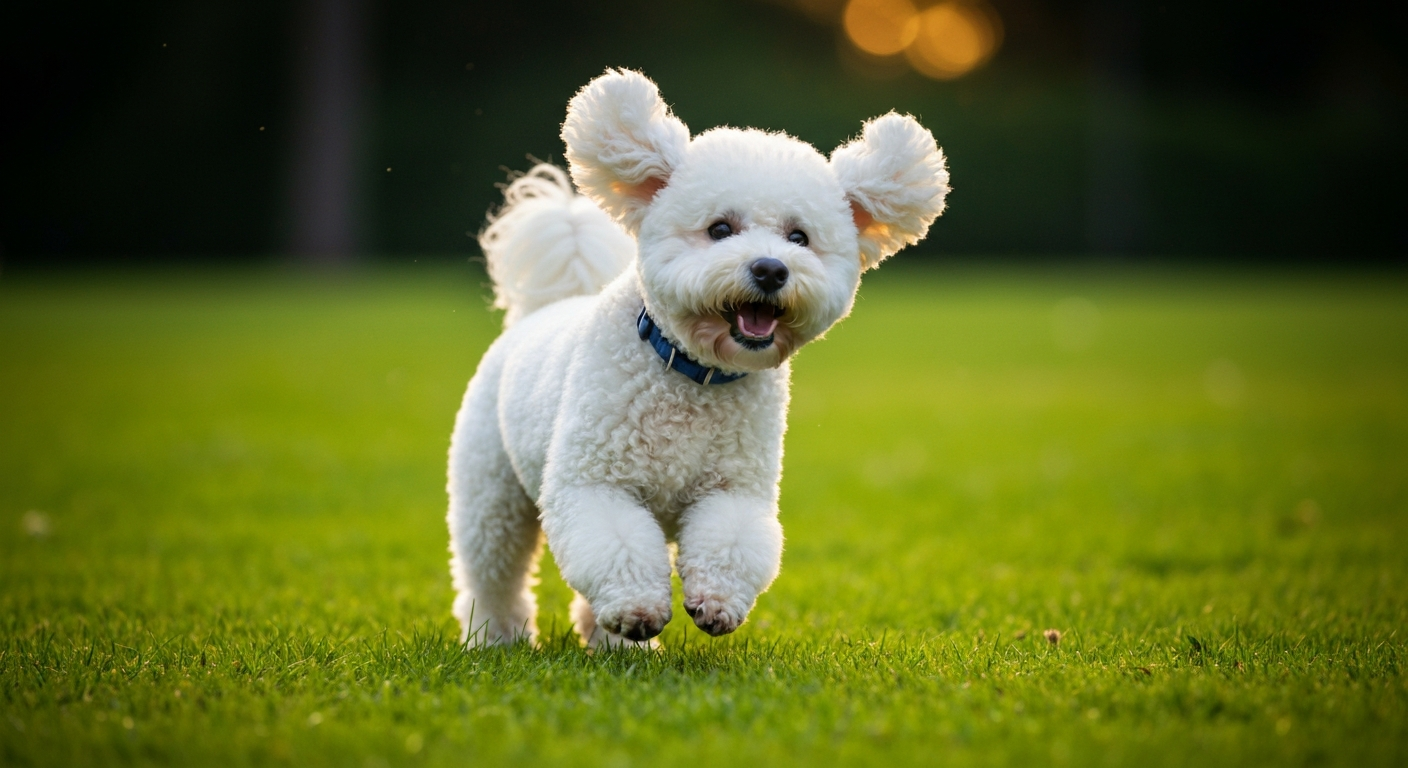
Picture a fluffy, white dog happily trotting down the street. That’s likely a Bichon Frise, the very image of a charming companion. With their soft coats and cheerful personalities, it’s easy to think they’re perfectly content just being lap warmers. But don’t let their adorable appearance fool you. Beneath that sweet exterior is an intelligent, playful, and surprisingly energetic dog with specific activity needs.
Many people are surprised to learn that these little dogs have a history as performers, charming audiences in circuses and street fairs across Europe. This background didn’t just happen by chance; it highlights their sharp minds and agile bodies. Overlooking this history is a common mistake that can lead to an under-stimulated and unhappy pet. So, how much activity does a Bichon Frise really need to thrive today? This guide will help you keep your fluffy friend fit, happy, and well-behaved.
The 'Bichon Buzz': Understanding their energy levels
Bichon Frises aren’t high-octane working dogs like a Border Collie, but they are far from inactive. They possess a playful, spunky energy that comes in short, intense bursts. Think of it as a ‘Bichon Buzz’, a sudden urge to zoom around the living room, toss a toy in the air, or engage you in a game. This is their natural way of expressing themselves, and it’s our job as owners to channel it positively.
Understanding their unique energy profile is the first step to meeting their needs. Here’s a quick breakdown of what to expect:
- Energy Type:
- Bursty and playful, rather than sustained endurance.
- Activity Drive:
- Moderate. They love a good romp but are equally happy to cuddle afterward.
- Mental Stimulation Need:
- High. Their intelligence requires daily engagement to prevent boredom.
- Social Needs:
- Very high. They thrive on interaction with their people and generally do well with other pets.
How much exercise does a Bichon Frise need daily?
The key to a happy adult Bichon Frise is providing a balanced mix of physical and mental activity every single day. Vague advice isn’t helpful, so let's get specific. The right amount of exercise varies significantly with age, health, and individual personality.
Here is a clear breakdown of the daily activity recommendations for each life stage:
| Life Stage | Recommended Daily Activity | Key Focus |
|---|---|---|
| Puppy (3-12 months) | 5 minutes of structured exercise per month of age, 1-2 times a day. Plus free play. | Safe socialization, basic commands, preventing joint stress. |
| Adult (1-8 years) | 30-60 minutes total, split into 2-3 sessions. | Consistent routine, mix of walks, play, and mental challenges. |
| Senior (8+ years) | 20-30 minutes total, split into shorter, gentle sessions. | Low-impact movement, joint support, monitoring for discomfort. |
The best types of exercise for your Bichon Frise
Variety is important for your Bichon's exercise routine. Just walking the same block every day can become monotonous. Mixing things up keeps them physically fit and mentally sharp. Here are some of the best activities to incorporate into your schedule.
Daily walks: The foundation of fitness
The daily walk is essential. It’s not just about a potty break; it’s a sensory adventure for your dog. Aim for two walks a day. One can be a brisk 15-20 minute walk to get the heart rate up, while the other can be a more leisurely “sniffari,” where you let your Bichon lead the way and explore all the interesting smells. This sniffing is incredibly important for their mental well-being, it's like reading the local newspaper for them!
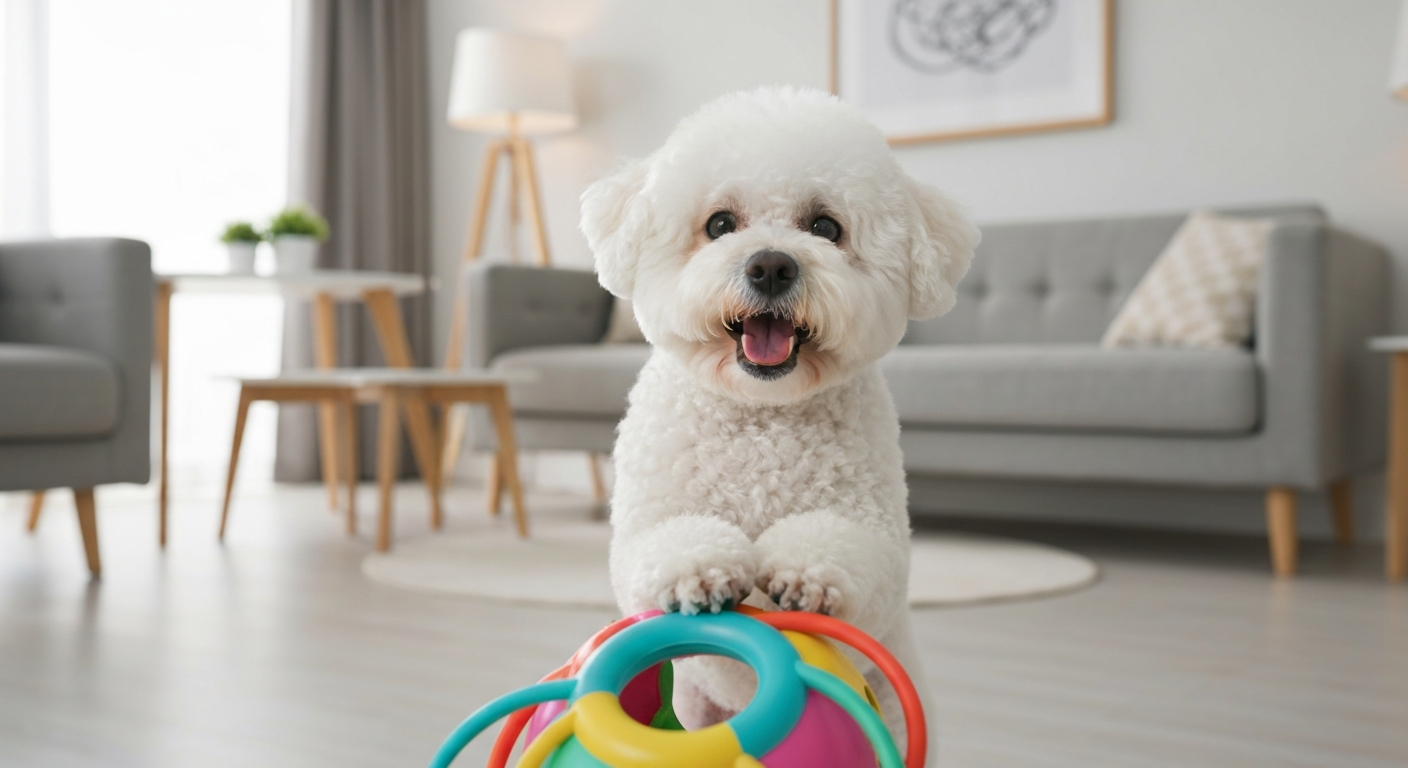
Playtime: Unleashing their inner clown
This is where the Bichon's personality truly shines. They adore playing! Indoor fetch down a hallway with a soft, small ball is a fantastic way to burn off energy, especially on a rainy day. Games like tug-of-war (with a soft rope toy and gentle rules) or hide-and-seek are also huge hits. These interactive games strengthen your bond and satisfy their need for engagement.
Mental stimulation: Just as important as physical exercise
A tired dog is a good dog, but a mentally fulfilled dog is a happy one. A Bichon's brain is always working, and if you don't give it a job, it will find one, like redecorating your couch cushions. Prevent this by incorporating brain games into your daily routine. Food puzzles, snuffle mats, and interactive toys are excellent tools. Spending just 5-10 minutes a day on basic dog training, like practicing 'sit,' 'stay,' or learning a new trick, is one of the best ways to work their mind.
Exercising a Bichon Frise puppy: A guide to safe growth
A Bichon puppy is a bundle of boundless energy, but caution is key. Their bones, joints, and growth plates are still developing, making them vulnerable to injury from over-exercising. Overlooking this can lead to long-term problems.
Adhere to the “five-minute rule”: provide five minutes of structured, leashed exercise for every month of your puppy’s age, once or twice a day. For example, a four-month-old puppy should get no more than a 20-minute walk. Avoid high-impact activities like long flights of stairs, jumping off furniture, or sustained running on hard surfaces. Instead, focus on gentle play on soft surfaces like grass or carpet. Prioritizing their long-term canine health and wellness during this critical period is important.
Adapting exercise for a senior Bichon
As your Bichon enters their golden years, their pace will naturally slow down. It’s essential to adjust their exercise routine to match their changing abilities. The goal shifts from high-energy romps to maintaining mobility, muscle tone, and a healthy weight.
- Shorter, More Frequent Walks: Replace one long walk with two or three shorter, gentler strolls.
- Low-Impact Activities: If you have access to a clean, safe body of water, swimming is a fantastic, non-weight-bearing exercise for senior dogs.
- Mind the Weather: Older dogs are more sensitive to extreme temperatures. Keep walks short in the heat of the summer or cold of winter.
- Listen to Their Body: Watch for signs of stiffness, limping, or reluctance to move. These could be indications of arthritis or other age-related conditions that require a vet's attention.
What happens if a Bichon Frise doesn't get enough exercise?
An under-exercised Bichon is often a misunderstood one. The behaviors that result from pent-up energy are frequently mislabeled as the dog simply being “naughty.” In reality, they are just trying to cope with boredom and a lack of physical and mental outlets. Common signs of insufficient exercise include:
- Destructive Behavior: Chewing on furniture, shoes, or baseboards is a classic sign of a bored dog.
- Excessive Barking: While some barking is normal, incessant yapping can be a cry for attention and activity.
- Hyperactivity: Constant pacing, inability to settle down, and those frantic 'zoomies' at inappropriate times.
- Weight Gain: Like people, dogs who don't burn enough calories are at risk for obesity, which puts extra strain on their joints and can lead to serious health issues.
Ultimately, a Bichon Frise is a joy-filled companion whose needs are relatively simple but absolutely essential. They don't require you to run a marathon, but they do demand your time, engagement, and a commitment to their daily well-being. By providing a balanced routine of walks, play, and mental puzzles, you're not just preventing bad behavior, you're nurturing the happy, healthy, and wonderfully clownish spirit that makes this breed so beloved. If you're still exploring which companion is right for you, browse our extensive library of official dog breeds to find your perfect match.
Frequently Asked Questions
Are Bichon Frises good apartment dogs?
Yes, Bichon Frises are excellent apartment dogs due to their small size and adaptable nature. However, their suitability depends on the owner's commitment to providing them with sufficient daily exercise, mental stimulation, and attention to prevent boredom and separation anxiety.
Can a Bichon Frise go on long hikes?
While they are energetic, Bichon Frises are not built for long, strenuous hikes. Their small legs and thick coats can cause them to tire and overheat. Short, gentle trails of a couple of miles on flat terrain are generally suitable, but always bring water and watch for signs of fatigue.
How do I know if my Bichon Frise is getting too much exercise?
Signs of over-exercising in a Bichon Frise include excessive panting, lagging behind on walks, stiffness or lameness after activity, reluctance to play, or extreme exhaustion. Puppies are particularly vulnerable, so it's crucial to follow age-appropriate guidelines.
Do Bichon Frises need a yard to be happy?
A yard is a bonus but not a necessity for a Bichon Frise. They can be perfectly happy without one as long as they receive consistent daily walks, dedicated playtime, and mental enrichment. An unexercised dog will be unhappy even with a large yard.