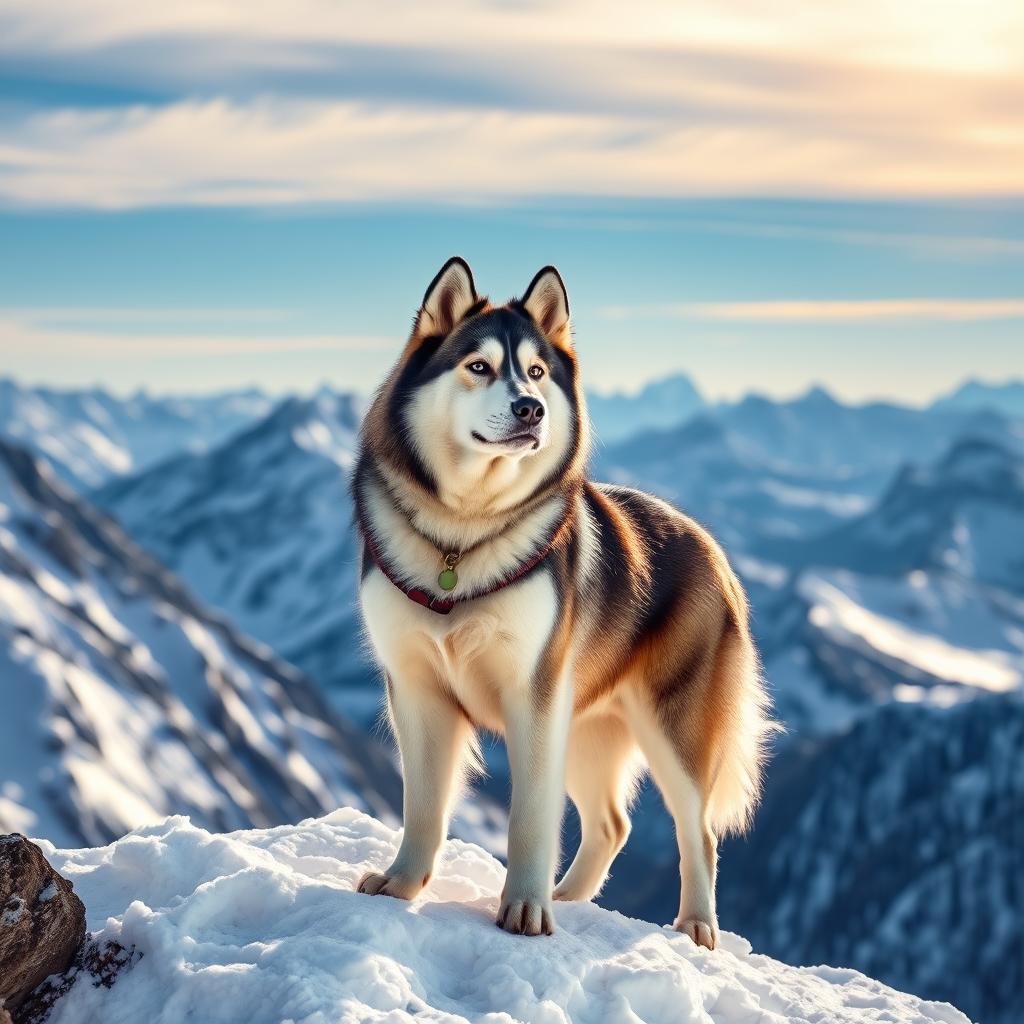
The Alaskan Malamute is a magnificent breed, known for its strength, endurance, and affectionate nature. These dogs were originally bred for hauling heavy freight over long distances in harsh Arctic conditions, a heritage that speaks volumes about their dietary needs. As a devoted owner, understanding the right Alaskan Malamute diet is paramount to ensuring your companion thrives, both in health and in spirit. It's not just about filling a bowl; it's about providing the precise fuel for a large, active dog with a robust constitution.
From their puppy stages to their senior years, your Malamute's nutritional requirements will evolve. Getting this right contributes significantly to their overall well-being, influencing everything from coat condition and energy levels to the long-term health of their joints and organs. Let's explore how to best nourish these incredible dogs.
Understanding the Alaskan Malamute's nutritional needs
Alaskan Malamutes are large, powerful working dogs. Their diet needs to support their muscular build, high energy expenditure, and overall growth and maintenance. Key components of a balanced diet include protein, fats, carbohydrates, vitamins, and minerals, all in appropriate proportions.
Protein: Essential for building and repairing tissues, muscles, and for immune function. For Malamutes, a diet with a high-quality animal protein source as the primary ingredient is ideal. This could be chicken, lamb, beef, or fish.
Fats: Provide a concentrated source of energy and are vital for healthy skin, a shiny coat, and nutrient absorption. Omega-3 and Omega-6 fatty acids are particularly beneficial.
Carbohydrates: Offer energy and fiber. Whole grains, sweet potatoes, and other complex carbohydrates are good sources. They should make up a moderate portion of the diet.
Vitamins and Minerals: Crucial for numerous bodily functions, from bone health (calcium and phosphorus) to immune support. A commercially prepared, high-quality dog food formulated for large breeds will typically be balanced in these essential nutrients.
Given their size and potential for certain health conditions, consulting with your veterinarian is the most reliable way to determine the exact nutritional needs for your specific Alaskan Malamute. They can provide tailored advice based on your dog's individual health status and lifestyle. For more general insights into canine health and preventative measures, consider exploring our resources on dog health care.
Puppy nutrition: building a strong foundation
The growth phase for a large breed like the Alaskan Malamute is extended. Proper nutrition during puppyhood is critical for skeletal development and preventing issues later in life.
- The growth rate for Malamute puppies is rapid, but it's crucial to avoid overly fast weight gain, which can put excessive stress on developing joints.
- Opt for a large-breed puppy formula. These foods are designed with controlled levels of calcium and phosphorus to support steady bone growth, and they often contain added supplements for joint health, like glucosamine and chondroitin.
- Young puppies (8-12 weeks) typically need to eat three to four times a day. As they mature, this can be reduced to two meals a day by six months of age.
- Follow the feeding guidelines on the puppy food packaging, but always monitor your puppy's body condition. You should be able to feel their ribs easily, but not see them prominently.
The transition to adult food is an important milestone. This usually happens when they reach about 80-90% of their expected adult size, typically between 12 and 18 months of age. A gradual switch over a week is best to prevent digestive upset.
Adult nutrition: sustaining energy and health
Once your Malamute is fully grown, their dietary needs shift from growth to maintenance. Their diet should continue to support their energy levels, muscle mass, and overall health.
- A premium-grade kibble formulated for large breeds is often the most convenient and balanced option. Look for foods with named meat sources as the first few ingredients and avoid those with excessive fillers or artificial additives.
- An active Malamute working or training will require more calories than one with a more sedentary lifestyle. Adjust food intake accordingly to maintain a healthy weight. Overfeeding can lead to obesity, which exacerbates joint problems and other health issues common in large breeds.
- Regularly assess your Malamute's body condition. You should be able to feel their ribs with light pressure, see a visible waist when viewed from above, and notice a tuck in their abdomen when viewed from the side.
- Two meals a day are generally recommended for adult Malamutes to help prevent bloat.
The risk of Gastric Dilatation-Volvulus (GDV), commonly known as bloat, is a serious concern for deep-chested breeds like the Alaskan Malamute. While the exact causes are not fully understood, dietary management plays a role.
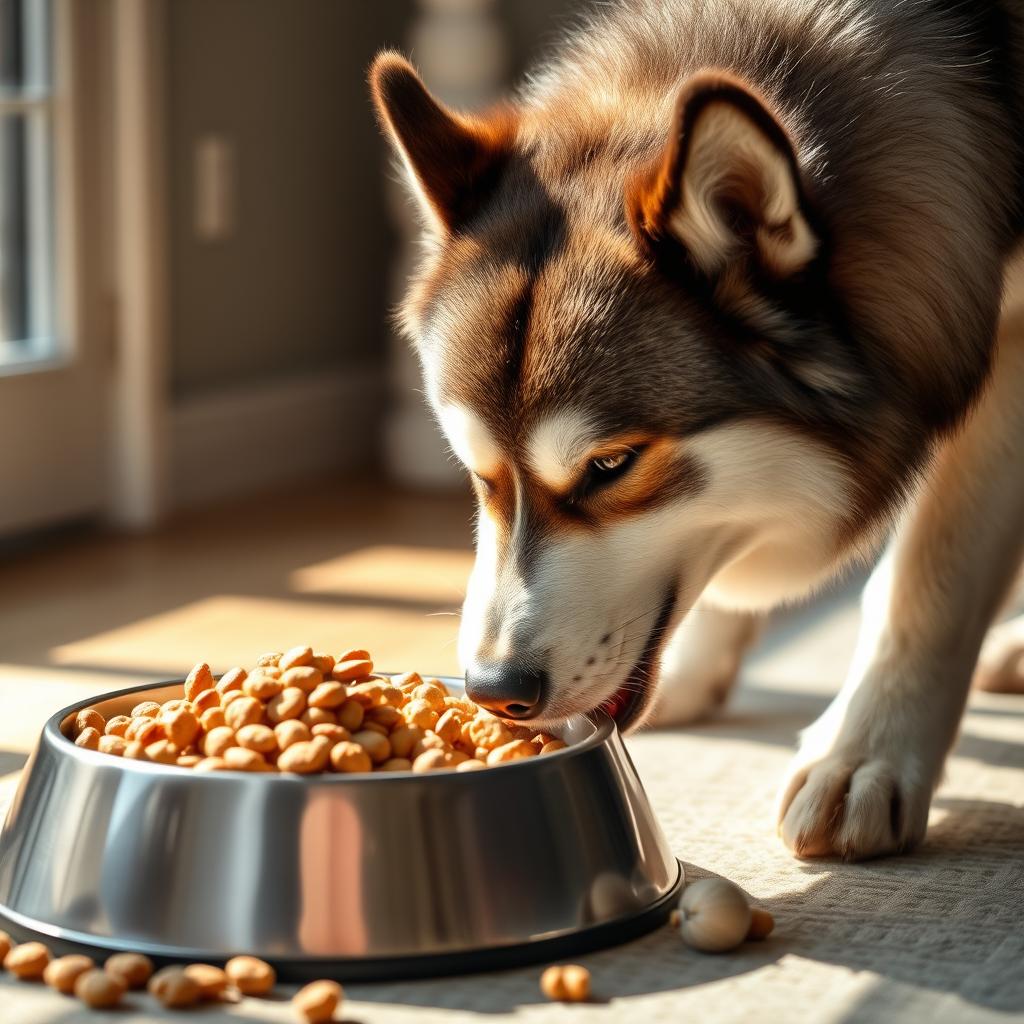
Preventing bloat: dietary strategies
Bloat occurs when a dog's stomach fills with gas, food, or fluid, and then twists. It's a life-threatening emergency.
- Feeding 2-3 smaller meals per day instead of one large meal can reduce the amount of food in the stomach at any one time.
- Refrain from strenuous activity for at least an hour before and after eating.
- Some studies suggest that using elevated food bowls might increase the risk of bloat in larger breeds. It's generally recommended to use a standard, floor-level bowl for Malamutes.
- If your Malamute eats very quickly, consider using a slow-feeder bowl or puzzle toy to encourage them to eat more slowly, reducing air intake.
Always be aware of the signs of bloat, which include restlessness, drooling, retching without producing vomit, and a distended abdomen. If you suspect bloat, seek immediate veterinary attention.
Senior Malamute nutrition: supporting longevity
As your Malamute ages, their metabolism slows, and their nutritional needs change again. The focus shifts to maintaining muscle mass, supporting joint health, and managing any age-related health conditions.
- Senior dogs generally require fewer calories. Adjust food intake to prevent weight gain, which can be hard on aging joints.
- Many senior dog foods contain added glucosamine and chondroitin, or omega-3 fatty acids, to help support joint mobility.
- Opt for highly digestible ingredients to ensure that your senior Malamute can absorb the maximum nutrients from their food.
- Ensure constant access to fresh, clean water. Senior dogs can sometimes have a reduced sense of thirst.
Behavioral changes can also be indicators of health issues in older dogs. Lethargy, changes in appetite, or a reluctance to engage in activities they once enjoyed could signal underlying problems requiring a vet's evaluation. Learning about common dog breeds and their potential needs can help you be a more informed owner.
Treats and extras: moderation is key
Treats are wonderful for training and bonding, but they should be given in moderation and account for no more than 10% of your dog's daily caloric intake. Choose healthy options, such as small pieces of lean meat, dog-specific biscuits, or certain fruits and vegetables (ensure they are safe for dogs). Avoid giving table scraps, as many human foods are unhealthy or even toxic to dogs.
Making the right food choice
When selecting a food, several factors come into play:
- Brand reputation:
- Choose well-established brands known for their quality control and research.
- Ingredient quality:
- Prioritize foods with whole meats as the primary ingredient, and minimal fillers like corn, wheat, and soy, especially if your dog shows sensitivities.
- AAFCO statement:
- Ensure the food meets the nutritional standards established by the Association of American Feed Control Officials (AAFCO) for the appropriate life stage (puppy, adult, senior) and size (large breed).
- Specific needs:
- Consider foods designed for sensitive stomachs, skin issues, or joint support if your Malamute has these concerns. Always consult your vet before making significant dietary changes.
Transitioning to a new food should always be done gradually to prevent digestive upset. Mix the new food with the old, increasing the proportion of the new food over 7-10 days.
Cost considerations for Alaskan Malamute food
Feeding a large breed like an Alaskan Malamute can represent a significant portion of your pet care budget. The cost of food varies widely based on brand, ingredient quality, and whether you choose dry kibble, wet food, or specialized diets.
| Diet Type | Estimated Monthly Cost (USD) | Notes |
|---|---|---|
| Premium large breed kibble | $100 - $200+ | High-quality ingredients, specific formulations. |
| Mid-range large breed kibble | $70 - $120 | Good quality, widely available. |
| Raw diet (DIY) | $150 - $300+ | Requires careful sourcing and balancing; potential for higher cost. |
| Limited ingredient diet (veterinary prescribed) | $120 - $250+ | For dogs with allergies or sensitivities. |
| Commercial fresh food (subscription) | $200 - $400+ | Often includes pre-portioned meals, convenient but costly. |
These figures are estimates and can vary greatly depending on your location, the specific brands chosen, and any sales or promotions. Remember that investing in high-quality food is an investment in your dog's long-term health and can potentially reduce veterinary costs down the line.
Behavioral clues to nutritional well-being
Your Alaskan Malamute's behavior can offer valuable insights into their dietary satisfaction and overall health.
- A well-nourished Malamute will have consistent, appropriate energy levels for their age and breed. Lethargy can indicate a lack of necessary nutrients or an unsuitable diet.
- A dull, dry coat or persistent skin issues like itching or flakiness can signal deficiencies in essential fatty acids or other nutrients. A healthy coat is typically shiny and smooth.
- Regular, firm stools are a good indicator of a healthy digestive system. Diarrhea, constipation, or excessive gas might point to a food intolerance or a diet lacking in fiber.
- A consistent appetite is normal. A sudden loss of appetite or an increased appetite accompanied by weight loss could be concerning. Pica, the urge to eat non-food items, can sometimes be a sign of nutritional deficiencies, though it can also stem from behavioral issues. For more on canine behavior, including understanding eating habits, you might find our articles on dog training helpful.
- Maintaining a healthy weight is crucial. A dog that is significantly underweight or overweight is likely not on an optimal diet or exercise plan.
If you observe any concerning behavioral changes or physical signs, your first step should always be to consult your veterinarian. They can help rule out medical conditions and provide guidance on adjusting your dog's diet or exercise regimen.
Nourishing your Alaskan Malamute is an ongoing commitment that directly impacts their quality of life. By understanding their specific needs and providing a high-quality, balanced diet, you are setting your magnificent companion up for a long, happy, and healthy life by your side. From choosing the right food to managing portion sizes and being aware of breed-specific concerns like bloat, informed feeding is a cornerstone of responsible ownership for this noble breed.
Frequently Asked Questions
What is the best type of food for an Alaskan Malamute?
The best food for an Alaskan Malamute is a high-quality, large-breed specific kibble that is rich in protein and contains appropriate levels of calcium and phosphorus. Look for formulas where a named meat source is the first ingredient. It's always wise to discuss specific dietary needs with your veterinarian, especially if your Malamute has any sensitivities or health concerns. You can also explore options like raw or home-cooked diets, but these require careful planning to ensure nutritional completeness. For general guidance on dog nutrition, you might find resources on <a href="https://breedexplorer.com/dog-health-care">dog health care</a> informative.
How much should I feed my Alaskan Malamute?
The amount of food your Alaskan Malamute needs depends on their age, activity level, and metabolism. Adult Malamutes generally require more food than smaller breeds due to their size and energy output. A good starting point for an adult Malamute might be 3 to 5 cups of high-quality kibble per day, divided into two meals. Puppies will require multiple meals throughout the day, with amounts increasing as they grow. Always follow the feeding guidelines on your chosen dog food bag as a starting point and adjust based on your dog's body condition. Consulting your vet is recommended for precise portions.
When should I switch my Malamute puppy to adult food?
You should transition your Alaskan Malamute puppy to adult food gradually around 12 to 18 months of age. This is when they typically reach their full adult size. Switching too early can lead to insufficient nutrient intake for growth, while switching too late can lead to overfeeding and weight gain. Make the switch by mixing a small amount of the new adult food with their current puppy food and slowly increasing the proportion of adult food over a week to avoid digestive upset. Understanding puppy development is a key part of responsible <a href="https://breedexplorer.com/dog-training">dog training</a> and care.