
Boston Terriers, affectionately known as the "American Gentleman" for their dignified appearance and friendly demeanor, are a popular breed recognized for their distinctive tuxedo markings and spirited personalities. Though their short coat might suggest minimal upkeep, regular grooming is still important for your Boston Terrier's health, comfort, and overall appearance. From my experience as a pet behaviorist, a well-groomed dog often displays a happier disposition and better behavior. This guide covers essential Boston Terrier grooming, focusing on coat care and general well-being.
Understanding the Boston Terrier coat
Boston Terriers have a short, smooth, and fine coat that lies flat against their body. This characteristic, along with being relatively low-shedding, contributes to their popularity. However, this simple coat still needs attention. Their skin can be sensitive, and even a short coat requires regular care to maintain its health and shine. Consistent coat maintenance also helps you monitor your dog's general health. During grooming, you can often notice skin issues, lumps, or parasites early on.
Essential Boston Terrier grooming tools
Before you begin, gather a few necessary grooming supplies. Having the right tools will make the process smoother and more effective for both you and your Boston Terrier.
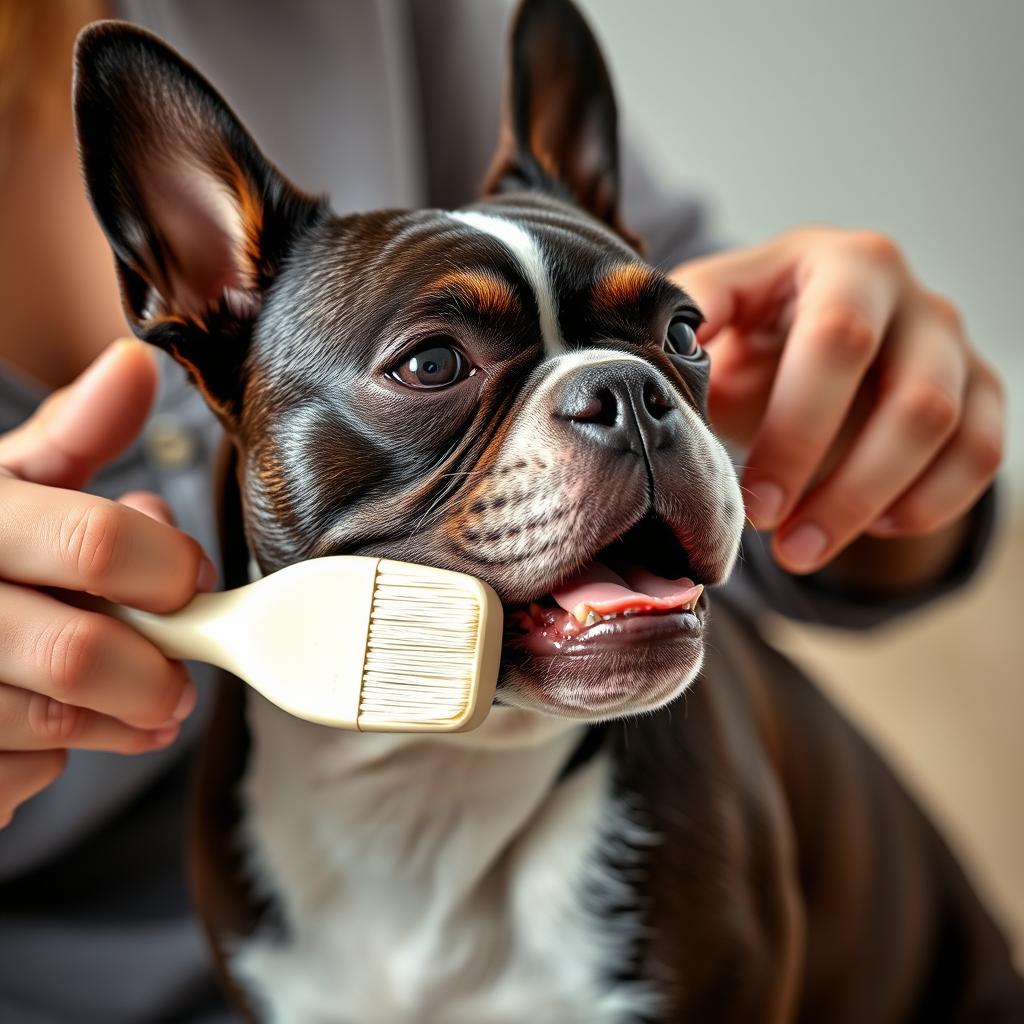
- A soft-bristled brush or grooming mitt is ideal for gently removing loose hair and spreading natural skin oils.
- Mild dog shampoo, preferably a hypoallergenic formula or one designed for sensitive skin.
- Soft towels for drying your dog after a bath.
- Dog nail clippers for keeping nails trimmed.
- A dog toothbrush and enzymatic toothpaste for maintaining dental hygiene.
- Ear cleaner recommended by your veterinarian for cleaning your Boston's ears.
Brushing your Boston Terrier
A Boston Terrier's short, dense coat requires less brushing than that of breeds with longer fur. Nevertheless, regular brushing is important for several reasons:
- Shedding management: While they don't shed heavily, Boston Terriers do shed moderately, particularly during seasonal changes. Brushing removes loose fur before it ends up on your furniture and carpets. Aim for 1-2 sessions per week.
- Coat health and shine: Brushing encourages blood circulation in the skin and helps distribute the natural oils produced by the skin. This process keeps the coat healthy, gives it a glossy appearance, and prevents dryness.
- Skin check: Grooming sessions are excellent opportunities to examine your dog's skin for any signs of irritation, lumps, bumps, dryness, or parasites like fleas and ticks. Identifying potential health concerns early is crucial.
- Building your bond: Gentle grooming can be a calming and positive experience for your dog, helping to strengthen your relationship. Ensure your Boston associates brushing with positive reinforcement.
When brushing, use a soft-bristled brush or a grooming mitt. Gently stroke your dog's body in the direction of hair growth. Pay attention to areas where loose hair might collect, such as along the back and sides. If your Boston Terrier shows any signs of discomfort, reduce the pressure or switch to a gentler tool.
Bathing your Boston Terrier
Boston Terriers generally do not require frequent baths. Bathing too often can strip essential natural oils from their skin, leading to dryness, itchiness, and potential skin problems. Typically, a bath every 4-6 weeks is sufficient, or whenever they appear dirty or develop an odor. Their short coat doesn't trap dirt or odors as readily as longer coats.
When it's time for a bath:
- Use a mild shampoo made specifically for dogs. Opt for formulas designed for sensitive skin if your Boston is prone to allergies or irritation.
- Wet your dog thoroughly with lukewarm water.
- Apply a small amount of shampoo and lather gently, being careful to avoid their eyes and ears.
- Rinse completely until no soap residue remains.
- Dry your dog with soft towels. Make sure they are fully dry, especially in cooler weather, as they can be sensitive to the cold.
Beyond the coat: Other grooming essentials
While coat care is a primary focus, a thorough grooming routine for your Boston Terrier should also include other important aspects:
Ear care
Boston Terriers can be susceptible to ear infections because their floppy ears can trap moisture and debris. Regularly check your Boston's ears for redness, discharge, or any unusual smell. Gently clean them with a veterinarian-approved ear cleaner and cotton balls. Avoid inserting anything deep into the ear canal. This is a good practice to incorporate into your dog health care routine, perhaps on a weekly basis.
Eye care
Their large, expressive eyes, while appealing, can sometimes be prone to irritation. Gently wipe away any discharge from the corners of their eyes daily with a soft, damp cloth. Watch for any signs of redness, cloudiness, or excessive tearing, and consult your veterinarian if you notice anything unusual. A change in behavior such as your dog pawing at their eyes frequently warrants prompt attention.
Dental hygiene
Oral health is vital for all dogs, and Boston Terriers are no exception. Brushing your Boston's teeth a few times a week with dog-specific toothpaste helps prevent plaque buildup, gum disease, and bad breath. Introducing dental care early can help make it a routine part of your dog training regimen.
Nail trimming
Overgrown nails can be uncomfortable for your Boston Terrier, impacting their gait and potentially leading to paw injuries. Trim their nails every 2-3 weeks or as needed. If you're hesitant to do this yourself, a professional groomer or your veterinarian can provide assistance. Listen for a clicking sound on hard floors as an indication that the nails are too long.
Addressing Boston Terrier skin concerns
Boston Terriers can sometimes experience skin sensitivities or allergies. Behavioral indicators may include excessive scratching, licking, or rubbing against furniture. Common triggers can involve environmental allergens, certain food ingredients, or sensitivities to grooming products. If you observe persistent skin issues, it's important to consult your veterinarian. They can help determine the underlying cause and suggest appropriate treatments, which might include dietary adjustments, medication, or specialized shampoos. As a behaviorist, I frequently observe how skin discomfort can lead to behavioral changes, such as restlessness or irritability.
Seasonal grooming adjustments
Although their coat remains consistent throughout the year, you might slightly adapt your grooming routine based on the season:
- Spring/Summer: More frequent brushing may be helpful as they tend to shed more during warmer months. Ensure they are protected from excessive sun exposure, as their short coat offers limited protection and they can be prone to sunburn.
- Fall/Winter: While they lack a thick undercoat for insulation, make sure they are not left in extreme cold for extended periods. Their coat provides minimal protection against the cold. Continue regular brushing to manage shedding and maintain coat health.
Making grooming a positive experience
For any dog, and particularly for a breed as sensitive and people-oriented as the Boston Terrier, using positive reinforcement is key to successful grooming. Begin grooming sessions when your dog is calm and relaxed. Keep sessions brief initially, especially for puppies, and offer plenty of praise, treats, and gentle petting. If your dog becomes stressed, take a break and try again later. Associating grooming with positive experiences will make it a much more manageable and enjoyable part of your life together. This approach supports building a strong, trusting relationship, which is fundamental to understanding pet ownership.
By incorporating these straightforward yet effective grooming practices, you can ensure your Boston Terrier remains a healthy, happy, and handsome companion for years to come. Remember, consistent care is more beneficial than infrequent, elaborate grooming sessions.
Frequently Asked Questions
How often should I brush my Boston Terrier?
Boston Terriers have short, smooth coats that don't require daily brushing. Aim to brush them about once or twice a week to remove loose fur and keep their coat shiny. This also provides an opportunity to check for any skin irritations or external parasites.
What kind of brush is best for a Boston Terrier?
A soft-bristled brush or a grooming mitt is ideal for a Boston Terrier. These tools are gentle on their skin and effective at removing loose hair without causing irritation. Avoid stiff-bristled brushes or harsh tools that could damage their delicate coat.
How do I deal with shedding in Boston Terriers?
Boston Terriers are considered moderate shedders. Regular weekly brushing will help manage loose hair. During seasonal shedding periods, you might need to increase brushing frequency. A good diet rich in omega-3 and omega-6 fatty acids also contributes to a healthier coat and can minimize excessive shedding.
Should Boston Terriers be bathed often?
Boston Terriers don't need frequent baths. Over-bathing can strip their skin of natural oils, leading to dryness and irritation. A bath every 4-6 weeks, or when they become visibly dirty or smelly, is usually sufficient. Use a mild, dog-specific shampoo.