
The Scottish Fold cat is celebrated for its charming looks and agreeable nature. Their iconic folded ears give them a captivating appearance that truly makes them stand out. Beyond their striking features, these cats are valued for their calm disposition and adaptability, making them a favored choice for many homes. If you're considering welcoming a Scottish Fold into your life, it's vital to understand their specific needs, temperament, and potential health considerations to ensure they lead a happy and fulfilling life. As a pet behaviorist, this guide will help you get acquainted with this special breed.
The Scottish Fold's Distinctive Look and Origins
The most prominent feature of the Scottish Fold is its ears. They fold forward and downward, creating a rounded, almost owl-like facial appearance. This characteristic stems from a natural genetic mutation that affects cartilage throughout the body. While this mutation is responsible for the folded ears, it can also influence cartilage development elsewhere, which is an important factor in their health and care.
The breed originated in Scotland during the 1960s, tracing back to a barn cat named Susie. Susie's distinctive ears were passed on to her kittens. Through careful selective breeding, the Scottish Fold we recognize today was developed. It is worth noting that not every kitten born will inherit the folded ears, and the degree of the fold can vary significantly from one cat to another.
Temperament and Behavior: A Gentle Companion
Scottish Folds are well-known for their sweet and easygoing nature. They are typically very affectionate and enjoy being in the company of their families, often following their owners from room to room. They are not usually vocal or demanding cats, preferring to communicate with soft meows and contented purrs. Their gentle disposition makes them excellent companions for children and other pets, provided introductions are managed carefully and supervision is maintained. For broader insights into general feline behavior and strategies for fostering positive interactions, explore our resources.
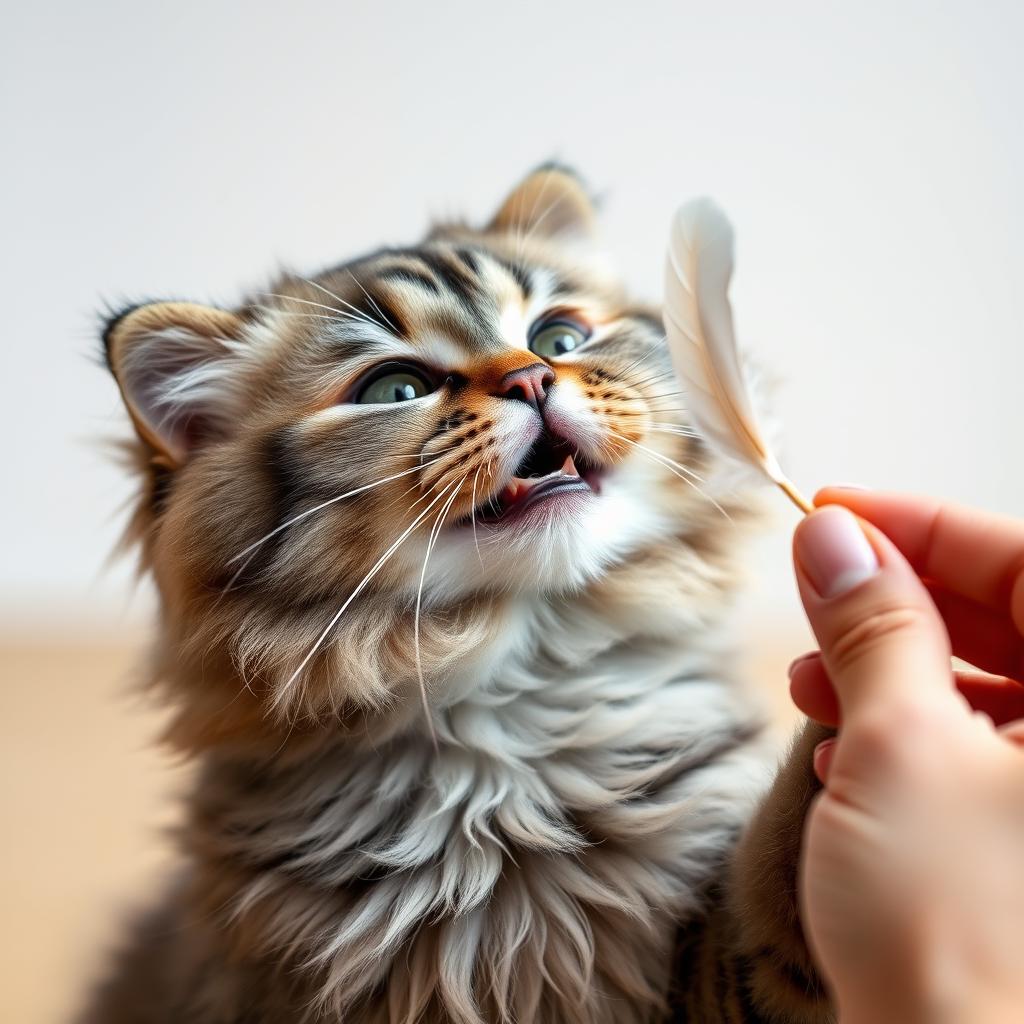
These cats often reveal a curious and playful side, particularly when young. They enjoy interactive play, which is essential for their mental stimulation and physical well-being. You might find them enthusiastically engaging in a game of chase with a feather wand or a crinkle ball. They are also famous for their unusual resting positions, sometimes referred to as the "Buddha sit," where they relax on their haunches with their legs extended, and the "tabletop" pose, sitting upright with their paws tucked beneath them. These relaxed postures are indicative of a cat that feels secure and content.
Socialization and Interaction
Exposing kittens to a variety of sights, sounds, and gentle handling from an early age significantly benefits their development, and Scottish Folds are no exception. This early socialization helps them grow into well-adjusted adult cats. They generally respond positively to gentle attention and interaction. While they appreciate company, they are also independent enough to manage periods alone without experiencing severe separation anxiety, provided their environment is enriching and they have consistent access to food, water, and clean litter boxes.
If your work schedule keeps you away for extended periods, consider incorporating puzzle feeders or rotating toys to keep your Scottish Fold engaged. Environmental enrichment is vital for preventing boredom and mitigating potential behavioral issues that can arise from a lack of stimulation. Understanding your cat's individual needs is a cornerstone of providing excellent cat care.
Daily Care and Grooming for Your Scottish Fold
Caring for a Scottish Fold involves consistent attention to their fundamental needs, with a few breed-specific considerations.
Feeding and Nutrition
A balanced diet is fundamental to your Scottish Fold's overall health. High-quality commercial cat food, whether wet or dry, appropriate for their life stage (kitten, adult, senior), is generally recommended. It's crucial to monitor their food intake to prevent obesity, which can exacerbate joint issues. Portion control is key, and feeding them according to the guidelines on the food packaging or as advised by your veterinarian is a solid starting point. Always ensure fresh, clean water is readily available.
Grooming Needs
Scottish Folds exist in both short-haired and long-haired varieties, each with slightly different grooming requirements. Short-haired Folds benefit from brushing a couple of times a week to remove loose fur and minimize shedding. Long-haired Folds, in contrast, require daily brushing to prevent mats and tangles from forming in their coat. Regular grooming not only maintains a healthy coat and reduces shedding around your home but also provides a valuable opportunity to bond with your cat and check for any skin irregularities, parasites, or unusual lumps.
The distinctive folded ears require particular care. Because the ear flap does not stand erect, the ear canals can be more susceptible to wax buildup and potential infections. Gently inspect their ears weekly. If you notice any wax accumulation or an unusual odor, use a veterinarian-approved ear cleaner and a soft cloth or cotton ball to carefully wipe the visible parts of the ear. Never insert anything deep into the ear canal. If you are uncertain or observe any signs of irritation or infection, consult your veterinarian promptly.
Dental Hygiene
Just as with humans, maintaining good dental health is paramount for cats. Regularly brushing your Scottish Fold's teeth with a feline-specific toothbrush and toothpaste can help prevent dental disease, which can lead to broader health complications. If brushing proves challenging, dental treats or water additives formulated for oral health can serve as beneficial alternatives. Dental care is an integral component of comprehensive preventative cat health.
Health Considerations for Scottish Folds
As noted, the gene responsible for the folded ears in Scottish Folds also contributes to a condition known as osteochondrodysplasia. This genetic trait affects cartilage and bone development throughout the body, not solely the ears.
In affected cats, this can manifest as:
- Arthritis, particularly affecting the tail, hind legs, and paws.
- Stiffness or impaired mobility.
- Reluctance to jump or move freely.
- Thickened or abnormally formed limbs.
It is essential to maintain close collaboration with your veterinarian throughout your Scottish Fold's life. Regular veterinary check-ups are vital for the early detection and management of any potential health issues. Your vet can provide guidance on pain management, dietary supplements, and lifestyle adjustments that can help your cat remain comfortable and mobile. Changes in behavior, such as reduced activity levels, increased hiding, or alterations in vocalization patterns, can sometimes be early indicators of discomfort or illness, so attentive observation is crucial.
While this genetic predisposition is a significant factor for the breed, it's important to remember that not all Scottish Folds will develop severe health problems. Many enjoy long, healthy, and happy lives with appropriate care and veterinary support. It is vital to select a kitten from a responsible breeder who screens their breeding cats for known genetic conditions and can provide health clearances for the parents.
Environmental Enrichment for Comfort
To enhance the comfort of a Scottish Fold, particularly if they are prone to joint issues, consider modifying their living environment. Provide pet ramps or steps to assist them in reaching favorite elevated spots without the need for excessive jumping. Ensure litter boxes are easily accessible, perhaps located on the main floor, and opt for boxes with low entry points for ease of use. Soft bedding and comfortable resting areas throughout the home can also significantly contribute to their daily comfort.
Training and Mental Stimulation
While Scottish Folds are not typically a breed requiring extensive formal training, they are intelligent and capable of learning basic commands and routines. Positive reinforcement methods, utilizing treats, praise, and play, are the most effective. Litter box training is usually straightforward, as they are naturally clean animals.
Mental stimulation is as critical as physical activity for a Scottish Fold. Puzzle toys, food-dispensing toys, and interactive games can keep their minds sharp and prevent boredom. Rotating toys regularly helps maintain their novelty and appeal. Even simple activities, such as hiding treats around the house for them to discover, can provide an enjoyable mental challenge.
Scottish Fold Versus Other Breeds: What Sets Them Apart?
In comparison to more energetic breeds like the Abyssinian or Bengal, Scottish Folds are generally more relaxed. While breeds such as the Siamese might be known for their vocal nature, Folds are typically quieter. Their distinctive physical trait, the folded ears, also sets them apart from breeds like the American Shorthair or the British Shorthair, which possess upright ears. Understanding these breed differences is helpful in selecting a companion that best aligns with your lifestyle, whether you seek an active cat or a more serene companion. Exploring other cat breeds can offer valuable context.
Summary of Scottish Fold Care
Caring for a Scottish Fold is a rewarding experience, emphasizing gentle handling, consistent routines, and attentive observation.
| Aspect | Recommendation |
|---|---|
| Temperament | Gentle, affectionate, calm, adaptable |
| Grooming | Short-hair: 2-3 times/week; Long-hair: daily brushing. Ear cleaning as needed. |
| Diet | High-quality, age-appropriate food; portion control to prevent obesity. |
| Exercise | Daily interactive play and mental stimulation (toys, puzzles). |
| Health Monitoring | Regular vet check-ups; monitor for signs of joint pain/arthritis. |
| Socialization | Early, positive introductions; enjoys companionship. |
| Lifespan | Typically 12-16 years, but can vary with health. |
The Scottish Fold cat, with its unique ear shape and serene personality, makes a wonderful addition to many homes. By understanding their specific needs for grooming, nutrition, and health monitoring, and by providing ample love and interaction, you can ensure your Scottish Fold thrives. Always remember that consulting with your veterinarian is the most effective way to address any health concerns and tailor care to your individual cat's needs.
Frequently Asked Questions
What are the key personality traits of a Scottish Fold cat?
Scottish Folds are generally known for their sweet, gentle, and calm temperament. They are often described as affectionate, good-natured, and adaptable, enjoying human companionship without being overly demanding. Many exhibit a playful streak well into adulthood.
What are the specific care needs for Scottish Fold ears?
Because of their folded ears, Scottish Folds may require more frequent gentle cleaning to prevent wax buildup and potential infections. It's important to check their ears regularly and clean them with a veterinarian-approved solution if needed. Always consult your vet for the best cleaning practices.
Are Scottish Folds prone to any specific health issues?
Scottish Folds are genetically predisposed to osteochondrodysplasia, a condition that affects cartilage and bone development, which is responsible for their folded ears but can also lead to joint pain and arthritis. Regular veterinary check-ups and monitoring for signs of discomfort are essential. Early intervention and management can significantly improve their quality of life. Always seek veterinary advice for any health concerns.
How much grooming does a Scottish Fold require?
Both short-haired and long-haired Scottish Folds require regular grooming. Short-haired varieties need brushing a couple of times a week to manage shedding, while long-haired ones benefit from daily brushing to prevent mats and tangles. This grooming also provides an opportunity to check their overall health.