
The Ragdoll cat, with its striking blue eyes and famously calm, affectionate nature, is a cherished pet for many. These cats, sometimes described as 'puppy-like' because they often follow their owners and enjoy being held, have a distinctive personality that endears them to families. However, like all breeds, Ragdolls can be prone to certain health issues. Understanding these potential concerns and how to manage them, alongside their specific care needs, is important for helping your Ragdoll live a long, happy, and healthy life. This guide focuses on behavioral signs and preventative care strategies relevant to Ragdoll owners, with the reminder to always consult your veterinarian for medical advice.
Understanding Ragdoll temperament and daily care
Ragdolls are known for their gentle disposition. They are not typically highly active cats, preferring gentle play and long naps. Their semi-longhaired, soft coat is beautiful but needs regular grooming to prevent tangles and keep it healthy. This grooming time is a good opportunity to bond with your cat and also to do a brief health check. While they adapt well, providing a calm environment, comfortable resting places, and easy access to food, water, and clean litter boxes suits their relaxed nature.
A key part of Ragdoll ownership involves recognizing their need for gentle interaction. They are social cats that enjoy being part of family activities, but they usually don't seek out high-energy play or explore every corner of the house. Their naturally sweet temperament means they generally get along well with children and other pets when introduced properly. Integrating them into your household is part of the broader pet ownership experience.
Common Ragdoll health predispositions
While responsible breeding practices have helped reduce some issues, certain genetic conditions are more frequently seen in the Ragdoll breed. As a behaviorist, I focus on how these might show up in behavior and what proactive steps owners can take.
Hypertrophic Cardiomyopathy (HCM): This condition causes the heart muscle to thicken, which can make it harder for the heart to pump effectively. In Ragdolls, HCM can be inherited. While diagnosis and treatment are veterinary responsibilities, owners might notice subtle behavioral changes. A cat experiencing heart issues may become less energetic, less interested in playing, or hesitant to jump or climb as they used to. More rapid breathing after mild activity or changes in eating habits can also be indicators. Regular vet check-ups, including listening to the heart, are crucial for early detection.
Polycystic Kidney Disease (PKD): This is a progressive condition where cysts develop in the kidneys, potentially affecting kidney function over time. While it's more common in Persian cats, it can occur in Ragdolls through genetics. Behavioral signs can be general and might include increased thirst and urination, reduced appetite, weight loss, and low energy. Encouraging water intake (for example, by using a pet water fountain) and feeding a high-quality diet suitable for kidney health, as recommended by your vet, can be helpful. Understanding cat health care for specific breeds is important.
Urinary Tract Issues: Like many cats, Ragdolls can be prone to urinary tract infections (UTIs) or bladder stones. These issues are often linked to diet, hydration, stress, and cleanliness. Behavioral signs are usually quite noticeable: straining to urinate, frequent urination in small amounts, blood in the urine, or urinating outside the litter box. Ensuring plenty of fresh water is available, using a litter box that is kept very clean and is easy to access, and feeding a diet appropriate for urinary health (under veterinary guidance) can help prevent these uncomfortable conditions. Reducing stress in the home environment is also beneficial.
Dental Health: Gum disease is common in cats of all breeds. For Ragdolls, maintaining good dental hygiene can prevent pain, tooth loss, and potential systemic health problems linked to bacteria in the mouth. Signs can include bad breath, difficulty eating, drooling, or pawing at the mouth. Regular veterinary dental check-ups and, when possible, at-home dental care like brushing or dental treats, can make a significant difference.
Behavioral indicators of illness or aging
As an animal behaviorist, I stress that changes in a cat's typical behavior are often the first and most important signs that something is not right. For Ragdolls, with their generally calm nature, even small shifts can be significant.
- Changes in activity: A sudden drop in enthusiasm for play or an increase in sleeping time might indicate discomfort or illness. Conversely, increased restlessness or agitation could also be a symptom.
- Appetite and thirst changes: Noticeable increases or decreases in how much your Ragdoll eats or drinks should be taken seriously.
- Litter box habits: Urinating or defecating outside the litter box, straining, or changes in how often they go can point to urinary, kidney, or digestive problems.
- Grooming habits: A cat that stops grooming itself might be unwell or too uncomfortable to reach certain areas. Over-grooming, especially in particular spots, can signal pain or anxiety.
- Vocalization: Unusual meowing, yowling, or being quiet when they would normally make noise can be a sign of distress or pain.
- Social interaction: Ragdolls are affectionate. If yours becomes unusually withdrawn, avoids contact, or conversely, becomes excessively clingy and demanding, it could indicate underlying issues.
- Mobility issues: Hesitation to jump onto furniture, difficulty with stairs, or a stiff way of walking can suggest joint pain, arthritis (especially in older cats), or other mobility concerns.
For older Ragdolls, some slowing down is to be expected. However, it's important to distinguish normal aging from signs of illness. Providing a comfortable, accessible environment, such as pet ramps or litter boxes with lower sides, can help senior cats maintain their independence and comfort.
Preventative care strategies for Ragdoll owners
Proactive care is the most effective way to keep your Ragdoll healthy and address potential issues before they become serious. This is part of a comprehensive approach to cat health care.
Nutrition: Feed a high-quality diet formulated for cats. Talk to your veterinarian about the best food options, especially if your Ragdoll has specific health concerns. Controlling portions is vital to prevent obesity, which can worsen many health problems.
Hydration: Cats often don't have a strong thirst drive. Encourage water intake by providing multiple water sources, using a pet water fountain, and including wet food in their diet. Maintaining hydration is crucial for kidney and urinary tract health.
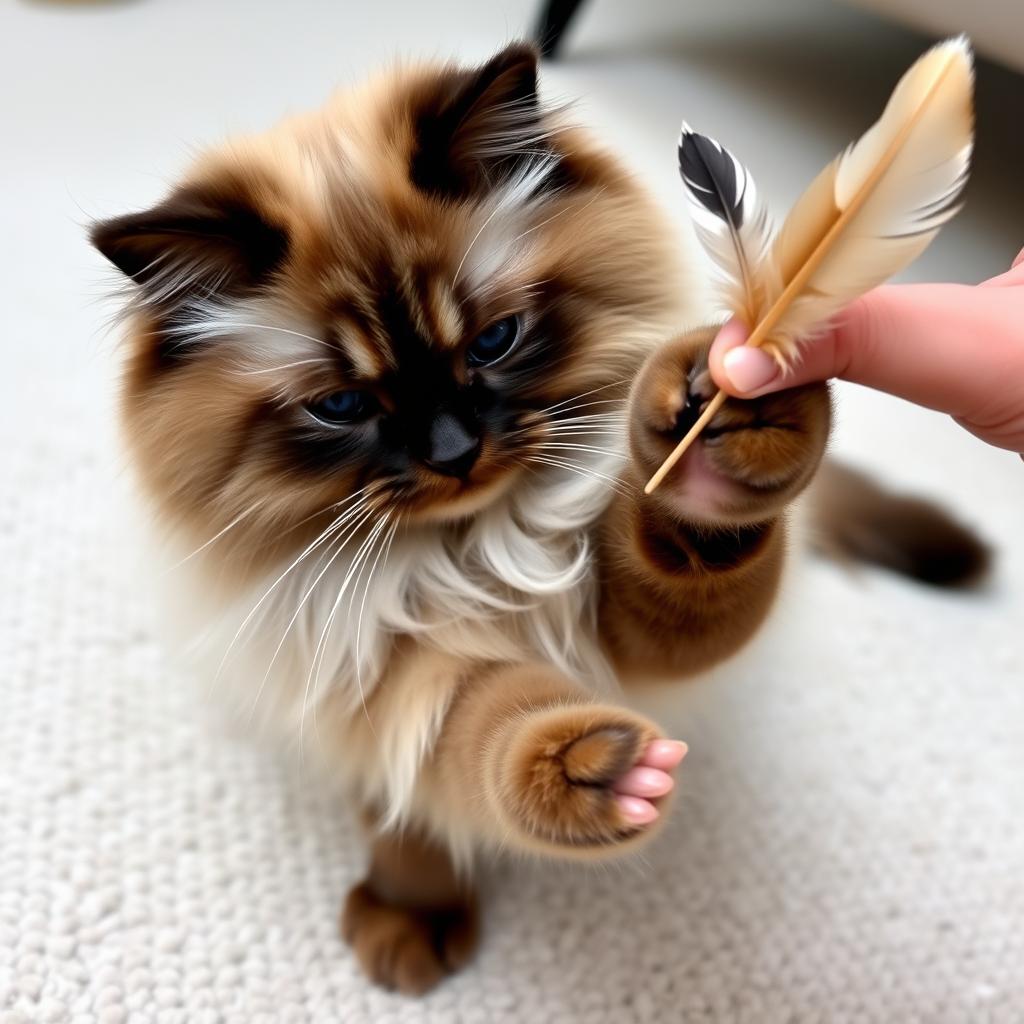
Exercise and mental stimulation: Even calm Ragdolls need daily activity to maintain a healthy weight and mental engagement. Interactive toys, puzzle feeders, and short, gentle play sessions can keep them active and prevent boredom. This is also an important aspect of their cat behavior management.
Grooming: Brush your Ragdoll several times a week to prevent tangles and reduce hairballs. This also allows you to check their skin, ears, and eyes for any unusual signs.
Veterinary care: Regular veterinary check-ups (at least annually, or more often if recommended by your vet) are essential for early detection and prevention of disease. Discuss any behavioral changes you've noticed with your vet.
Environmental enrichment: Provide comfortable resting places, scratching posts, and safe climbing opportunities. For Ragdolls that might develop mobility issues later in life, consider adding ramps or steps to help them reach their favorite spots.
When to consult a veterinarian
It's important to remember that I am a behaviorist, not a veterinarian. While I can offer guidance on observing your cat's behavior and implementing care strategies, any concerns about your Ragdoll's physical health should be discussed with a licensed veterinarian. Trust your instincts as a pet owner; if something seems unusual with your Ragdoll's health or behavior, a professional veterinary assessment is always the best course of action. Early intervention can significantly improve outcomes for many conditions.
By understanding the potential health predispositions of Ragdoll cats and focusing on preventative care, excellent nutrition, consistent grooming, and attentive observation of their behavior, you can help ensure your beloved feline companion enjoys a long and healthy life by your side.
Frequently Asked Questions
What are the most common health concerns for Ragdoll cats?
While Ragdolls are generally healthy, they can be prone to certain genetic predispositions. These include hypertrophic cardiomyopathy (HCM), a common heart condition in cats, and polycystic kidney disease (PKD). Some Ragdolls may also experience issues related to their urinary tract or dental health. It's always best to discuss your specific cat's health with your veterinarian.
How can I help prevent health problems in my Ragdoll cat?
Preventative care is key! This involves providing a high-quality diet, ensuring plenty of fresh water, maintaining a healthy weight through regular exercise and play, and practicing good dental hygiene. Regular veterinary check-ups are also essential for early detection of any potential issues. Understanding their <a href="https://breedexplorer.com/cat-health-care">cat health care</a> needs is paramount.
What behavioral signs might indicate a health issue in a Ragdoll?
Changes in behavior are often the first signs that something is wrong. Look for increased hiding, reluctance to be petted or handled, changes in vocalization, reduced appetite, increased thirst, altered litter box habits (frequency or location), decreased activity levels, or difficulty jumping. These can all signal a need to consult your vet. Observing your cat's <a href="https://breedexplorer.com/cat-behavior">cat behavior</a> closely will help you notice these subtle changes.
Are Ragdolls difficult to groom?
Ragdolls have a semi-longhaired coat that requires regular grooming to prevent matting and reduce shedding. While they don't typically have the extensive grooming needs of some other longhaired breeds, brushing them a few times a week helps keep their coat healthy and shiny, and strengthens your bond.