
The Egyptian Mau, with its distinctive spotted coat and elegant presence, captures the attention of many cat lovers. These cats are known for their cleverness, lively personalities, and strong bonds with their families. If you're thinking about welcoming one of these special felines into your home, or if you're already a proud owner, you're probably curious about their health and how long they tend to live. How long do Egyptian Maus usually live, and what can you do to help your spotted friend enjoy a long, healthy life for many years to come? Let's explore the typical lifespan of an Egyptian Mau and the factors that influence it, focusing on care and behavior.
Understanding the Egyptian Mau Cat Lifespan
Most Egyptian Maus live between 12 and 15 years. This is similar to many other domestic cat breeds. However, this is just an average, and many things can affect whether your Mau lives a shorter or longer life. Good breeding practices, proper nutrition, consistent veterinary care, and a safe, engaging environment are very important. With careful attention to their needs, it's not unusual for Egyptian Maus to live to 18, 19, or even 20 years old. Their lifespan is a reflection of the care and quality of life you provide.
Key Factors Influencing Longevity
Several things affect how long your Egyptian Mau will live. While genetics play a part, you have significant influence over their well-being and lifespan as a pet owner.
Genetics and Breeding: Choosing a cat from a responsible breeder is an important first step. Good breeders focus on the health of their cats, often conducting genetic tests and health screenings to reduce the risk of inherited conditions. An Egyptian Mau from a family known for longevity may have a better genetic chance of living longer. Reputable breeders understand the breed's health history and can offer insights into what to expect.
Diet and Nutrition: Your cat's food directly impacts their health. A balanced diet with high-quality protein is crucial for maintaining muscle, energy, and overall body function. Whether you feed wet food, dry food, or a mix, make sure it's appropriate for your cat's age (kitten, adult, senior). Eating too much can lead to obesity, a common problem in domestic cats that contributes to health issues like diabetes, arthritis, and heart problems. On the other hand, not eating enough can cause malnutrition. Always ask your veterinarian for advice on feeding your specific cat. Good nutrition is fundamental to overall cat health care.
Veterinary Care: Regular vet check-ups are essential. Annual or semi-annual wellness exams allow your vet to find potential health problems early, when they are most treatable. Vaccinations, parasite prevention (fleas, ticks, worms), and dental cleanings are all key parts of preventative care. Don't hesitate to discuss any changes in your cat's behavior or physical condition with your vet.
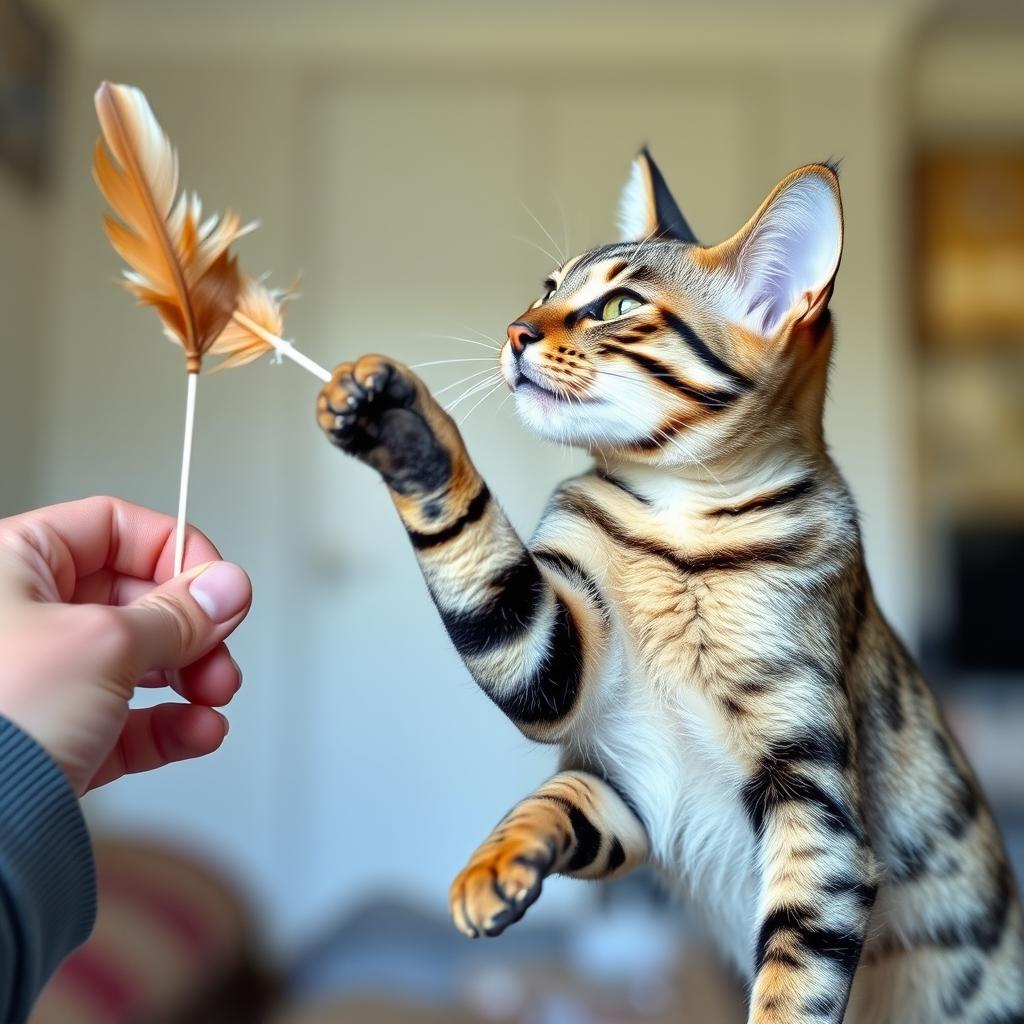
Exercise and Mental Stimulation: Egyptian Maus are smart and active cats. They have a natural curiosity and a playful side that needs an outlet. Not enough exercise and mental stimulation can lead to boredom, stress, and behavioral issues like damaging furniture or excessive meowing. Offering plenty of chances to play with interactive toys, puzzle feeders, and climbing structures helps keep them physically fit and mentally alert. This kind of engagement is also a great way to bond with your cat and understand their needs.
Environment and Safety: A safe and interesting environment is vital for your cat's well-being. This includes providing clean litter boxes, comfortable resting spots, and secure places where they can go to relax. For an active breed like the Egyptian Mau, having places to climb is very beneficial, such as cat trees or shelves. Keeping your cat indoors, or allowing supervised outdoor time in a secure enclosure, protects them from dangers like traffic, predators, and diseases. Indoor cats generally live longer, safer lives.
Common Health Considerations for Egyptian Maus
While Egyptian Maus are typically healthy, like all breeds, they can be prone to certain health conditions. As a behaviorist, I focus on the signs you can observe and how to manage their environment and care to reduce risks. It's important to remember that for any specific medical diagnosis or treatment, you must consult a licensed veterinarian.
Genetic Predispositions:
Hypertrophic Cardiomyopathy (HCM) is a common heart condition in many cat breeds, including the Egyptian Mau. It causes the heart muscle to thicken. While a vet can diagnose HCM through specific tests, owners might notice behavioral changes like less activity, coughing, or trouble breathing. Regular vet check-ups are key for early detection.
Progressive Retinal Atrophy (PRA) is an inherited eye condition that can lead to vision loss. Signs might include a cat bumping into things more often or being hesitant in dim light. Again, early detection by a veterinarian is important.
Other Potential Issues:
Dental disease: Poor dental hygiene can lead to painful infections, gum disease, and even losing teeth. Regular dental check-ups and at-home care, like brushing your cat's teeth (if they allow it) or using dental treats, can help prevent these problems.
Obesity: As mentioned, this is a significant health concern. Obesity puts stress on the heart, joints, and body's systems. Consistently monitoring food intake and ensuring enough daily exercise are critical.
Urinary tract issues: These can range from infections to crystal formation. Ensuring your cat drinks enough water (often by feeding wet food) and keeping litter boxes clean can help with urinary tract health.
Behavioral Signs of Aging or Illness:
As cats get older or become ill, their behavior often changes. Noticing these shifts can be an early sign that something is wrong and that a vet visit is needed. Look for:
More hiding or seeking to be alone.
Changes in eating or drinking habits.
Differences in litter box use (accidents outside the box, straining).
Less activity or hesitance to jump to favorite high spots.
More meowing or being unusually quiet.
Changes in grooming (over-grooming or not grooming enough).
Apparent discomfort when touched or moved.
If you notice any of these signs, it's time to contact your veterinarian promptly. Early attention often leads to better results.
Caring for Your Senior Egyptian Mau
As your Egyptian Mau enters their senior years (usually around 7-10 years old), their needs might change. You may need to adjust their food to be easier to digest and lower in calories, as their metabolism slows down. Making resources easily accessible is important; this means ramps or steps for higher furniture, food and water bowls that are easy to reach, and a litter box with low sides. Senior cats often do better in a quieter environment and with gentler play. Regular vet check-ups become even more important during this stage to monitor for age-related conditions. Understanding the pet ownership responsibilities for aging pets helps ensure they remain comfortable and cherished.
Conclusion
The Egyptian Mau is a wonderful companion, admired for its beauty, intelligence, and affectionate nature. Understanding their typical lifespan, potential health concerns, and the best ways to provide daily care is key to ensuring they live a long, happy, and healthy life. By focusing on good nutrition, regular veterinary care, plenty of exercise, mental stimulation, and a safe environment, you can help your Egyptian Mau thrive for many years, making the most of their 12-15+ years with you. Remember, a healthy cat is often a happy cat, and a happy cat brings joy.
Frequently Asked Questions
What is the average lifespan of an Egyptian Mau cat?
The average lifespan for an Egyptian Mau cat is typically between 12 to 15 years. However, with excellent care, a healthy diet, regular veterinary check-ups, and a stimulating environment, many Maus can live into their late teens or even early twenties.
Are Egyptian Maus prone to any specific health problems?
While generally a healthy breed, Egyptian Maus can be prone to certain genetic conditions like Hypertrophic Cardiomyopathy (HCM) and progressive retinal atrophy (PRA). They may also experience common feline ailments. It's crucial to work with a reputable breeder who screens for hereditary issues and to provide consistent veterinary care. For any suspected medical concerns, always consult a licensed veterinarian.
What kind of diet is best for an Egyptian Mau?
Egyptian Maus thrive on a high-quality, balanced diet appropriate for their age and activity level. This usually means a protein-rich food, whether wet or dry. Portion control is important to prevent obesity, which can lead to other health issues. Consulting your veterinarian about the best diet for your individual cat is always recommended.
How much exercise does an Egyptian Mau need?
Egyptian Maus are an active and athletic breed, requiring daily opportunities for play and exercise. They benefit greatly from interactive toys, climbing structures, and puzzle feeders. Providing adequate physical and mental stimulation helps maintain their health, prevents boredom, and curbs potential behavioral problems. Explore our <a href="https://breedexplorer.com/cat-behavior">cat behavior</a> guides for more enrichment ideas.