
The Balinese cat, sometimes called the "royal Siamese" for its striking resemblance to its Siamese ancestor but with a luxurious long coat, is a breed that quickly captures hearts with its elegance, intelligence, and affectionate nature. If you're considering welcoming one of these beautiful cats into your home, a practical question you'll likely have is about their price. Understanding the cost to acquire and care for a Balinese cat is crucial for responsible ownership. In 2026, the price of a Balinese kitten can vary significantly, depending on several primary factors.
What to Expect to Pay for a Balinese Cat in 2026
When researching Balinese cat prices, you'll typically find them ranging from $1,500 to $3,500 for a kitten from a reputable breeder. This price reflects the dedication and effort ethical breeders invest in their cats. Factors such as the breeder's reputation, the kitten's family history (pedigree), whether it's intended for showing or as a companion animal, and even its specific color or pattern can influence the final cost.
It's important to realize that while a lower price might seem appealing, it can sometimes indicate a less reliable source. Individuals who breed cats without proper care or in large-scale operations may offer lower prices, but this often comes at the expense of the cats' health, genetic screening, and socialization. Purchasing a well-bred Balinese kitten from a trusted source is an investment in your future pet's health and overall well-being.
- Typical Balinese kitten price range (2026)
- $1,500 - $3,500+
- Adoption fee range
- $100 - $400
Factors Influencing Balinese Cat Prices
Several elements contribute to the overall cost of a Balinese kitten. Understanding these can help you set realistic expectations when planning your budget for your new feline friend.
Breeder Reputation and Location
Well-regarded, ethical breeders who are affiliated with cat associations and participate in shows often charge more. They typically invest significantly in health testing their breeding cats for genetic conditions common to the breed and ensuring their kittens are well-socialized. Their geographic location can also play a role, as the cost of living affects their operational expenses.
Pedigree and Lineage
Kittens from champion bloodlines or those with a history of successful show cats in their lineage will usually command a higher price. These cats have been bred to meet specific breed standards and often possess excellent genetic qualities. Even if you don't plan to show your cat, a strong pedigree can suggest good health and temperament.
Show Quality Versus Pet Quality
Kittens deemed "show quality" exhibit traits that closely align with breed standards and are suitable for competitions. These typically carry the highest price tags. "Pet quality" kittens may have minor deviations from the standard, such as a slightly crooked tail or a minor bite alignment issue, but are otherwise healthy and make wonderful companions. They are generally priced lower than show-quality kittens.
Color and Pattern Variations
While Balinese cats are most commonly seen in seal point coloring, they appear in various point colors like chocolate, blue, and lilac, as well as red and cream in some lines. Certain less common or highly sought-after color combinations might affect the price, although this is less pronounced than with some other breeds.
Why Adoption is a Wonderful Option
While purchasing a Balinese kitten from a breeder is a frequent choice, consider adoption. Many Balinese cats and Balinese mixes find their way into shelters or with breed-specific rescue groups, often through no fault of their own. Adoption fees are considerably lower than breeder prices and directly support the care of other homeless animals. Moreover, you'll be providing a loving home to a cat in need. You can often find adult Balinese cats through rescues, which can be an excellent option if you prefer a more laid-back companion.
Ongoing Costs for a Balinese Cat
The initial purchase price of a Balinese kitten is just the beginning. Responsible ownership involves planning for your cat's ongoing needs throughout its life. A Balinese cat typically lives for 10-15 years, so it's important to consider these costs over the long term.
| Category | Estimated Cost |
|---|---|
| High-quality food | $300 - $600 |
| Veterinary care (annual check-up, vaccinations) | $200 - $500 |
| Parasite prevention (flea, tick, heartworm) | $50 - $150 |
| Litter & litter box supplies | $100 - $200 |
| Toys & enrichment | $50 - $150 |
| Grooming supplies | $30 - $70 |
| Pet insurance (optional) | $200 - $600+ |
| Total estimated annual costs (excluding unexpected vet bills) | $930 - $2,270+ |
Diet and Nutrition
Balinese cats are active and intelligent, so they thrive on a high-quality diet that supports their energy levels and overall health. This typically means a meat-based diet, whether wet or dry, with ample protein. Investing in good quality cat food can help prevent diet-related health issues down the line, which is an essential part of good cat health care.
Veterinary Care
Regular veterinary visits are crucial for maintaining your Balinese cat's health. This includes annual check-ups, vaccinations, and parasite prevention. As your cat ages, they may require more frequent visits or specialized care. Pet insurance can be a wise choice to help manage unexpected veterinary expenses. Observing changes in behavior, such as hiding more than usual or shifts in eating patterns, can be early indicators of health problems and signal the need for a vet visit.
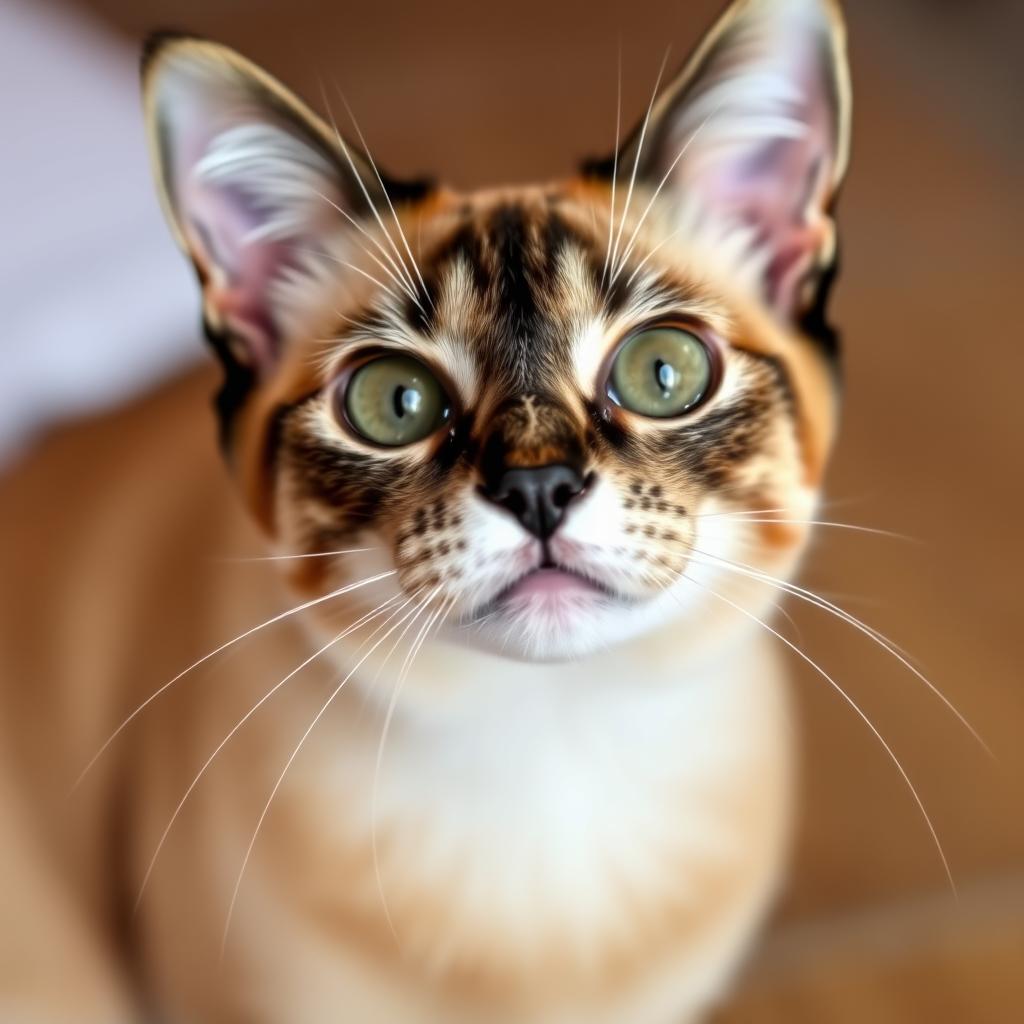
Grooming Needs
Despite their long, smooth fur, Balinese cats are surprisingly low-maintenance in terms of grooming. Their coat is fine and doesn't mat easily. Brushing them about once a week with a suitable comb or brush is generally sufficient to keep their coat healthy and free of tangles. This also provides a good opportunity to bond and check their skin for any issues or external parasites. Understanding their grooming requirements is part of their overall care and contributes to a happy cat.
Environmental Enrichment and Behavior
Balinese cats are known for their intelligence, curiosity, and vocal nature. They require mental and physical stimulation to prevent boredom and potential behavioral problems. Providing a variety of toys, scratching posts, climbing structures, and engaging in interactive play sessions is vital. Their social disposition means they often enjoy being part of family activities. Addressing their behavioral needs helps ensure you have a well-adjusted pet.
Regular playtime not only keeps your Balinese cat physically fit but also strengthens your bond. Puzzle feeders and interactive toys can offer mental stimulation, helping to prevent destructive behaviors that can arise from boredom. Exploring different cat behavior resources can provide valuable tips for keeping your intelligent feline companion happy and engaged.
Initial Setup Costs
Don't overlook the one-time expenses involved in preparing your home for a new cat. These essential items are fundamental for your cat's comfort and safety.
- Initial supplies
-
- Litter box and litter
- Food and water bowls
- Good quality cat food (initial supply)
- Scratching posts/trees
- Comfortable bedding
- Carrier for vet visits
- Grooming tools (brush, nail clippers)
- Various toys
The total for these initial supplies can range from $200 to $500, depending on the quality and quantity of items you select. This represents a foundational investment in your cat's well-being.
Is a Balinese Cat the Right Choice for You?
Balinese cats make wonderful companions for the right owners. They are intelligent, social, and can form deep bonds with their families. Their striking appearance, combined with their playful and often communicative personalities, makes them a joy to live with. However, prospective owners should be prepared for their tendency to vocalize and their need for interaction. Their cost, both initially and over their lifetime, is an important consideration, but for many, the companionship and affection a Balinese cat provides are well worth the investment.
If you are drawn to this elegant breed, thorough research into reputable breeders or adoption groups is essential. Understanding the financial commitment involved ensures you can provide a loving, stable, and stimulating environment for your Balinese cat for years to come. For more information on selecting the ideal cat companion, exploring different cat breeds can offer valuable insights into their unique characteristics and care requirements.
Frequently Asked Questions
What influences the price of a Balinese cat?
Several factors impact Balinese cat pricing, including breeder reputation, lineage (show quality vs. pet quality), location, and any special colorations or markings. Kittens from champion bloodlines or with rare coat patterns typically command higher prices. Responsible breeders invest significant resources into health testing, socialization, and quality care, which is reflected in their kitten prices.
Are Balinese cats expensive to own long-term?
Beyond the initial purchase price, ongoing costs for Balinese cats include high-quality food, regular veterinary check-ups, vaccinations, parasite prevention, toys, grooming supplies, and potentially pet insurance. Their luxurious coat requires regular grooming, and their active nature means they benefit from engaging toys and enrichment activities. While not the cheapest breed to maintain, their overall lifetime cost is comparable to many other purebred cats when good care is provided.
Where is the best place to buy a Balinese cat?
The most reputable source for a Balinese cat is a dedicated, ethical breeder who prioritizes the health and temperament of their cats. Look for breeders who are transparent about their health testing practices, allow you to visit their facility, and provide references. Alternatively, consider adopting a Balinese cat or a Balinese mix from a breed-specific rescue organization or a general animal shelter. Adoption fees are typically much lower and give a deserving cat a second chance at a loving home.