
Our canine companions bring so much joy into our lives, and a big part of keeping them happy and healthy means paying attention to their overall well-being. As a behaviorist, I often see how closely physical health and a dog's temperament are connected. One area that's crucial, yet sometimes overlooked, is dental care. Preventing gum disease in your dog isn't just about fresh breath; it's fundamental to their comfort, their ability to eat, and their overall health. Keeping up with good dog dental hygiene is more important than ever for proactive pet parents.
Understanding Why Dog Dental Health Matters
You might think of dental health as a human concern, but our dogs are just as susceptible to dental issues, including the common and often painful condition known as gum disease. This isn't just a cosmetic problem; it can significantly impact your dog's quality of life and even lead to more serious health complications. From a behavioral standpoint, dental pain can show up in subtle ways that owners might miss, leading to misunderstandings about their dog's mood or energy levels.
Gum disease starts when plaque, a sticky film of bacteria, builds up on your dog's teeth. If this plaque isn't removed regularly, it hardens into tartar. Tartar irritates the gums, leading to inflammation (gingivitis), which is the first stage of gum disease. If left untreated, gingivitis can get worse, causing the gums to pull away from the teeth, leading to infection, tooth loss, and pain. This pain can cause your dog to become withdrawn, irritable, or even aggressive, affecting their overall behavior and temperament.
Behavioral Clues Your Dog Might Have Dental Issues
As a behaviorist, I encourage you to observe your dog's daily habits closely. Small changes can be the first signs that something is wrong, especially with dental pain. Here are some behavioral signs to watch for:
- A persistent foul odor in their breath can signal bacteria buildup and infection.
- Changes in eating habits might include a preference for softer foods, chewing on only one side of their mouth, dropping food, or hesitation with treats.
- Excessive pawing at the mouth or face, rubbing their face on furniture, or whimpering while eating can indicate discomfort.
- Increased salivation, or drooling more than usual, can be a sign of pain or irritation.
- Look for red, swollen, or bleeding gums; these are clear signs of gingivitis.
- Lethargy or increased irritability can result from ongoing dental pain, leading to less energy or a shorter temper.
- A sudden avoidance of favorite chew toys or difficulty chewing may point to dental pain.
If you notice any of these signs, it's important to schedule a visit with your veterinarian. While I can help you understand the behavioral aspects, a vet is the one qualified to diagnose and treat dental conditions. You can find more information about general health management in our dog health care section.
Preventative Dental Care: Your Role as a Pet Parent
The good news is that most dental problems, including gum disease, are preventable with consistent care. This is where you, as your dog's advocate and caretaker, play a significant role. Proactive dental hygiene is one of the most effective ways to ensure your dog remains comfortable and healthy throughout their life.
Daily Brushing Is Key
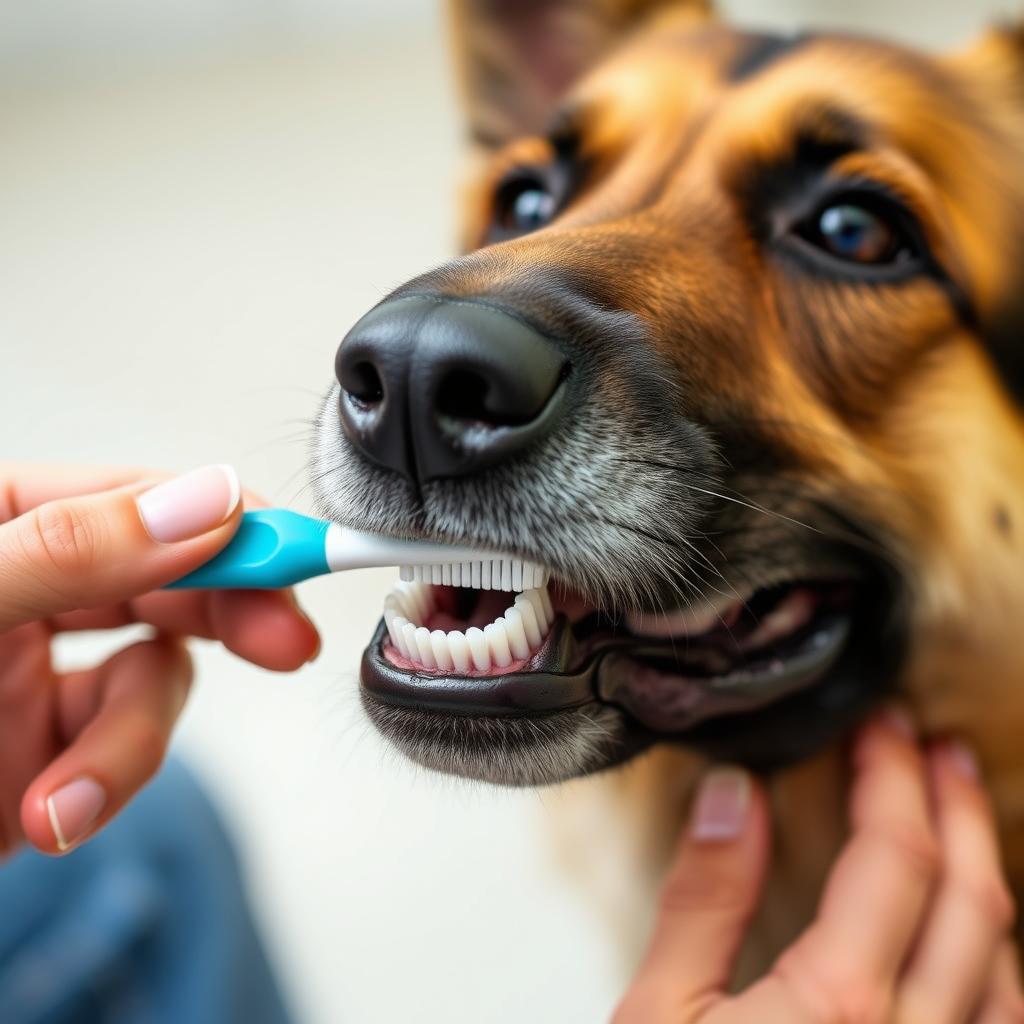
The best way to prevent plaque and tartar buildup is regular tooth brushing. Yes, you can teach your dog to tolerate and even enjoy having their teeth brushed! Start slowly and make it a positive experience. Use a dog-specific toothbrush and toothpaste (never human toothpaste, as it can be harmful).
Here's a gentle approach:
- If you have a puppy, introduce tooth brushing as soon as possible.
- Let your dog lick the toothpaste off the brush first. Offer praise and a small, healthy treat afterward.
- Begin by just rubbing the toothpaste on their teeth with your finger.
- Once they are comfortable, introduce the brush, focusing on the outside surfaces of the teeth.
- Keep initial sessions short, just a minute or two, and gradually increase the time.
- Aim for daily brushing, or at least 3-4 times per week for consistency.
Diet Matters
What you feed your dog also affects their dental health. Certain diets can contribute to plaque and tartar buildup. Look for high-quality dog food with ingredients that support overall health, including oral health. Some specially formulated dental diets and treats can help reduce plaque and tartar, but always discuss these with your vet.
Chewing is a natural behavior for dogs and can help keep their teeth clean. Providing appropriate chew toys is important. Ensure they are safe and the right size to prevent choking hazards or damage to teeth. You can explore various safe chew options that also cater to chewing instincts in our dog training guides, which often touch upon positive reinforcement for appropriate behaviors.
Dental Chews and Water Additives
While not a replacement for brushing, dental chews and water additives can be helpful additions to your dog's dental care routine. Look for products approved by organizations like the Veterinary Oral Health Council (VOHC) for proven effectiveness in reducing plaque and tartar. These products can help mechanically clean teeth and reduce bacteria in the mouth.
Professional Veterinary Dental Care
Even with diligent home care, professional veterinary attention is crucial. Your veterinarian can perform thorough dental exams, cleanings, and treatments that are impossible to do at home. They have specialized tools to remove stubborn tartar, check for cavities, assess gum health, and address any underlying dental issues.
Veterinary dental cleanings typically involve anesthesia so the vet can safely and effectively clean below the gum line, take dental X-rays, and perform necessary procedures. Discuss with your vet the recommended frequency for professional dental cleanings for your dog, as it can vary based on breed, age, and individual dental health.
The Cost of Dental Care
It's worth noting that veterinary dental care can be expensive. However, the cost of preventative care and early intervention is almost always less than treating advanced dental disease or related health problems. Investing in regular check-ups and at-home care can save you money and your dog a lot of pain in the long run.
Here's a general idea of potential costs associated with veterinary dental care in 2026. Please remember these are estimates and can vary widely based on your location, the clinic, and your dog's specific needs:
| Service | Estimated Cost (2026 USD) |
|---|---|
| Annual dental exam (part of regular vet visit) | $50 - $150 |
| Professional dental cleaning (under anesthesia) | $300 - $1,000+ |
| Dental X-rays | $50 - $150 (often included in cleaning) |
| Tooth extractions (per tooth) | $50 - $250+ |
| Dog-specific toothpaste & brush set | $15 - $30 |
| Dental chews (monthly supply) | $20 - $50 |
When to Seek Veterinary Advice Immediately
While routine care is important, there are times when you need to contact your vet immediately. These include sudden severe bad breath, visible swelling of the gums or face, difficulty breathing, or if your dog seems to be in acute pain and unable to eat or drink. These could indicate a serious infection or injury that needs urgent attention.
Remember, your dog relies on you for their health and happiness. By understanding the signs of dental disease and implementing a consistent preventative care routine, you can help your furry friend maintain a healthy mouth, avoid painful conditions like gum disease, and enjoy a better quality of life for years to come. For broader insights into responsible pet ownership and ensuring your dog's well-being, explore our pet ownership resources.
Frequently Asked Questions
What are the signs of gum disease in dogs?
Behavioral signs can include bad breath (halitosis), reluctance to eat hard food, dropping food, pawing at the mouth, red or swollen gums, and increased drooling. In more advanced stages, you might notice changes in their willingness to play or interact.
How often should I brush my dog's teeth?
Ideally, aim for daily brushing. If daily isn't feasible, aim for at least 3-4 times a week. Consistency is key to preventing plaque and tartar buildup.
What kind of toothpaste should I use for my dog?
Always use toothpaste specifically formulated for dogs. Human toothpaste can contain ingredients like xylitol, which is toxic to dogs, or fluoride, which can cause stomach upset if swallowed.
Can dental chews replace brushing?
Dental chews can be a helpful supplement to brushing, but they are generally not a complete replacement. They help reduce plaque and tartar, but they may not reach all surfaces of the teeth effectively.