
If you have walked down the pet food aisle recently, you have likely noticed that grain-free dog food options are widely available. It is easy to feel overwhelmed by the many choices. As a pet behaviorist and lifelong animal lover, my focus on nutrition goes beyond the typical. I do not just focus on what goes into the bowl, but how that food affects your dog's daily energy, focus, and overall well-being. A well-fed dog is a happy, balanced dog, and making informed choices about your pup's menu is a key part of dog health care.
Today, many dog owners still ask whether grain-free dog food is safe. With conflicting advice online, it's hard to tell marketing claims from scientific facts. Let's look closely at what grain-free diets are, why they became so popular, and how you can make the safest choice for your dog's unique needs.
The history behind the grain-free trend
The movement toward grain-free food started with a simple marketing idea: that our domestic dogs are essentially wolves who need a pure, ancestral diet. While it is true that dogs share a common ancestor with wolves, thousands of years of domestication have profoundly changed their biology. During this long process, dogs have evolved to be highly adaptable omnivores. They've developed the ability to digest starches and carbohydrates, including grains, quite efficiently.
Many dog owners switched to grain-free options believing they were helping dogs with food allergies. In reality, true grain allergies in dogs are quite rare. Most dog food allergies are triggered by animal proteins like beef, chicken, or dairy. When manufacturers remove grains like wheat, corn, and barley, they must replace them with other carbohydrate sources. Usually, these replacements are peas, lentils, chickpeas, and potatoes.
Common myths about grains in dog diets
To make the best choice for your dog, we need to look beyond clever marketing. Several persistent myths about grains often confuse dog owners. Let's clear up some of the most common misunderstandings so you can make an informed decision.
The first big myth is that grains are simply cheap fillers used by pet food companies to save money. In reality, whole grains like oatmeal, barley, and brown rice provide a good source of vitamins, minerals, and essential fatty acids. They also offer dietary fiber, which supports healthy digestion and keeps your dog feeling full and satisfied after meals. When a dog has stable digestion, they are less likely to show stress-related behaviors like searching for scraps or eating grass outside.
Another common belief is that grain-free dog food is always low in carbohydrates or high in protein. This is rarely the case. To hold dry kibble together, manufacturers must use starches. In grain-free recipes, these starches come from peas, potatoes, or tapioca. Many grain-free foods actually contain equivalent or even higher levels of carbohydrates than grain-inclusive options. High carbohydrate intake without matching physical activity can lead to rapid weight gain, which can affect your dog's desire to play and run.
Behavioral clues your dog's diet might need adjusting
Because I am a behaviorist rather than a veterinarian, I always advise my clients to look at their dog's daily actions to understand their health. A dog who is not receiving the right balance of nutrients will often show minor shifts in behavior or routine before any clear health issues emerge. Here are behavioral signs that suggest your dog's current food isn't suitable:
- Fluctuating energy levels
- Your dog might show sudden bursts of energy followed by periods of extreme tiredness, which could suggest unstable blood sugar or poor nutrient absorption.
- Loss of focus during training
- If your dog struggles to concentrate during training sessions, it might be due to mental fatigue, possibly from a lack of essential fatty acids or complex carbohydrates.
- Restlessness and scratching
- Constant shifting, an inability to relax, or obsessive scratching can signal digestive discomfort or skin irritations related to an unbalanced diet.
- Irritability or mood shifts
- Dogs, like people, can become irritable when their digestion isn't right. Ongoing digestive discomfort from an unsuitable diet might make a usually friendly dog quick to growl or withdraw.
Understanding the scientific discussion around grain-free diets
You cannot discuss grain-free food without addressing the investigation by the U.S. Food and Drug Administration (FDA) regarding a potential link between grain-free diets and canine dilated cardiomyopathy, which is a serious heart condition. While this topic sounds concerning, it's important to understand the facts without undue alarm.
The FDA's focus was not necessarily on the absence of grains, but rather on the presence of high concentrations of peas, lentils, and other legume seeds that are common main ingredients in grain-free formulas. Researchers are studying whether these ingredients might impact the absorption of essential amino acids like taurine, which are critical for heart health. This is a complex topic, and because every dog has unique genetics, you should always consult a licensed veterinarian to evaluate your pet's specific dietary risks and needs.
Comparing canine dietary options
To help you understand how different diets compare, let's look at the most common options available on the market today. This will help you decide which option best suits your budget, lifestyle, and dog's daily activity level.
| Diet Type | Primary Carb Sources | Best Suited For | Key Behavioral & Physical Benefits |
|---|---|---|---|
| Grain-Inclusive | Brown rice, oats, barley, millet | Most healthy adult dogs with average activity levels | Steady, sustained energy levels and reliable stool quality |
| Grain-Free (Legume-Rich) | Peas, lentils, chickpeas, potatoes | Dogs with confirmed, rare grain sensitivities | Can resolve specific digestive issues if grains were the true cause |
| Alternative Grain-Free | Sweet potatoes, pumpkin, tapioca | Dogs needing grain avoidance without heavy legume exposure | Gentle on sensitive stomachs, provides steady energy for active dogs |
Using food to boost your dog's mental health
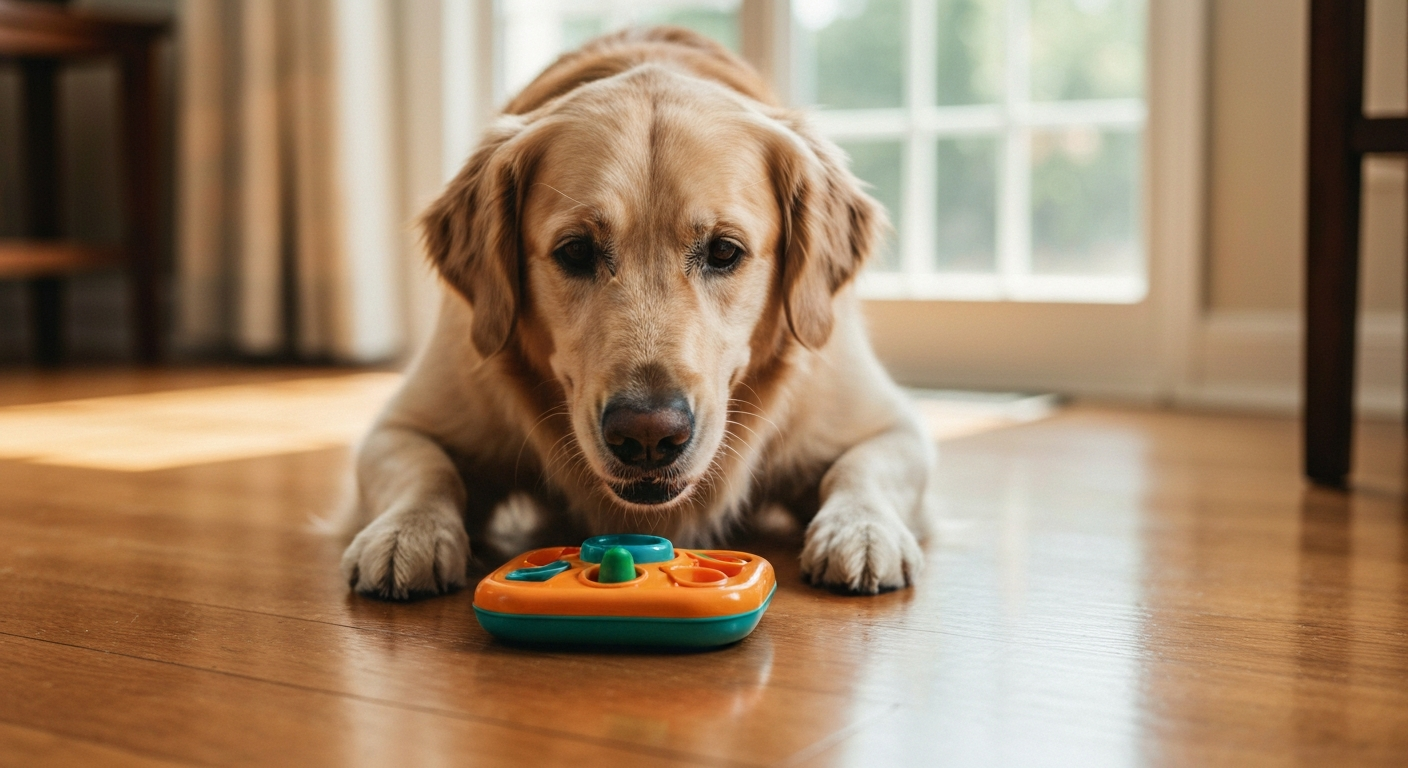
How you feed your dog is almost as important as what you feed them. From a behavioral perspective, simply putting a bowl of kibble on the floor can be a missed opportunity for mental stimulation. Dogs are natural foragers. In the wild, their ancestors spent much of their day searching for food. Working for their meals provides significant mental enrichment that can help reduce anxiety, destructive chewing, and excessive barking.
Consider using your dog's daily food allowance in interactive ways. Food-dispensing puzzle toys, snuffle mats, and scatter feeding in the grass are excellent ways to engage your dog's brain. If you use grain-free dog food, ensure the kibble size works well with your chosen puzzle toys. Engaging their sense of smell and problem-solving abilities helps tire them out mentally, leading to a much calmer household. This simple change in your daily routine can make a big difference in your dog's overall temperament.
How to make a safe transition if you choose to switch
If you and your veterinarian decide that changing your dog's diet is the right step, the way you manage that change is very important. A sudden shift in food can cause significant stomach upset, leading to diarrhea, vomiting, and a stressed dog. Stress is a major trigger for behavioral setbacks, so a smooth digestive transition is crucial.
I recommend a gradual seven-day transition plan. Start by mixing 25 percent of the new food with 75 percent of the old food for the first two days. On days three and four, make it a 50-50 split. On days five and six, transition to 75 percent new food and 25 percent old food. By day seven, your dog can enjoy a full bowl of the new diet. Throughout this process, monitor your dog's stool consistency, appetite, and eagerness to play. Observing these daily habits is one of the most practical parts of responsible pet ownership.
Final thoughts on keeping your dog thriving
Ultimately, there is no single food that works perfectly for every dog. Whether you choose a high-quality grain-inclusive food or a carefully formulated grain-free option, your focus should be on whole, identifiable ingredients from reputable manufacturers. Watch your dog's body language, keep their weight in check through regular exercise, and make sure their coat remains shiny and clean. When you combine high-quality nutrition with positive training and plenty of love, you create a supportive environment for your dog to live a happy, healthy life.
Frequently Asked Questions
Is grain-free dog food actually safer for dogs with allergies?
In most cases, no. True grain allergies are very rare in dogs. Most food-related allergies in canines are triggered by animal proteins like beef, chicken, or dairy. If your dog is scratching or has soft stool, it is best to consult your veterinarian to identify the exact cause rather than assuming grains are the culprit.
What are the behavioral signs that a dog food does not agree with my pet?
Look for sudden shifts in energy, such as hyperactivity followed by extreme lethargy. You might also notice a loss of focus during training, general restlessness, obsessive scratching, or irritability. These signs often point to poor nutrient absorption or digestive discomfort.
Why is the FDA investigating grain-free dog food?
The FDA began investigating a potential link between grain-free diets and a heart condition called canine dilated cardiomyopathy (DCM). The main concern is not the lack of grains themselves, but the high concentration of ingredients like peas, lentils, and chickpeas used to replace grains, which might interfere with how dogs absorb essential amino acids like taurine.
How should I transition my dog to a new type of food?
A slow, seven-day transition is ideal. Start by mixing 25 percent of the new food with 75 percent of the old food for two days, then move to a 50-50 mix for another two days. Next, feed 75 percent new food and 25 percent old food for two days before switching entirely on day seven. This slow transition protects your dog's digestive system.