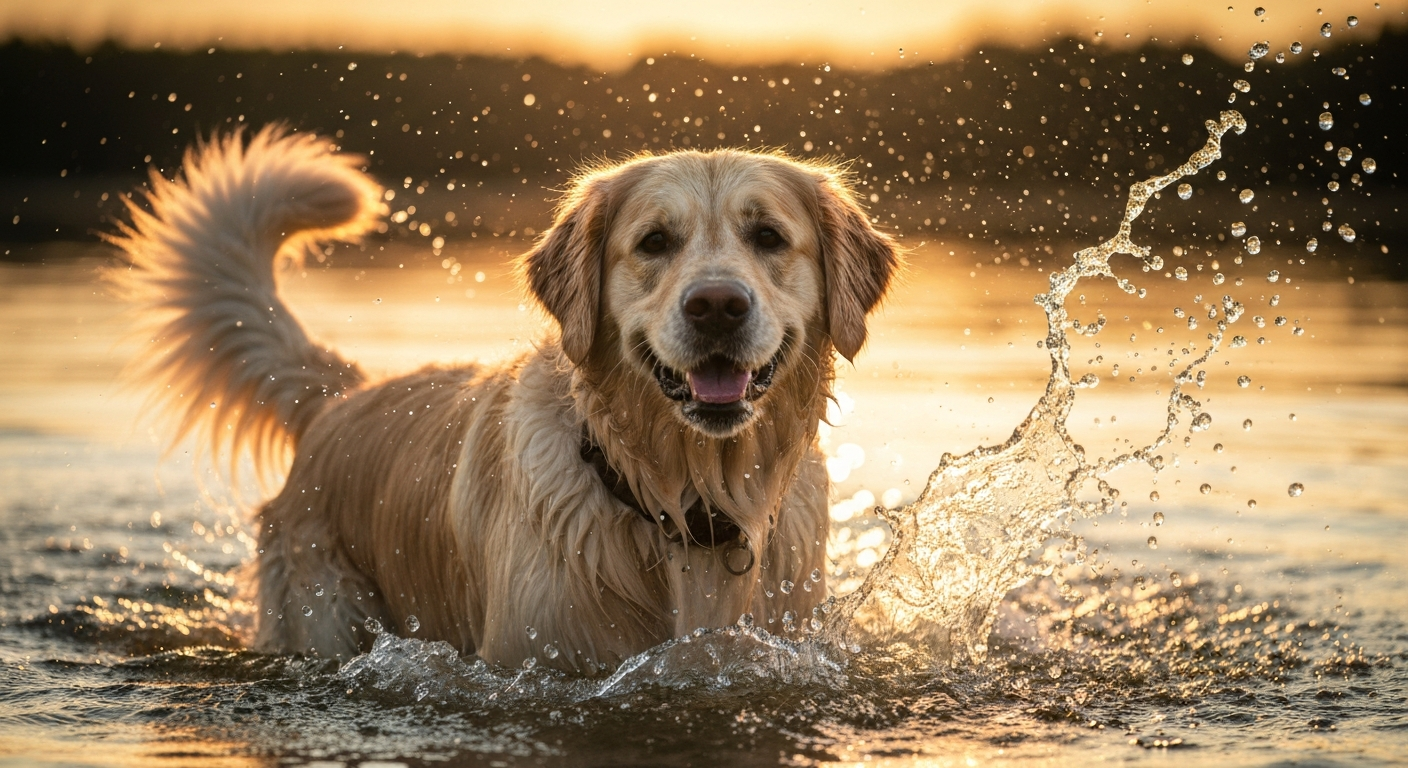
Summer brings sunshine and fun outdoor activities, but for our dogs, it also presents a significant risk: heat. Unlike humans, dogs don't sweat effectively to cool down. They primarily rely on panting, which becomes less efficient when the temperature rises too high. Learning how to keep your dog cool in summer is not just about comfort; it's a vital part of responsible pet ownership that can prevent heatstroke, a dangerous condition. This guide will help ensure your furry friend has a safe and enjoyable summer.
Recognizing when dogs are too hot
Before focusing on prevention, it's crucial to know how to identify when a dog is struggling with the heat. Heat exhaustion can quickly turn into heatstroke. If you notice any of these signs, take immediate action. Time is critical.
- Excessive panting:
- This isn't just normal panting after exercise, but rapid, heavy, and distressed breathing.
- Heavy drooling:
- Saliva may appear thick and sticky.
- Gum and tongue color:
- Look for bright red or even bluish/purple gums and tongue, which suggests a lack of oxygen.
- Lethargy and weakness:
- Your dog might seem drowsy, unsteady, or even collapse.
- Other concerning signs:
- Vomiting, diarrhea, and seizures indicate severe heatstroke and require immediate veterinary attention.
If you suspect heatstroke, move your dog to a cool place, apply cool (not ice-cold) water to their paws and body, and contact your vet right away. This is a genuine emergency.
Proactive steps for a cooler summer
The best approach to dealing with heatstroke is to prevent it altogether. By making a few adjustments to your dog's daily routine, you can ensure a safe and comfortable environment throughout the season.
Timing is key: Adjust your schedule
The midday sun poses a threat to your dog. The air is hottest then, and surfaces like pavement and sand can become so hot they burn sensitive paw pads. Use the 'five-second rule': place the back of your hand on the surface. If you can't keep it there for five seconds, it's too hot for your dog's paws. Schedule walks and playtime for cooler parts of the day, such as early morning before 8 AM or late evening after sunset.
Staying hydrated: Beyond the water bowl
Dehydration is a primary factor leading to overheating. Make sure your dog always has access to fresh, cool water. Place multiple bowls around the house and clean them daily to prevent germ growth. Always carry a portable water bottle and bowl when you're out. You can also make hydration more engaging for your dog!
- Add ice cubes to their water bowl to keep it cold.
- Freeze low-sodium chicken or beef broth in ice cube trays for a flavorful, hydrating treat.
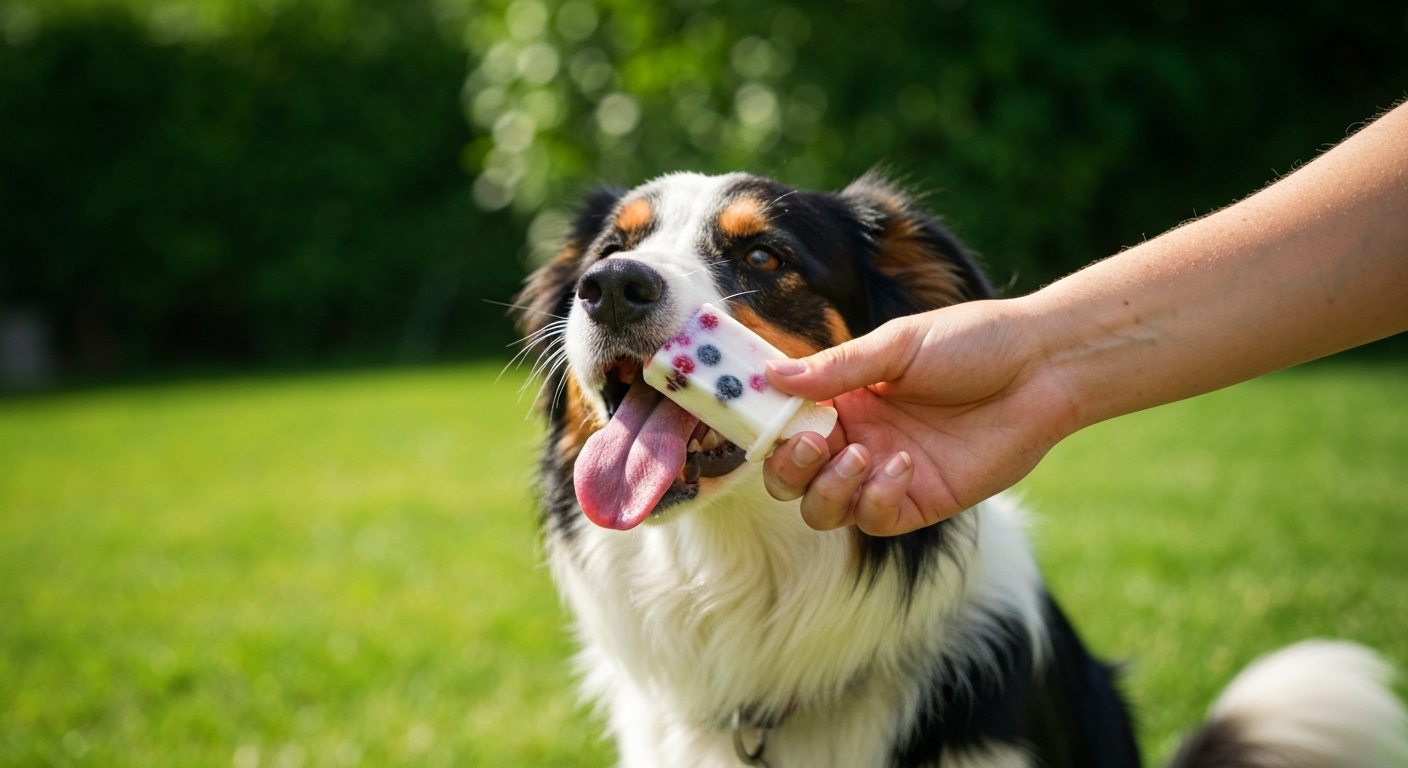
- Offer small, frozen pieces of dog-safe fruits like seedless watermelon, blueberries, or cantaloupe.

Creating a cool indoor space
Your home should be a refuge from the heat. Use air conditioning if you have it. If not, fans can help circulate the air. Keep blinds and curtains closed during the hottest parts of the day to block direct sunlight. Provide cool surfaces for your dog to rest on, such as tile or hardwood floors. Specialty cooling mats, which use a gel that activates with pressure, are excellent for providing relief.
Specific needs for different dogs
Not all dogs tolerate heat equally. Certain physical characteristics and life stages can significantly increase a dog's risk of overheating, requiring extra care from their owners.
Brachycephalic breeds, those with short snouts like Pugs, French Bulldogs, and Boxers, have breathing systems that make panting less effective. They can overheat very quickly and need close monitoring in warm weather. You can find more information on their unique care needs in our detailed dog breeds section.
Similarly, senior dogs, overweight dogs, and puppies have more difficulty regulating their body temperature. For these vulnerable pets, extra vigilance and consistent dog health care are essential. Owners of double-coated breeds such as Huskies or Samoyeds should resist the urge to shave their dogs. Their undercoat actually provides insulation, trapping air to keep them cooler in summer and warmer in winter. Regular brushing to remove loose undercoat is a much more effective solution.
Common summer mistakes to avoid
The most dangerous mistake a pet owner can make is leaving a dog in a parked car. Never do this, not even for a moment, and not even with the windows slightly open. A car acts like a greenhouse, and its internal temperature can reach dangerous levels in minutes, even on a mild day.
| Outside Temperature | Temperature After 10 Mins | Temperature After 30 Mins |
|---|---|---|
| 75°F (24°C) | 94°F (34°C) | 109°F (43°C) |
| 85°F (29°C) | 104°F (40°C) | 119°F (48°C) |
| 95°F (35°C) | 114°F (46°C) | 129°F (54°C) |
Other mistakes to avoid include over-exercising your dog in the heat and neglecting to provide shade and water during any outdoor activity. Even a game of fetch can become dangerous if it's too long or intense in high temperatures. For dogs who are still mastering recall or water safety, structured training is important. Many fundamental positive reinforcement techniques discussed in our dog training guides can be applied to teach your dog to come when called away from potentially risky situations.
Conclusion: Enjoy a safe and cool summer
Summer with your dog should be about creating happy memories, not worrying about heat-related illness. By understanding the risks, recognizing the warning signs, and putting these simple, proactive strategies into practice, you can ensure your best friend stays safe, happy, and cool. So, fill up the kiddie pool, blend some frozen treats, and get ready for a wonderful and safe summer season together!
Frequently Asked Questions
What is the fastest way to cool down an overheating dog?
Immediately move your dog to a shaded or air-conditioned area. Apply cool (not ice-cold) water to their paw pads, ears, and groin area. Offer small sips of cool water. Most importantly, call your veterinarian or an emergency vet clinic right away, as heatstroke is a medical emergency.
Is it safe to give my dog ice cubes?
Yes, for most dogs, ice cubes are a safe and enjoyable treat in moderation. For smaller dogs or aggressive chewers, it's safer to offer ice shavings or smaller pieces to prevent any risk of choking or tooth damage. You can also freeze water in a durable chew toy.
Should I shave my long-haired dog for summer?
This is a common misconception. For double-coated breeds like Huskies or German Shepherds, their coat acts as insulation, protecting them from both heat and sunburn. Shaving it can actually make them more susceptible to overheating. Always consult a professional groomer or your vet before making any drastic changes to their coat.