
Your dog can be a valuable part of your home's safety and security. The presence of a dog can discourage intruders, and some breeds naturally possess traits that make them good for protection. However, selecting a dog for protection involves more than just picking the biggest breed. It's about finding a dog with the right personality, who is trainable and devoted to its family. At BreedExplorer, we know that a good protector is, first and foremost, a well-trained, well-socialized, and loyal member of the household. Let's look at some of the top dog breeds known for their protective qualities and what makes them special.
Understanding the role of a protector dog
Before we discuss specific breeds, it's helpful to know the difference between a 'watchdog' and a 'protector dog.' A watchdog's main job is to alert you to unusual occurrences, usually by barking. They might bark if someone is at the door or if they hear a strange noise. A protector dog, on the other hand, is either trained or naturally inclined to defend its family and territory from perceived threats, which might involve a more direct response. Both roles require responsible owners, thorough socialization, and ongoing dog training.
The best protector dog has a mix of traits: alertness, courage, loyalty, and confidence. They should be able to distinguish between normal events and real dangers. Most importantly, they must be obedient and easy to control. A dog that is too aggressive or unpredictable can be a risk to its family and others, undermining the purpose of protection.
Key temperament traits for a protector dog
- Loyalty: A deep connection to its family is essential.
- Courage: Willingness to stand its ground when needed.
- Confidence: Not easily frightened or unsettled.
- Alertness: Aware of its surroundings and quick to notice changes.
- Trainability: Eager to learn and follow instructions.
- Discernment: Ability to assess situations and react thoughtfully, not impulsively.
- Protective Instinct: A natural urge to keep its loved ones safe.
Top dog breeds for home protection
When choosing a breed, consider their protective instincts, energy levels, grooming needs, and how well they fit into your lifestyle. Many powerful breeds need experienced owners and significant mental and physical activity.
1. German Shepherd
The German Shepherd is a classic protector breed, recognized for its intelligence, adaptability, and steadfast loyalty. These dogs are highly trainable and excel in many roles, including police work, military service, and personal protection. Their natural alertness and protective instincts make them excellent guardians of the home.
- Breed:
- German Shepherd
- Temperament:
- Intelligent, loyal, courageous, alert, confident
- Trainability:
- High
- Energy Level:
- High
- Grooming:
- Moderate (sheds seasonally)
- Protection Suitability:
- Excellent
German Shepherds do best when they have a purpose and require consistent exercise and mental stimulation. Early socialization is crucial for them to become well-adjusted adults. They are naturally cautious around strangers but devoted to their families. Without enough training and engagement, they can become anxious or develop problem behaviors.
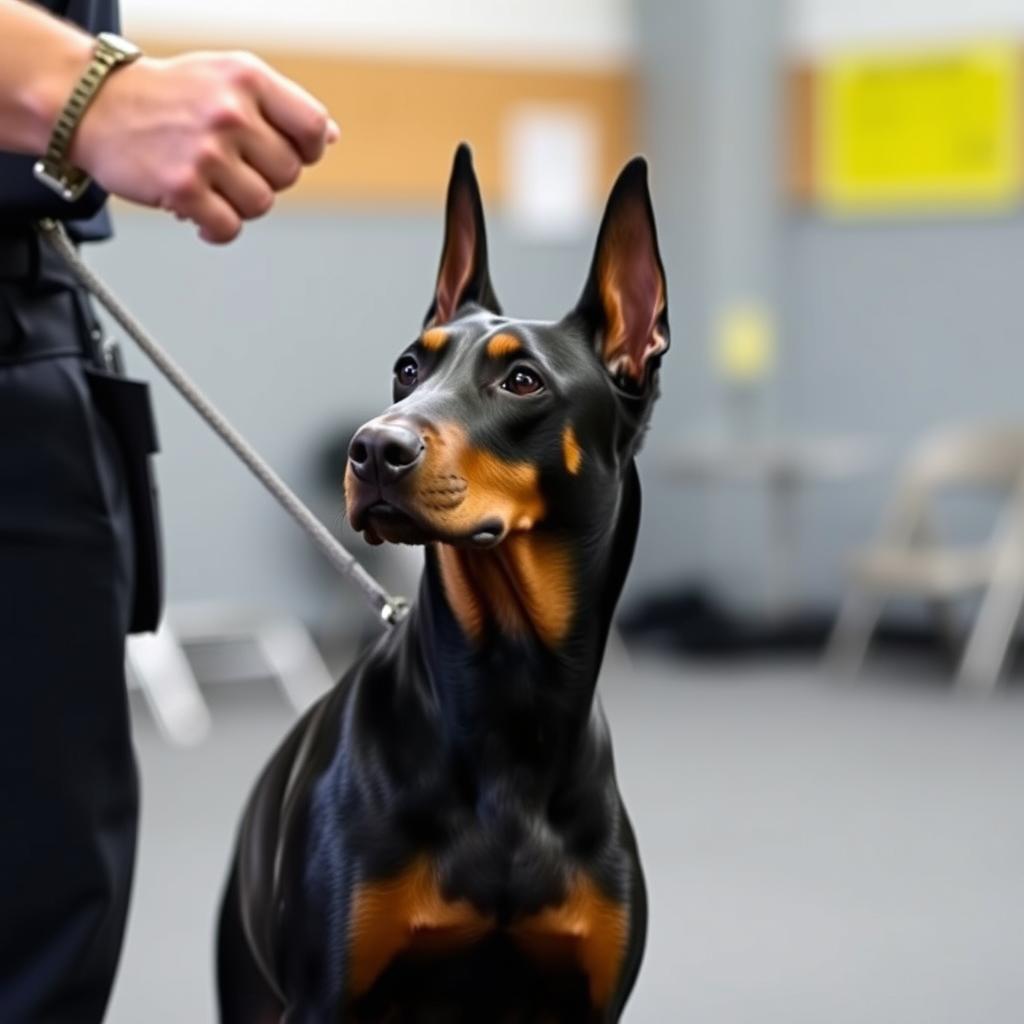
2. Doberman Pinscher
The Doberman Pinscher is known for its elegant look and strong presence. They are very intelligent, fearless, and loyal dogs that form strong bonds with their owners. Dobermans are natural protectors, keenly aware of their surroundings and quick to respond to potential threats. Their imposing size and watchful nature make them effective deterrents.
- Breed:
- Doberman Pinscher
- Temperament:
- Intelligent, loyal, fearless, alert, energetic
- Trainability:
- High
- Energy Level:
- High
- Grooming:
- Low
- Protection Suitability:
- Excellent
These dogs need consistent training and socialization from a young age. They are sensitive and respond best to positive training methods. Dobermans require plenty of exercise and mental engagement to prevent boredom and potential behavioral issues. Their protective nature means they can be reserved with strangers and deeply devoted to their family.
3. Rottweiler
Rottweilers are powerful dogs with a calm, confident, and courageous nature. They are incredibly loyal and have a strong protective instinct towards their families. While they are very strong, they are not naturally aggressive. Their impressive size and steady demeanor make them an effective deterrent, and they are known for being gentle with their loved ones when properly trained and socialized.
- Breed:
- Rottweiler
- Temperament:
- Confident, courageous, loyal, calm, devoted
- Trainability:
- High
- Energy Level:
- Moderate to High
- Grooming:
- Low
- Protection Suitability:
- Excellent
Responsible ownership is crucial with Rottweilers. Early and ongoing socialization is vital, as is consistent, firm, and fair training. They need owners who understand their strength and can provide clear direction. Their protective nature means they are naturally wary of strangers and will likely alert their families to anything they consider unusual.
4. Belgian Malinois
Often seen working with law enforcement and military personnel, the Belgian Malinois is an exceptionally intelligent, high-drive dog with a strong work ethic. They are intensely loyal and have a powerful protective instinct. Their agility, speed, and courage make them outstanding protection dogs.
- Breed:
- Belgian Malinois
- Temperament:
- Intelligent, energetic, protective, loyal, driven
- Trainability:
- Very High
- Energy Level:
- Very High
- Grooming:
- Low
- Protection Suitability:
- Exceptional
The Belgian Malinois is not a breed for inexperienced owners. They require an experienced handler who can provide extensive training, socialization, and vigorous physical and mental exercise. Without sufficient outlets for their energy and intelligence, they can develop behavioral problems. Their protective nature is intense and must be managed with expertise.
5. Giant Schnauzer
The Giant Schnauzer is a strong, powerful breed with a distinctive beard and eyebrows. Beneath their sometimes serious appearance is a devoted and highly intelligent dog. They are naturally protective of their families and territory, possessing courage and a strong will. Their alertness makes them excellent watchdogs, and their strength and determination contribute to their guarding abilities.
- Breed:
- Giant Schnauzer
- Temperament:
- Intelligent, loyal, protective, spirited, confident
- Trainability:
- High
- Energy Level:
- High
- Grooming:
- Moderate (requires regular professional grooming)
- Protection Suitability:
- Very Good
Giant Schnauzers need consistent training and early socialization. They can be strong-willed, so a confident owner who can set clear boundaries is important. They need significant exercise and enjoy activities that challenge them mentally. Their protective nature is strong, and they are naturally suspicious of strangers.
6. Akita
The Akita is a large, powerful breed from Japan. Known for its dignity, courage, and deep loyalty, the Akita forms a strong bond with its family and can be fiercely protective. They are naturally wary of strangers and possess a quiet confidence, often observing situations before acting. Their imposing appearance alone can serve as a deterrent.
- Breed:
- Akita
- Temperament:
- Loyal, courageous, dignified, reserved, protective
- Trainability:
- Moderate to High (can be independent)
- Energy Level:
- Moderate
- Grooming:
- Moderate (heavy seasonal shedding)
- Protection Suitability:
- Very Good
Akitas require experienced handling and extensive socialization from puppyhood. They can be dominant and may not be suitable for homes with other pets or young children without careful management and training. Their protective instincts are strong, and they are not inclined to tolerate perceived threats. Understanding their independent nature is key to successful training.
7. Bullmastiff
Developed as a protector dog to guard estates, the Bullmastiff is a large, sturdy breed known for its courage and loyalty. They are naturally protective of their family and home but generally do not bark excessively. Bullmastiffs are calm and confident, possessing a deterrent presence without being overly aggressive. They are known for being gentle with their family.
- Breed:
- Bullmastiff
- Temperament:
- Courageous, loyal, calm, protective, gentle with family
- Trainability:
- Moderate to High
- Energy Level:
- Moderate
- Grooming:
- Low
- Protection Suitability:
- Very Good
Bullmastiffs need early socialization to ensure they are well-adjusted. While generally calm, their protective instincts mean they will defend their family if necessary. They respond well to consistent and fair training. Their large size means training and management are important from a young age.
Factors beyond breed
While breed plays a part, a dog's temperament and suitability as a protector are also significantly influenced by:
- Socialization: Exposing puppies to different people, places, sounds, and other animals during their key developmental period is crucial for them to grow into confident, well-adjusted adults.
- Training: Consistent, positive obedience training is essential for any dog, especially those with protective instincts. It ensures they listen to your commands and understand appropriate behavior. Investing in professional dog training can be very beneficial.
- Genetics and individual temperament: Even within a breed known for protection, individual dogs will have different temperaments. Not every dog of a certain breed will be suited to being a protector dog.
- Health and well-being: A healthy, well-cared-for dog is a more stable and reliable companion. Ensuring your dog receives proper nutrition, exercise, and regular veterinary check-ups contributes to their overall behavior and temperament. For general canine health information, see our dog health care section.
Responsible protector dog ownership
Owning a dog with protective instincts comes with considerable responsibilities. You must be committed to:
- Training: Dedicate time to consistent obedience and socialization.
- Exercise: Provide ample physical and mental stimulation to prevent boredom and destructive behaviors.
- Management: Ensure your dog is always safely contained and supervised, especially around visitors or in public.
- Understanding: Recognize your dog's breed-specific needs and individual personality.
A protector dog should be a well-integrated, obedient, and loving member of your family first and foremost. Their protective abilities are an added benefit when combined with sound training and responsible ownership. By understanding the breeds and committing to proper care and training, you can find a canine guardian that offers both companionship and security.
Frequently Asked Questions
What makes a dog a good guard dog?
A good guard dog typically possesses a strong sense of territory, loyalty to its family, courage, and a natural inclination to alert its owners to unusual activity. Key behavioral traits include alertness, confidence, and a protective nature, combined with good trainability to ensure they respond appropriately and do not pose an unnecessary risk. Breeds with a history of guarding or protection work often excel.
Are guard dogs aggressive?
Not necessarily. While guard dogs have protective instincts, responsible ownership and proper training aim to channel these instincts appropriately. They should be confident and watchful, not indiscriminately aggressive. Aggression is often a sign of poor training, lack of socialization, or fear, which are undesirable traits in a family protection dog.
What is the difference between a guard dog and a watch dog?
A watchdog primarily alerts its owners to the presence of strangers or unusual sounds through barking. A guard dog, on the other hand, is trained or naturally inclined to actively defend its territory and family if a threat is perceived. This often involves a more proactive and physical response than a watchdog would provide.
Do I need a specific type of training for a guard dog?
Yes, specialized training is highly recommended. This includes obedience training to ensure the dog is responsive to commands, socialization to ensure they are comfortable around familiar people and in various environments, and specific protection training if desired, always under the guidance of a professional trainer. Proper training is crucial for safety and control.