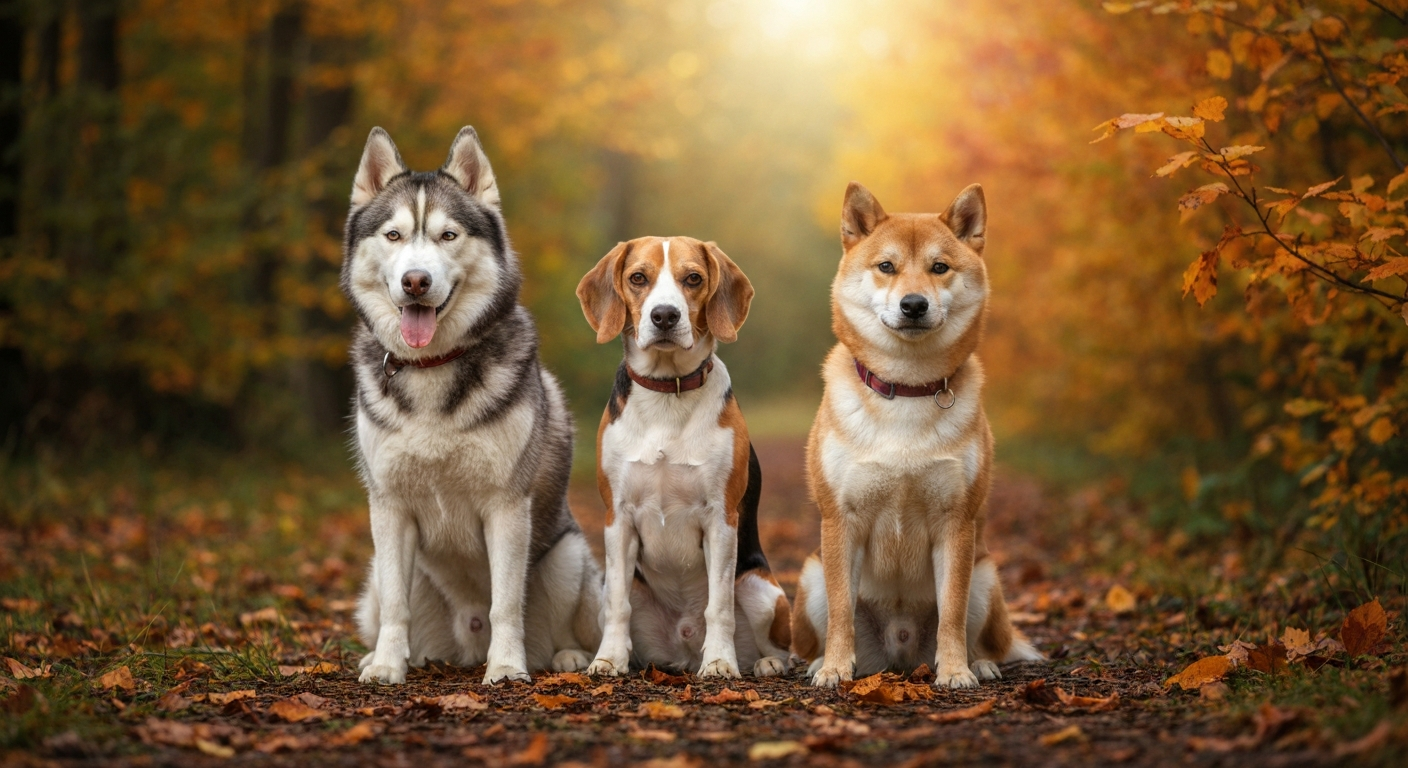
Have you ever called your dog's name, only to be met with a thoughtful glance that seems to say, "I'll consider it"? If so, you might just be the proud owner of a magnificently independent dog. While the word 'stubborn' can sound negative, in the dog world, it's often code for 'highly intelligent, independent, and bred for a specific, demanding job.' These dogs don't live to please; they live to problem-solve, and sometimes, you're the problem they've decided to solve by ignoring you!
But don't despair. Training a strong-willed dog isn't about breaking their spirit. It's about understanding their unique mind and learning to work *with* their nature, not against it. In this guide, we'll look at some of the most famously independent dog breeds and reveal expert secrets to unlocking their cooperative side. Let's get started!
What really makes a dog 'stubborn'?
Before we start naming names, let's reframe the concept. A Labrador Retriever was bred to work closely with a human, fetching game and following commands. A Basset Hound, on the other hand, was bred to follow a scent trail for miles, using its own brain to make decisions, often far out of sight from its handler. Is the Basset Hound 'stubborn' for following its nose, or is it just doing the job hardwired into its DNA for centuries?
This perceived 'stubbornness' is typically a combination of two key traits:
- High Intelligence: Smart dogs get bored easily. If you ask them to 'sit' for the tenth time in a row with no clear purpose, they'll simply check out. They need mental stimulation and a reason to cooperate.
- Independence: Many of these breeds were developed to work alone or at a distance from people. Hounds, terriers, and northern breeds are classic examples. They trust their own judgment implicitly.
Understanding the 'why' behind their behavior is the first step. You can learn more about their rich histories in our dog breeds section, which provides insights into what makes each breed unique.
Our list of the most magnificently independent dog breeds
Here are some of the breeds renowned for their independent spirit. For each, we've broken down their core traits and offered targeted advice.
Siberian Husky
Those piercing blue eyes aren't just for show; they belong to a master strategist and escape artist. Bred to pull sleds over vast, frozen landscapes, Huskies are built for endurance and independent decision-making. They see a fence not as a boundary, but as a fun new puzzle to solve.
- Primary Trait:
- Born to Run
- Bred For:
- Sled pulling and endurance
- Training Challenge:
- Extremely high prey drive and a legendary wanderlust. Recall is a lifelong training project.
Training Tip: Never let a Husky off-leash in an unsecured area. Focus on making yourself the most exciting thing in their world. Use high-energy games and rewarding activities. A solid foundation in positive reinforcement training is your key to success.
Beagle
When a Beagle's nose hits the ground, its ears turn off. These charming hounds are ruled by their sense of smell. They aren't ignoring you to be defiant; they are physically and mentally captivated by a scent trail you can't even perceive. They live in a world of aroma that is far more interesting than your recall command.
- Primary Trait:
- Nose with a Dog Attached
- Bred For:
- Tracking rabbits and other small game
- Training Challenge:
- Easily distracted by smells, making off-leash work and focus difficult.
Training Tip: Use their nose to your advantage! Scent work games are a fantastic way to bond and provide mental stimulation. Use extremely high-value, smelly treats (like dried liver or cheese) to make yourself more appealing than that squirrel's trail from yesterday.

Shiba Inu
The Shiba Inu is an ancient Japanese breed known for its cat-like demeanor, fastidious grooming, and strong-willed personality. They are intelligent and learn quickly but will only obey if they see the point. A Shiba's compliance is always a suggestion, never a guarantee. They are famous for the 'Shiba scream' when displeased!
- Primary Trait:
- Proud and Independent
- Bred For:
- Hunting small game in mountainous terrain
- Training Challenge:
- A tendency towards possessiveness and an unwillingness to do things they find pointless.
Training Tip: Earn their respect through fairness and consistency. Use puzzle toys to engage their minds and build a training relationship based on partnership, not dictatorship. Early socialization is critical.
Akita
Dignified, loyal, and powerful, the Akita is a formidable breed from Japan. They were bred for guarding royalty and hunting large game like bears. This background gives them a profoundly independent and protective nature. They are loving with their family but can be aloof and wary of strangers and other dogs. They don't ask for permission; they make decisions.
- Primary Trait:
- Confident Protector
- Bred For:
- Guarding and hunting large game
- Training Challenge:
- Can be dominant and territorial. They require an experienced owner who can provide firm, fair leadership without confrontation.
Training Tip: Socialization from a very young age is non-negotiable. Training should focus on mutual respect. They need a calm, confident handler. Owning an Akita is a significant commitment, a topic we explore further in our guides on responsible pet ownership.
Quick comparison of independent breeds
| Breed | Independence Level | Primary Motivator | Best For |
|---|---|---|---|
| Siberian Husky | Very High | The chance to run | Active individuals with a secure yard |
| Beagle | High | Food & Scents | Patient families who enjoy nose games |
| Shiba Inu | Very High | Respect & high-value rewards | Experienced owners who appreciate a cat-like dog |
| Akita | Extreme | Bond with their owner | Confident, experienced handlers only |
| Jack Russell Terrier | High | Play & Toys | Energetic owners who can provide a 'job' |
The universal guide to training your independent thinker
While breed-specific tips are helpful, some golden rules apply to all strong-willed dogs.
1. Find their 'currency'
What is your dog willing to work for? Don't assume it's just any old kibble. For some, it's a specific squeaky toy. For others, it's a piece of boiled chicken. For a Husky, it might be the chance to pull. Experiment to find what truly motivates your dog and use that as their 'paycheck' for a job well done.
2. Keep sessions short and fun
An intelligent dog will get bored with endless repetition. Five to ten minutes of focused, fun training two or three times a day is far more effective than one grueling 30-minute session. Always end on a high note when they've succeeded!
3. Be more interesting than the environment
This is your biggest challenge. You have to be more exciting than that squirrel, more engaging than that smell, and more fun than that other dog. Use an upbeat tone of voice, move around, and use high-value rewards to keep their focus on you.
4. Embrace their nature
Instead of fighting your dog's instincts, find an outlet for them. Get your Beagle into a scent work class. Try urban mushing or canicross with your Husky. Give your Jack Russell a flirt pole to chase. A dog whose instinctual needs are met is a happier, more cooperative companion. Remember, mental stimulation is just as important as their physical exercise and preventative health care.
A bond forged through respect
Living with an independent dog is a rewarding experience. It will test your patience and creativity, but the reward is a relationship built on deep mutual respect and understanding. You don't have a mindless automaton; you have a brilliant partner who challenges you to be a better, smarter, and more engaging leader. Embrace their powerful mind, and you'll have the most loyal and fascinating friend you could ever ask for.
Frequently Asked Questions
Are stubborn dogs less intelligent than other breeds?
No, quite the opposite! Breeds we label as 'stubborn' are often highly intelligent, independent thinkers. They were bred to solve problems on their own, not to wait for commands. Their 'stubbornness' is actually a sign of their incredible problem-solving abilities.
What is the biggest mistake owners make when training a stubborn dog?
The most common mistake is inconsistency. Independent dogs will quickly learn to exploit loopholes if rules are not applied consistently by everyone in the household. Using harsh, punishment-based methods is another major error, as it damages trust and can increase defiance.
Can you train an older, stubborn dog?
Absolutely! It's never too late. Training an older dog requires more patience and understanding of their established habits, but with the right motivation (high-value rewards) and consistent, positive reinforcement, they can learn new behaviors and commands at any age.