So, you're looking for a new canine companion, and 'easy' is high on your list. That's a smart place to start! Bringing a dog into your life is a big commitment. Choosing a breed known for its trainability can make the transition from puppyhood to a well-behaved adult much smoother. But what does 'easy to train' really mean? It's not just about a dog being 'smart'; it's a combination of intelligence, willingness to please, and focus.
As a pet behaviorist with years of experience, I've seen many dogs. I've encountered intelligent dogs who used their smarts to outwit their owners, and I've seen dogs with average intelligence become perfect companions simply because they were eager to make their humans happy. Finding the right fit involves understanding this balance. This guide will highlight some of the most trainable dog breeds, helping you find a partner who is quick to learn and a joy to teach. Let's explore cooperative canines and set you up for a successful, rewarding relationship.
What truly makes a dog easy to train?
Before we look at the breeds, let's clarify a common misunderstanding. A dog's intelligence is important, but it's not the only factor. The most trainable dogs have a specific set of traits that make them receptive learners. Think of it like having a motivated student.
Here's what really matters:
- Eagerness to please: This is perhaps the most crucial element. Breeds developed to work closely with people, like retrievers and herding dogs, naturally want to make you happy. When you praise them, they genuinely feel good. This motivation encourages them to listen closely and try hard to understand your requests.
- Strong motivation for food: Most dogs love a good snack. Some breeds, however, will do almost anything for a tasty treat. This makes positive reinforcement training, rewarding good behavior with treats, very effective. A dog that loves food stays focused during training sessions.
- Intelligence and quick learning: This is the ability to make connections rapidly. An intelligent dog might learn the 'sit' command in only a few repetitions because they grasp the cause and effect: 'When I put my bottom on the floor, I get a treat!'
- Low stubbornness: Some breeds were bred for independent tasks, like hunting far from their handler or guarding property alone. These dogs are intelligent but also programmed to make their own decisions. Easy-to-train breeds tend to be less focused on 'what's in it for me?' and are more likely to follow your lead.
Ultimately, a successful training experience is a partnership. Your consistency and positive approach are as important as your dog's natural abilities. For more on methods, exploring our guides on dog training can offer a solid foundation.
Our top picks for the most trainable dog breeds
Ready to meet the best candidates? These breeds consistently stand out for their combination of intelligence and cooperative spirit, making them excellent choices for new owners and experienced handlers alike.
1. Border Collie: The highly intelligent herder
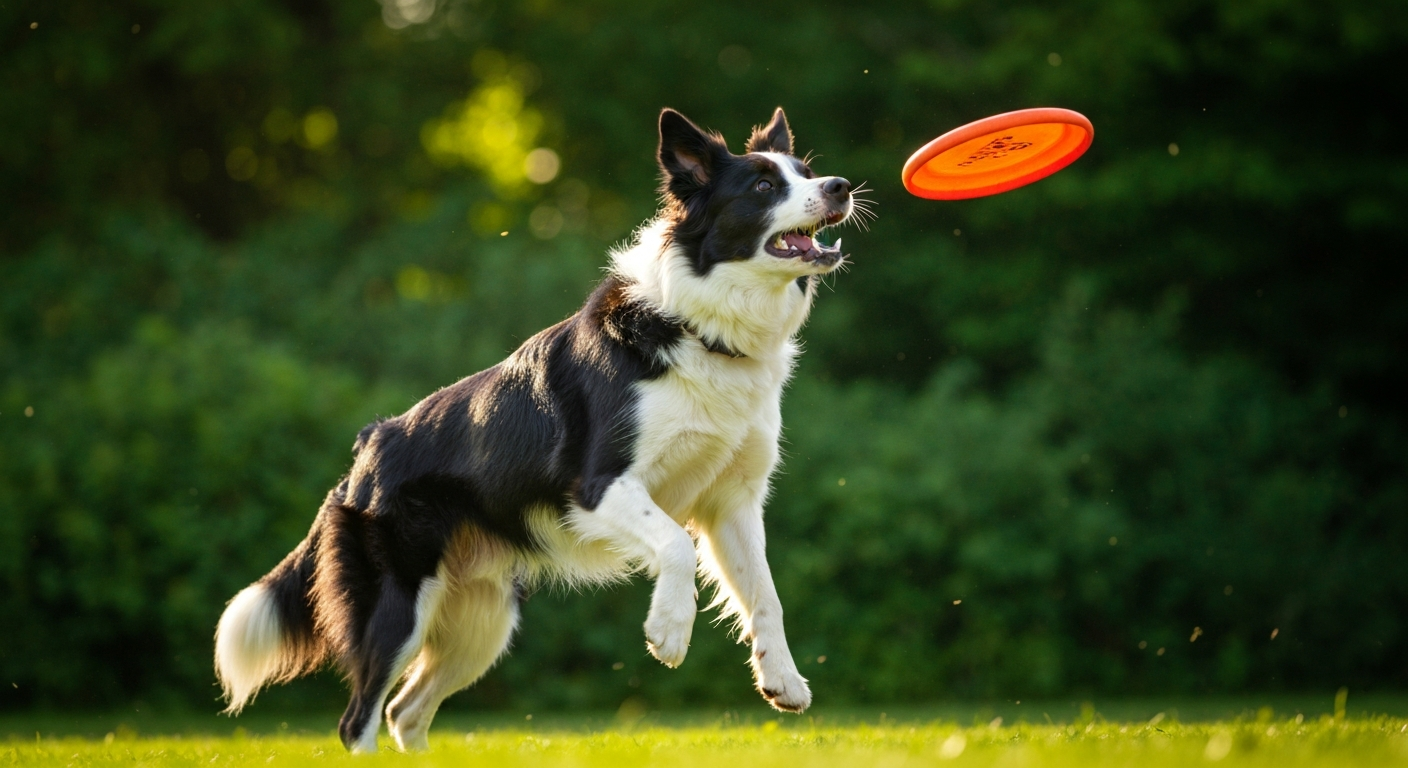
No list of intelligent dogs is complete without the Border Collie. They are remarkably smart. Bred for herding sheep on the hills of Scotland, they needed to think quickly and follow complex commands from a distance. This makes them dogs that can learn a new trick very fast. However, their intelligence requires attention. A bored Border Collie can become a mischievous one. They need a purpose, whether it's advanced obedience, agility, or frequent games of fetch.
- Temperament:
- Intelligent, Energetic, Persistent, Alert
- Energy Level:
- Very High
- Size:
- Medium (30-55 lbs)
- Good For:
- Active families, agility/sports competitors, experienced owners.
2. Poodle: Intelligent and versatile
Don't let the distinctive haircut mislead you. Beneath that elegant appearance is a highly intelligent dog. Poodles (especially the Standard variety) were originally bred as water retrievers in Germany, a role that required intelligence, athleticism, and a strong partnership with their handler. They excel in obedience and are very adaptable. Additionally, their hypoallergenic coat is a significant benefit for those with allergies. They are sensitive dogs that do best with positive training methods and form deep connections with their families.
- Temperament:
- Proud, Intelligent, Trainable, Faithful
- Energy Level:
- High
- Size:
- Comes in Standard, Miniature, and Toy sizes.
- Good For:
- Allergy sufferers, families, first-time owners.
3. German Shepherd: The devoted protector
There's a good reason the German Shepherd is a top choice for police, military, and service work. Their work ethic is well-known, and their loyalty to their owner is unmatched. This breed combines intelligence, confidence, and a strong desire to work. They learn commands quickly and reliably. Early socialization and training are vital for them to develop into well-adjusted, steady companions. A well-trained German Shepherd demonstrates the strength of the human-canine bond, a key part of responsible pet ownership.
- Temperament:
- Confident, Courageous, Smart, Loyal
- Energy Level:
- High
- Size:
- Large (50-90 lbs)
- Good For:
- Active owners, service work, families with older children.
4. Labrador Retriever: A beloved family dog
For many years, the Labrador Retriever has been among the most popular dog breeds, and for good reason. Labs combine a friendly, outgoing personality with a strong desire to please. They are exceptionally motivated by food, which makes training straightforward, they will do almost anything for a treat! Their gentle nature makes them wonderful family pets, and their intelligence makes them reliable workers. They are happy and forgiving of beginner mistakes, possibly making them the best all-around choice for a first-time owner.
- Temperament:
- Friendly, Outgoing, Gentle, High-Spirited
- Energy Level:
- High
- Size:
- Medium-Large (55-80 lbs)
- Good For:
- Families with children, first-time owners, active individuals.
5. Papillon: The small but smart companion
Think trainable dogs only come in large sizes? Think again! The Papillon, named for its butterfly-like ears, is a small dog with a large brain. Often referred to as the 'Border Collie of the toy group,' these little dogs are surprisingly active and excel in obedience and agility trials. They are not typical lap dogs; they are active, curious, and love to learn. Their compact size makes them suitable for apartment living, provided their minds and bodies receive enough activity.
- Temperament:
- Friendly, Alert, Happy, Intelligent
- Energy Level:
- Moderate to High
- Size:
- Small (5-10 lbs)
- Good For:
- Apartment dwellers, seniors, competitive obedience/agility.
A quick comparison of trainable breeds
Seeing the key details side-by-side can help you decide which breed might suit your lifestyle best. Remember, these are general characteristics, and individual personalities can vary.
| Breed | Best For | Energy Level | Grooming Needs |
|---|---|---|---|
| Border Collie | Experienced & Very Active Owners | Very High | Moderate |
| Poodle (Standard) | Families, Allergy Sufferers | High | High (Professional grooming needed) |
| German Shepherd | Active, Committed Owners | High | Moderate (Heavy seasonal shedding) |
| Labrador Retriever | First-Time Owners, Families | High | Low to Moderate |
| Papillon | Apartment Living, Agility Fans | Moderate | Low to Moderate |
Training tips for your new, intelligent companion
Choosing a trainable breed is the first step. The next is applying the right techniques to help them reach their full potential.
- Start immediately: Training begins the moment you bring your puppy home. Begin with house rules, crate training, and simple commands.
- Keep it positive: All the breeds on this list benefit from positive reinforcement. Use praise, toys, and treats to reward good behavior. Avoid harsh methods, which can damage their trust and willingness to learn.
- Short and focused sessions: Dogs, especially puppies, have short attention spans. Keep training sessions to 5-10 minutes a few times a day to maintain their engagement and prevent fatigue.
- Consistency is essential: Everyone in the household needs to follow the same rules and commands. Consistency provides a clear structure for your dog, aiding their learning process.
- Prioritize socialization: A well-trained dog is also a well-socialized one. Expose your puppy to various sights, sounds, people, and other dogs from a young age to build their confidence. Remember, a healthy dog is a happier and more receptive learner, so always prioritize their overall well-being with proper dog health and care routines.
Selecting an easy-to-train dog sets the stage for a wonderful partnership, but the most significant rewards come from the time you spend together. The training process itself, the daily practice, the small achievements, the shared understanding, is what builds a strong bond. So, choose your canine partner, grab some treats, and prepare for one of the most fulfilling experiences of your life.
Frequently Asked Questions
Are intelligent dogs always easy to train?
Not necessarily. While high intelligence means a dog learns quickly, it can also mean they learn how to get what they want in undesirable ways. Breeds like Border Collies can become bored and destructive without constant mental stimulation, and they can easily outwit an inexperienced owner. The 'eagerness to please' trait is often more important than raw intelligence for ease of training.
What are the most difficult dog breeds to train?
Breeds known for their independent or stubborn nature are often considered the most challenging. This includes breeds like the Afghan Hound, Beagle, Basset Hound, and some terriers. They were bred to think for themselves, so they often don't have the same innate desire to follow commands as a German Shepherd or Golden Retriever.
Can you train an older rescue dog?
Absolutely! The saying 'you can't teach an old dog new tricks' is a complete myth. While you may need to work on unlearning some bad habits, older dogs are often calmer and have a better attention span than puppies. With patience and positive reinforcement, you can train a dog of any age.