
Winter offers a special kind of magic, and for many dog owners, it's an ideal time for outdoor explorations with their canine partners. However, not all dogs are naturally equipped for chilly adventures. Certain breeds are exceptionally suited for the cold, thanks to their inherent traits and robust builds. If you reside in a colder climate or simply admire dogs that embrace the frost, knowing which breeds are best adapted to these temperatures is invaluable. My focus as a behaviorist centers on how a dog's natural characteristics influence their daily life, training, and overall contentment, especially during colder seasons.
Selecting the right dog breed for cold climates goes beyond their ability to tolerate the chill. It's about finding a companion whose personality, energy levels, and care requirements perfectly complement your lifestyle and surroundings. These breeds often relish exploring snowy landscapes and possess sturdy physiques that allow them to do so comfortably. Let’s explore some excellent choices for those who don't shy away from a bit of frost.
Best Dog Breeds for Cold Climates: Understanding Their Unique Needs
When discussing dogs that thrive in cold weather, we consider a blend of their physical attributes and innate behaviors. Breeds originating from colder regions of the world have often developed specialized adaptations over numerous generations. These can include:
Dense Double Coats: A thick undercoat provides essential insulation, while a coarser outer coat effectively repels water and snow.
Body Structure: A more compact build, shorter muzzles, and smaller ears can help minimize heat loss.
Metabolism: Some breeds may have a slightly faster metabolism, aiding them in generating more body heat.
Temperament: Many breeds hardy in the cold are naturally energetic, enjoy outdoor activities, and exhibit a confident disposition.
It's vital to remember that even the most cold-tolerant dogs require attentive care. Their training needs remain paramount, and understanding their distinct behavioral cues is fundamental for a joyful life together. Exploring different dog breeds can assist you in finding an ideal match.
Siberian Husky
Originating from the severe climate of Siberia, the Siberian Husky stands as a prime example of a cold-weather dog. Developed by the Chukchi people for pulling sleds over vast distances in extreme cold, they are built for endurance and warmth.
- Temperament:
- Intelligent, friendly, outgoing, and playful. They are known for their pack-oriented nature and are generally good with people and other dogs, though they possess a strong instinct to chase small animals.
- Coat:
- A thick double coat featuring a soft, dense undercoat and a longer, coarser outer coat. This requires consistent grooming, particularly during shedding periods.
- Energy level:
- Very high. They need substantial daily exercise, including running and play, to prevent boredom and potential destructive behaviors.
- Training:
- Can be independent and sometimes stubborn. Early socialization and consistent, positive training methods are crucial. They often excel in dog sports.
- Cold tolerance:
- Excellent. Their thick coat and Siberian heritage mean they thrive in freezing temperatures.
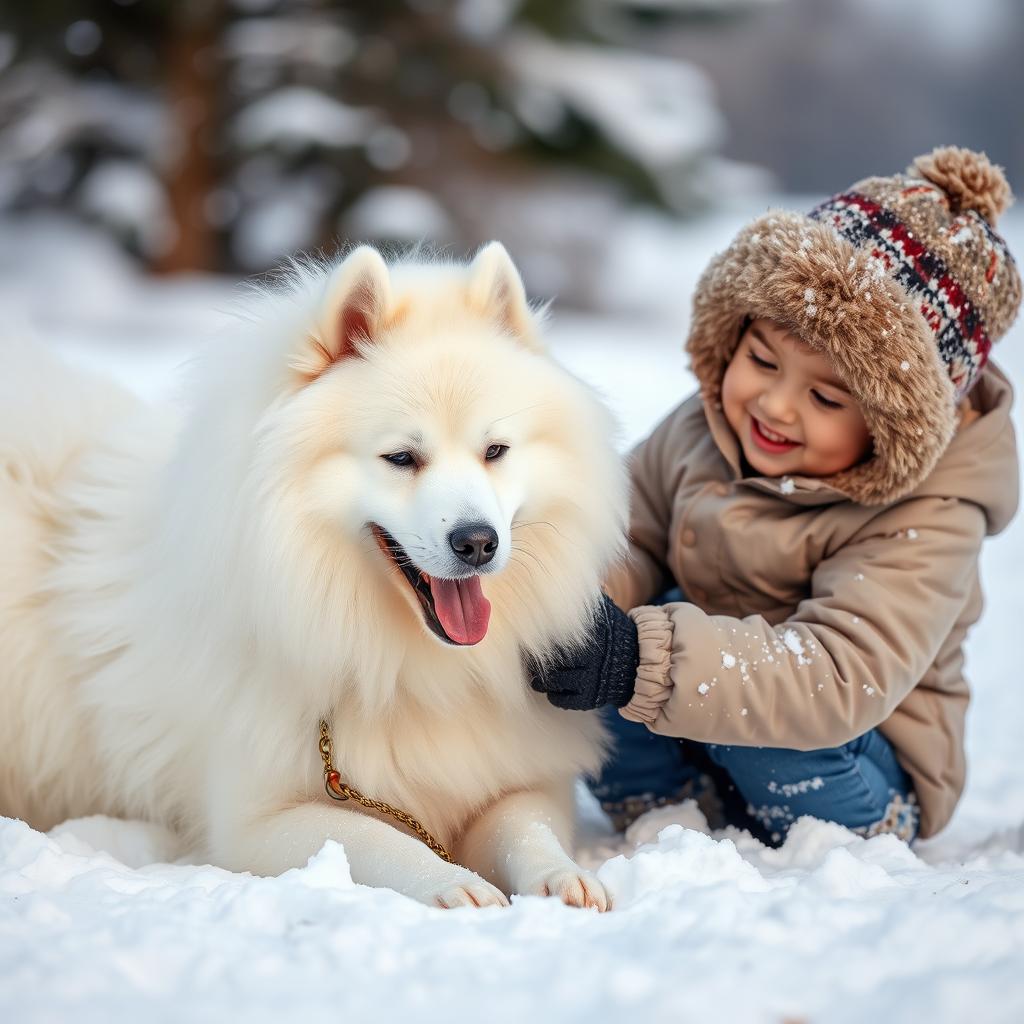
Samoyed
The Samoyed, also from Siberia, was bred by the Samoyedic people for herding reindeer, pulling sleds, and as companions. Their striking white coat and characteristic 'smile' make them easily recognizable and highly popular.
- Temperament:
- Friendly, gentle, alert, and playful. Samoyeds are known for their affection towards their families and are generally good with children. They can be quite vocal.
- Coat:
- A dense, fluffy double coat that is pure white. Requires frequent brushing to prevent mats and manage shedding.
- Energy level:
- High. They need daily exercise, such as brisk walks or play sessions, to remain happy and healthy.
- Training:
- Intelligent but can be strong-willed. Positive, patient training methods are most effective. Early socialization is important.
- Cold tolerance:
- Excellent. Their thick coat provides superior insulation against cold weather.
Alaskan Malamute
Another powerful breed developed in Alaska for heavy freight hauling, the Alaskan Malamute is a descendant of Arctic sled dogs. They are recognized for their strength, stamina, and dignified presence.
- Temperament:
- Loyal, affectionate, playful, and very strong-willed. They form deep bonds with their families but can exhibit dominance with other dogs if not properly socialized.
- Coat:
- A thick, coarse double coat with a dense, woolly undercoat. Requires regular grooming, especially during heavy shedding periods.
- Energy level:
- High. They need vigorous daily exercise to channel their energy productively.
- Training:
- Intelligent but can be challenging to train due to their independent nature. Consistent leadership and positive methods are crucial.
- Cold tolerance:
- Excellent. Bred for extreme Arctic conditions.
Bernese Mountain Dog
While not specifically a sled dog, the Bernese Mountain Dog originated in the Swiss Alps, where they served as farm dogs, guard dogs, and draft dogs, pulling carts. Their substantial size and thick coat make them well-suited for cooler climates.
- Temperament:
- Good-natured, calm, devoted, and friendly. They are known for their gentleness with children and forming strong attachments to their families.
- Coat:
- A thick, long double coat that is weather-resistant. Sheds moderately year-round and more heavily seasonally.
- Energy level:
- Moderate. They enjoy walks and playtime but are not as demanding as Arctic breeds. They can be prone to overheating, so care is needed in warmer weather.
- Training:
- Eager to please and generally easy to train with positive reinforcement. Early socialization is beneficial.
- Cold tolerance:
- Good to very good. Their coat and size offer protection in cooler temperatures, but they should not be left outside in extreme or prolonged cold.
Newfoundland
Originally from Newfoundland, Canada, this breed was developed to work alongside fishermen. Their powerful build, water-repellent coat, and webbed feet made them excellent swimmers and rescuers, often in icy waters.
- Temperament:
- Sweet-tempered, patient, devoted, and calm. Known for being exceptionally good with children, they make wonderful family companions.
- Coat:
- A thick, dense double coat that is water-resistant. Requires regular grooming to manage shedding and prevent matting.
- Energy level:
- Moderate. They enjoy regular walks and swimming but are not hyperactive. They can overheat easily in warm weather.
- Training:
- Intelligent and eager to please, making them relatively easy to train. They respond well to positive methods.
- Cold tolerance:
- Very good. Their coat and body structure are ideal for cold weather and icy water.
Akita
Hailing from the mountainous northern regions of Japan, the Akita Inu is a powerful, courageous dog originally used for hunting large game and guarding royalty. Their substantial build and dense coat protect them from harsh climates.
- Temperament:
- Loyal, dignified, courageous, and alert. Akitas are devoted to their families but can be reserved with strangers and possess a strong protective instinct.
- Coat:
- A thick double coat with a soft, dense undercoat and a straight, harsh outer coat. Sheds heavily twice a year.
- Energy level:
- Moderate to high. They require daily exercise but are not typically high-strung. They can be sensitive to heat.
- Training:
- Intelligent but independent and can be stubborn. Early and consistent socialization and training are critical. They often show dominance towards other dogs of the same sex.
- Cold tolerance:
- Very good. Their native climate and coat type equip them well for cold conditions.
Great Pyrenees
These large, majestic dogs were bred in the Pyrenees Mountains between France and Spain to guard livestock from predators like wolves. Their primary role required them to withstand harsh mountain weather.
- Temperament:
- Calm, patient, gentle, and courageous. They are known for their protective nature towards their family and flock, and can be independent thinkers.
- Coat:
- A thick, weather-resistant double coat. They shed significantly, especially seasonally.
- Energy level:
- Moderate. They require daily exercise but are not excessively energetic, often content to patrol their territory.
- Training:
- Intelligent but independent and can be strong-willed. Training requires patience, consistency, and understanding their guardian instincts.
- Cold tolerance:
- Excellent. Their thick coat and origins make them very comfortable in cold weather.
Caring for Your Cold-Climate Canine
Even breeds naturally adapted to the cold require specific care to ensure their health and happiness throughout the winter months. As a behaviorist, I consistently emphasize that a dog's environment profoundly impacts their behavior and well-being.
Indoor Comfort and Safety
While these dogs enjoy the cold, they still need a warm, comfortable place to rest indoors. Ensure your home is adequately heated, especially their sleeping area. Avoid leaving them outside for extended periods during extreme cold snaps, even if they are a cold-hardy breed. Hypothermia and frostbite can still occur. Observe for signs of discomfort, such as shivering, whining, or excessively seeking heat sources. For older dogs or those with joint issues, providing comfortable bedding and possibly ramps for furniture can ease their transition into cooler months. Understanding fundamental dog health care practices is vital year-round.
Nutrition and Diet
Cold weather can increase a dog's caloric needs, as they expend more energy to stay warm. Discuss with your veterinarian whether increasing your dog's food intake is necessary, especially if they spend a significant amount of time outdoors. Conversely, less active dogs during winter might require portion control to prevent weight gain. Feeding high-quality food suitable for your dog's age, size, and activity level is fundamental.
Exercise and Mental Stimulation
These breeds generally possess high energy levels and thrive on activity. Winter does not mean they can skip their workouts. Brisk walks, playing in the snow, or even indoor training sessions can keep them physically and mentally engaged. Ensure they wear appropriate gear if conditions are severe; booties can protect paws from ice and salt, and a warm coat can be beneficial for shorter-haired dogs or those with less body fat, even within the cold-hardy categories.
Grooming Needs
A dense double coat is a natural marvel, but it demands maintenance. Regular brushing is essential to prevent matting, especially when snow and ice can become entangled in the fur. Brushing also helps distribute natural oils, keeping the coat healthy and functional. Pay close attention to the areas around the ears, legs, and tail where mats can easily form. Inspect paws for any cuts or irritation from ice or salt.
Behavioral Considerations
Understanding your dog's behavior is crucial. A dog that is normally energetic might become sluggish if they are too cold or if their exercise routine is disrupted. Conversely, boredom stemming from insufficient stimulation can lead to destructive behaviors like chewing or excessive barking. Provide puzzle toys, engage in training sessions, or find safe indoor play areas to keep their minds active. Socialization remains important; even friendly breeds need exposure to various sights, sounds, and experiences throughout the year to maintain good adjustment.
When to Consult a Vet
While these breeds are adapted to the cold, always remain observant. If your dog exhibits prolonged signs of discomfort, lethargy, loss of appetite, or behavioral changes, it is time to consult a veterinarian. Issues such as arthritis can be aggravated by cold weather, and underlying health problems may become more apparent. For any medical concerns, always seek professional veterinary advice. As a behaviorist, I can help interpret how these physical changes might manifest in your dog's actions.
Enjoying winter with a cold-hardy dog breed can be incredibly rewarding. Their inherent resilience and love for the outdoors mean you can share many adventures together, even when temperatures drop. By understanding their specific needs, from diet and exercise to grooming and behavior, you can ensure your frosty companion remains healthy, happy, and a cherished member of your family throughout the year.
Frequently Asked Questions
What are the most important considerations for choosing a dog breed for cold climates?
When selecting a dog for cold weather, prioritize breeds with thick double coats, substantial body fat or muscle mass, and natural resilience to low temperatures. Temperament is also key; a dog that enjoys outdoor activity will thrive. Consider your lifestyle and available space, as even cold-hardy breeds need regular exercise and mental stimulation.
Do all dogs with thick coats do well in the cold?
While a thick double coat is a significant advantage, it's not the only factor. Dogs built for cold climates often have specific physiological traits like smaller ears to minimize heat loss, or a dense undercoat that traps warmth. Breeds that are naturally more active and enjoy being outdoors will generally adapt better than those bred for indoor living, regardless of coat thickness.
How much exercise do cold-weather dog breeds need in winter?
Cold-weather breeds typically have high energy levels and require substantial daily exercise, even in freezing temperatures. Aim for at least an hour of vigorous activity, which can include brisk walks, running, playing fetch, or engaging in winter sports like skijoring. Always monitor your dog for signs of fatigue or discomfort in extreme cold and adjust activity levels as needed. You can explore more about <a href="https://breedexplorer.com/dog-training">dog training</a> to ensure your active companion is well-behaved during these activities.
What behavioral signs indicate a dog is uncomfortable in the cold?
Watch for shivering, whining, reluctance to move or go outside, lifting paws frequently, or tucking their tail. Some dogs may become anxious or try to seek shelter. Older dogs or those with health conditions might show increased lethargy or stiffness. It's crucial to bring them inside if you notice these signs, even if they are a cold-hardy breed.