
You’ve seen them everywhere. The foxy face, the curly tail, the dignified pose that launched a thousand memes. The Shiba Inu is, without a doubt, one of the most captivating and recognizable dogs on the planet. Their stunning looks and confident charm can make a potential owner's heart skip a beat, especially if you're looking for your very first canine companion. But beneath that plush, handsome exterior lies a complex personality that is far from your typical beginner-friendly dog. So, let's ask the big question: is a Shiba Inu good for first-time owners? The short answer is complicated. The long answer is this article—your brutally honest guide for 2026.
The undeniable allure of the fox-like canine
It's easy to see why you're drawn to the Shiba. As one of Japan's six native breeds, they have an ancient and noble history as skilled hunters in mountainous terrain. This background has shaped them into the dogs they are today: agile, alert, and incredibly self-sufficient. Their physical appearance is a masterpiece of canine evolution—prick ears that catch every sound, a lush double coat designed for warmth, and that iconic, plush tail curled confidently over their back. When a Shiba Inu walks into a room, they carry an air of importance. They know they look good, and they expect you to know it, too.
Understanding the Shiba Inu temperament: more cat than dog?
This is the most critical part of your research. Many experienced owners describe the Shiba as being 'part cat,' and it's a surprisingly accurate description of their psyche. If you're expecting the eager-to-please, follow-you-everywhere devotion of a Labrador, you need to adjust your expectations immediately. The Shiba Inu operates on a different set of rules—their own. Understanding their core traits is the key to a happy life together.
- Fiercely Independent:
- A Shiba's first instinct is not 'How can I make my human happy?' but rather 'What's in it for me?'. They are brilliant problem-solvers, but they often use that intelligence to achieve their own goals. This independence means they are not prone to separation anxiety and are content to entertain themselves, but it also makes them a significant training challenge.
- Intelligent and Cunning:
- They learn routines and commands very quickly. The trick is getting them to perform those commands when they don't feel like it. Their intelligence is often paired with a stubborn streak, making them masters of feigning deafness when a command doesn't suit their current agenda.
- Aloof with Strangers:
- While fiercely loyal to their inner circle, Shibas are typically reserved and suspicious of new people. They are not the type of dog to greet every stranger on the street with a wagging tail. Proper socialization is essential to ensure this caution doesn't morph into fear or reactivity.
- Possessive by Nature:
- Their hunting heritage means they can be prone to resource guarding. This means they might growl or snap if you try to take away a high-value toy, treat, or even their favorite spot on the sofa. This behavior must be managed carefully from day one.
The big challenges for first-time Shiba Inu owners
Alright, let's get into the nitty-gritty. While no dog is perfect, the Shiba Inu presents a unique set of challenges that can easily overwhelm an unprepared novice owner.
Stubbornness and training difficulty
Training a Shiba is an exercise in negotiation, not domination. They do not respond well to harsh methods or repetitive drills. You have to make them think that following your command was their idea all along. This requires a deep understanding of positive reinforcement techniques and a mountain of patience. If you lose your cool, the Shiba will simply shut down and refuse to cooperate. For a first-timer, this can be incredibly frustrating.
The legendary 'Shiba scream'
Most Shibas are not big barkers, but they possess a secret weapon: the Shiba scream. This is a high-pitched, almost human-sounding shriek they unleash when they are highly displeased, scared, or sometimes, over-the-moon excited. A bath they don't want? Scream. A nail trim? Scream. A trip to the vet? You guessed it. It's dramatic, it's loud, and it can be quite alarming if you're not prepared for it.
Socialization is non-negotiable
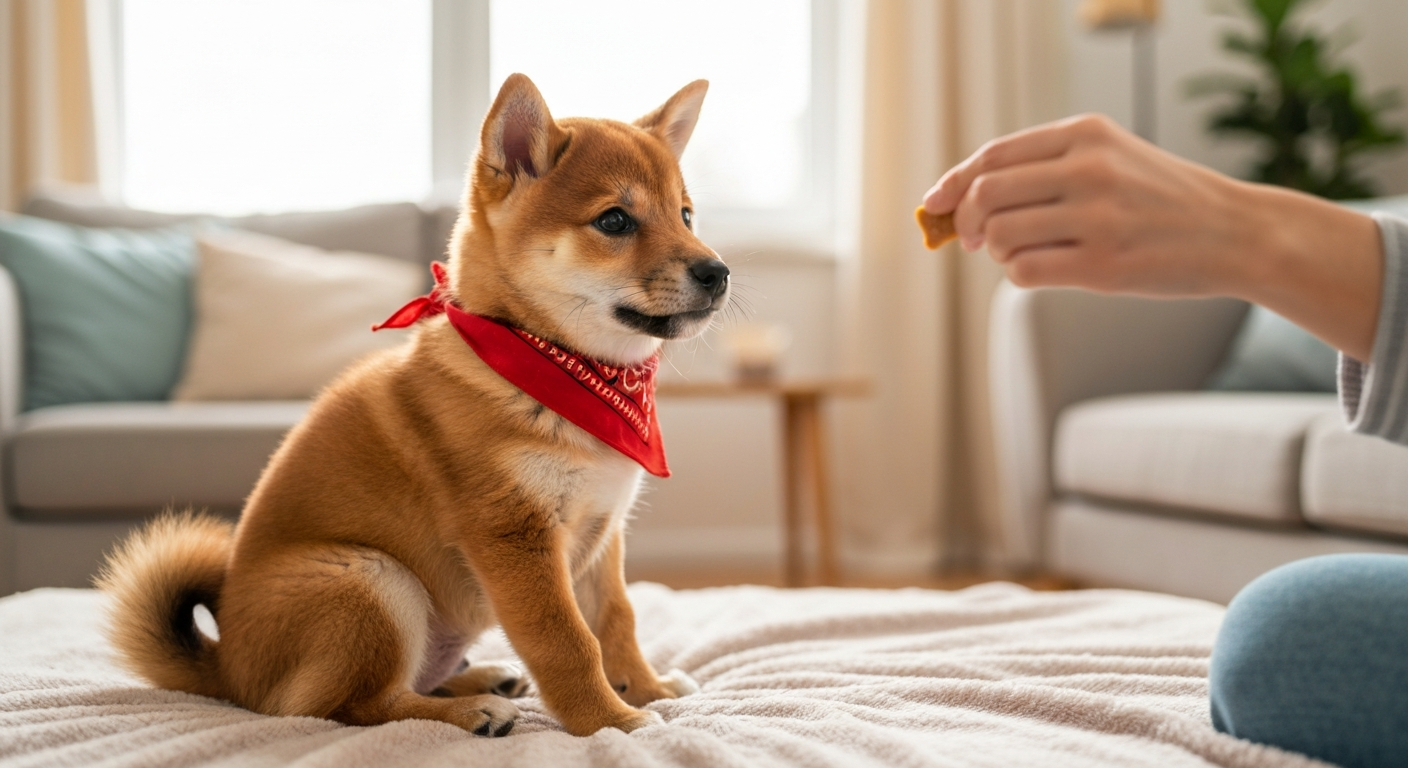
The critical socialization window for puppies is between 3 and 16 weeks of age. For a Shiba, this period is paramount. You must expose them safely and positively to a wide variety of sights, sounds, people, and other dogs. A poorly socialized Shiba is at high risk of developing dog-reactivity or aggression, making walks and public outings a nightmare. This isn't a casual recommendation; it's a requirement for a well-adjusted adult dog.
High prey drive and poor recall
Remember those hunter ancestors? Their instincts are very much alive and well. A Shiba Inu has an extremely high prey drive, meaning squirrels, rabbits, and even neighborhood cats will trigger an intense desire to chase. Because of this, most Shibas can NEVER be trusted off-leash in an unenclosed area. Their recall is notoriously unreliable; if they see something more interesting than you, they will be gone in a flash.
So, are there any upsides for a novice?
After that list of challenges, you might be ready to run for the hills! But it's not all difficult. For the right person, the Shiba offers some wonderful qualities.
- They are fastidiously clean. Much like cats, Shibas are meticulous self-groomers. They try to avoid puddles and dirt, and they are one of the easier breeds to house-train.
- They are a manageable size. Not too big, not too small. Shibas are sturdy and compact, making them well-suited for apartment living, provided they get their daily walks and mental stimulation.
- They are generally quiet. Aside from the occasional scream, they are not prone to nuisance barking. Your neighbors will likely appreciate this!
- Their loyalty is profound. It may not be the slobbery, in-your-face affection of other breeds, but once you earn a Shiba's respect, you have a loyal, loving companion for life. Their bond is deep and built on mutual understanding.
The cost of Shiba Inu ownership: a 2026 breakdown
Beyond temperament, practical considerations are key. Part of responsible pet ownership involves understanding the financial commitment. Shibas are a popular breed, and their costs reflect that.
| Cost Category | Estimated Expense (USD) | Notes |
|---|---|---|
| Initial Puppy Cost | $2,000 - $4,500+ | Varies greatly by breeder reputation, location, and lineage. |
| Initial Supplies | $400 - $800 | Includes crate, bed, bowls, collar, leash, toys, etc. |
| First-Year Vet Care | $500 - $1,000 | Covers vaccinations, spay/neuter, microchip, and wellness exams. |
| Total First-Year Estimate | $2,900 - $6,300+ | This is a significant upfront investment. |
| Annual Food Costs | $600 - $900 | Dependent on the quality and type of food. |
| Annual Vet & Health | $500 - $1,200 | Includes checkups, preventative medications, and pet insurance. Comprehensive canine health care is vital. |
| Grooming, Toys & Other | $200 - $500 | Includes brushes for shedding season, nail clippers, durable toys, and treats. |
| Estimated Annual Ongoing Cost | $1,300 - $2,600+ | Budgeting for these costs is essential. |
The verdict: should a first-timer get a Shiba Inu?
For the average first-time owner who envisions a dog that will fetch for hours, learn tricks eagerly, and greet every person with glee, the Shiba Inu is likely the wrong choice. The potential for frustration and misunderstanding is simply too high, which can sadly result in the dog being rehomed.
However, a Shiba Inu *can* be a good dog for a *specific kind* of first-time owner.
You might be a good match if you are:
- A diligent researcher who has spent months, not days, learning about the breed.
- Infinitely patient and willing to celebrate small victories in training.
- Someone with a great sense of humor who can laugh when your dog outsmarts you.
- Consistent and fair with your rules and boundaries.
- Looking for a companionable partner, not a blindly obedient servant.
Owning a Shiba Inu is less about having a dog and more about entering into a partnership with a clever, dignified, and endlessly fascinating creature. If you are prepared for the challenge and respect their unique nature, the reward is a bond unlike any other. But if you have any doubt, it's wiser to start your dog ownership journey with a more forgiving and traditional breed.
\n\n\n \n \n\nFrequently Asked Questions
\nAre Shiba Inus aggressive dogs?
\nShiba Inus are not inherently aggressive, but they are a primitive breed with strong instincts. They can be possessive of their food and toys and wary of strangers if not properly socialized from a very young age. Early and consistent training is crucial.
\nDo Shiba Inus bark a lot?
\nNo, they are generally quiet dogs and don't tend to be nuisance barkers. However, they are famous for the 'Shiba scream'—a loud, high-pitched vocalization they use when they are unhappy, scared, or overly excited.
\nHow much exercise does a Shiba Inu need?
\nA Shiba Inu requires a moderate amount of exercise. A brisk daily walk of 45-60 minutes, combined with some playtime, is usually sufficient to keep them physically and mentally stimulated. They are energetic but don't typically have the endless stamina of a working breed.
\n