
So, you're captivated by the Shetland Sheepdog. Who could blame you? With their stunning coat, soulful eyes, and sharp intellect, the Sheltie is a true canine masterpiece. But beneath that elegant exterior lies the heart of a tireless worker, a dog bred for generations to herd livestock across the rugged, windswept Shetland Islands. This heritage is the key to understanding one of the most common questions from potential owners: just how much exercise does a Shetland Sheepdog need? The answer is more than just a number; it's about understanding their very essence.
Forget the idea of a dainty lap dog. While they are loving companions, Shelties are small but mighty athletes. Providing the right amount and type of activity is not just a suggestion—it's a fundamental requirement for their physical health and mental well-being. Let's dive deep into the world of Sheltie energy and discover how to keep your brilliant companion happy, healthy, and beautifully balanced in 2026.
Understanding the sheltie's working heritage
To truly grasp your Sheltie's exercise needs, you have to look back at their origins. These dogs weren't bred to look pretty (though they certainly do!); they were bred for a tough job. On the rocky, sparse Shetland Islands off the coast of Scotland, they served as all-purpose farm dogs. Their primary role was to herd sheep, ponies, and poultry, often covering miles of uneven terrain in a single day. They needed stamina, agility, and a sharp mind to make quick decisions.
This history has hardwired several key traits into the modern Sheltie:
- High Intelligence: They are one of the brightest dog breeds, always looking for a problem to solve or a task to perform.
- Boundless Energy: Their stamina is legendary. A simple walk around the block is barely a warm-up for a healthy adult Sheltie.
- A Need for a "Job": An idle Sheltie is an unhappy Sheltie. Their brains crave engagement, which is why mental exercise is just as crucial as physical activity.
When you fail to provide an outlet for these ingrained traits, you're not just dealing with a bored dog; you're going against centuries of selective breeding. This is when common behavior problems like excessive barking, destructive chewing, and anxiety can surface.
How much exercise does a shetland sheepdog need daily?
As a general rule, a healthy adult Shetland Sheepdog requires about 60 to 90 minutes of dedicated exercise per day. However, this isn't a one-size-fits-all answer. The ideal amount can vary significantly based on your dog's age, health, and individual personality. This daily total should be a mix of moderate-to-high intensity physical activity and mentally stimulating tasks.
Here's a breakdown of exercise recommendations by life stage:
| Age Group | Daily Duration | Recommended Activities |
|---|---|---|
| Puppy (3-12 months) | 5 mins per month of age, 2x daily | Short, leashed walks; free play in a secure yard; puzzle toys; basic obedience. Avoid forced running or high jumps. |
| Adult (1-7 years) | 60-90+ minutes | Brisk walks, jogging, hiking, fetch, Frisbee, dog sports (agility, flyball), advanced training sessions. |
| Senior (8+ years) | 30-60 minutes | Gentle walks, swimming (low-impact), scent work, puzzle toys, shorter training sessions. Monitor for signs of fatigue. |
Beyond the leash: the best types of exercise for your sheltie
Simply walking your Sheltie for an hour isn't enough to satisfy their complex needs. Variety is the spice of life, and for a Sheltie, it's the key to a balanced mind. You need to engage both their body and their brain.
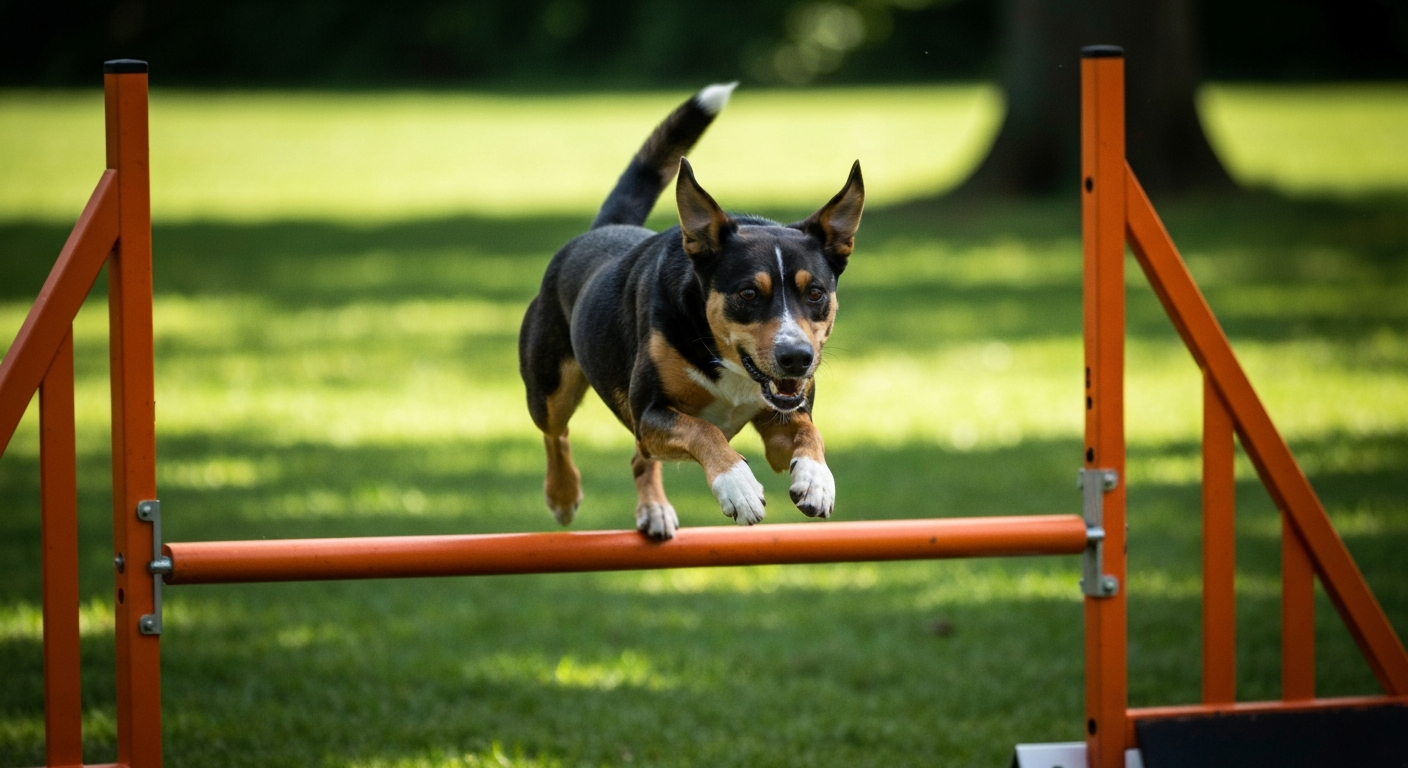
Physical stimulation
These activities help burn off that famous Sheltie energy and keep their bodies in top condition.
- Brisk Walks & Hiking: A cornerstone of their routine. Don't just stick to the pavement; explore different trails and parks. The changing sights and smells provide fantastic mental enrichment.
- Jogging: Once your Sheltie is fully grown (around 12-18 months), they can make excellent jogging partners for moderate distances. Always build up their stamina gradually.
- Fetch & Frisbee: Many Shelties have a surprising amount of prey drive and love a good game of fetch. It taps into their instinct to chase and retrieve.
Mental stimulation: the key to a happy sheltie
A physically tired Sheltie is good, but a mentally tired Sheltie is a truly content one. Their active minds need a job to do.
- Dog Sports: This is where the breed truly shines. Agility, obedience, rally, flyball, and herding trials are perfect outlets. These activities combine physical exercise with problem-solving and following commands, creating a powerful bond between you and your dog. Getting started is easy, and a good program is a cornerstone of effective dog training.
- Puzzle Toys & Food Dispensers: Make mealtime a brain game. Instead of feeding from a bowl, use puzzle toys or snuffle mats that require your Sheltie to work for their food.
- Scent Work & Nose Games: Teach your dog to find hidden treats around the house or yard. This simple game is incredibly engaging and taps into their natural scenting abilities.
Recognizing the signs: under-exercised vs. over-exercised
Finding the right balance is crucial. Too little exercise leads to behavior problems, while too much can cause injury. Pay close attention to your dog's behavior and physical condition.
- Signs of an Under-Exercised Sheltie:
- This is the more common issue. A bored Sheltie will invent their own, often destructive, jobs. Look for excessive barking, digging in the yard, chewing on furniture, frantic zoomies indoors, restlessness, and weight gain.
- Signs of an Over-Exercised Sheltie:
- While less common, it's important to recognize. Watch for persistent stiffness or soreness, lagging behind on walks, extreme exhaustion after activity, irritability, or a loss of enthusiasm for play. If you notice these signs, it's time to scale back and consult your vet, as proper dog health care involves preventing injuries from overexertion.
Special considerations for your sheltie's activity
Your Sheltie's needs will change throughout their life. It's important to adapt their routine accordingly.
Puppyhood precautions
A Sheltie puppy's growth plates are still developing. Avoid forced, repetitive exercise like long-distance running or activities involving high jumps until they are at least a year old. Focus on free play and short, exploratory walks.
Senior sheltie care
As your Sheltie ages, they may develop arthritis or slow down. Swap high-impact jogging for gentle walks or swimming, which is excellent for joints. Keep their minds sharp with puzzle toys and short, positive training sessions. The goal is to maintain mobility and engagement without causing pain.
Weather awareness
That beautiful double coat that keeps a Sheltie warm in the Shetland Islands can be a liability in hot, humid weather. They are prone to overheating. On hot days, exercise during the coolest parts of the day (early morning or late evening), provide plenty of water, and never leave them in a car. While they often love the snow, be mindful of ice balls forming in their paw pads.
Understanding and meeting your Shetland Sheepdog's exercise needs is one of the most rewarding aspects of owning this incredible breed. It's not a chore; it's a shared journey that strengthens your bond and allows your dog's brilliant personality to shine. It's amazing how different dog breeds have such varying needs, and the Sheltie is a prime example of a dog that thrives on purpose and partnership. By providing a balanced mix of physical challenges and mental puzzles, you give your Sheltie the life they were bred for—a life of activity, intelligence, and companionship.
Frequently Asked Questions
How much exercise does a Shetland Sheepdog puppy need?
A Sheltie puppy needs about 5 minutes of structured exercise per month of age, twice a day. For example, a 4-month-old puppy should get about 20 minutes of playtime or walking twice a day. This prevents stress on their developing joints.
Can Shelties live happily in an apartment?
Yes, a Shetland Sheepdog can live in an apartment, provided their daily exercise and mental stimulation needs are met. Without adequate activity, they can become vocal and restless in a small space. Consistent daily walks, park visits, and indoor training are essential.
Do Shelties bark a lot if they don't get enough exercise?
Absolutely. Shelties are naturally vocal herding dogs, but insufficient exercise and mental stimulation are primary triggers for excessive, nuisance barking. A tired Sheltie is a quiet Sheltie.